Luxury Yachting Worldwide in 2026: Global Market, Investment and Economic Outlook
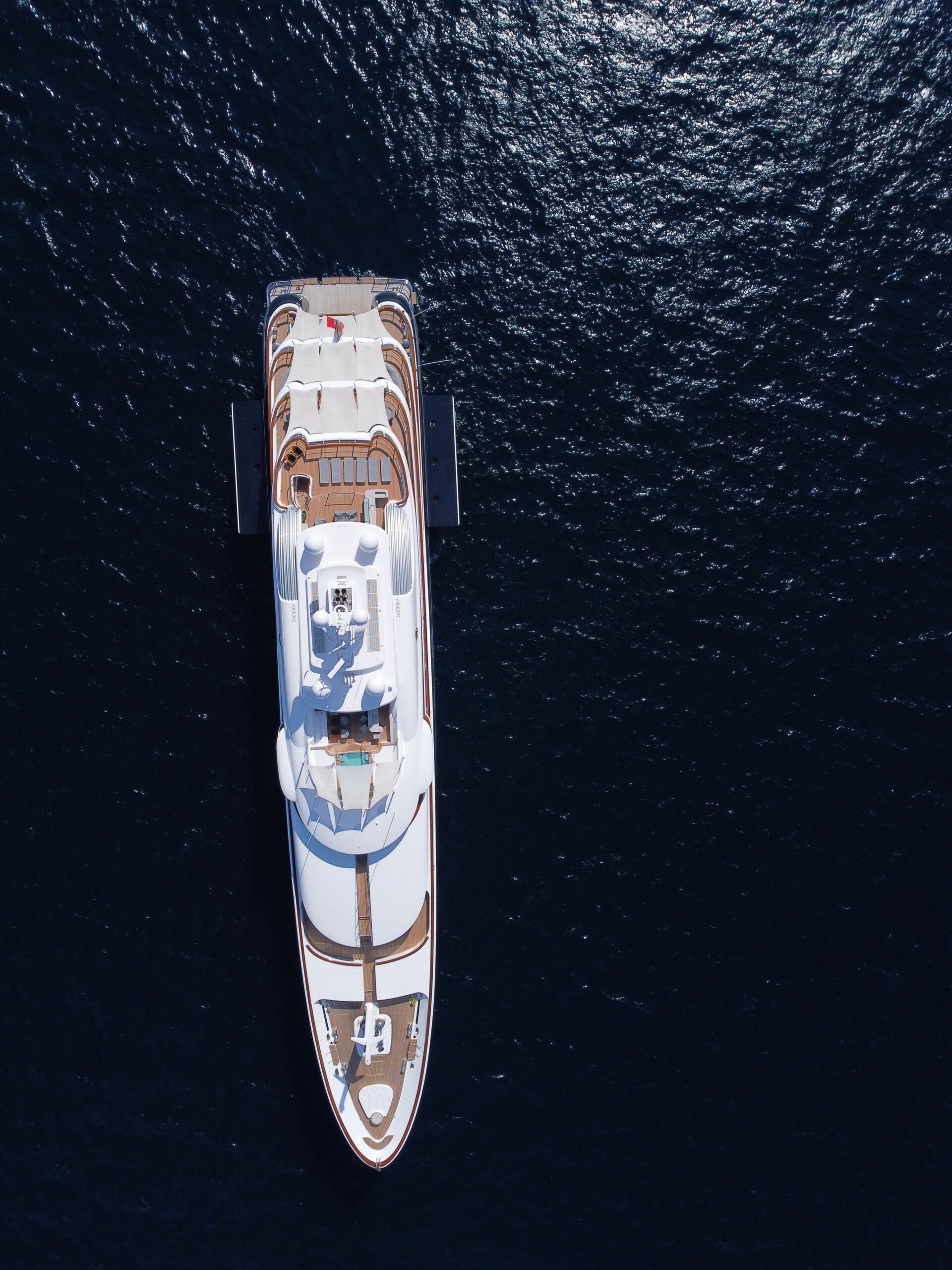
Luxury yachting has evolved far beyond a symbol of wealth. Today, the global yacht industry represents a sophisticated combination of lifestyle, tourism, hospitality, technology, engineering and international investment. From the Mediterranean and Caribbean to Southeast Asia, the Middle East and the South Pacific, yachts connect some of the world’s most desirable destinations while creating significant economic activity.
In 2026, the luxury yachting market is entering another important period of transformation. Wealth continues to expand in several sectors, particularly technology and entrepreneurship, while economic uncertainty, inflation, geopolitical risks and changing consumer expectations are influencing how high-net-worth individuals approach luxury purchases.
The global economy is projected to grow by 3.0% in 2026 and 3.4% in 2027, according to the International Monetary Fund. However, global inflation is expected to rise to 4.7% in 2026 before easing in 2027. This creates a market where wealthy buyers remain active but increasingly focus on value, quality, flexibility and long-term utility.
For the international luxury market, yachting remains one of the most exclusive experiences available.
The Global Luxury Yacht Market in 2026
The luxury yacht market continues to demonstrate long-term growth potential. One current industry estimate values the global luxury yacht market at approximately USD 11.69 billion in 2026, with projections reaching more than USD 19 billion by 2034. Europe remains the dominant regional market, reflecting the importance of established yachting destinations, shipyards, marinas and charter infrastructure.
However, the market is much broader than yacht sales alone.
The modern yachting economy includes yacht construction, brokerage, charter, marinas, refit and maintenance, crew employment, hospitality, tourism, aviation, restaurants and luxury retail.
SuperYacht Times’ 2026 industry report examines new-build activity, brokerage sales, charter performance, refit developments and wider market movements, demonstrating how interconnected the international yacht industry has become.
This makes yachting an important component of the broader global luxury economy.
Why High-Net-Worth Individuals Continue to Buy Yachts
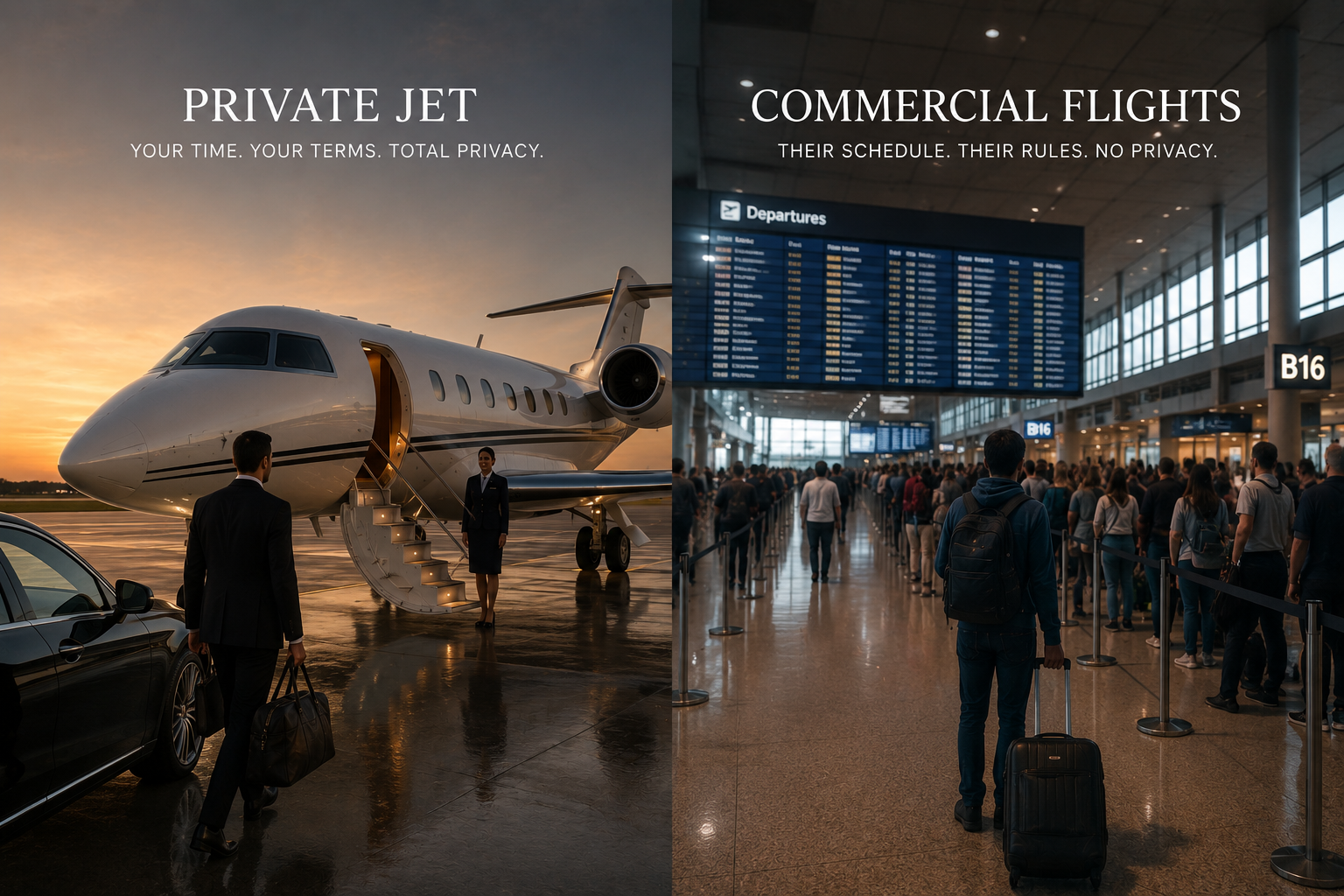
For wealthy individuals, yacht ownership provides something that many traditional luxury assets cannot: mobility.
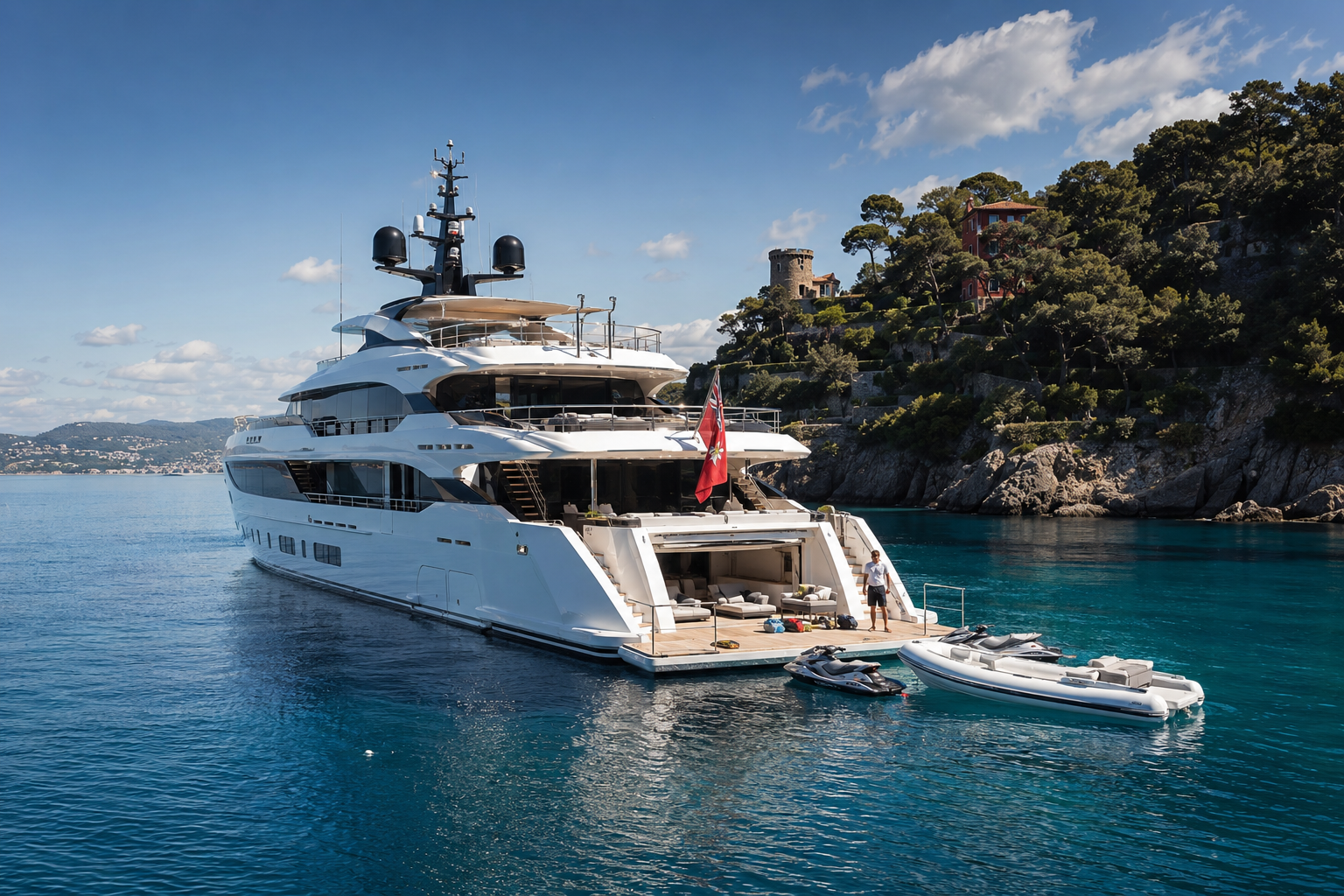
A luxury yacht can become a private residence, holiday retreat, entertainment venue, family escape and personal travel platform at the same time.
Instead of travelling between hotels, owners can move between islands, coastal cities and remote destinations while maintaining their own environment, privacy and service standards.
This lifestyle appeal remains a major reason why luxury yachts continue to attract international buyers.
However, the profile of the modern yacht owner is changing.
Recent reporting indicates that new wealth generated by the technology and artificial intelligence sectors is influencing luxury purchasing behaviour. Younger wealthy entrepreneurs are increasingly interested in yachts that combine performance, privacy, technology, health and practical functionality rather than relying purely on traditional displays of extravagance.
This represents a significant shift in luxury consumer behaviour.
A New Definition of Luxury
Luxury yachting is becoming less about simply owning the biggest yacht and more about creating an exceptional experience.
Modern yacht buyers increasingly look for:
- Privacy and security
- Exceptional design
- Wellness and fitness facilities
- Advanced technology
- High-quality entertainment
- Efficient performance
- Sustainable systems
- Flexible interior spaces
- Water sports and adventure equipment
- Personalised service
This is particularly important among younger entrepreneurs and international investors.
The new generation of wealthy buyers may value a yacht that allows them to work remotely, exercise, explore remote destinations and spend time with family just as much as one designed for large social events.
The result is a more personalised definition of luxury.
The Economic Impact of the Yachting Industry
The luxury yacht industry has a much larger economic impact than the price of the vessels themselves.
A recent study reported that the global superyacht industry contributes approximately $61 billion to the wider economy, with the global fleet exceeding 6,100 superyachts. More than one-third of those yachts are available for private charter, generating economic activity beyond their original purchase.
The economic benefits extend throughout the destinations where yachts operate.
Owners and charter guests spend money on:
- Marinas
- Hotels
- Restaurants
- Private aviation
- Chauffeur services
- Luxury retail
- Local excursions
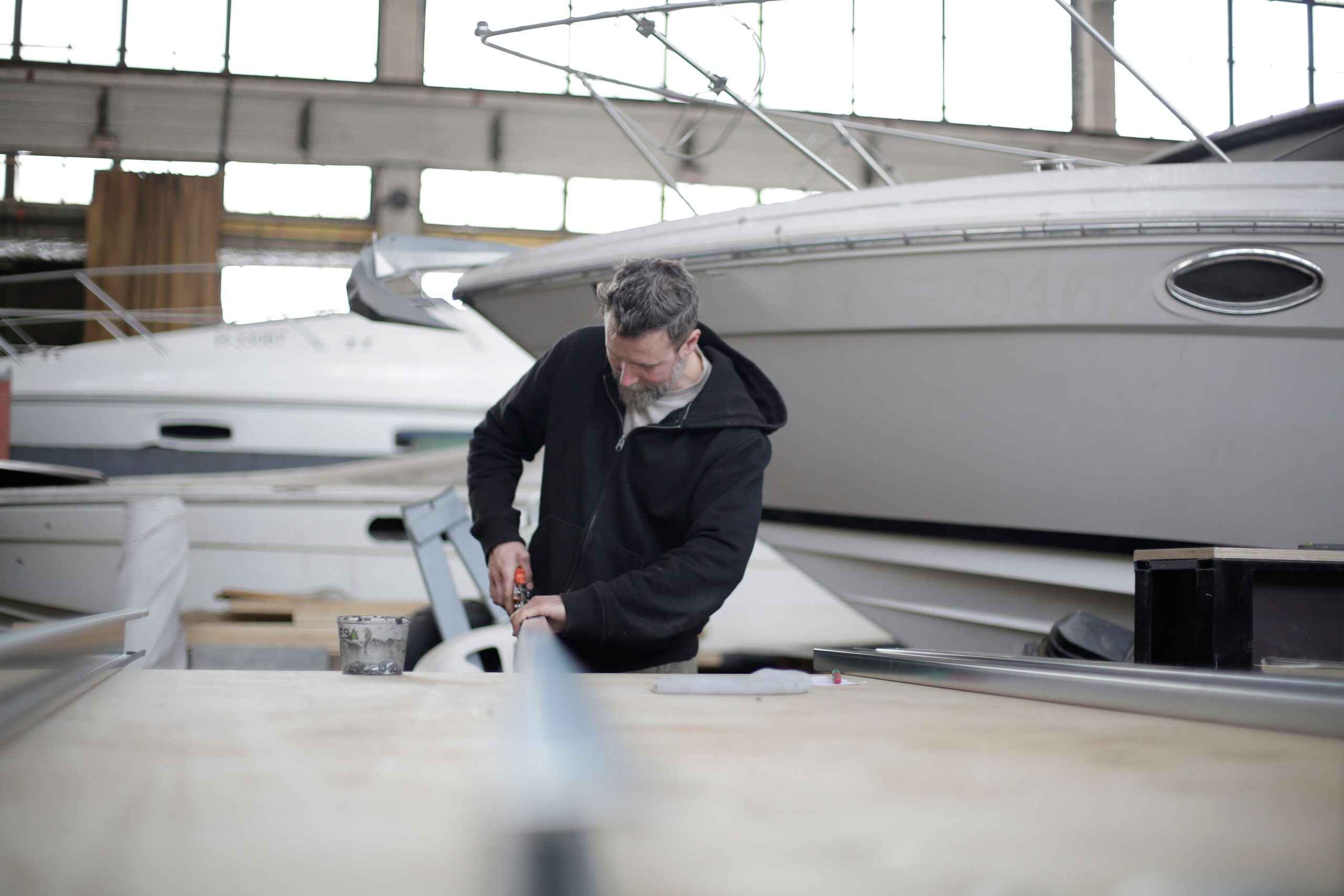
- Yacht maintenance
- Crew services
- Food and beverage
- Fuel and marine services
This creates a significant economic ecosystem around the yacht itself.
For destinations competing for high-value tourism, attracting superyachts can therefore generate substantially more than conventional tourism spending.
Yacht Charter: A Growing Luxury Travel Experience
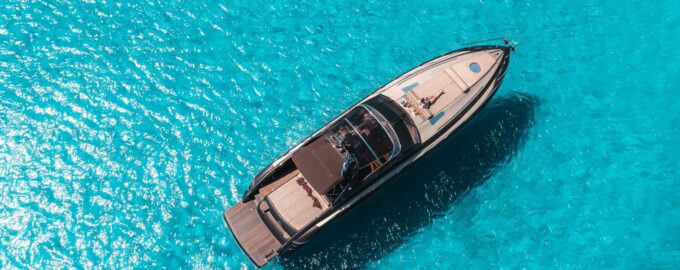
Yacht charter has become one of the most attractive ways for people to experience luxury yachting without purchasing a vessel.
Charter clients can select a yacht according to their preferred destination, group size, itinerary and budget.
The 2026 charter market is showing resilience, although booking behaviour is changing. SuperYacht Times reports that the market remains broadly positive while clients and operators adapt to changing booking patterns and destination preferences.
Northrop & Johnson reported particularly strong charter activity during the first half of 2026. Q2 charter departures increased by more than 40% year-on-year, while market days booked in the first half of the year were up more than 40%.
This suggests that demand for luxury yacht experiences remains strong even in a more uncertain global economic environment.
The Mediterranean Remains a Global Yachting Leader
The Mediterranean continues to dominate the international luxury yacht charter market.
Greece, Croatia, France, Italy, Spain and the wider Mediterranean region provide an exceptional combination of scenery, culture, gastronomy, infrastructure and established yachting services.
According to IYC’s 2026 market update, the Mediterranean remains the leading summer charter region, with Greece holding the largest share of summer bookings. The East Mediterranean has been particularly strong, while France, Italy and the Balearic Islands continue to attract significant demand.
The Mediterranean’s success is also supported by its proximity to major European wealth centres.
For many clients, a luxury yacht charter can begin in Athens, Monaco, Cannes, Split or another established hub and provide access to multiple destinations within a single trip.
The Caribbean and Global Expansion
The Caribbean remains another major centre of international yachting.
The region is particularly attractive during the European winter because of its warm climate, beautiful waters and extensive range of islands.
The Bahamas and Caribbean continue to benefit from strong winter demand, while other destinations are becoming increasingly relevant to adventurous luxury travellers.
The South Pacific and Indian Ocean are also attracting greater attention. IYC reported significant year-on-year booking growth in both regions during the 2025/26 winter season. Southeast Asia also remains an important niche market within the global charter landscape.
This diversification creates opportunities for destinations such as Thailand.
Thailand and Southeast Asia
Thailand has many of the ingredients required to become an increasingly important luxury yachting destination.
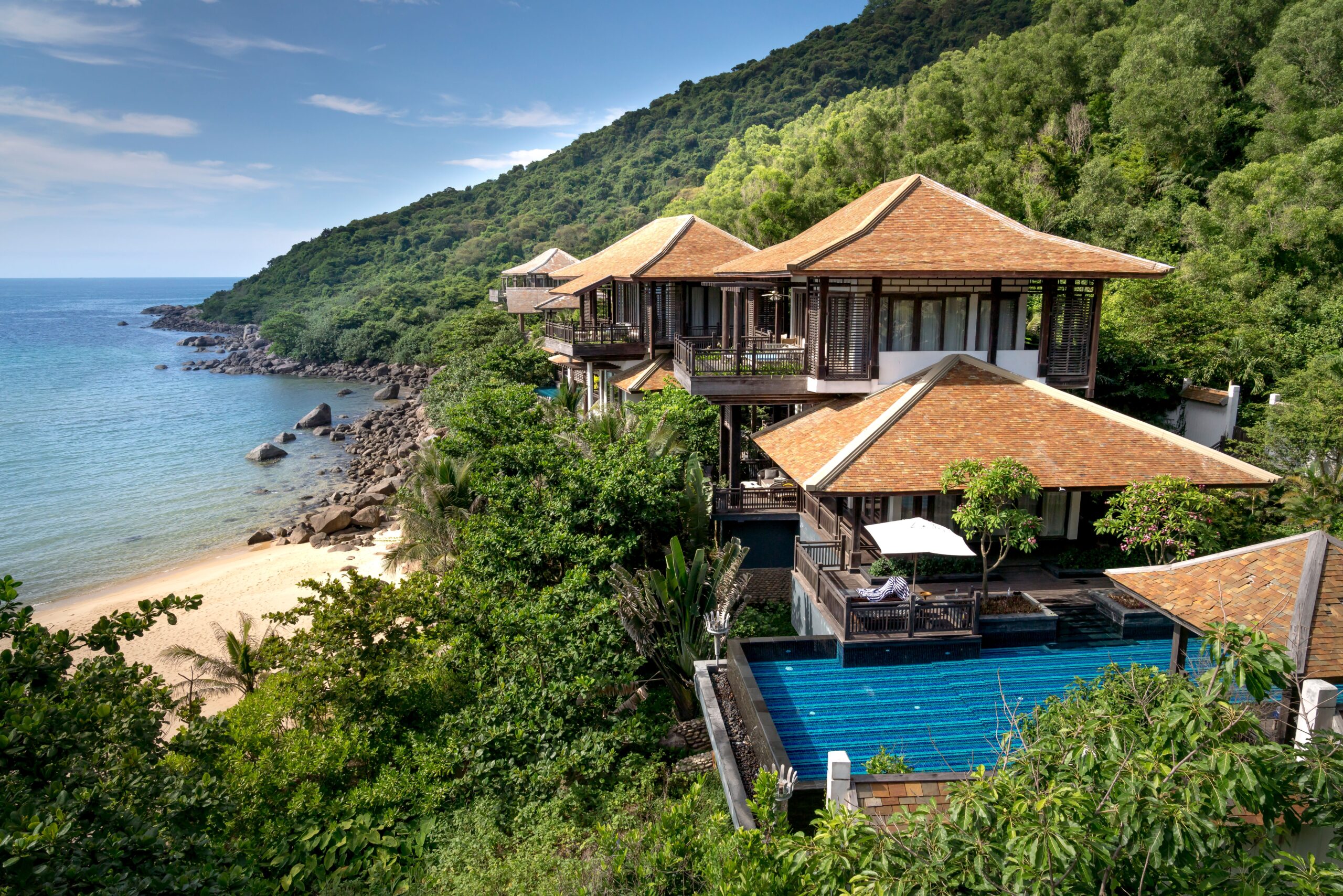
Phuket provides international airport connectivity, luxury resorts, private villas, marinas, restaurants, professional yacht services and access to the Andaman Sea.
The island is also strategically positioned for cruising between Thailand, Malaysia and other parts of Southeast Asia.
For international yacht owners and charter clients, Phuket offers the possibility of combining luxury yachting with high-end real estate, hospitality and tourism.
This creates an interesting relationship between the yacht market and the luxury property market.
A high-net-worth individual may purchase a luxury villa in Phuket while also owning or chartering a yacht. Both assets can become part of the same lifestyle and investment strategy.
Yachting and Luxury Real Estate
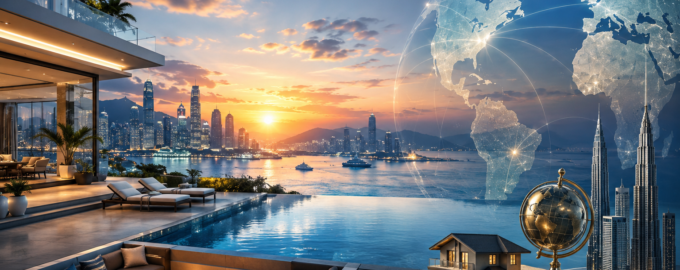
Luxury real estate and yachting increasingly overlap.
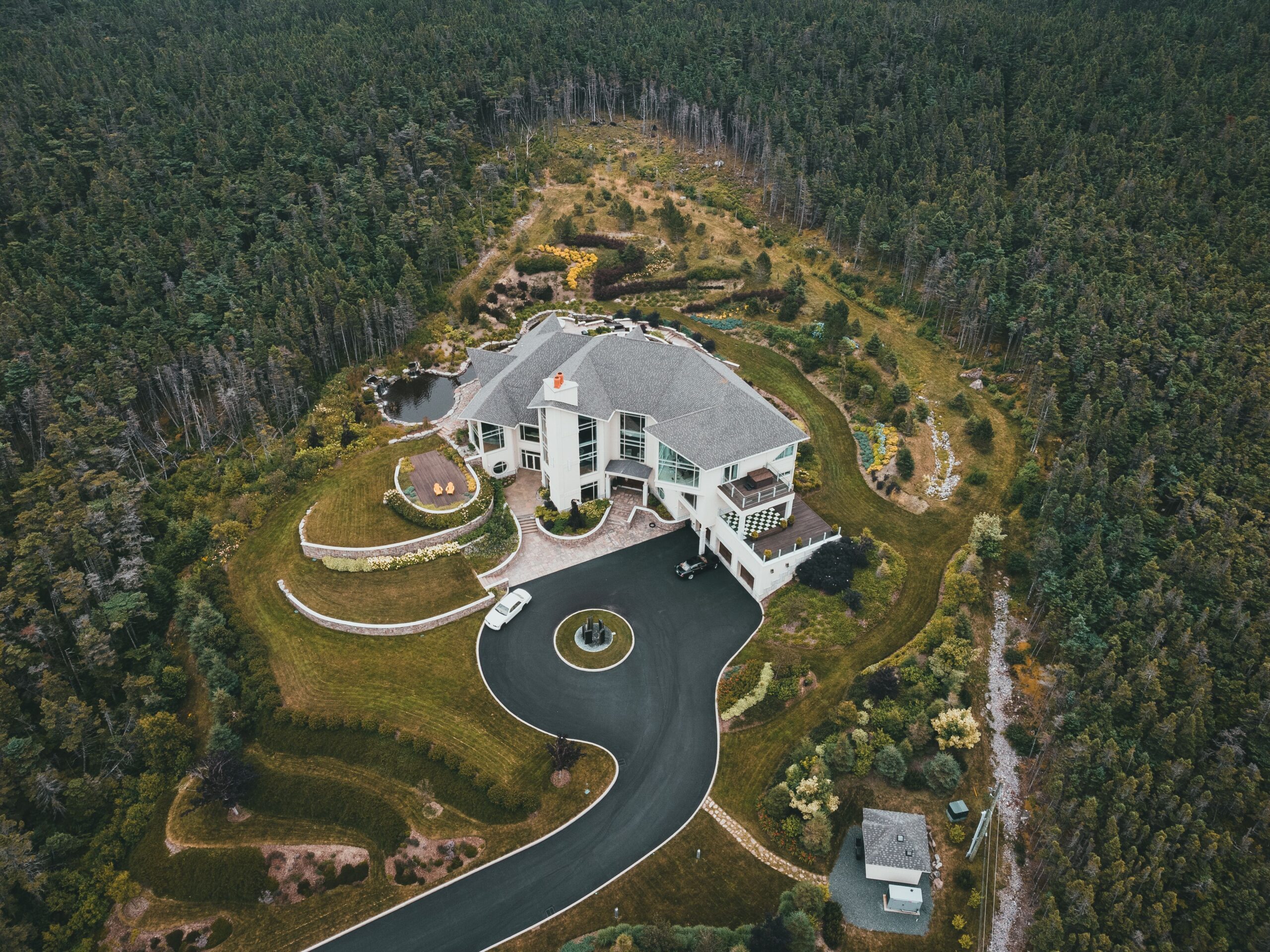
Prime coastal property can benefit from proximity to marinas, yacht clubs and major cruising routes. A luxury villa with private access to the sea or close proximity to a premium marina can offer an additional lifestyle advantage to international buyers.
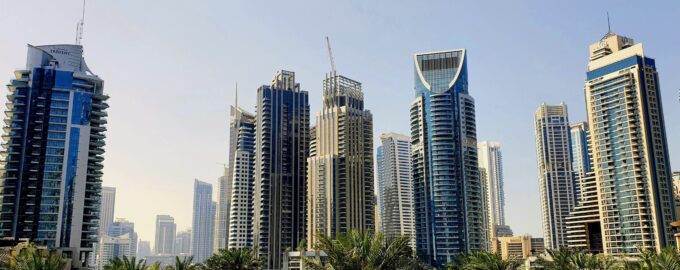
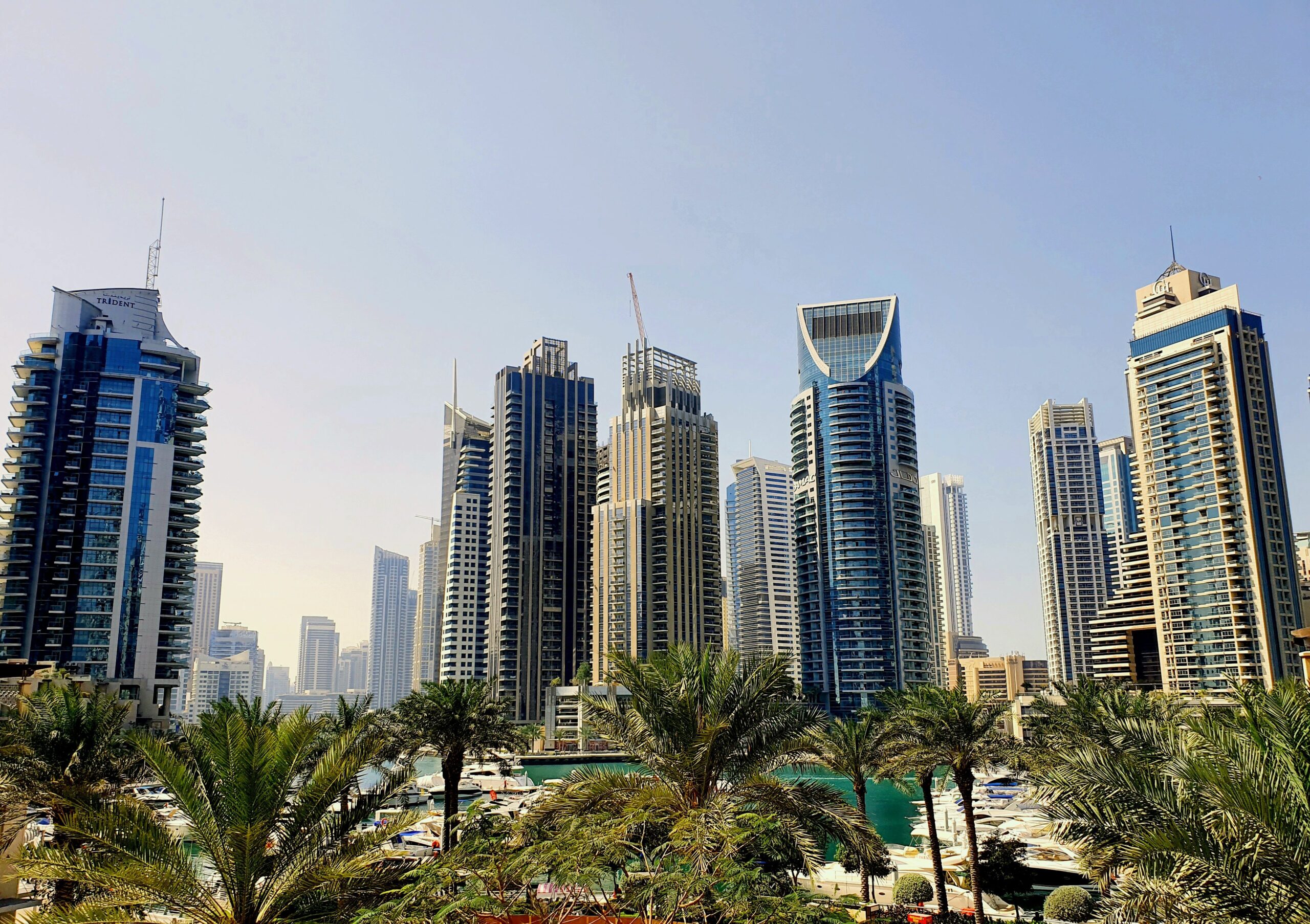
This is particularly relevant in destinations such as Phuket, Dubai, the French Riviera, the Bahamas and selected Mediterranean markets.
For property developers, the connection between luxury residences and yachting can also create opportunities to build integrated lifestyle communities.
Imagine a destination offering luxury villas, a private marina, restaurants, wellness facilities, concierge services and direct access to the sea.
For high-net-worth buyers, this type of environment can be considerably more attractive than purchasing an isolated luxury property.
The Cost of Yacht Ownership
While yacht ownership can be highly rewarding, it is important to understand that a yacht is not simply a luxury purchase.
Ownership involves ongoing expenses including:
- Crew
- Maintenance
- Insurance
- Marina fees
- Fuel
- Repairs
- Refits
- Management
- Registration
- Food and provisions
- Navigation and communication systems
Larger yachts can generate particularly significant operational expenditure.
This is why experienced owners increasingly examine the entire lifecycle of a yacht rather than focusing only on the purchase price.
Fraser’s 2026 Global Superyacht Market report specifically focuses on the relationship between cost, risk and enjoyment throughout the lifecycle of yacht ownership, alongside new-build sales, brokerage, ownership trends and charter performance.
Yachts as Lifestyle Assets Rather Than Traditional Investments
One of the most important distinctions in luxury yachting is the difference between an investment and a lifestyle asset.
A yacht can generate charter income in some circumstances, but ownership should not automatically be viewed as a traditional financial investment.
Depreciation, maintenance and operational expenses can be substantial.
For many owners, the real return comes from experiences: time with family, privacy, travel, entertainment and access to destinations that are difficult to experience in conventional ways.
This does not mean financial considerations are irrelevant.
Smart yacht buyers examine resale demand, build quality, shipyard reputation, maintenance history, charter potential and operating costs before making a purchase.
Technology and Sustainability
Technology is transforming the modern yacht.
Advanced navigation systems, satellite connectivity, automation, energy management and smart-home technology are becoming increasingly important.
At the same time, sustainability is becoming a more significant consideration.
Shipyards are exploring hybrid propulsion, improved energy efficiency, alternative fuels and technologies designed to reduce environmental impact.
For luxury consumers, sustainability does not necessarily mean sacrificing comfort.
The next generation of yachts is likely to combine high performance with greater efficiency and smarter energy management.
This could become increasingly important as environmental regulations evolve and wealthy consumers become more conscious of the environmental footprint associated with luxury travel.
What Does the Global Economy Mean for Yachting?
The current global economic environment is complex.
The IMF expects global growth of 3.0% in 2026 and 3.4% in 2027, but inflation remains elevated and geopolitical risks continue to create uncertainty.
For the yacht industry, this creates both challenges and opportunities.
Higher energy costs can increase yacht operating expenses. Currency movements can affect international purchases. Geopolitical instability can influence cruising destinations and insurance costs.
At the same time, continued wealth creation and strong demand for luxury experiences can support the market.
This is why the luxury yachting industry should not be judged solely by general economic indicators.
The spending behaviour of high-net-worth individuals can remain relatively resilient even when broader consumer confidence weakens.
The Future of Luxury Yachting Worldwide
The future of luxury yachting is likely to be defined by personalisation, technology, experience and global mobility.
The largest yachts will continue to attract attention, but there will also be strong demand for sophisticated vessels that are easier to operate, more efficient and designed around the individual owner’s lifestyle.
Charter will remain an important part of the market, allowing more people to access the yachting lifestyle without committing to ownership.
Destinations will also compete increasingly for yacht traffic by improving marinas, infrastructure, hospitality and luxury services.
For emerging destinations such as Southeast Asia, this creates a major opportunity.
Conclusion: Yachting Is Becoming a Global Luxury Ecosystem
Luxury yachting worldwide is no longer simply about owning an expensive boat.
It is a global ecosystem connecting wealth, tourism, real estate, hospitality, engineering, technology and international travel.
The economic environment in 2026 remains uncertain, but the luxury yacht market continues to show resilience. Industry data points to strong charter activity, continued investment and an evolving profile of yacht owners.
The most successful yacht destinations will increasingly be those that offer more than beautiful water. They will provide exceptional infrastructure, premium real estate, international connectivity, high-quality hospitality and memorable experiences.
From the Mediterranean to the Caribbean, Dubai, Thailand and the wider Asia-Pacific region, luxury yachting is becoming increasingly global.
For high-net-worth individuals, yacht ownership and charter offer something that few other luxury experiences can match: the freedom to travel the world in complete privacy while turning the journey itself into the destination.