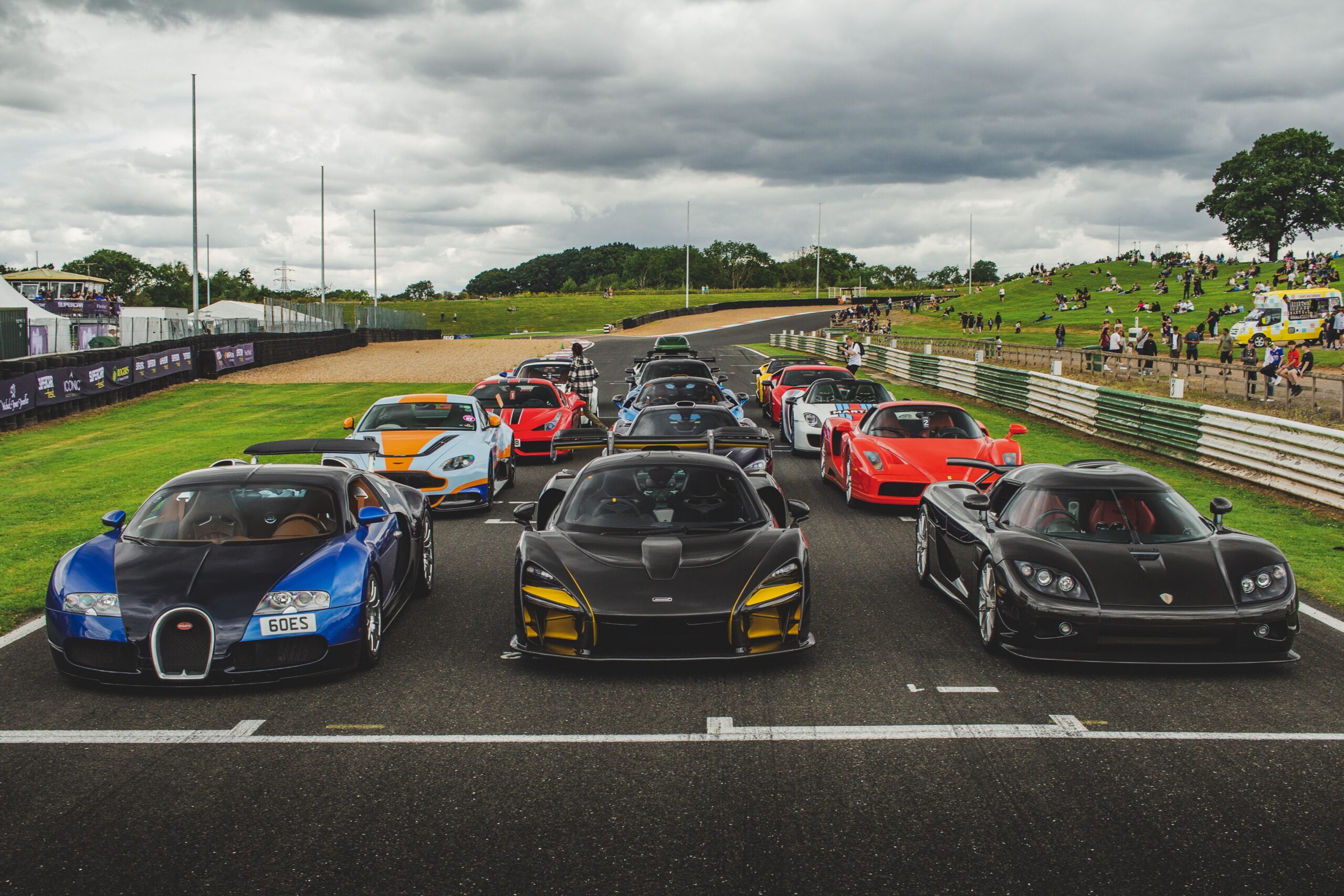
The pursuit of speed has driven automotive innovation for more than a century, resulting in today’s incredible production hypercars capable of exceeding 250 mph (402 km/h). Built using cutting-edge engineering, lightweight materials, powerful engines, and advanced aerodynamics, these machines represent the pinnacle of road-legal performance.
Manufacturers continue to compete for the prestigious title of producing the world’s fastest production car, constantly pushing technological boundaries while maintaining luxury, safety, and drivability.
This complete guide explores the world’s fastest production cars, how top speed is achieved, and the engineering behind these remarkable machines.
For leading automotive brands, speed represents engineering excellence, innovation, and prestige.
Modern hypercars showcase:
These vehicles often serve as technology showcases that influence future automotive development.
Several production vehicles have achieved legendary status for their extraordinary performance.
Among the fastest are:
*Some models have manufacturer-claimed performance targets or limited-production status.
These hypercars demonstrate the incredible progress of modern automotive engineering.
Not every high-speed prototype qualifies as a production vehicle.
Production cars generally must:
These requirements distinguish production vehicles from concept cars and racing prototypes.
Top speed often receives the most attention, but acceleration is equally important.
Performance measurements include:
Many modern electric hypercars achieve astonishing acceleration even if their top speeds are electronically limited.
Reaching speeds above 250 mph requires extraordinary engineering.
Critical technologies include:
Every component is optimized for maximum performance and stability.
Both powertrain technologies now compete at the highest levels.
Internal combustion advantages:
Electric hypercar advantages:
The future of hypercars increasingly combines both technologies through hybrid systems.
The world’s fastest production cars attract a unique clientele.
Typical buyers include:
Many owners view these vehicles as collectible works of engineering and design.
Several variables determine a car’s maximum speed.
Important factors include:
Achieving record-breaking speeds requires ideal testing conditions and meticulous preparation.
The next generation of production cars will continue pushing performance boundaries.
Future innovations may include:
As technology evolves, tomorrow’s hypercars are expected to become even faster while improving efficiency and safety.
The world’s fastest production cars represent the ultimate expression of automotive engineering, combining breathtaking speed with cutting-edge technology, luxury craftsmanship, and exceptional design. Whether powered by internal combustion engines, electric motors, or sophisticated hybrid systems, these hypercars continue to redefine what is possible on public roads.
For enthusiasts and collectors alike, these remarkable machines are more than transportation—they are symbols of innovation, performance, and the relentless pursuit of automotive excellence.
The title is actively contested among manufacturers. Models such as the Bugatti Chiron Super Sport 300+, Koenigsegg Jesko Absolut, SSC Tuatara, and Hennessey Venom F5 are among the fastest production cars ever built.
Many modern hypercars exceed 250 mph (402 km/h), with some manufacturers targeting speeds above 300 mph (483 km/h).
Most production hypercars are designed to be road legal, although availability and regulations vary by country.
Electric hypercars often accelerate more quickly due to instant torque, while gasoline-powered hypercars currently dominate the highest verified top-speed records.
They feature limited production, advanced engineering, lightweight materials, handcrafted construction, and cutting-edge performance technology.
Many hypercars are available only through invitation, allocation programs, or limited production runs, making ownership highly exclusive.
SUPERCARS
Continue Reading
Most Expensive Cars
Investing in Luxury Assets
Luxury Automotive Groups
Luxury Car Brands Accept Cryptocurrency
Supercars Branded Residence
Find Your Next Supercar
Explore an exceptional selection of high-performance supercars, rare collector vehicles, and iconic automotive masterpieces from the world’s leading brands.
At ZONEZI, brokers gain access to a curated portfolio of premium listings, while private owners enjoy unparalleled visibility within a global network of discerning buyers. We are committed to facilitating successful transactions in the world of luxury, driving growth, and creating valuable opportunities in the marketplace.