A diamond is more than a beautiful gemstone—it is a symbol of love, achievement, luxury, and timeless elegance. Whether you’re purchasing an engagement ring, an anniversary gift, an investment-grade stone, or a bespoke piece of fine jewelry, buying a diamond requires careful consideration and knowledge.
With countless shapes, sizes, grades, and certifications available, selecting the right diamond can seem overwhelming. Understanding what determines a diamond’s quality and value will help you make an informed decision while ensuring you receive the best possible stone for your budget.
This complete guide explains everything you need to know about buying a diamond, from understanding the famous 4Cs to choosing the right certification and maximizing long-term value.
Diamonds have remained one of the world’s most desirable gemstones for centuries due to their beauty, rarity, and durability.
Many people purchase diamonds for various reasons:
A high-quality diamond can become a treasured possession that lasts for generations.
The value and quality of a diamond are primarily determined by the internationally recognized 4Cs.
These include:
Understanding how these four factors work together allows buyers to compare diamonds more accurately rather than focusing on just one characteristic.
Many experts consider cut to be the single most important aspect of a diamond.
A well-cut diamond reflects light beautifully, creating maximum brilliance, fire, and sparkle.
Cut grades typically include:
Even a diamond with excellent color and clarity may appear less impressive if the cut quality is poor.
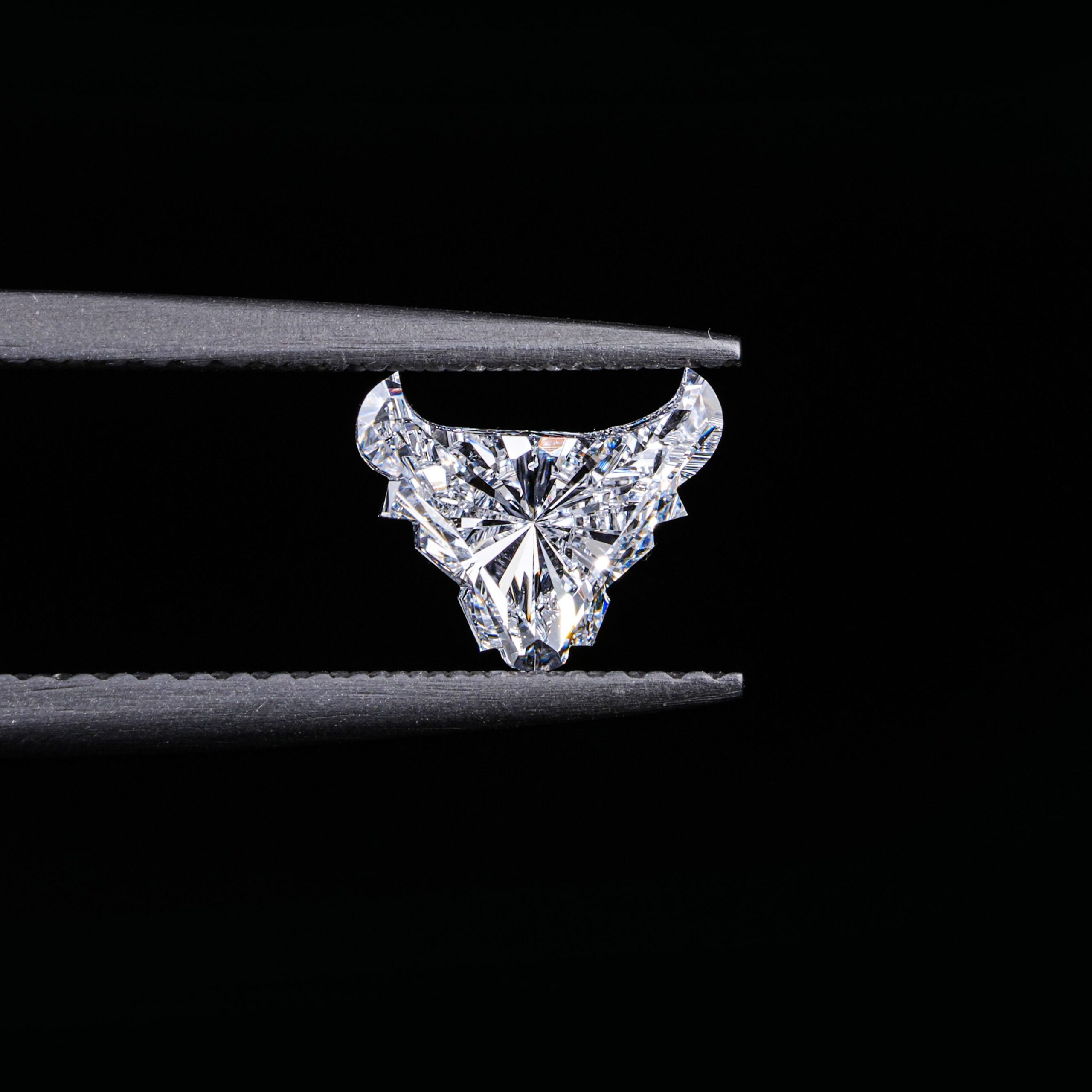
Diamond shape influences both appearance and pricing.
Popular diamond shapes include:
Round Brilliant diamonds remain the most popular due to their exceptional sparkle, while fancy shapes often offer greater size for the same budget.
Diamond color measures how colorless a diamond appears.
Most grading systems range from:
For most buyers, diamonds in the G–H range provide an excellent balance between appearance and value.
Clarity refers to the presence of natural internal inclusions and external blemishes.
Common clarity grades include:
Many VS and SI diamonds appear flawless to the naked eye while offering better value than higher clarity grades.
Carat measures a diamond’s weight rather than its physical size.
Popular carat weights include:
Remember that a well-cut diamond often appears larger and more brilliant than a heavier stone with inferior proportions.
Always purchase diamonds that include independent certification.
Leading certification laboratories include:
A grading report verifies the diamond’s quality, authenticity, and characteristics, providing buyers with greater confidence.
Diamonds are available across a wide range of price points.
Your budget should consider:
Rather than focusing solely on carat size, balancing the 4Cs often results in a more beautiful diamond within your budget.
Today’s buyers can choose between natural and lab-grown diamonds.
Benefits include:
Advantages include:
The right choice depends on your priorities, budget, and long-term goals.
Purchasing from a reputable jeweler helps ensure quality and authenticity.
Look for retailers that offer:
Established jewelers provide valuable guidance throughout the buying process.
A diamond should be viewed as both an emotional purchase and a long-term asset.
Factors influencing future value include:
Maintaining original documentation and certificates can enhance future resale opportunities.
Buying a diamond is one of life’s most meaningful purchases. Whether you’re celebrating a proposal, anniversary, or personal achievement, understanding the 4Cs, choosing certified stones, and purchasing from trusted professionals will help you make a confident decision.
Rather than simply selecting the largest diamond, focus on achieving the best overall balance of cut, color, clarity, and carat weight. A beautifully chosen diamond will provide lasting beauty, emotional significance, and timeless value for generations to come.
The 4Cs are Cut, Color, Clarity, and Carat Weight. Together, they determine a diamond’s overall quality and value.
The Round Brilliant Cut is widely regarded as the most brilliant and light-reflective diamond shape.
Natural diamonds are rarer and traditionally valued, while lab-grown diamonds offer the same appearance and durability at a lower price.
Yes. Independent certification from organizations such as GIA or IGI verifies a diamond’s authenticity and grading.
VS1, VS2, SI1, and many SI2 diamonds can provide excellent value while appearing eye-clean.
There is no fixed rule. Choose a budget that matches your financial goals while prioritizing cut quality and overall beauty over carat size alone.
Continue Reading
Investing in Luxury Assets
Luxury Watches: Iconic Timepieces
The Oldest Watch Brand in the World
Luxury Car Brands Accept Cryptocurrency
Supercars Branded Residence
At ZONEZI, brokers gain access to a curated portfolio of premium listings, while private owners enjoy unparalleled visibility within a global network of discerning buyers. We are committed to facilitating successful transactions in the world of luxury, driving growth, and creating valuable opportunities in the marketplace.