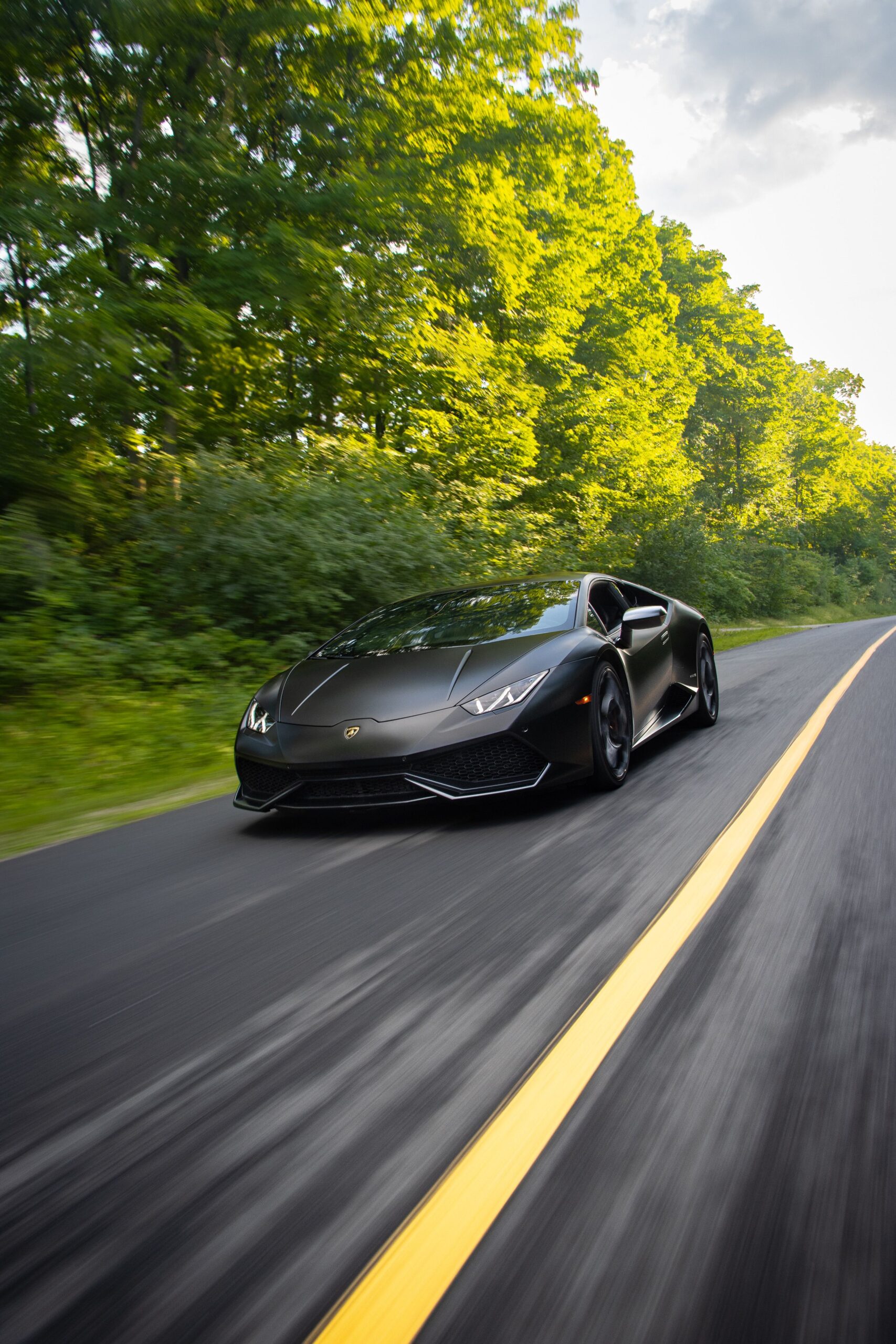
Super fast cars, including hypercars and high-performance sports cars, are capable of reaching speeds well beyond 300 km/h (186 mph). However, where you can actually use that performance depends entirely on national speed laws, road infrastructure, and enforcement systems.
While these cars are legal to own in most countries, their full performance can only be safely and legally experienced in very specific environments.
This guide explains where you can drive super fast cars and what speed limits apply worldwide.
Before looking at countries, it is important to understand a key fact:
No country allows unlimited speed everywhere.
Even in the fastest driving regions, speed is controlled by:
Super fast cars are designed for extreme capability, but legal systems prioritize safety over maximum performance.
Germany is the most famous country for high-speed driving due to its Autobahn system.
Typical conditions:
Why Germany stands out:
Limitation:
Typical highway speed limits:
Notable states for higher speeds:
Why the USA is important for super fast cars:
Limitation:
Typical speed limits:
Why it is popular:
Limitation:
Typical speed limits:
Why Italy stands out:
Limitation:
Typical speed limits:
Why it is relevant:
Limitation:
Typical speed limits:
Why it is useful:
Limitation:
Typical speed limits:
Important:
Why it matters:
Typical speed limits:
Why it is notable:
Limitation:
Even though hypercars can exceed 300 km/h, full performance is only possible in:
Public roads worldwide are speed-restricted regardless of vehicle capability.
Best countries for fast driving:
Strictest countries:
Super fast cars are legal in most countries, but their performance is controlled everywhere by law. Germany offers the closest experience to unrestricted high-speed driving, while other countries focus on safety, enforcement, and controlled road environments.
Ultimately, owning a super fast car is about engineering excellence and driving experience—not constant top-speed use on public roads.
Germany is considered the best due to unrestricted sections of the Autobahn.
No. Public roads in all countries have speed limits or traffic restrictions.
Only on private tracks, closed roads, or manufacturer test facilities.
Yes, most are street legal, but their speed is limited by law.
Germany has certain Autobahn sections without speed limits, but not all roads.
Continue Reading
Most Expensive Cars
Investing in Luxury Assets
Luxury Automotive Groups
Luxury Car Brands Accept Cryptocurrency
Supercars Branded Residence
World’s Fastest Production Cars
Find Your Next Supercar
Explore an exceptional selection of high-performance supercars, rare collector vehicles, and iconic automotive masterpieces from the world’s leading brands.
At ZONEZI, brokers gain access to a curated portfolio of premium listings, while private owners enjoy unparalleled visibility within a global network of discerning buyers. We are committed to facilitating successful transactions in the world of luxury, driving growth, and creating valuable opportunities in the marketplace.