ChatGPT

How Much to Charter a Private Jet in 2026? Real Prices

How much to charter a private jet in 2026? For most trips, the answer is somewhere between $5,000 and $30,000 one way for the whole aircraft. A short hop in a turboprop can come in under $5,000, a two-hour regional flight in a light jet usually lands between $10,000 and $20,000 all-in, and a coast-to-coast flight in a super-midsize jet typically runs $25,000 to $35,000. At the top end, an ultra-long-range jet on an intercontinental route starts around $90,000.

The hourly rate is the number everyone quotes first, but it is only ever 65 to 75 percent of the final invoice. Positioning, landing fees, crew costs and tax add 25 to 35 percent on a US domestic trip. This guide gives you the real numbers: hourly rates by aircraft class, what popular routes actually cost, the factors that move your quote up or down, the fees that surprise first-time charterers, and how empty legs can cut the price by more than half.

What Does Chartering a Private Jet Mean?

Chartering a private jet means renting a whole aircraft, with crew, for one specific trip. You pick the departure time, the airports and the aircraft, and the operator handles the flying. The price is for the entire aircraft, not per seat, so a full cabin can cost less per person than a last-minute first-class ticket.

There are four main ways to fly private, and the cost difference between them is large.

Way to fly privateHow it worksTypical cost
On-demand charterBook one trip at a time, pay per flight$2,000 to $20,000+ per hour
Empty legBuy a repositioning flight the jet has to fly anyway30 to 75% off a normal charter
Jet cardPrepay 25 to 50 hours at a fixed hourly rate$150,000 to $500,000+ upfront
Fractional ownershipBuy a share of a jet, pay monthly + hourly$500,000+ upfront, then monthly fees

On-demand charter is the most flexible option and the one this guide prices. A jet card suits people who fly 25 hours or more a year and want fixed rates. Fractional ownership only makes sense above roughly 50 hours a year. An empty leg is the cheapest way into a private jet, but only if your plans can bend to the jet’s schedule.

How Much to Charter a Private Jet per Hour

The single biggest cost driver is the size of the aircraft. Everything else — route, positioning, dates — comes second. The table below gives the hourly ranges the charter market actually quoted in 2026, taken across several independent published rate sheets.

Aircraft classExample modelsPassengersRangeTypical hourly rate (2026)
TurbopropPilatus PC-12, King Air 3504–8Up to ~1,800 nm$2,000–$3,500
Very light jetCitation Mustang, Phenom 1004–5Up to ~1,200 nm$2,500–$4,000
Light jetCitation CJ3+, Phenom 300, Learjet 756–81,500–2,000 nm$3,500–$5,200
Midsize jetHawker 800XP, Citation XLS+7–92,000–3,000 nm$4,700–$8,000
Super-midsize jetChallenger 350, Citation Latitude8–102,700–3,600 nm$6,000–$10,500
Heavy jetGulfstream G450, Falcon 90010–164,000–6,000 nm$8,000–$15,000
Ultra-long-range jetGulfstream G650ER, Global 750012–196,000–8,000+ nm$11,000–$20,000+

These rates are for flight time only. They do not include positioning, landing fees, taxes or crew costs, which is why a quote always comes in higher than rate times hours. A turboprop is the cheapest way to charter: a Pilatus PC-12 carries up to eight people into small airports that jets cannot use, at roughly half the hourly cost of a light jet. A light jet like the Phenom 300 is the workhorse of the charter market, fast enough for two-to-three-hour regional trips with six to eight passengers. Step up to a super-midsize jet like the Challenger 350 and you get a stand-up cabin and coast-to-coast range, at roughly double the light-jet rate. Heavy jets and ultra-long-range aircraft such as the Gulfstream G650ER are for transatlantic and intercontinental trips, with cabins that seat up to 19 people.

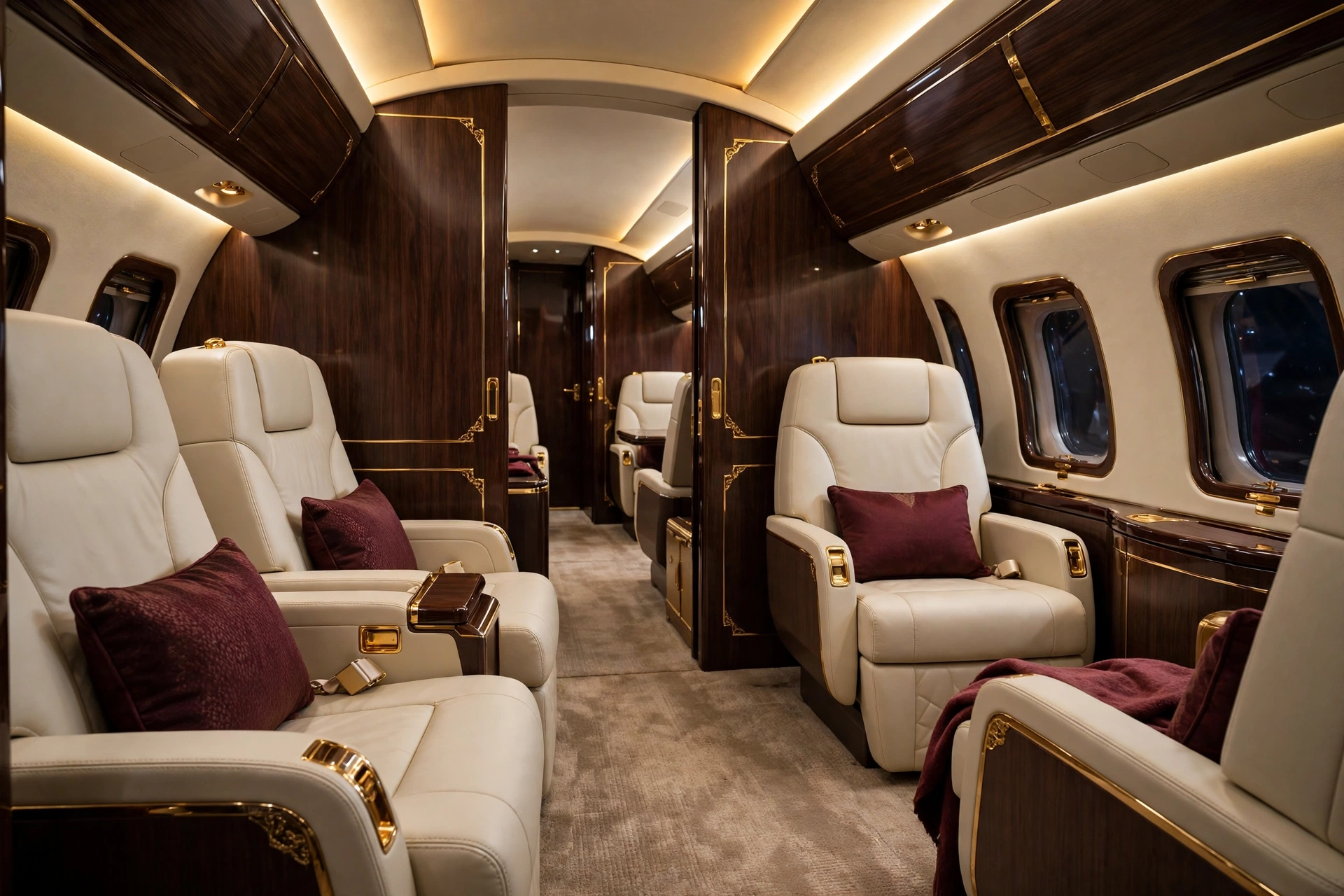
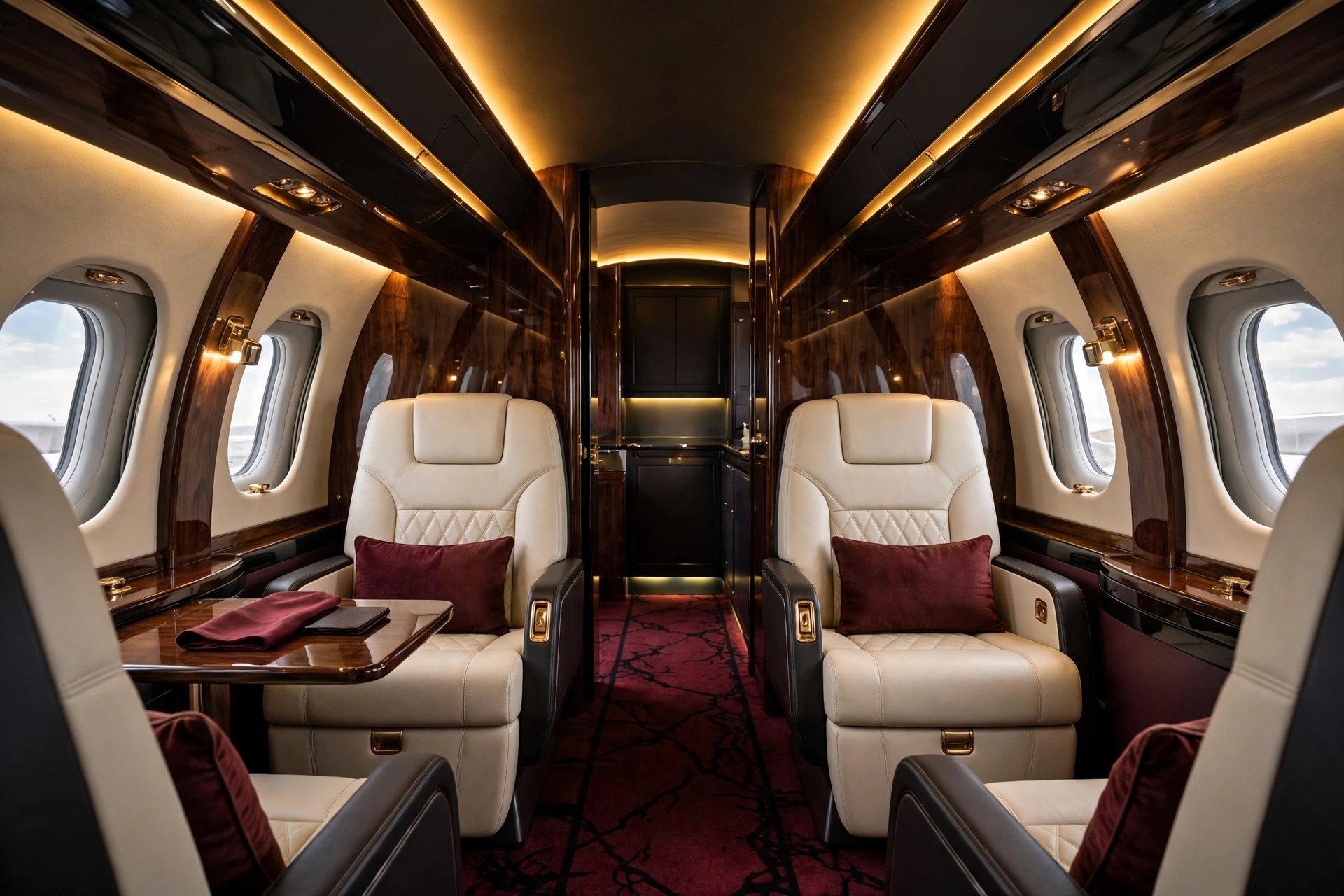
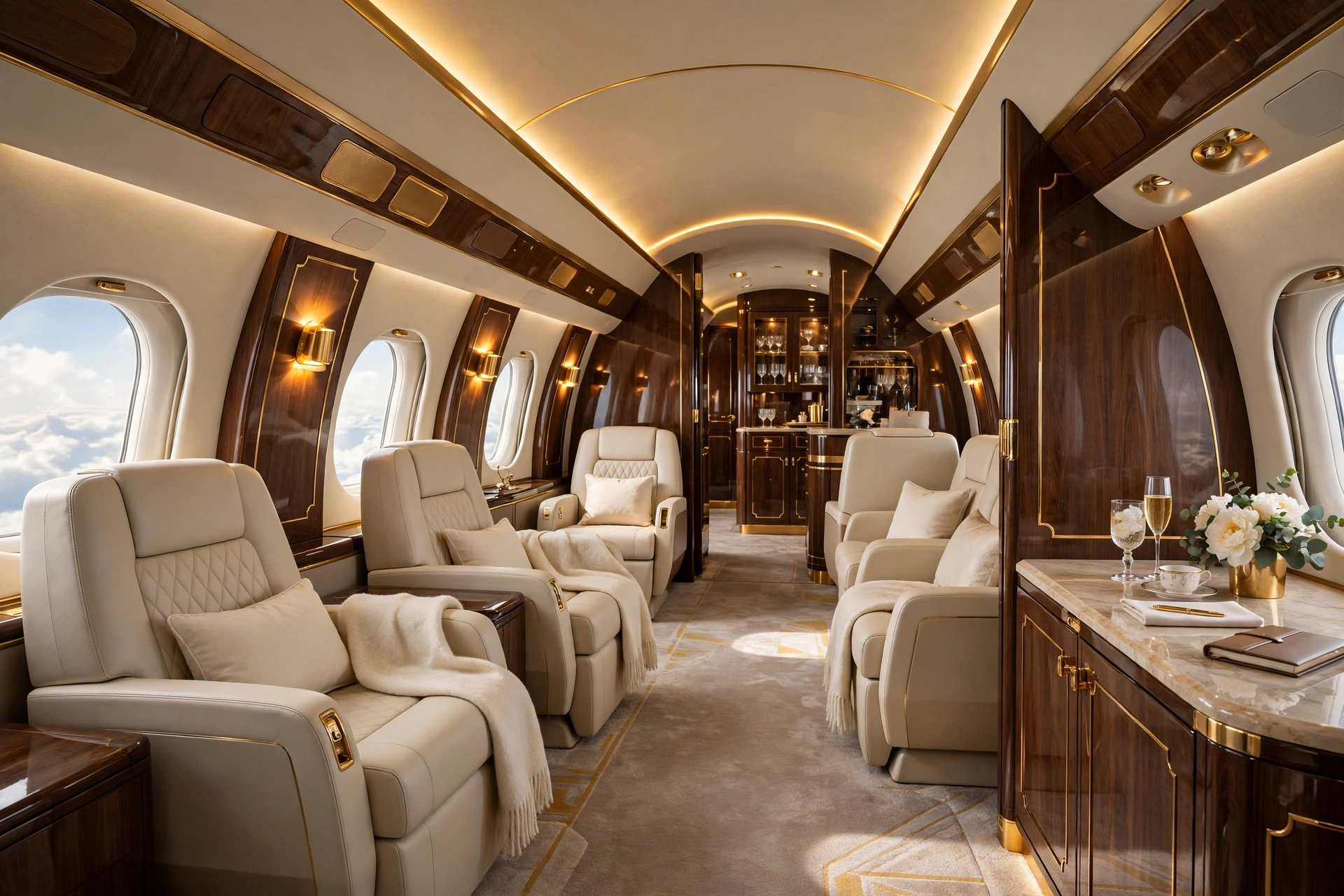
Luxury private jet cabin with burgundy leather seats and gold details

How Much to Charter a Private Jet by Route

Hourly rates only make sense once you turn them into a trip price. The table below shows estimated all-in costs for one-way charters on the most-flown US city pairs, from published March and October 2026 route guides. Prices can vary 15 to 20 percent with aircraft availability and season, and they exclude positioning where the jet is not based at your departure airport.

RouteFlight timeLight jetMidsize jetHeavy jet
New York to Miami~2.5 hours$12,000–$18,000$16,000–$24,000$28,000–$40,000
Los Angeles to Las Vegas~1 hour$6,000–$9,000$8,000–$12,000$14,000–$20,000
New York to Los Angeles~5.5 hours$17,000–$25,000$25,000–$35,000$49,000–$60,000
Chicago to Nashville~1.5 hours$8,000–$12,000$11,000–$16,000$23,000–$30,000
Miami to Nassau~1 hour$7,000–$11,000$10,000–$14,000$18,000–$25,000
London to Dubai~7 hours——$80,000–$120,000

Two rules of thumb fall out of these numbers. First, a light jet for a two-hour regional trip runs $6,000 to $12,000, while a super-midsize coast-to-coast flight is typically $25,000 to $35,000. Second, short flights carry a high fixed-cost share: a one-hour hop still pays for positioning, landing fees and crew, so the per-hour cost looks steep even though the total is small.

What Changes Your Quote

Two identical-looking trips can be quoted thousands of dollars apart. These are the factors that move the price.

Aircraft size. The class you choose sets the band, and it is the largest single lever. Dropping from a super-midsize to a light jet on a route both can fly nonstop can cut the hourly rate by almost half.

Positioning. If the jet is not based at your departure airport, you pay to move it there, and on a one-way trip you often pay for its return to base too. Repositioning typically adds around 20 percent to the flight cost. A round trip is usually cheaper per leg than two one-ways for exactly this reason.

Dates and timing. Peak days — holidays, major events, Friday evenings out of big cities — carry premiums, and booking with less than 48 hours’ notice narrows the choice of aircraft and pushes the price up. Booking about three weeks out is the sweet spot most route guides assume.

Airport choice. Big international airports charge higher landing and handling fees than smaller executive airports, and some charge for parking by the hour. Flying out of Teterboro instead of JFK, or Van Nuys instead of LAX, can save hundreds of dollars in fees and put you closer to the aircraft’s base.

Passengers and luggage. More passengers usually means a bigger cabin, and oversized luggage — golf clubs, skis, film equipment — can force a larger aircraft even when the headcount is small. Tell the broker exactly what you are bringing.

Catering and ground transport. Standard snacks and drinks are usually included. Hot catering, premium champagne and chauffeured cars are not, and they are billed on top.

The Hidden Costs in a Charter Quote

First-time charterers are rarely surprised by the hourly rate. They are surprised by everything around it. Budget an extra 15 to 25 percent on top of the flight cost for these.

  • Federal excise tax: 7.5 percent on US domestic charters, plus a per-passenger segment fee of $5.30 per passenger per segment in 2026.
  • Landing and handling fees: charged by the airport, higher at busy international airports.
  • Crew overnight costs: if the crew has to stay overnight, their hotel and daily allowance are billed to you.
  • Fuel surcharges: some quotes lock the fuel price, others pass through the difference.
  • De-icing: in winter, a single de-icing can cost several thousand dollars, and it is almost never in the headline rate.
  • Wi-Fi and catering upgrades: basic catering is included; premium food, drinks and high-speed Wi-Fi are extras.
  • Overnight and parking fees: if the aircraft waits for you at the destination, parking is charged by the day.

A serious broker lists every one of these on the quote. If a quote looks far cheaper than the others, check which of these it left out.

How to Charter a Private Jet for Less

Fly an empty leg. When a charter client books a one-way flight, the aircraft must fly back to base or reposition for its next booking. Operators sell that empty return flight at a discount, typically 30 to 75 percent off the standard charter rate. A published example puts a New York to Miami light jet empty leg near $8,000 against $18,000 or more for the standard charter. The catch is that the route, date and time are set by the aircraft’s schedule, and the flight can be cancelled if the original trip changes. Empty legs are most common on high-traffic routes such as New York to Florida and Los Angeles to Las Vegas.

Be flexible on dates and airports. Shifting a departure by a day, or flying out of a smaller airport near your city, can put you on an aircraft that is already positioned nearby and cut the repositioning charge.

Fill the cabin. Charter is priced per aircraft, not per seat. Six passengers splitting a $12,000 light-jet flight pay $2,000 each, which is less than a last-minute first-class ticket on the same route.

Book a round trip. One aircraft, one positioning move, two legs. A round trip is almost always cheaper per leg than two separate one-ways.

Consider a turboprop for short hops. On flights under two hours, a Pilatus PC-12 or King Air 350 is barely slower than a light jet and costs roughly half as much per hour.

Private jet flying above golden sunset clouds

How to Book a Private Jet Charter

Booking takes about four steps, and the whole process can be done in a day for a standard trip.

  1. Get three quotes. Give each broker the same details: route, dates, passengers, luggage and departure-time window. Compare the all-in totals, not the hourly rates.
  2. Check the operator. Ask for the operator’s name and safety ratings. Reputable operators hold ARGUS Gold or better, or Wyvern Wingman status.
  3. Read the quote line by line. Confirm what is included: positioning, taxes, landing fees, crew costs and catering. Ask specifically about de-icing and overnight charges if they apply.
  4. Confirm and pay. Most brokers take a deposit on booking and the balance before departure. Get the tail number, the crew details and the FBO address in writing before you travel.

If you are still deciding which aircraft fits your trip, browse the private jet listings on Zonezi to compare cabins, ranges and passenger counts before you ask for quotes. And if you are weighing chartering against buying, our guide to private jets for sale breaks down purchase prices by class.

Frequently Asked Questions

How much does it cost to charter a private jet for one hour?
Between about $2,000 and $20,000 per flight hour in 2026, depending on the aircraft class. Turboprops start near $2,000 an hour, light jets run $3,500 to $5,200, super-midsize jets $6,000 to $10,500, and ultra-long-range jets $11,000 to $20,000 or more.

How much is a private jet charter from New York to Miami?
A one-way New York to Miami charter costs roughly $12,000 to $18,000 in a light jet, $16,000 to $24,000 in a midsize jet and $28,000 to $40,000 in a heavy jet, before positioning and taxes. An empty leg on the same route can cost around $8,000.

Is it cheaper to charter a private jet round trip or one way?
Round trip is usually cheaper per leg. On a one-way charter you often pay for the aircraft to fly empty back to base, which typically adds around 20 percent to the flight cost.

What is the cheapest way to charter a private jet?
An empty leg, at 30 to 75 percent off the standard rate, is the cheapest way in. Short of that, a turboprop on a short route, a full cabin split between passengers, and flexible dates and airports all bring the price down.

Are taxes included in a private jet charter quote?
Not always. US domestic charters carry a 7.5 percent federal excise tax plus a $5.30 segment fee per passenger in 2026. Some brokers include tax in the headline price and some add it, so always ask whether the quote is tax-inclusive.

How far in advance should I book a private jet charter?
About three weeks is ideal for the best choice of aircraft and price. Same-week bookings are common and workable, but last-minute and peak-date trips cost more and offer fewer aircraft.

The Bottom Line

How much to charter a private jet comes down to three numbers: the hourly rate for the aircraft class you need, the flight time for your route, and the extras around the flight. A short regional hop in a light jet is a $10,000 to $20,000 trip. A coast-to-coast flight in a super-midsize jet is $25,000 to $35,000. An intercontinental trip in an ultra-long-range jet starts around $90,000. Get three all-in quotes for the same trip, check that positioning, fees and tax are all listed, and if your dates can flex, look for an empty leg first — it is the single biggest discount in private aviation.

24/11/2026No comments
Super Yacht for Sale: 2026 Guide to Prices, Sizes and Buying

A super yacht for sale in 2026 starts at around $1 million for a small pre-owned 24-metre yacht and runs past €240 million at the top of the market, where the 100.8-metre I Dynasty is currently the most expensive yacht listed for sale anywhere in the world. Between those two numbers sits a market of roughly 1,000 brokerage superyachts, from 30-metre family cruisers to 100-metre-plus floating hotels, and the difference between a good buy and a very expensive mistake is almost always the same thing: knowing what a yacht really costs to own, not just what it costs to buy.

This guide covers the super yachts actually for sale right now, what they cost by size, what it costs to run one, and how to buy safely through a broker.

What Counts as a Super Yacht?

A super yacht is generally defined as a luxury yacht of 24 metres (about 79 feet) or more, fully crewed and usually custom built. Vessels over 60 metres are often called mega yachts, and those over 100 metres are sometimes called giga yachts. The distinction matters because price, crew and running costs jump at each step, not gradually but in leaps: a 50-metre yacht does not cost twice as much as a 25-metre yacht, it costs five to ten times as much.

TermLengthTypical crewWhat it means for a buyer
Super yacht24–60 m4–20The main brokerage market; most listings sit here
Mega yacht60–100 m20–35Full custom builds, professional crew, marina limits apply
Giga yacht100 m+35–80A handful of yachts, rarely sold, effectively a private ship

Most buyers searching for a super yacht for sale are looking in the 24 to 50-metre range, where the choice is widest and the running costs are still manageable. That is where this guide spends most of its time.

The Most Expensive Super Yachts for Sale Right Now

The top of the market in November 2026 is led by a small group of yachts asking €100 million or more. Every figure below is a published asking price, not a sale price: asking prices are the start of a negotiation, and large yachts routinely sell below asking.

YachtLengthBuilder / YearAsking priceBroker
I Dynasty100.8 mKusch / 2015€240,000,000Merle Wood & Associates
Lady Lara91 mLurssen / 2015€230,000,000Merle Wood & Associates, Y.CO
Luna115 mLloyd Werft / 2010€200,000,000–€208,000,000Eastwind Yachts / Large Yacht Co
Energy77.8 mAmels / 2022€185,000,000Burgess, Fraser
Pelorus115 mLurssen / 2003€160,000,000Edmiston
Vanish71.5 mFeadship / 2021€148,000,000Burgess, Feadship Resale
Boardwalk V76.5 mFeadship / 2021€135,000,000Burgess, Y.CO
Synthesis74 mAmels / 2021€132,000,000Burgess, Torrance Yachts

I Dynasty: €240 million. The most expensive super yacht for sale in the world right now. The 100.8-metre Kusch build was delivered in 2015 and was the German yard’s second-largest yacht, behind only the 133.2-metre Al Mirqab. At that price she is not really competing with other yachts; she is competing with the handful of new builds a buyer could commission instead.

Lady Lara: €230 million. A 91-metre Lurssen delivered in 2015, on the market since September 2023, the first time she has been offered for sale since delivery. Lurssen is the builder behind most of the world’s largest yachts, and a ten-year-old Lurssen in good condition is one of the safest large purchases in the market.

Luna: €200–208 million. A 115-metre yacht from Lloyd Werft, a World Superyacht Awards winner inspired by a hammerhead shark, with a mast modelled on a dorsal fin. Two brokers list her at slightly different prices, which is common at this level: always confirm the current asking price with the listing broker before treating any figure as final.

Energy: €185 million. A 77.8-metre Amels delivered in 2022, one of the newest yachts in the top ten. She shows the other side of the market: a nearly new yacht from a top Dutch yard can ask almost as much as a much larger, older one, because age and condition matter as much as length.

Pelorus: €160 million. A 115-metre Lurssen from 2003, delivered as the 11th-largest superyacht in the world and the largest yacht Lurssen had built at the time. She is the reminder that a great hull from a great yard holds value for decades, but also that a 20-year-old yacht of this size carries refit costs a buyer must budget for.

For the full list, see BOAT International’s 50 most expensive yachts for sale now, updated in November 2026.

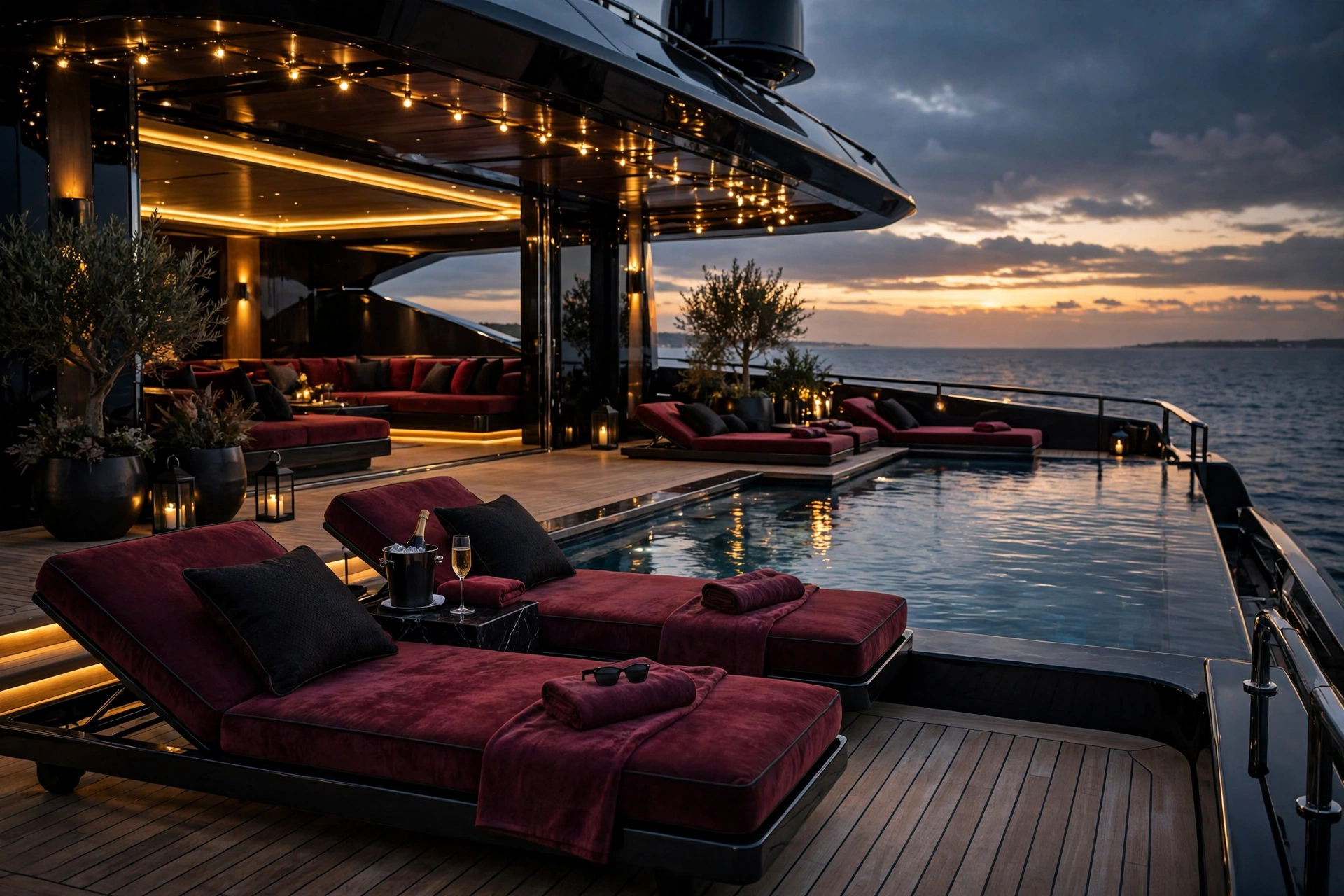
Luxury superyacht sun deck with infinity pool and burgundy cushions at dusk

Super Yacht Prices by Size

Below the headline yachts, prices fall into clear bands by size. The figures are 2026 market ranges for new builds and brokerage yachts, and they show how steeply the price climbs with length.

SizeNew buildPre-ownedTypical crew
24–30 m$3–15 million$1–8 million4–6
30–40 m$8–25 million$2–15 million6–9
40–50 m$15–50 million$5–30 million8–12
50–70 m$25–80 million$8–50 million12–20
70–100 m$60–200 million$25–100 million20–35
100 m+$150–500 million+$80–300 million+35–80

A 50-metre semi-custom Benetti starts at approximately €25 million, while a 50-metre fully custom Feadship will exceed €50 million. A fully custom new build is often estimated at around $1 million per 3.3 feet of length, and a 100-metre-plus custom yacht takes four to six years from contract to delivery.

The brokerage market offers a different value proposition. A five-year-old superyacht from a top-tier builder will typically sell for 40 to 65 percent of its original new-build cost, a reflection of depreciation, newer inventory, and the buyer’s need to survey and possibly refit. Early 2026 pricing reflects a market correction from the pandemic-era peak of 2021–2022, when demand outstripped supply and vessels sold within days at or above asking price. Buyers in 2026 have more room to negotiate than they have had in years.

Running Costs: What a Super Yacht Costs to Own

The purchase price is the entry fee; the running costs are the membership. The market’s long-standing rule is to budget about 10 percent of the yacht’s value per year, and for the largest yachts the real figure is higher: 12 to 15 percent above 50 metres, and 15 to 20 percent above 80 metres. Some managers put the honest range at 7 to 12 percent of the original new-build price, climbing as the vessel ages.

Annual costExample: $20 million yachtExample: $50 million yacht
Crew salaries and benefits$800,000–$1 million$2–3 million
Maintenance and repair$300,000–$400,000$750,000–$1.5 million
Fuel$200,000–$300,000$500,000–$1 million
Insurance$160,000–$200,000$400,000–$500,000

Crew is the biggest line, at 30 to 45 percent of the annual total. A 50-metre yacht usually employs 10 to 12 crew at $1 million to $2 million a year in salaries alone. A 30-metre yacht costs roughly $670,000 to $1.2 million a year to run, a 50-metre yacht $2.3 million to $4.1 million, and an 80-metre yacht $5 million to $9 million.

Insurance typically runs 0.5 to 1.5 percent of the agreed hull value a year. Berthing varies sharply by location: a summer berth in the western Mediterranean costs far more than a winter berth elsewhere, and utilities can add 20 to 30 percent on top. Management fees run roughly €36,000 to €96,000 a year for a 30 to 50-metre yacht.

Yachts also depreciate. The first year typically sees the largest adjustment, often around 10 percent, and after that depreciation settles at roughly 6 to 8 percent a year. A pre-owned yacht costs less to buy but the same to run, because running costs follow the yacht’s size and original build, not the price paid.

Aerial view of a superyacht cruising on open water at sunset

New vs Used: Which Super Yacht Should You Buy?

Buying new gives you a yacht built around your own programme, a full warranty, and the exact layout you want. The price is the highest, the wait is three to six years, and the boat loses the most value in its first year.

Buying used is how most first-time superyacht buyers get in. A two or three year old yacht can cost 20 to 40 percent less than new, with most of its life still ahead of it. The risk is condition: a badly kept yacht hides very expensive problems, and at this size there are far more systems to check than on a smaller boat.

For a used super yacht, five checks matter most. First, a full out-of-water survey by a surveyor who knows large yachts, including a hull and machinery inspection. Second, the maintenance and refit history: a yacht due a major refit is not the bargain it looks like. Third, engine hours and service records for every engine and generator. Fourth, the crew: a good captain and chief engineer who know the boat are worth more than any discount. Fifth, a sea trial in real conditions, so you can feel how the yacht handles and hear how the machinery runs.

If a seller will not allow a survey or a sea trial, walk away. There is always another yacht.

How to Buy a Super Yacht

First, define your programme honestly. Write down how many people usually cruise with you, where you will cruise, and whether the yacht is for private use, charter income, or both. A 50-metre yacht bought for weekend sailing that mostly carries four people is the wrong boat.

Second, choose new or used. If you want the yacht built around you and can wait three to six years, commission a new build. If you want to cruise next season, buy used and spend the saving on the refit.

Third, set a real budget. Include the purchase price, tax, delivery, insurance, berthing, and at least a year of running costs at 10 percent of the yacht’s value. If the total is more than you are comfortable with, drop down one size rather than stretching.

Fourth, shortlist two or three yachts, not ten. Go aboard them if you can. An interior layout you do not enjoy is a very expensive mistake, and you will spend far more time in the saloon than on the helm.

Fifth, hire a buyer’s broker and a surveyor, and use both. The broker negotiates and checks the paperwork; the surveyor checks the boat. Neither works for the seller. A good buyer’s broker costs you nothing directly, as the commission is usually paid from the seller’s side, and the saving they negotiate usually covers their fee many times over.

Sixth, check the paperwork properly. Registration, VAT or tax status, number of owners, damage history, and whether the yacht has any outstanding finance. Get insurance quotes before you commit, not after, because quotes vary a lot between yacht models and cruising areas.

If you are still deciding which yacht fits you, browse the current yachts for sale on Zonezi and compare real yachts side by side, with prices, specifications, and layouts.

Frequently Asked Questions

What is a super yacht?
A luxury yacht of 24 metres (about 79 feet) or more, fully crewed and usually custom built. Yachts over 60 metres are often called mega yachts, and those over 100 metres are sometimes called giga yachts.

How much does a super yacht cost?
From around $1 million pre-owned for a small 24-metre yacht to more than €240 million for the most expensive yacht currently for sale, the 100.8-metre I Dynasty. A typical 30 to 40-metre pre-owned superyacht costs $2 million to $15 million, and a 50-metre yacht costs $8 million to $50 million pre-owned.

What is the most expensive super yacht for sale right now?
I Dynasty, a 100.8-metre Kusch yacht delivered in 2015, asking €240 million with Merle Wood & Associates. Lady Lara follows at €230 million and Luna at around €200 million.

How much does it cost to run a super yacht per year?
Budget about 10 percent of the yacht’s value per year, rising to 12 to 15 percent above 50 metres. A 30-metre yacht costs roughly $670,000 to $1.2 million a year to run, a 50-metre yacht $2.3 million to $4.1 million, and an 80-metre yacht $5 million to $9 million. Crew is the largest cost, at 30 to 45 percent of the total.

Is it better to buy a new or used super yacht?
Used is how most first-time buyers get in: a two or three year old yacht can cost 20 to 40 percent less than new. New makes sense only if you want the yacht built around you and can wait three to six years. Either way, get a full survey and a sea trial before you pay.

Do I need a broker to buy a super yacht?
You are not legally required to use one, but you should. A buyer’s broker negotiates the price, checks the paperwork and the yacht’s history, and usually costs you nothing directly, as the commission is paid from the seller’s side. Never rely on the seller’s broker alone.

The Bottom Line

A super yacht for sale in 2026 starts at around $1 million and runs past €240 million, with the widest choice in the 24 to 50-metre range. The most expensive yachts on the market right now are I Dynasty at €240 million, Lady Lara at €230 million and Luna at around €200 million, but the real market for most buyers is a 30 to 50-metre yacht at $2 million to $50 million pre-owned.

The price is only the start. Allow 10 percent of the yacht’s value per year to run it, and 12 to 15 percent above 50 metres, and remember that a pre-owned yacht costs less to buy but the same to run. Define your programme, survey before you pay, and prefer yachts with complete records. If you are ready to look, start with the yachts for sale on Zonezi and see what is available right now.

23/11/2026No comments
Private Jet Charter Cost in 2026: Full Price Breakdown

Private jet charter cost in 2026 runs from about $2,000 an hour for a small turboprop to more than $20,000 an hour for an ultra-long-range jet, and most one-way domestic trips fall between roughly $7,000 and $65,000 for the whole aircraft. The hourly rate is only the starting point: positioning, taxes and airport fees typically add 25 to 35 percent on top of it.

This guide breaks down the real private jet charter cost: hourly rates by aircraft class, what popular routes actually cost, the hidden fees that surprise first-time charterers, how empty legs can cut the price by half or more, and how to book without overpaying.

What Is a Private Jet Charter?

A private jet charter means renting a whole aircraft, with crew, for a specific trip, instead of buying a jet or owning a share of one. You choose the departure time, the airports, and the aircraft, and the operator handles the flying. The price is for the entire aircraft, not per seat, so a full cabin can cost less per person than a last-minute first-class ticket.

There are four main ways to fly private, and the cost difference between them is large.

On-demand charterBook one trip at a time, pay per flight$2,000 to $20,000+ per hour
Empty legBuy a repositioning flight the jet has to fly anyway30 to 75% off a normal charter
Jet cardPrepay 25 to 50 hours at a fixed hourly rate$150,000 to $500,000+ upfront
Fractional ownershipBuy a share of a jet, pay monthly + hourly$500,000+ upfront, then monthly fees

On-demand charter is the most flexible option and the one this guide prices. A jet card suits people who fly 25 hours or more a year and want fixed rates. Fractional ownership only makes sense above roughly 50 hours a year. An empty leg is the cheapest way into a private jet, but only if your plans can bend to the jet’s schedule.

Private Jet Charter Cost by Aircraft Class

The single biggest cost driver is the size of the aircraft. Everything else — route, positioning, dates — comes second. The table below gives the hourly ranges the charter market actually quoted in 2026, taken across four independent published rate sheets.

Aircraft classExample aircraftSeatsRangeHourly rate
TurbopropPilatus PC-12, King Air 3504–8Up to ~1,800 nm$1,800–$3,500
Very light jetCitation Mustang, Phenom 1004–5Up to ~1,200 nm$2,500–$4,000
Light jetCitation CJ3+, Phenom 300, Learjet 756–81,500–2,000 nm$3,500–$5,200
Midsize jetHawker 800XP, Citation XLS+7–92,000–3,000 nm$4,700–$8,000
Super-midsize jetChallenger 350, Citation Latitude8–102,700–3,600 nm$6,000–$10,500
Heavy jetGulfstream G450, Falcon 90010–164,000–6,000 nm$8,000–$15,000
Ultra-long-range jetGulfstream G650ER, Global 750012–196,000–8,000+ nm$11,000–$20,000+
Private jet cabin with cream leather seats, dark wood and gold fittings

These rates are for flight time only. They do not include positioning, landing fees, taxes or crew costs, which is why a quote always comes in higher than rate times hours. A turboprop is the cheapest way to charter: a Pilatus PC-12 carries up to eight people into small airports that jets cannot use, at roughly half the hourly cost of a light jet. A light jet like the Phenom 300 is the workhorse of the charter market, fast enough for two-to-three-hour regional trips with six to eight passengers. Step up to a super-midsize jet like the Challenger 350 and you get a stand-up cabin and coast-to-coast range, at roughly double the light-jet rate. Heavy jets and ultra-long-range aircraft such as the Gulfstream G650ER are for transatlantic and intercontinental trips, with cabins that seat up to 19 people.

Private Jet Charter Prices by Route

Hourly rates only go so far. Here is what whole trips actually cost one-way in 2026, for the full aircraft, based on published broker pricing reviewed in October and November 2026.

RouteAircraftFlight timeOne-way price
Los Angeles–Las VegasLight jet~1 hour$7,000–$13,000
New York–MiamiLight jet~2.5–3 hours$12,000–$20,000
Chicago–New YorkLight jet~2 hours$14,800–$20,600
New York–Los AngelesSuper-midsize jet~5.5 hours$38,000–$60,000
New York–LondonHeavy / ultra-long-range jet~6.5–7.5 hours$75,000–$145,000

Short hops look expensive per minute because of minimums and positioning. Los Angeles to Las Vegas is under an hour in the air, yet a light jet commonly costs $7,000 to $13,000 one-way: the flight is often billed at 1.5 to 2 hours once taxi time and the daily minimum are counted. On the busiest corridor in the country, New York to Miami, a light jet runs about $12,000 to $20,000 one-way, or roughly $18,600 to $25,900 all-in, according to the Stratos Jets’ pricing page for November 2026. Coast to coast, New York to Los Angeles on a super-midsize jet is about $38,000 to $60,000 one-way, and New York to London on a heavy or ultra-long-range jet is $75,000 to $145,000.

The Hidden Costs: What the Hourly Rate Leaves Out

The hourly rate is usually only 65 to 75 percent of the final invoice. The rest is a dozen separate charges, and on a simple domestic trip they add 25 to 35 percent. These are the ones to check on every quote.

Positioning (repositioning). Charter aircraft do not live at your airport. The operator flies the jet empty to collect you, and often flies it empty home again afterwards, and you pay for that time at or near the live hourly rate. This is the largest hidden cost in charter, and it is why one-way trips are disproportionately expensive. Choosing an aircraft based near your departure airport is the single best way to cut it.

Daily minimums. Most operators bill a minimum number of hours per day the aircraft is yours, whether or not you fly them: typically 1 to 1.5 hours for a turboprop, 1.5 to 2 hours for a light jet, 2 hours for a midsize or super-midsize jet, and 2.5 to 3 hours for a heavy jet. Fly 45 minutes each way over three days and you may be billed for six hours.

Federal excise tax. US domestic charter carries a 7.5 percent federal excise tax on the amount paid for transportation, set by statute and not negotiable. There is also a domestic segment fee of about $5.30 per passenger per flight segment in 2026. Not all quotes include the tax, so always ask.

Landing, ramp and handling fees. Airports charge landing fees based on aircraft weight, typically $75 to $1,200 per landing, and FBOs charge handling or ramp fees of $150 to $1,500 per movement. These are often reduced or waived if the aircraft buys fuel.

Crew overnight costs. When the crew stays overnight away from base, expect $250 to $600 per crew member per night for hotel and meals, or $400 to $1,200 per night for the crew as a whole. On a multi-day trip this adds up fast.

De-icing. In winter, frost, snow or ice must be removed before takeoff. De-icing is billed at cost, typically $400 to $4,500 per event, and it is usually charged after the flight because the need is not known in advance.

Fuel surcharge and catering. Some operators add a fuel surcharge of up to 12 percent of the flying cost when fuel prices rise above a benchmark. Catering runs from about $50 for basic snacks to several hundred dollars for a full meal service.

Put together, a New York to Miami light-jet trip quoted at $4,500 an hour for 2.8 hours is $12,600 of flying time, but positioning, landing and handling, crew costs and the 7.5 percent tax can push the real invoice toward $18,000 to $24,000. Always ask for an all-in quote in writing before you pay.

Empty Legs: The Cheapest Way to Charter

An empty leg is a private jet flight with no passengers aboard, sold at a discount because the aircraft has to make the trip regardless. After a one-way charter, the jet flies home or to its next job empty, and the operator sells that flight instead of flying it empty. Discounts commonly run 30 to 75 percent below the equivalent full charter.

RouteFull charter, one wayTypical empty leg
New York–Miami$12,000–$18,000$3,500–$8,500
Los Angeles–Las Vegas$7,000–$12,000$2,000–$5,500
London–Nice$10,000–$17,000$3,000–$8,000
London–Dubai (heavy jet)~$130,000~$48,000

The catch is flexibility. The route, date and departure time are fixed by the jet’s schedule, not yours, and roughly 10 to 15 percent of booked empty legs are cancelled when the paying trip changes. The deepest discounts appear in the final 48 to 72 hours before departure. If your dates can move and you are flying one way with a full cabin, an empty leg can cost less per person than a commercial first-class ticket. If your schedule is fixed, book a normal charter instead.

Charter vs Jet Card vs Buying: Which Is Cheaper?

Chartering is the cheapest way to fly private occasionally. The maths changes once you fly regularly.

A jet card locks in a fixed hourly rate and guaranteed availability, but you prepay 25 to 50 hours upfront, usually $150,000 to $500,000 or more, and unused hours can expire. It suits travellers flying 25 hours or more a year who value predictable pricing over the lowest price.

Fractional ownership means buying a share of a specific aircraft type, paying monthly management fees plus an occupied hourly rate. Entry starts around $500,000, and it only beats chartering above roughly 50 hours a year.

Buying a private jet outright is a different decision entirely: a light jet costs several million dollars to buy, plus roughly $500,000 to $1 million a year to run. Chartering that same aircraft costs a fraction of that unless you fly more than 150 to 200 hours a year. For almost everyone, chartering — or an empty leg — is the cheaper way to fly private.

How to Book a Private Jet Charter

Private jet flying above golden clouds at sunset

Booking a charter is simple once you know the steps, and following them in order avoids the common mistakes.

  1. First, define the trip: dates, passengers, luggage, departure and arrival airports, and whether it is one-way or a round trip. The aircraft class follows from the distance and the passenger count, not the other way round.
  2. Second, get quotes from two or three brokers or operators, not one. Ask each one for the same trip, and ask for the all-in price in writing: flying time, positioning, landing and handling fees, crew costs, catering, tax and segment fees. A quote that looks cheap often hides the extras.
  3. Third, check the operator. Ask for the operator’s safety ratings (ARGUS or Wyvern), the aircraft’s age and registration, and whether the quote is for a specific tail number or a category. A reputable broker will answer all three without hesitation.
  4. Fourth, read the cancellation terms before you pay. Charter cancellation policies vary widely: some allow a full refund up to 72 hours before departure, others charge a percentage once the aircraft is confirmed. Know the deadline in writing.
  5. Fifth, confirm the details the day before: departure airport and FBO, arrival time at the terminal (usually 15 to 30 minutes before departure), luggage limits, and catering. Private terminals have no queues, but the aircraft still leaves on schedule.

If you are still deciding what kind of jet fits your trip, the best next step is to look at what is actually available. Browse the current private jets on Zonezi and compare real aircraft side by side, with prices, sizes and locations.

Frequently Asked Questions

How much does it cost to charter a private jet?

In 2026, private jet charter cost runs from about $1,800 to $3,500 an hour for a turboprop to $11,000 to $20,000 or more an hour for an ultra-long-range jet. Most one-way domestic trips cost $7,000 to $65,000 for the whole aircraft, depending on the route and aircraft size.

How much does it cost to charter a private jet from New York to Miami?

A light jet from New York to Miami costs about $12,000 to $20,000 one-way, or roughly $18,600 to $25,900 all-in on published November 2026 broker pricing. The flight takes about 2.5 to 3 hours. An empty leg on the same route can cost $3,500 to $8,500.

What is the cheapest private jet to charter?

A turboprop such as the Pilatus PC-12 is the cheapest aircraft to charter, at about $1,800 to $3,500 an hour. For short regional trips it carries up to eight passengers into small airports. An empty leg on any aircraft class is usually cheaper still, at 30 to 75 percent off a normal charter.

What is an empty leg flight?

An empty leg is a private jet flight that has to fly without passengers, usually to return to base or to collect its next client. The operator sells the seats at a discount of 30 to 75 percent. The route and time are fixed, and about 10 to 15 percent of booked empty legs are cancelled if the paying trip changes.

Are there hidden fees in private jet charter?

Yes. The hourly rate is usually only 65 to 75 percent of the invoice. Positioning flights, daily minimums, the 7.5 percent US federal excise tax, landing and handling fees, crew overnight costs, de-icing and fuel surcharges add 25 to 35 percent on a typical domestic trip. Always ask for an all-in quote in writing.

Is it cheaper to charter a jet or buy one?

Chartering is cheaper unless you fly more than roughly 150 to 200 hours a year. Buying a light jet costs several million dollars upfront plus around $500,000 to $1 million a year in running costs, while chartering the same aircraft costs a fraction of that for occasional trips.

The Bottom Line

Private jet charter cost in 2026 starts at about $1,800 an hour for a turboprop and rises past $20,000 an hour for an ultra-long-range jet, with most domestic one-way trips landing between $7,000 and $65,000. The hourly rate is only part of the price: positioning, daily minimums, the 7.5 percent federal excise tax and airport fees add 25 to 35 percent, so always get the all-in figure in writing.

If your dates are flexible, an empty leg is the best value in private aviation at 30 to 75 percent off. If they are not, compare two or three all-in quotes, pick an aircraft based near your departure airport to cut positioning, and book early on busy routes. If you are ready to look, start with the private jets on Zonezi and see what is available right now.

23/11/2026No comments
How Much to Rent a Yacht in 2026? Prices by Size and Week

How much to rent a yacht? The honest answer is that it depends on the size of the yacht, whether you want a crew, where you sail, and when you go. A bareboat sailing yacht can cost under $2,000 a week in low season, while a large superyacht can cost more than $1 million a week before extras.

This guide explains the real cost to rent a yacht in 2026: weekly prices by yacht size, what a day charter costs, the extra charges most first-timers miss, and how to book without overpaying.

What Is a Yacht Charter?

A yacht charter means renting a yacht for a set time, usually a day or a week, instead of buying one. You choose the yacht, the dates, and the destination, and the charter company handles the boat. There are four main types, and the type you pick changes the price more than anything else.

Charter typeWhat you getTypical weekly price
BareboatJust the yacht, no crew. You sail it yourself.$1,885 to $24,000+
SkipperedYacht plus a professional skipper. You help with sailing or just relax.$1,500 to $12,000+
CrewedFull crew: captain, chef, steward and deckhands.$13,000 to $60,000+
Day charterA few hours to a full day, usually with crew.$125 to $1,600+ per hour

A bareboat charter is the cheapest way to spend a week on a yacht, but you need a sailing licence and real experience. Most charter companies ask for proof before they hand over the keys. A skippered charter is the middle ground: you get a professional at the helm and still keep the freedom of a bareboat trip. A crewed charter is the full luxury version, with a chef cooking your meals and a crew looking after everything.

Day charters are a different product. They are priced by the hour, not the week, and they suit a birthday, a proposal, or a single afternoon on the water rather than a holiday.

How Much to Rent a Yacht: Prices by Size

Yacht charter prices are almost always quoted per week, for the whole yacht, not per person. Split between six to ten guests, a mid-range charter can cost less per person per night than a good hotel room.

Yacht sizeTypeAverage weekly priceCost per day
Mini (20–30 ft)MotorAround $23,000Around $3,270
Small (30–60 ft)MotorAround $29,000Around $4,200
Small (30–60 ft)SailAround $33,000Around $4,700
Mid-size (60–80 ft)Motor or sail$39,000 to $48,000$5,500 to $6,800
Luxury motor yacht (10–15 m)Crewed€7,000 to €20,000 (high season)€1,000 to €2,850
Superyacht (20 m+)Crewed€30,000 to €100,000+ (high season)€4,300 to €14,000+
Large superyacht (35–50 m)Crewed€150,000 to €350,000+€21,000 to €50,000+

These figures come from Yacht.com’s analysis of more than 2,500 real charter yachts, CharterIO’s 2025–2026 price guide, and Silver Star Yachting’s Mediterranean rate guide, checked in November 2026. Prices move with the season: the same yacht can cost twice as much in August as it does in May.

In the Mediterranean, a crewed 20 to 25 metre motor yacht typically charters for €25,000 to €60,000 a week, a 25 to 35 metre motor yacht for €45,000 to €90,000, and a 35 to 50 metre superyacht from €150,000. A sailing yacht of 20 to 30 metres runs €20,000 to €65,000 a week, and a catamaran of 18 to 21 metres €30,000 to €60,000.

At the top end, the numbers get very large. Current 2026 listings include an 88-metre yacht from €1.2 million per week, and elite superyachts can exceed $1 million a week before expenses.

Yacht sundeck with cream cushions and gold fittings at sunset

Yacht Rental Prices by Charter Type

The size table tells only half the story. The other half is what kind of charter you book, because the same 40-foot yacht can cost very different amounts depending on who is on board.

A bareboat sailing yacht of 10 to 12 metres costs roughly €700 to €1,500 a week in low season and €1,400 to €3,500 in high season. A bareboat catamaran of 12 to 14 metres runs €1,800 to €3,500 in low season and €3,500 to €7,000 in high season. These are the cheapest weekly yacht holidays on the market, and they are the reason sailing holidays in Greece and Croatia are so popular.

Add a skipper and the price rises. A skippered sailboat costs about €1,500 to €3,500 a week in low season and €3,000 to €6,500 in high season. A skippered catamaran runs €3,000 to €6,500 in low season and €6,000 to €12,000 in high season. The skipper usually costs a few hundred euros a day on top of the boat, and you feed them too.

A traditional gulet, the wooden sailing yacht common in Turkey and Greece, costs about €2,500 to €5,000 a week in low season and €5,000 to €12,000 in high season for 8 to 12 guests. Gulets are one of the best-value ways to charter with a crew.

A crewed luxury holiday is the expensive end. Professionally crewed yacht vacations commonly start around $13,000 to $60,000 a week at the accessible end, luxury crewed motor yachts commonly run $50,000 to $500,000 a week, and large superyachts run $300,000 to $1 million or more a week.

Day charters sit in their own price band. In the United States, current listings range from roughly $125 to $1,600 or more per hour for a private yacht, depending on size, passenger capacity, day of the week, and whether the captain, fuel, and gratuity are included. A small yacht for a four-hour afternoon can cost under $1,000, while a large luxury yacht for a full day can cost $10,000 or more.

The Extra Costs: APA, Tax, Fuel and Tips

The weekly charter fee is not the total cost. On a crewed charter, the real budget is usually 50 to 65 percent higher than the quoted rate, and first-time charterers are often surprised by it.

The biggest extra is the APA, the Advance Provisioning Allowance. This is a cash advance you pay before the trip, usually 30 to 35 percent of the charter fee, that covers fuel, food, drinks, port fees, and other running costs during the trip. The crew accounts for every euro, and anything unspent is returned to you at the end. On a €100,000 charter, the APA alone is around €35,000.

Then there is tax. In the Mediterranean, VAT on charters is commonly around 22 percent in Italy, and it varies by country and by where the yacht is registered. Some charters quote the fee plus VAT, so always ask whether the price includes tax.

Fuel is the next big item, and it comes out of the APA. A motor yacht cruising at speed burns a lot of fuel, so a week of fast cruising costs far more in fuel than a week of slow sailing. A sailing yacht or a catamaran under sail uses very little fuel by comparison.

Finally, there is the crew tip. The standard is around 10 percent of the charter fee, paid in cash at the end of the trip if the service was good. It is not compulsory, but it is expected on crewed charters.

Put it together and the numbers look like this: a $100,000 Mediterranean charter realistically needs a total budget of around $150,000 to $167,000, depending on the itinerary, tax, and how much you spend on board. Always ask for the full cost breakdown in writing before you pay a deposit.

Bareboat vs Crewed: Which Charter Is Right for You?

Choosing between bareboat and crewed comes down to three things: experience, budget, and what you want from the week.

A bareboat charter suits experienced sailors who want freedom and a low price. You plan your own route, cook your own meals, and sail the boat yourself. The price is the lowest, but so is the comfort: there is no chef, no one cleans the cabins, and you are responsible for the yacht.

A skippered charter suits sailors who want to relax a little, and non-sailors who still want the sailing experience. The skipper handles navigation, anchoring, and the boat, while you help as much or as little as you like. It costs more than bareboat, but it removes the biggest risk: an inexperienced crew damaging an expensive yacht.

A crewed charter suits anyone who wants a holiday, not a sailing course. The captain, chef, and steward handle everything, from the route to the meals to the water toys. It is the most expensive option, and for most people it is also the most enjoyable. If your budget stretches to it, this is the charter to book.

A day charter suits a single occasion rather than a holiday. It is the cheapest way to experience a yacht, and it needs no planning beyond picking a date and a yacht.

How to Rent a Yacht

Renting a yacht is simple once you know the steps, and following them in order avoids the common mistakes.

First, decide your budget honestly, including the extras. Take the weekly charter fee, add 30 to 35 percent for the APA, add tax, and add a 10 percent crew tip. If that total is more than you are comfortable with, drop down one size or one charter type rather than stretching.

Second, pick your dates and destination. The Mediterranean season runs from May to October, with July and August the most expensive months. The Caribbean season runs from November to April. Booking in the shoulder season, May or September in the Med, can cut the price by a third or more.

Third, choose the yacht type and size. Count your guests, including children, and check the number of cabins. A yacht that sleeps eight in four cabins is comfortable for six guests and cramped for eight. Ask for photos of the actual yacht, not a sister ship.

Fourth, compare quotes from two or three charter brokers, not one. Ask each one for the full cost breakdown in writing: charter fee, APA, tax, delivery fees, and what is included. A quote that looks cheap often hides the extras.

Fifth, read the contract before you pay. Check the cancellation terms, the damage deposit, what happens if the weather turns bad, and whether the yacht can be replaced if it breaks down. The standard deposit is 50 percent to confirm the booking, with the balance due a few weeks before departure.

If you are still deciding what kind of yacht fits your trip, the best next step is to look at what is actually available. Browse the current yacht charters on Zonezi and compare real yachts side by side, with prices, sizes, and locations.

Sailing yacht under full sail along the Mediterranean coast

Frequently Asked Questions

How much does it cost to rent a yacht for a week?

A bareboat sailing yacht costs from around $1,885 a week in low season. A small crewed motor yacht averages around $29,000 a week, a mid-size yacht $39,000 to $48,000 a week, and a large superyacht $150,000 to $350,000 or more a week, before extras like the APA and tax.

How much does it cost to rent a yacht for a day?

Day charters are priced by the hour, roughly $125 to $1,600 or more per hour depending on the yacht’s size and what is included. A small yacht for a four-hour afternoon can cost under $1,000, while a large luxury yacht for a full day can cost $10,000 or more.

What is the cheapest way to rent a yacht?

A bareboat sailing yacht in low season is the cheapest option, from around €700 to €1,500 a week for a 10 to 12 metre boat. Sharing the cost between six to ten guests makes it cheaper per person than a hotel room. You need a sailing licence and experience to bareboat.

What is an APA in yacht charter?

The APA, or Advance Provisioning Allowance, is a cash advance of usually 30 to 35 percent of the charter fee, paid before the trip. It covers fuel, food, drinks, and port fees. The crew accounts for every euro, and any unspent money is returned to you at the end of the charter.

Is food included in a yacht charter?

On a bareboat charter, no: you buy and cook your own food. On a crewed charter, the chef cooks your meals, but the food itself is paid for from the APA, so it is not free. Always confirm what is included before you book.

When is the cheapest time to rent a yacht?

The shoulder season is cheapest: May and September in the Mediterranean, and the weeks just outside the high season in the Caribbean. The same yacht can cost half as much in May as it does in August, and the weather is often just as good.

The Bottom Line

How much to rent a yacht in 2026 runs from under $2,000 a week for a small bareboat sailing yacht to more than $1 million a week for an elite superyacht, with most crewed holidays falling between $13,000 and $60,000 a week. The weekly fee is only part of the cost: add 30 to 35 percent for the APA, tax, and a 10 percent crew tip to get the real budget.

Pick the charter type that fits your experience, book in the shoulder season if you can, and always get the full cost breakdown in writing before you pay. If you are ready to look, start with the yacht charters on Zonezi and see what is available right now.

23/11/2026No comments
Private Plane for Sale: Prices, Models and Buying Guide 2026

A private plane for sale can mean almost anything: a $600,000 single-engine piston for weekend trips, a $5.6 million turboprop that lands on short runways, or a $13.4 million light jet that crosses a continent. They are all private planes, but they are very different purchases.

This guide explains the types of private plane, the best models in 2026, what they cost new and used, what they cost to run, and how to buy one safely.

What Is a Private Plane?

A private plane is any aircraft owned by a person or a company instead of an airline. You fly when you want, from the airport you choose, with no queues, no connections, and no strangers in the next seat.

Private planes fall into four main types, and the type decides almost everything: price, speed, range, and running cost.

TypePassengersTypical rangeNew price in 2026
Single-engine piston4 to 6Around 1,000 nm$600,000 to $1M
Single-engine turboprop4 to 91,500 to 1,800 nm$4.5M to $6.8M
Twin turboprop6 to 121,000 to 2,000 nm$8.2M to $9.3M
Very light jet4 to 6Around 1,200 nm$3.5M to $7.6M
Light jet6 to 8Around 2,000 nm$11.7M to $14.3M

A piston plane is for short trips and pilot-owners who fly themselves. A turboprop is the workhorse: slower than a jet, but cheaper to run and able to use short and unpaved runways a jet cannot touch. A very light jet is the cheapest way into jet ownership. A light jet is the sweet spot for most buyers: proper jet speed, a real cabin, and enough range for most domestic flights.

Most first-time buyers land in the turboprop or light jet range. That is where the choice is widest and the value is best.

Best Private Planes in 2026

These are the standout models for sale in 2026, from the entry level to the light jet class, with prices from FlyCraft’s 2026 price list and GlobalAir’s 2026 turboprop comparison.

ModelPrice from (new)TypeWhy it stands out
Cirrus SR22Around $600,000 to $1MSingle-engine pistonThe best-selling piston of its class. Fast, safe, and the natural first private plane.
Cessna Caravan EXAround $2.7M to $3MSingle-engine turbopropA rugged workhorse with a huge cabin and cargo door. The go-anywhere utility plane.
Piper M600 SLSAround $3.1MSingle-engine turbopropAutoland safety tech, six seats, and the lowest entry price of the modern turboprops.
Daher TBM 960Around $4.5M to $5.6MSingle-engine turbopropThe fastest turboprop in its class, around 330 knots, with HomeSafe emergency autoland.
Pilatus PC-12 PROAround $6.5M to $6.8MSingle-engine turbopropThe biggest cabin of any single-engine turboprop, seats 6 to 9, with a large cargo door.
Cessna Citation M2 Gen2Around $7MVery light jetA real jet at turboprop money. Seats up to 7, single-pilot capable.
Beechcraft King Air 260Around $8.2MTwin turbopropThe classic twin turboprop. Proven, roomy, and easy to resell.
Beechcraft King Air 360Around $9.3MTwin turbopropThe flagship King Air. Nine seats, 1,806 nm range, and a proper stand-up cabin.
Embraer Phenom 100EXAround $5.8MVery light jetThe cheapest twin-engine jet in production, and the easiest jet to fly yourself.
Cirrus Vision Jet G3Around $3.5MVery light jetThe cheapest new private jet of any kind, with a whole-airframe parachute.
Cessna Citation CJ4 Gen2Around $12.8MLight jet2,165 nm range, single-pilot capable, and one of the most reliable light jets ever built.
Embraer Phenom 300EAround $13.4MLight jetThe best-selling light jet for 13 years running. 2,010 nm range, the benchmark of its class.

The Pilatus PC-12 is the default choice if you want one plane that does everything: it carries up to nine people, lands on short runways, and holds its value better than almost any other aircraft. The Daher TBM 960 is the pick if speed matters most: it is the fastest single-engine turboprop you can buy, and it costs less than the PC-12. At the jet end, the Phenom 300E is the safe default for a first light jet, with the strongest resale market in its class.

Private plane cabin interior with leather seats and gold lighting

Private Plane Prices in 2026

New private plane prices fall into clear bands, and knowing them saves you from wasting time on aircraft outside your budget.

The piston band runs from around $15,000 to $300,000 used, and around $600,000 to $1 million new. A used two-seat trainer like a Cessna 150 costs $15,000 to $80,000. A used four-seat piston like a Cessna 172 or Piper Cherokee costs $60,000 to $300,000. A new Cirrus SR22, the top of the piston class, approaches $1 million.

The single-engine turboprop band runs from around $2.7 million to $6.8 million new. The Cessna Caravan EX starts the band at around $2.7 million to $3 million, the Piper M600 SLS sits at around $3.1 million, the Daher TBM 960 at around $4.5 million to $5.6 million, and the Pilatus PC-12 PRO at the top at around $6.5 million to $6.8 million. Used single-engine turboprops start from around $700,000 for the oldest TBM 700s, and late-model PC-12 NGX and TBM 960 aircraft trade at $4 million to $5 million.

The twin turboprop band runs from around $8.2 million to $9.3 million new: the King Air 260 at $8.2 million and the King Air 360 at $9.3 million. Used King Air 350 aircraft, the previous generation, trade at $2.5 million to $5 million.

The very light jet band runs from around $3.5 million to $7.6 million new: the Cirrus Vision Jet G3 at $3.5 million, the Embraer Phenom 100EX at $5.8 million, and the Cessna Citation M2 Gen2 at $7 million. The light jet band runs from around $11.7 million to $14.3 million new, led by the Citation CJ4 Gen2 at $12.8 million and the Phenom 300E at $13.4 million.

Used planes are a different market. A used light jet can start from under $500,000 for the oldest types, and a five-year-old light jet typically costs $5 million to $9 million. Popular models with strong demand, like the PC-12 and the Phenom 300E, hold their value far better than rare or out-of-production types.

Running Costs: What a Private Plane Really Costs to Own

The purchase price is only the start. A private plane costs a lot to keep, and buyers who ignore that get an unpleasant surprise in the first year.

At 450 flight hours a year, the hourly operating cost is roughly $1,855 for a Daher TBM 960 and roughly $1,918 for a Pilatus PC-12 NGX. At 300 flight hours a year, a King Air 350 typically costs $350,000 to $500,000 a year to operate, roughly half what a light jet costs. A Phenom 300E runs roughly $600,000 to $900,000 a year. FlyCraft’s annual cost estimates put a Pilatus PC-12 at around $582,000 a year, a King Air 360 at around $704,000 a year, and a Cirrus Vision Jet at around $623,000 a year.

Charter rates show the same pattern per hour: a turboprop charters for around $6,000 to $6,500 an hour, a very light jet $5,000 to $8,000, and a light jet $7,500 to $9,500.

As a rough rule, allow 5 to 10 percent of the aircraft’s value per year for fuel, crew, maintenance, insurance, and hangarage. Turboprops sit at the low end of that range and jets at the high end, which is why so many owners who fly under 300 hours a year choose a turboprop.

Depreciation is the quiet cost. The PC-12 has one of the slowest depreciation curves in aviation: a pre-owned NGX sells for nearly the price of a new PRO. The TBM 960 also holds value well, with pre-owned examples averaging near $4.1 million against a new price of around $4.5 million.

New vs Used Private Planes

Buying new gives you a full warranty, the exact specification you want, and the latest avionics and safety tech, like the emergency autoland now fitted to the TBM 960, the PC-12 PRO, and the Piper M600 SLS. The price is the highest, and the plane will lose value fastest in the first year or two.

Buying used is how most first-time plane buyers get in. A two or three year old turboprop can cost 20 to 40 percent less than new, with most of its life still ahead of it. The risk is condition: a badly kept plane can hide very expensive problems.

For a used private plane, three checks matter more than anything else. First, a complete maintenance history with no gaps, including engine programs and airframe programs. Second, a pre-purchase inspection by an independent maintenance facility that knows that exact model. Third, a full records and title check, so you know the aircraft has no damage history, no liens, and no missing logbooks.

If a seller will not allow an inspection, walk away. There is always another plane.

How to Buy a Private Plane

Buying a private plane is exciting, and it is also where most mistakes happen. Follow these steps in order.

First, define your mission honestly. Write down your most common routes, your usual passenger count, and how many hours a year you will really fly. A plane bought for a 500-mile hop that mostly flies 2,000-mile trips is the wrong plane.

Second, choose the type before the model. If your runways are short or unpaved, you need a turboprop, not a jet. If you fly over 1,500 nm regularly, a jet starts to make sense. If you fly under 200 hours a year, a turboprop’s lower running costs usually win.

Third, set a real budget. Include the purchase price, tax, delivery, insurance, crew, hangarage, and at least a year of running costs. If the total is more than you are comfortable with, drop down one class rather than stretching.

Fourth, shortlist two or three models, not ten. Fly in them if you can. A cabin you do not enjoy is a very expensive mistake.

Fifth, get a pre-purchase inspection from an independent facility, every time, even from a main dealer. The inspection commonly costs a few thousand dollars and can save you hundreds of thousands.

If you are still deciding which plane fits you, the best next step is to look at what is actually on the market. Browse the current private planes for sale on Zonezi and compare real aircraft side by side, with prices, specifications, and range.

Private plane flying above the clouds at sunset

Frequently Asked Questions

What is the cheapest private plane for sale?

The cheapest new private plane is the Cirrus Vision Jet G3, from around $3.5 million. On the used market, airworthy piston trainers start from around $15,000, and a used four-seat piston from around $60,000.

How much does a private plane cost to buy in 2026?

A new single-engine piston costs around $600,000 to $1 million. A new single-engine turboprop costs $2.7 million to $6.8 million. A new twin turboprop costs $8.2 million to $9.3 million. A new light jet costs $11.7 million to $14.3 million.

What is the best private plane to buy in 2026?

For most buyers, the Pilatus PC-12 is the benchmark: the biggest cabin, the best resale value, and the ability to land almost anywhere. If speed matters most, the Daher TBM 960 is faster and cheaper. For a first jet, the Embraer Phenom 300E is the benchmark light jet.

Is a turboprop or a jet better for a first private plane?

A turboprop is usually the smarter first plane: it costs less to buy and run, lands on shorter runways, and is simpler to operate. A jet wins on speed and range, cruising at 400 to 480 knots against a turboprop’s 270 to 360 knots. If your typical trip is under 1,000 nm, a turboprop does the job for much less money.

How much does it cost to run a private plane per year?

At 450 hours a year, roughly $1,855 an hour for a TBM 960 and $1,918 an hour for a PC-12 NGX. A King Air 350 costs around $350,000 to $500,000 a year at 300 hours. As a rough rule, allow 5 to 10 percent of the plane’s value per year.

Is it better to buy a new or used private plane?

New gives you a warranty and your exact specification. Used gives you a much lower price, often 20 to 40 percent less after two or three years. For a first private plane, a well kept used aircraft with complete records and a pre-purchase inspection is usually the smarter buy.

The Bottom Line

A private plane for sale in 2026 runs from a used piston trainer at around $15,000 to a new light jet at $13.4 million, with the Pilatus PC-12 PRO at around $6.5 million and the Daher TBM 960 at around $4.5 million as the realistic sweet spot for most buyers. The purchase price is only the start: allow 5 to 10 percent of the aircraft’s value per year to run it.

Define your mission, choose the type before the model, inspect before you pay, and prefer aircraft with complete records. If you are ready to look, start with the private planes for sale on Zonezi and see what is available right now.

22/11/2026No comments
Most Expensive Yacht in the World in 2026: Top 10 Ranked

The most expensive yacht in the world is Dilbar, valued by the US Treasury at between $600 million and $735 million in 2022. It is 156 metres long, carries the largest interior volume of any yacht ever built, and has been impounded in Hamburg since 2022. Behind it sits a tight group of yachts worth $500 million to $700 million each, and behind them, nothing: the gap between the top ten and the rest of the market is enormous.

This guide ranks the ten most expensive yachts in the world in 2026 by the best documented figure for each one, explains what makes a yacht cost that much, what it costs to run one, and what the same money buys at every level below the top.

One warning first. Superyacht prices are almost never confirmed sale prices. Shipyards like Lurssen, Feadship and Oceanco never publish what a yacht cost to build, and these yachts almost never change hands on the open market. Every figure below is a reported build cost, an official valuation, or a documented sale, and the article says which one it is. Where sources disagree, the range is given rather than a single number.

What Makes a Yacht the Most Expensive?

Length is only half the story. Dilbar is the sixth-longest yacht afloat, yet it carries the highest documented value of any private vessel. Azzam is 24 metres longer than Dilbar and worth less. The reason is volume: Dilbar encloses 15,917 gross tons across 156 metres, while Azzam encloses 13,136 across 180. A heavily built, high-volume hull costs more than a longer, lighter one.

FactorHow it pushes the price up
Size and volumeGross tonnage, not length, drives build cost; more volume means more steel, more systems, more interior.
Custom buildA one-off design from Lurssen or Feadship costs far more per metre than a semi-custom production yacht.
Interior fit-outDesigner interiors, rare materials, cinemas, pools, spas and helipads add tens of millions.
BuilderA top German or Dutch yard commands a premium of 15 to 30 percent over the category average.
TechnologyDiesel-electric propulsion, dynamic positioning, missile defence and anti-drone systems on the biggest yachts.
Crew and systemsA 150-metre yacht needs 70 to 80 crew and hotel-grade systems that run 24 hours a day.

A fully custom new build is often estimated at around $1 million per 3.3 feet of length, and a 100-metre-plus custom yacht takes four to six years from contract to delivery. That is why the most expensive yacht in the world is never bought off a shelf: each one is a private commission, negotiated under a non-disclosure agreement and paid for in instalments.

The 10 Most Expensive Yachts in the World in 2026

RankYachtEstimated valueLengthBuilder / Year
1Dilbar$600–735 million156 mLurssen / 2016
2Scheherazade~$700 million140 mLurssen / 2020
3Azzam~$600 million180 mLurssen / 2013
4Eclipse~$590–700 million162.5 mBlohm+Voss / 2010
5Rising Sun~$590 million138 mLurssen / 2004
6Sailing Yacht A$577 million143 mNobiskrug / 2017
7Koru~$500 million127 mOceanco / 2023
8Topaz (now A+)$450–527 million147 mLurssen / 2012
9Serene$458 million134 mFincantieri / 2011
10Dubai$350–400 million162 mBlohm+Voss / 2006

Dilbar: $600–735 million. The most expensive yacht in the world by the only official valuation on public record. Lurssen delivered the 156-metre yacht in 2016 with the largest interior volume ever put into a yacht, 15,917 gross tons, a 25-metre swimming pool reported as the largest fitted to any yacht, two helipads and a crew of more than 80. In 2022 the US Treasury valued it at between $600 million and $735 million when it sanctioned the reported owner, Alisher Usmanov, who has said the yacht is held through his family trusts. German authorities impounded it in Hamburg in 2022.

Scheherazade: ~$700 million. A 140-metre Lurssen delivered in 2020, frozen by the Italian authorities in Marina di Carrara in May 2022. Rome never named its owner, referring only to links with prominent figures in the Russian government. Its frozen-asset valuation puts it second on this list.

Azzam: ~$600 million. The longest private yacht in the world at 180 metres, delivered by Lurssen in 2013 after a three-year build. Commissioned by the late Sheikh Khalifa bin Zayed Al Nahyan, President of the United Arab Emirates, it has never been sold, so its figure is a reported build cost. Azzam proves the point about length and price: the longest yacht is not the most expensive yacht.

Eclipse: ~$590–700 million. Blohm+Voss delivered the 162.5-metre yacht in 2010 for Roman Abramovich, and it was called the most expensive yacht in the world for most of the decade that followed. Its reported build cost is around $590–700 million; the $1.5 billion figure that still circulates online has no sourcing behind it. Eclipse carries a crew of about 70 and held the title of the world’s largest yacht until Azzam launched three years later.

Rising Sun: ~$590 million. A 138-metre Lurssen from 2004, reported to belong to music and film producer David Geffen. One of the oldest yachts in the top ten, and a reminder that a great hull from a great yard holds its value for decades.

Sailing Yacht A: $577 million. The most expensive sailing yacht in the world. Nobiskrug delivered the 143-metre, Philippe Starck-designed yacht in 2017, and the Italian financial police valued it at about €530 million when it was frozen in 2022. Its three masts are taller than Big Ben, and it is the only sailing yacht in the top ten.

Koru: ~$500 million. Oceanco delivered the 127-metre sailing yacht in 2023, reported to belong to Jeff Bezos. It is the largest sailing yacht in the world, and the newest yacht in the top ten, which makes its $500 million build cost the freshest number on this list.

Topaz, now A+: $450–527 million. A 147-metre Lurssen delivered in 2012, reported to belong to Sheikh Mansour bin Zayed Al Nahyan of Abu Dhabi. Renamed A+ in recent years, it sits just below Koru on value despite being 20 metres longer.

Serene: $458 million. The only yacht in the top ten with a documented sale price. Fincantieri built the 134-metre yacht in 2011, and it sold in 2015 for a reported $458 million, reportedly to Mohammed bin Salman of Saudi Arabia. A completed sale is the hardest number in this market, which is why Serene’s figure is the most reliable after Dilbar’s official valuation.

Dubai: $350–400 million. A 162-metre yacht built by Blohm+Voss and Platinum Yachts, delivered in 2006 and owned by Sheikh Mohammed bin Rashid Al Maktoum, ruler of Dubai. At 162 metres it is the joint second-longest yacht on this list, and the cheapest, which says everything about how little length alone predicts price.

For a second opinion on these numbers, see Luxe Digital’s ranking of the most expensive yachts in the world, which labels every figure by what kind of number it is: build cost, completed sale or valuation.

Luxury superyacht sun deck with infinity pool and burgundy cushions at dusk

The $4.8 Billion Yacht That Does Not Exist

Search for the most expensive yacht in the world and one name shows up at the top of almost every list: History Supreme, described as a 30-metre boat covered in 100 tonnes of gold and platinum, with a wall made of meteorite and a statue carved from a T. rex bone, sold for $4.8 billion.

There is no evidence it exists. The story first appeared in 2011, when British designer Stuart Hughes put it out. No buyer, shipyard or contract has ever been documented, nobody has ever seen it on the water, and the promotional photos turned out to come from the website of the Italian builder Baia Yachts. Naval architects and yacht valuers have long questioned the figure, since the underlying hull is a modest 100-footer. It is not on this list, and it should not be on any list. The most expensive yacht in the world is Dilbar, and the gap between $735 million and $4.8 billion is the gap between a documented valuation and a marketing story.

Most Expensive Yacht Prices by Size

Below the top ten, yacht prices fall into clear bands by size. The figures are 2026 market ranges for new builds and brokerage yachts, and they show how steeply the price climbs: a 50-metre yacht does not cost twice as much as a 25-metre yacht, it costs five to ten times as much.

SizeNew buildPre-ownedTypical crew
24–30 m$3–15 million$1–8 million4–6
30–40 m$8–25 million$2–15 million6–9
40–50 m$15–50 million$5–30 million8–12
50–70 m$25–80 million$8–50 million12–20
70–100 m$60–200 million$25–100 million20–35
100 m+$150–500 million+$80–300 million+35–80

A 50-metre semi-custom Benetti starts at approximately €25 million, while a 50-metre fully custom Feadship will exceed €50 million. New-build commissions above 100 metres run from $200 million to $500 million or more and take four to six years from contract to delivery. A new-build yacht from a recognised European yard typically costs 20 to 50 percent more than a comparable pre-owned yacht.

Running Costs: What the Most Expensive Yacht Costs to Own

The purchase price is the entry fee; the running costs are the membership. The market’s long-standing rule is to budget about 10 percent of the yacht’s value per year, and for the largest yachts the real figure is higher: 12 to 15 percent above 50 metres, and 15 to 20 percent above 80 metres.

Annual costExample: $20 million yachtExample: $50 million yacht
Crew salaries and benefits$800,000–$1 million$2–3 million
Maintenance and repair$300,000–$400,000$750,000–$1.5 million
Fuel$200,000–$300,000$500,000–$1 million
Insurance$160,000–$200,000$400,000–$500,000

Crew is the biggest line, at 40 to 45 percent of the annual total. A 50-metre yacht usually employs 10 to 12 crew at $1 million to $2 million a year in salaries alone. A 30-metre yacht costs roughly $670,000 to $1.2 million a year to run, a 50-metre yacht $2.3 million to $4.1 million, and an 80-metre yacht $5 million to $9 million.

At the very top the numbers leave the table entirely. Eclipse and Azzam each cost more than $60 million a year to run, all in: crew, fuel, dockage, insurance and maintenance. Dilbar’s running costs were put at around $60 million a year in the 2022 US Treasury valuation. That is why the most expensive yacht in the world is not just a purchase but a permanent organisation, with a captain, engineers, chefs, housekeeping and security on the payroll whether the owner is aboard or not.

Yachts also depreciate. The first year typically sees the largest adjustment, often around 10 percent, and after that depreciation settles at roughly 6 to 8 percent a year. A pre-owned yacht costs less to buy but the same to run, because running costs follow the yacht’s size and original build, not the price paid.

Aerial view of a superyacht cruising on open water at sunset

New vs Used at the Top of the Market

Buying new gives you a yacht built around your own programme, a full warranty, and the exact layout you want. The price is the highest, the wait is three to six years, and the boat loses the most value in its first year.

Buying used is how most first-time superyacht buyers get in. A two or three year old yacht can cost 20 to 40 percent less than new, with most of its life still ahead of it. The risk is condition: a badly kept yacht hides very expensive problems, and at this size there are far more systems to check than on a smaller boat.

For a used yacht at this level, five checks matter most. First, a full out-of-water survey by a surveyor who knows large yachts, including a hull and machinery inspection. Second, the maintenance and refit history: a yacht due a major refit is not the bargain it looks like. Third, engine hours and service records for every engine and generator. Fourth, the crew: a good captain and chief engineer who know the boat are worth more than any discount. Fifth, a sea trial in real conditions, so you can feel how the yacht handles and hear how the machinery runs.

If a seller will not allow a survey or a sea trial, walk away. There is always another yacht.

How to Buy a Yacht

Buying a yacht is exciting, and it is also where most mistakes happen. Follow these steps in order.

First, define your programme honestly. Write down how many people usually cruise with you, where you will cruise, and whether the yacht is for private use, charter income, or both. A 50-metre yacht bought for weekend sailing that mostly carries four people is the wrong boat.

Second, choose new or used. If you want the yacht built around you and can wait three to six years, commission a new build. If you want to cruise next season, buy used and spend the saving on the refit.

Third, set a real budget. Include the purchase price, tax, delivery, insurance, berthing, and at least a year of running costs at 10 percent of the yacht’s value. If the total is more than you are comfortable with, drop down one size rather than stretching.

Fourth, shortlist two or three yachts, not ten. Go aboard them if you can. An interior layout you do not enjoy is a very expensive mistake, and you will spend far more time in the saloon than on the helm.

Fifth, hire a buyer’s broker and a surveyor, and use both. The broker negotiates and checks the paperwork; the surveyor checks the boat. Neither works for the seller.

Sixth, check the paperwork properly. Registration, VAT or tax status, number of owners, damage history, and whether the yacht has any outstanding finance. Get insurance quotes before you commit, not after, because quotes vary a lot between yacht models and cruising areas.

If you are still deciding which yacht fits you, browse the current yachts for sale on Zonezi and compare real yachts side by side, with prices, specifications, and layouts.

Frequently Asked Questions

What is the most expensive yacht in the world?

Dilbar, valued by the US Treasury at $600 million to $735 million in 2022. It is a 156-metre Lurssen delivered in 2016, with the largest interior volume of any yacht ever built. The $4.8 billion History Supreme often listed above it has no evidence behind it and was never built.

Who owns the most expensive yacht in the world?

Dilbar is linked by the authorities to Russian billionaire Alisher Usmanov, who has said it is held through his family trusts. Ownership at this level is often a structure, not a person, which is why most entries on this list read “reported” rather than “confirmed”.

How much does the most expensive yacht cost to run per year?

Around $60 million a year for Dilbar, and more than $60 million a year for Eclipse and Azzam. The market rule is to budget 10 percent of the yacht’s value per year, rising to 12 to 20 percent for the largest yachts.

What is the longest yacht in the world?

Azzam, at 180 metres, delivered by Lurssen in 2013. It is the third most expensive yacht in the world at around $600 million, which shows that length alone does not set the price.

What is the most expensive sailing yacht?

Sailing Yacht A, a 143-metre Nobiskrug delivered in 2017, valued at $577 million by the Italian financial police when it was frozen in 2022. Koru, the 127-metre Oceanco sailing yacht delivered in 2023, is the largest sailing yacht in the world at around $500 million.

Can you buy the most expensive yacht in the world?

No. Dilbar is impounded in Hamburg and not for sale, and none of the top ten is currently on the open market. What you can buy is the size below them: a 50 to 70-metre superyacht runs $25 million to $80 million new, and the brokerage market has real yachts at every price from $1 million up.

The Bottom Line

The most expensive yacht in the world is Dilbar at $600 million to $735 million, followed by Scheherazade at around $700 million and Azzam at around $600 million. The top ten all cost $350 million or more, and every one of them is a one-off custom build from a top European yard. Forget the $4.8 billion History Supreme: it was never built.

The price is only the start. Allow 10 percent of the yacht’s value per year to run it, and 15 to 20 percent at the very top, and remember that a yacht this size is a permanent organisation of 70 to 80 crew, not a weekend toy.

If the top ten are out of reach, the market below them is real and buyable: a 30-metre yacht starts at $3 million new, a 50-metre yacht at $15 million, and a 100-metre yacht at $150 million. Define your programme, survey before you pay, and prefer yachts with complete records. If you are ready to look, start with the yachts for sale on Zonezi and see what is available right now.

22/11/2026No comments
Catamaran for Sale: Prices, Types and Buying Guide 2026

A catamaran for sale is not one boat. It is a whole market, from a $150,000 used 38-footer that sleeps a family to a $6.9 million Sunreef 60 with a flybridge and a range that crosses oceans. The right catamaran depends on how many people you sail with, where you sail, and whether you want a floating home, a charter business, or both.

This guide explains what a catamaran is, the best models for sale in 2026, what they cost new and used, what they cost to run, and how to buy one safely.

What Is a Catamaran?

A catamaran is a boat with two hulls joined by a bridgedeck, instead of the single hull of a monohull. The saloon sits on the bridgedeck between the hulls, which is why a 45-foot catamaran feels far roomier than a 45-foot monohull: the living space spans the full width of the boat. The twin-hull design barely heels, so the deck stays level; it draws only 1.2 to 1.4 metres at 40 feet, so you can anchor close to beaches other boats cannot reach; and the cabins sit in separate hulls, giving two couples real privacy.

FeatureCatamaranMonohull
StabilityStays almost level, very little heelingHeels under sail, rolls at anchor
Living spaceWide saloon spans both hulls, 4 cabins common at 45 ftNarrower saloon, usually 2 to 3 cabins at 45 ft
DraftShallow, around 1.2 to 1.4 m at 40 ftDeeper, typically 1.8 to 2.2 m at 40 ft
Speed under sailFaster on a reach, similar upwindFaster pointing into the wind
Marina costWider berth, fees often 20 to 50% higherStandard berth, lower fees
MaintenanceTwo engines, two hulls to antifoulOne engine, one hull

The trade-off is honest: a catamaran costs more to berth and maintain than a monohull of the same length, and it needs a wider slip. What you get for that money is space, stability and a shallow draft that opens up anchorages a monohull cannot use. Catamarans come in two kinds: a sailing catamaran is driven by wind, with two small diesel engines for harbours and calm days, while a power catamaran has no mast or sails and runs on two larger engines, trading wind power for speed and simplicity. Most buyers looking for a catamaran for sale are looking at sailing cats, and this guide focuses on them.

Best Catamarans in 2026

Three brands dominate production output and brokerage liquidity: Lagoon, Fountaine Pajot and Leopard. Together they build most of the cruising catamarans sold in the world, which also means the widest choice of used boats and the strongest resale values. These are the standout models for sale in 2026, from the entry level to the luxury tier, with new prices from the 2026 price lists.

ModelPrice from (new)LengthWhy it stands out
Fountaine Pajot Astréa 42$430,00042 ftThe cheapest new premium catamaran: elegant French finish, 3 to 4 cabins, real offshore pedigree.
Lagoon 40$450,00040.6 ftThe best-selling catamaran layout in the world: huge cockpit, easy short-handed handling, deepest used market of any cat.
Leopard 45$480,00045 ftBuilt by Robertson and Caine in South Africa. The most charter-proven catamaran on the market, and one of the best at holding value.
Fountaine Pajot Elba 45$500,00045 ftMore performance-oriented than the Lagoon 46, with the same 4-cabin comfort and a lighter, faster hull.
Lagoon 46$600,00046.1 ftThe family sweet spot: four cabins, a flybridge option, the model most charter fleets buy first.
Lagoon 51$850,00051.7 ftA step up in space and presence: 4 to 5 cabins and a saloon that seats twelve.
Leopard 58$1.1M58 ftFour cabins at superyacht scale, with a flybridge built for long passages and charter income.
Lagoon 55$1.7M55 ftLagoon’s near-flagship: a huge flybridge and build quality that feels like a custom yacht.
Sunreef 60$5.2M59 ftPolish-built luxury in a class of its own, with solar-integrated and fully electric options.
Catamaran saloon interior with open-plan living space and burgundy cushions

Lagoon holds roughly 60 percent of the production cruising catamaran market by volume, which is why a used Lagoon is the easiest catamaran in the world to resell. Fountaine Pajot sits slightly upmarket on finish and sailing performance and commands a 5 to 15 percent premium over volume-tier equivalents. Leopard is the charter fleet favourite: if you plan to put your boat into a charter management programme when you are not using it, a Leopard is the safest choice for income and resale.

Catamaran Prices in 2026

New catamaran prices fall into clear bands, and knowing them saves you from wasting time on boats outside your budget.

The entry band runs from around $100,000 to $250,000. This is the used market for 35 to 40-foot boats: older Lagoon 380s and 400s, Leopard 38s and Fountaine Pajot Liparis, typically 10 to 20 years old. A 10-year-old 40-footer usually sells for $180,000 to $450,000 depending on condition and equipment.

The mid-range band runs from around $250,000 to $700,000. This is where most buyers land: newer used boats in the 40 to 50-foot class, or a five-year-old 45-footer at $450,000 to $700,000. A new 45-foot catamaran from a top manufacturer starts around $500,000 to $800,000 in 2026.

The large new band runs from around $850,000 to $2.6 million: the Lagoon 51 from $850,000, the Leopard 58 from $1.1 million, and the Lagoon 55 from $1.7 million. A new 60-foot catamaran typically runs $2 million to $3.5 million, and premium or superyacht catamarans of 65 feet and over run from $3 million to $15 million and beyond. For a second opinion on these numbers, see Catamarans.com’s 2026 catamaran price guide.

Used prices follow the same curve. A five-year-old 45-footer in the volume tier sells for roughly $450,000 to $600,000 as an ex-charter boat and $550,000 to $700,000 as an owner version, while the same boat in the premium tier, Fountaine Pajot or Nautitech, sells for roughly $500,000 to $680,000. Catamarans hold their value better than monohulls of the same age, largely because charter demand keeps the used market liquid.

Running Costs: What a Catamaran Really Costs to Own

The purchase price is only the start. A catamaran costs more to keep than a monohull of the same length, and buyers who ignore that get an unpleasant surprise in the first year.

The widely used rule is to budget 5 to 10 percent of the boat’s value per year for running costs, before financing. For a 40-foot catamaran that works out at roughly $30,000 to $65,000 a year, depending on where you keep it and how much maintenance you do yourself. For a $700,000 catamaran, a conservative annual budget is maintenance $20,000 to $40,000, dockage $10,000 to $20,000, and insurance $4,000 to $6,000, for a total of $34,000 to $66,000 or more.

Marina fees are the cost that surprises new owners most. A catamaran needs a wider berth than a monohull, and many marinas charge 20 to 50 percent more for it. Annual dockage for a 45-foot catamaran in a premium Mediterranean or Caribbean marina runs $12,000 to $25,000 a year, while the same boat in a cheaper marina can cost far less. Insurance typically runs 0.7 to 1.5 percent of the insured value per year, so $3,000 to $8,000 a year on a 40-foot boat. Bluewater cruising cover and boats kept in hurricane zones push premiums higher.

Then there are the replacement cycles. Sails last 5 to 8 years and cost $10,000 to $30,000 to replace on a larger catamaran. Standing rigging lasts 7 to 10 years. Engines run 5,000 to 8,000 hours before a major overhaul. Fuel is modest on a sailing catamaran: a twin-diesel setup burns roughly 30 litres an hour in total at cruising speed, and sailors who prioritise sailing over motoring often keep fuel to $2,000 to $4,000 a year.

New vs Used Catamarans

Buying new gives you a full warranty, the exact layout you want, and no hidden history. The price is the highest, and the boat will lose value fastest in the first year or two, though catamarans depreciate more gently than monohulls.

Buying used is how most first-time catamaran buyers get in. A two or three year old catamaran can cost 20 to 40 percent less than new, with most of its life still ahead of it. The risk is condition: a badly kept catamaran can hide very expensive problems, and there are two hulls, two engines and twice the rigging to check.

For a used catamaran, five checks matter most. First, a full out-of-water survey by a surveyor who knows multihulls, including a moisture and osmosis check on both hulls. Second, the age of the sails and standing rigging: a boat due a $20,000 sail replacement is not the bargain it looks like. Third, engine hours and service history on both engines, not just one. Fourth, charter history: ex-charter boats are cheaper but have been sailed hard by many crews, so check the interior and electronics harder. Fifth, a sea trial in real wind, so you can feel how the boat sails.

If a seller will not allow a survey or a sea trial, walk away. There is always another catamaran.

How to Buy a Catamaran

Buying a catamaran is exciting, and it is also where most mistakes happen. Follow these steps in order.

First, define your mission honestly. Write down how many people usually sail with you, where you will sail, and whether you will live aboard, cruise part-time, or charter the boat out. A 40-footer bought for weekend sailing that mostly carries eight people is the wrong boat.

Second, choose sailing or power. If you love sailing and want low fuel costs, buy a sailing catamaran. If you want speed and simplicity and accept higher fuel bills, look at a power catamaran.

Third, set a real budget. Include the purchase price, tax, delivery, insurance, berthing, and at least a year of running costs at 5 to 10 percent of the boat’s value. If the total is more than you are comfortable with, drop down one size rather than stretching.

Fourth, shortlist two or three models, not ten. Sail on them if you can. A saloon layout you do not enjoy is a very expensive mistake, and you will spend far more time in the saloon than on the helm.

Fifth, get a survey and a sea trial from an independent surveyor who knows multihulls, every time, even from a main dealer. The survey commonly costs a few thousand dollars and can save you tens of thousands.

Sixth, check the paperwork properly. Registration, VAT or tax status, number of owners, damage history, and whether the boat has any outstanding finance. Get insurance quotes before you commit, not after, because quotes vary a lot between catamaran models and cruising areas.

If you are still deciding which catamaran fits you, browse the current yachts for sale on Zonezi and compare real catamarans side by side, with prices, specifications, and layouts.

Catamaran sailing on open water at golden hour

Frequently Asked Questions

Q: What is the cheapest catamaran for sale?

A: Used 35 to 40-foot catamarans start from around $100,000 to $250,000, for older Lagoon, Leopard and Fountaine Pajot models. The cheapest new catamaran from a major builder is the Fountaine Pajot Astréa 42, from around $430,000.

Q: How much does it cost to run a catamaran per year?

A: Budget 5 to 10 percent of the boat’s value per year. A 40-foot catamaran costs roughly $30,000 to $65,000 a year, including marina fees, insurance, maintenance and fuel. A $700,000 catamaran runs roughly $34,000 to $66,000 a year or more.

Q: What is the best catamaran to buy in 2026?

A: For a first catamaran, the Lagoon 40 is the benchmark: best-selling layout, huge used market, and easy to resell. The Fountaine Pajot Astréa 42 is the cheapest new premium option, and the Leopard 45 is the pick if you plan to charter the boat out.

Q: Is it better to buy a sailing catamaran or a power catamaran?

A: A sailing catamaran costs far less to run and can cross oceans on wind power, but it is slower and needs sails and rigging maintained. A power catamaran is faster and simpler, with no rigging, but burns much more fuel. Most buyers choose sailing cats, and the used market for them is far deeper.

Q: Do catamarans hold their value?

A: Better than monohulls of the same age. Strong charter demand keeps the used market liquid, and the big three brands, Lagoon, Fountaine Pajot and Leopard, hold value best. Ex-charter boats depreciate faster than owner versions. No boat should be bought purely as an investment.

Q: Should I buy a catamaran or just charter one first?

A: Charter first. A bareboat week on a 40 to 45-foot catamaran in the Caribbean costs roughly $6,000 to $14,000 in peak season, and it will teach you more about what size and layout you actually want than months of reading. If you still want your own boat after a week aboard, you will buy the right one.

The Bottom Line

A catamaran for sale in 2026 runs from around $100,000 used to $6.9 million for a Sunreef 60, with the Lagoon 40, Fountaine Pajot Astréa 42 and Leopard 45 in between as realistic first catamarans at $430,000 to $580,000 new. The purchase price is only the start: allow 5 to 10 percent of the boat’s value per year to run it, and remember the berth costs more than a monohull’s.

Define your mission, choose sailing or power, survey before you pay, and prefer boats with complete records. If you are ready to look, start with the yachts for sale on Zonezi and see what is available right now.

22/11/2026No comments
Private Jet for Sale: 2026 Guide to Prices, Models and Buying

A private jet for sale is not one product. It is a whole market, from a $3.5 million single-engine jet that seats five people to an $85 million ultra-long-range aircraft with four living zones and a real bed. The right jet depends on how far you fly, how many people you carry, and how often you fly.

This guide explains the private jet categories, the best models in 2026, what they cost new and used, what they cost to run, and how to buy one safely.

What Is a Private Jet?

A private jet is an aircraft owned or shared by a person or a company instead of an airline. You fly when you want, from the airport you choose, with no queues, no connections, and no strangers in the next seat.

Private jets are grouped by size, and size decides almost everything: price, range, cabin space, and running cost.

CategoryPassengersTypical rangeNew price in 2026
Very light jet4 to 6Around 1,200 nm$3.5M to $7.6M
Light jet6 to 8Around 2,000 nm$11.7M to $14.3M
Midsize jet7 to 9Around 2,500 nm$18.2M to $22M
Super-midsize jet9 to 10Around 3,400 nm$25M to $30M
Large cabin jet10 to 14Around 4,000 nm$35.5M to $38.3M
Ultra-long-range jet12 to 197,500 nm and more$50M to $85M

A very light jet is for short regional trips. A light jet covers most domestic flights. A midsize jet crosses a continent nonstop. A super-midsize jet crosses an ocean. An ultra-long-range jet flies New York to Tokyo without stopping.

Most buyers land in the light jet or midsize range. That is where the choice is widest and the value is best.

Best Private Jets in 2026

These are the standout models for sale in 2026, from the entry level to the flagship, with list prices from FlyCraft’s 2026 price list.

ModelPrice from (new)CategoryWhy it stands out
Cirrus Vision Jet G3$3.5MVery light jetThe cheapest new private jet. Single engine, seats up to 7, and the easiest way into jet ownership.
Embraer Phenom 300E$13.4MLight jetThe best-selling light jet for 13 years running. 2,010 nm range, the benchmark of its class.
Cessna Citation CJ4 Gen2$12.8MLight jet2,165 nm range, single-pilot capable, and one of the most reliable light jets ever built.
Pilatus PC-24$14.3MLight jetThe only jet in its class that lands on short and unpaved runways. A real go-anywhere jet.
Cessna Citation Ascend$18.2MMidsize jetThe newest midsize Citation, with a stand-up cabin and transcontinental range.
Embraer Praetor 500$21.6MMidsize jetThe longest range midsize jet in its class, with a flat-floor cabin.
Bombardier Challenger 3500Around $27MSuper-midsize jet3,400 nm range, the best-selling super-midsize jet, with a proper two-zone cabin.
Gulfstream G700$78M to $85MUltra-long-range jetThe current flagship. 7,750 nm range, 19 passengers, the tallest and widest Gulfstream cabin ever.

The Phenom 300E is the safe default for a first light jet: it has sold more than any other light jet for over a decade, which also means it is the easiest to resell. The Vision Jet is the cheapest way in, but it is a small jet for short trips, not a family airliner. At the top, the G700 and the Bombardier Global 7500 (around $75M to $81M) are the two ultra-long-range flagships, and the choice between them usually comes down to cabin layout and delivery time.

Private jet cabin interior with leather seats

Private Jet Prices in 2026

New private jet prices fall into clear bands, and knowing them saves you from wasting time on aircraft outside your budget.

The entry band runs from around $3.5 million to $7.6 million. This is the very light jet class: the Cirrus Vision Jet, the Embraer Phenom 100EX at $5.8 million, the Cessna Citation M2 Gen2 at $7.0 million, and the HondaJet Elite II at $7.6 million. These jets seat 4 to 6 people and fly short regional routes.

The light jet band runs from around $11.7 million to $14.3 million. This is the heart of the market for first-time buyers: the Citation CJ3 Gen2 at $11.7 million, the CJ4 Gen2 at $12.8 million, the Phenom 300E at $13.4 million, and the Pilatus PC-24 at $14.3 million.

The midsize band runs from around $18.2 million to $22 million: the Citation Ascend at $18.2 million and the Praetor 500 at $21.6 million. The super-midsize band runs from around $25 million to $30 million, led by the Challenger 3500.

The top band starts at around $50 million and runs to $85 million. The Gulfstream G700 lists at $78 million to $85 million, the Bombardier Global 8000 at around $78 million to $85 million, and the Global 7500 at around $75 million to $81 million. Above that sit the bizliners, converted airliners that run from roughly $80 million to $120 million before completion.

Used jets are a different market. A used private jet can start from under $500,000 for the oldest turboprops and very light jets. A five-year-old light jet typically costs $5 million to $9 million, and a three-year-old ultra-long-range jet $55 million to $72 million. In mid-2026 only about 6.6 percent of the business jet fleet was for sale, well below the pre-pandemic norm of 9 to 12 percent, so good used aircraft do not stay on the market long.

Running Costs: What a Private Jet Really Costs to Own

The purchase price is only the start. A private jet costs a lot to keep, and buyers who ignore that get an unpleasant surprise in the first year.

At 200 flight hours a year, the all-in annual cost is roughly $900,000 for a very light jet, $1.17 million for a light jet, $1.50 million for a midsize jet, $1.8 million for a super-midsize jet, $2.40 million for a large cabin jet, and $3 million or more for an ultra-long-range jet. As a rough rule, allow 5 to 10 percent of the aircraft’s value per year for fuel, crew, maintenance, insurance, and hangarage.

Charter rates show the same pattern per hour: a very light jet charters for around $5,000 to $8,000 an hour, a light jet $7,500 to $9,500, a midsize jet $9,500 to $10,500, a super-midsize jet $12,000 to $13,000, a large cabin jet $14,500 to $16,500, and an ultra-long-range jet $18,000 to $19,000.

Depreciation is the quiet cost. Pre-owned jet prices softened in 2026, down roughly 6 to 12 percent across categories, while transactions rose: business jet deals were up 15.5 percent in the second quarter of 2026. Popular models with strong order books, like the Phenom 300E and the Challenger 3500, hold their value better than rare or out-of-production types.

New vs Used Private Jets

Buying new gives you a full warranty, the exact specification you want, and the latest avionics and cabin. The price is the highest, and the jet will lose value fastest in the first year or two.

Buying used is how most first-time jet buyers get in. A two or three year old jet can cost 20 to 40 percent less than new, with most of its life still ahead of it. The risk is condition: a badly kept jet can hide very expensive problems.

For a used private jet, three checks matter more than anything else. First, a complete maintenance history with no gaps, including engine programs and airframe programs. Second, a pre-purchase inspection by an independent maintenance facility that knows that exact model. Third, a full records and title check, so you know the aircraft has no damage history, no liens, and no missing logbooks.

If a seller will not allow an inspection, walk away. There is always another jet.

How to Buy a Private Jet

Buying a private jet is exciting, and it is also where most mistakes happen. Follow these steps in order.

First, define your mission honestly. Write down your most common routes, your usual passenger count, and how many hours a year you will really fly. A jet bought for a 500-mile hop that mostly flies 3,000-mile trips is the wrong jet.

Second, set a real budget. Include the purchase price, tax, delivery, insurance, crew, hangarage, and at least a year of running costs. If the total is more than you are comfortable with, drop down one category rather than stretching.

Third, shortlist two or three models, not ten. Fly in them if you can. A cabin you do not enjoy is a very expensive mistake.

Fourth, get a pre-purchase inspection from an independent facility, every time, even from a main dealer. The inspection commonly costs a few thousand dollars and can save you hundreds of thousands.

Fifth, check the paperwork properly. Maintenance records, engine and airframe program status, number of owners, damage history, and registration. Get insurance quotes before you commit, not after, because quotes vary a lot between jet models.

If you are still deciding which jet fits you, the best next step is to look at what is actually on the market. Browse the current private jets for sale on Zonezi and compare real aircraft side by side, with prices, specifications, and range.

Private jet flying above the clouds

Frequently Asked Questions

What is the cheapest private jet for sale?

The Cirrus Vision Jet G3 is the cheapest new private jet, from around $3.5 million. On the used market, the oldest very light jets and turboprops start from under $500,000.

How much does it cost to run a private jet per year?

At 200 flight hours a year, roughly $900,000 for a very light jet, $1.17 million for a light jet, $1.50 million for a midsize jet, and $3 million or more for an ultra-long-range jet. Allow 5 to 10 percent of the purchase price per year as a rough rule.

What is the best private jet to buy in 2026?

For a first jet, the Embraer Phenom 300E is the benchmark light jet: best-selling in its class for 13 years, 2,010 nm range, and easy to resell. The right jet still depends on your routes and passenger count.

Is it better to buy a new or used private jet?

New gives you a warranty and your exact specification. Used gives you a much lower price, often 20 to 40 percent less after two or three years. For a first private jet, a well kept used aircraft with complete records and a pre-purchase inspection is usually the smarter buy.

Do private jets hold their value?

Most lose value in the first few years, and pre-owned prices softened by roughly 6 to 12 percent in 2026. Popular models with strong demand hold value better, and only about 6.6 percent of the fleet is for sale, which supports prices for good aircraft. No jet should be bought purely as an investment.

Should I buy a private jet or just charter one?

If you fly under 100 hours a year, chartering is usually cheaper: $5,000 to $19,000 an hour depending on size, with no fixed costs. Ownership starts to make sense around 200 hours a year or more, or when you need guaranteed availability and your own cabin.

The Bottom Line

A private jet for sale in 2026 runs from the Cirrus Vision Jet at around $3.5 million to the Gulfstream G700 at up to $85 million, with the Phenom 300E, Citation CJ4, and Pilatus PC-24 in between as realistic first jets. The purchase price is only the start: allow 5 to 10 percent of the aircraft’s value per year to run it.

Define your mission, set a real budget, inspect before you pay, and prefer aircraft with complete records. If you are ready to look, start with the private jets for sale on Zonezi and see what is available right now.

21/11/2026No comments
Exotic Cars in 2026: Best Models, Prices and Buying Guide

An exotic car is the kind of car that stops people in the street. It is fast, rare, beautifully made, and far more expensive than an ordinary sports car. But the word exotic gets used loosely. Some people mean any supercar. Others mean only the rarest and most expensive cars in the world. This guide explains what an exotic car really is, which models are the best in 2026, what they cost to buy and to run, and how to buy your first one safely.

What Is an Exotic Car?

An exotic car is a high performance luxury car built in small numbers by a specialist maker. The names everyone knows are Ferrari, Lamborghini, McLaren, Bugatti, Pagani, Koenigsegg, and Aston Martin. Three things make a car exotic. First, performance: big power, very fast acceleration, and a top speed far beyond a normal car. Second, rarity: these cars are built in hundreds or low thousands, not hundreds of thousands. Third, price and craftsmanship: hand built details, expensive materials, and a badge that carries real prestige. Exotic cars are not the same as supercars, though the two words overlap a lot. A supercar is defined mainly by performance. An exotic car adds rarity and luxury to that performance. A hypercar sits above both: the very top tier, usually over 1,000 horsepower and over $1 million, built in tiny numbers.

SupercarExotic carHypercar
Main ideaVery fastFast, rare and luxuriousThe fastest and rarest of all
Typical power500 to 800 hp600 to 1,000+ hp1,000 hp and above
Typical priceFrom around $180,000From around $250,000From around $1 million
ProductionThousands per yearHundreds to low thousandsDozens to a few hundred
ExamplesCorvette ZR1, Porsche 911 Turbo SFerrari, Lamborghini, McLarenBugatti Chiron, Koenigsegg Jesko

Most exotic cars are also supercars. The difference is mostly about rarity, luxury, and the badge. When you search for exotic cars for sale, you will see all three types listed together, so it helps to know which tier you are actually looking at.

Best Exotic Cars in 2026

Car and Driver ranks the best exotic sports cars for 2026 from its own instrumented testing of hundreds of cars a year, plus its editors’ driving impressions. These are the standouts at the top of that list.

ModelPrice fromPowerWhy it stands out
Ferrari F80$3,735,000Hybrid V6, 1,184 hpCar and Driver’s 10/10. Ferrari’s new flagship, successor to the LaFerrari.
Aston Martin Valhalla$1,051,700Hybrid V8, 1,064 hp9.5/10. Racing inspired hybrid hypercar with Formula 1 technology.
McLaren 750S$365,100Twin turbo V8, 740 hp9.5/10. Race car feel on the street, still livable every day.
Lamborghini Revuelto$668,794Hybrid V12, 1,001 hpA true exotic hybrid with flagship presence.
Lamborghini TemerarioAround $300,000Hybrid V8, 907 hpThe Huracan’s successor, with a 907 hp hybrid V8.
McLaren ArturaAround $240,000Hybrid V6, 671 hpThe most affordable McLaren supercar, and a real daily driver.
Ferrari 296Around $340,000Hybrid V6, 819 hpA hybrid V6 that still feels like a proper Ferrari.
Chevrolet Corvette ZR1$178,195Twin turbo V8, 1,064 hp10/10. The cheapest way into 1,000+ horsepower.

The F80 is the headline car of 2026, but it is also the most expensive on the list by a long way. For most buyers, the interesting end of the list is the lower half. The Corvette ZR1 gives you 1,064 horsepower from around $178,000, which no European exotic can match for the money. The McLaren Artura and the Lamborghini Temerario are the realistic entry points into the true exotic brands.

Exotic supercar front detail with headlights

Exotic Car Prices in 2026

Exotic car prices fall into three clear bands, and knowing them saves you from wasting time on cars outside your budget. The entry band runs from around $180,000 to $350,000. This is where you find the Corvette ZR1, the McLaren Artura, the Ferrari Roma, and the Lamborghini Temerario. These are real exotic cars with proper performance, and they are the sensible starting point for a first exotic. The middle band runs from around $350,000 to $800,000. This is the heart of the market: the McLaren 750S, the Ferrari 296, the Lamborghini Revuelto, and the Aston Martin DB12 and Vantage. Most serious exotic buyers shop here. The top band starts at around $1 million and has no real ceiling. The Aston Martin Valhalla starts at about $1,051,700. The Ferrari F80 starts at $3,735,000. Bugatti, Pagani, and Koenigsegg sit in the same range, often higher, and many of their cars are sold out before they are even built. Prices also depend on options. A lightly optioned car and a heavily optioned car of the same model can be tens of thousands of dollars apart. Limited editions and special paint or interior options add even more.

Running Costs: What an Exotic Car Really Costs to Own

The purchase price is only the start. An exotic car costs a lot to keep, and buyers who ignore that get an unpleasant surprise in the first year. Insurance is the biggest regular cost. A typical exotic car costs around $3,000 to $10,000 a year to insure, depending on the car, the driver, and where it lives. The most powerful hypercars can cost far more. Servicing is expensive too. An annual service on an exotic car commonly costs $1,500 to $5,000, and a major service with belts, fluids, and brakes can cost much more. Tyres are another regular bill: a set of high performance tyres for an exotic car often costs $2,000 to $4,000, and they wear out faster than normal tyres because the cars are heavier and more powerful. Then there is depreciation, and here the news is mixed. Most exotic cars lose value in the first few years, like any car, only the numbers are bigger. But limited edition models from Ferrari, Lamborghini, and Porsche sometimes hold their value or even go up, especially if they are kept in low mileage and perfect condition. That is not a reason to buy a car as an investment, but it is a reason to prefer limited and well kept cars when you are choosing between two similar ones. A rough rule for budgeting is to allow 5 to 10 percent of the car’s value per year for insurance, servicing, tyres, and repairs. A $300,000 exotic car can easily cost $15,000 to $30,000 a year to run before fuel.

New vs Used Exotic Cars

Buying new gives you a full warranty, the exact specification you want, and no previous owner to worry about. The price is the highest, and the car will lose value fastest in the first year or two. Buying used is how most first time exotic buyers get in. A two or three year old exotic car can cost 20 to 40 percent less than new, with most of its life still ahead of it. The risk is condition: a badly kept exotic car can hide very expensive problems. For a used exotic car, three checks matter more than anything else. First, a full service history from a main dealer or a recognised specialist, with no gaps. Second, a pre purchase inspection by an independent specialist who knows that exact model. Third, accident and ownership history, so you know the car has not been crashed, written off, or clocked. If a seller will not allow an inspection, walk away. There is always another car.

How to Buy Your First Exotic Car

Buying your first exotic car is exciting, and it is also where most mistakes happen. Follow these steps in order. First, set a real budget. Include the purchase price, insurance, tax, and at least a year of running costs. If the total is more than you are comfortable with, drop down one band rather than stretching. Second, shortlist two or three models, not ten. Drive them if you can. An exotic car you do not enjoy driving is a very expensive mistake. Third, get a pre purchase inspection from a specialist, every time, even from a main dealer. The inspection commonly costs a few hundred dollars and can save you tens of thousands. Fourth, check the paperwork properly. Service history, number of owners, outstanding finance, and any warranty left. Get insurance quotes before you commit, not after, because quotes vary a lot between exotic models. Fifth, buy from someone you trust. A main dealer or a well known specialist costs more than a private seller, but the car has usually been checked, and you have someone to go back to if something goes wrong. If you are still deciding which model fits you, the best next step is to look at what is actually on the market. Browse the current exotic cars for sale on Zonezi and compare real cars side by side, with prices, mileage, and specifications.

Exotic cars in a luxury showroom

Frequently Asked Questions

What is the cheapest exotic car?

The Chevrolet Corvette ZR1 is the cheapest way into exotic level performance, from around $178,195 with 1,064 horsepower. Among the traditional exotic brands, the McLaren Artura is the usual entry point, from around $240,000.

What is the difference between an exotic car and a supercar?

A supercar is defined by performance. An exotic car adds rarity, luxury, and a prestigious badge to that performance. Most exotic cars are supercars, but not every supercar is exotic.

What is the best exotic car in 2026?

Car and Driver rates the 2026 Ferrari F80 a perfect 10/10, its top exotic sports car for 2026, but it starts at $3,735,000. The Corvette ZR1 also scores 10/10 from around $178,195, which makes it the best value exotic of the year.

How much does it cost to run an exotic car?

Allow roughly 5 to 10 percent of the car’s value per year for insurance, servicing, tyres, and repairs. A $300,000 exotic car can cost $15,000 to $30,000 a year to run before fuel.

Do exotic cars hold their value?

Most lose value in the first few years. Limited edition models from Ferrari, Lamborghini, and Porsche sometimes hold their value or rise, especially with low mileage and a full service history, but no exotic car should be bought purely as an investment.

Is it better to buy a new or used exotic car?

New gives you a warranty and your exact specification. Used gives you a much lower price, often 20 to 40 percent less after two or three years. For a first exotic car, a well kept used car with a full service history and a pre purchase inspection is usually the smarter buy.

The Bottom Line

An exotic car is not just a fast car. It is a rare, hand built machine from a maker whose badge carries real weight. In 2026 the choice runs from the Corvette ZR1 at around $178,000 all the way to the Ferrari F80 at $3,735,000, with the McLaren Artura, Lamborghini Temerario, and Ferrari 296 in between as realistic first exotics. Buy with a real budget, inspect before you pay, and prefer cars with a full service history. If you are ready to look, start with the exotic cars for sale on Zonezi and see what is available right now.

19/11/2026No comments
Superyacht vs Megayacht: What’s the Difference in 2026?

People use the words superyacht and megayacht like they mean the same thing. They do not. A superyacht and a megayacht are both large luxury yachts, but the difference between them is real, and it shows up in size, price, crew, and what life on board actually feels like.

If you are thinking about buying or chartering one, the difference matters even more. A superyacht can already cost tens of millions. A megayacht sits in a different league altogether. This guide explains the superyacht vs megayacht difference in plain terms, with real examples from 2026.

What Is a Superyacht?

A superyacht is a large, professionally crewed luxury yacht. Most brokers and the industry draw the line at 24 metres, about 79 feet, in length. Anything shorter is simply a yacht. Once a yacht passes 24 metres, it is generally called a superyacht.

That 24 metre line is not a law of nature. It comes from maritime rules, where yachts over 24 metres fall under different regulations and need a professional crew. But in practice, the whole industry uses it, so it is the definition that counts.

A typical superyacht is between 24 and 50 metres long. It has multiple decks, several guest cabins, a professional crew, and the kind of comfort you would expect from a five star hotel. Think sun decks, a jacuzzi, water toys, a proper galley, and a crew that handles everything while you relax.

Superyachts are built by names like Benetti, Sanlorenzo, Sunseeker, Ferretti, and Princess. They are the yachts you see in marinas in Monaco, the Amalfi Coast, and the French Riviera every summer.

What Is a Megayacht?

A megayacht is a superyacht, only bigger. Much bigger. There is no single official definition, but most of the industry uses 50 metres, about 164 feet, as the starting point. Some brokers only use the word megayacht from 60 or even 80 metres up. Either way, the idea is the same: a megayacht is one of the largest private yachts on the water.

Above 100 metres, the industry starts using another word, gigayacht, for the handful of vessels at the very top.

A megayacht is not just a longer superyacht. At that size, the whole experience changes. You get a helipad, a swimming pool, a cinema room, a gym, a spa, and a beach club at the back of the yacht that opens onto the sea. The crew grows from a handful of people to 20, 30, or even 50 professionals, including a captain, engineers, chefs, stewards, and deckhands.

Megayachts are built by a small group of shipyards that specialise in very large yachts: Lurssen, Feadship, Oceanco, Amels, and Benetti’s largest division.

Megayacht deck with swimming pool

Superyacht vs Megayacht: The Main Differences

The table below sums up the difference at a glance.

SuperyachtMegayacht
Length24 to 50 metres50 metres and above
Price (new)From around $10 millionFrom around $100 million
Crew5 to 15 people20 to 50+ people
Guest cabins4 to 6 cabins7 to 15+ cabins
Standout featuresSun deck, jacuzzi, water toysHelipad, pool, cinema, spa, beach club
Charter costFrom around $100,000 per weekFrom around $500,000 per week

The numbers in this table are typical starting points, not fixed rules. A 45 metre superyacht from a top builder can cost more than a 55 metre megayacht from a smaller yard. Age, condition, and equipment matter as much as length.

Superyacht anchored in a luxury marina

How Much Does a Superyacht Cost?

A new superyacht usually starts at around $10 million for a yacht just over 24 metres. A 40 to 50 metre superyacht from a respected builder will typically cost $30 million to $80 million new.

On the brokerage market, the picture is wider. You can find an older super yacht for sale from around $5 million, while a nearly new 50 metre yacht with the latest equipment can still ask $70 million or more.

Running costs matter too. A common rule in the yachting world is that a yacht costs around 10 percent of its purchase price every year to run. That covers crew salaries, fuel, berthing, maintenance, and insurance. A $30 million superyacht can easily cost $3 million a year before you have spent a single night on board.

How Much Does a Megayacht Cost?

Megayachts start where superyachts end. A new 60 metre megayacht will usually cost $100 million or more, and the largest ones go far beyond that.

The most famous examples show how far the scale goes. Azzam, at 180 metres, is the longest private yacht in the world, built by Lurssen, and reported to have cost around $600 million. Eclipse, at 162 metres, is reported to have cost around $1.5 billion, making it one of the most expensive yachts ever built. Dilbar, at 156 metres, is also reported in the region of $600 million.

When you look at mega yachts for sale on the brokerage market, prices start around $50 million for an older vessel and climb into the hundreds of millions for the largest and newest ones.

Biggest Yacht and Most Expensive Yacht in 2026

The biggest yacht in the world by length is Azzam, at 180.6 metres. It has held that title since it was delivered in 2013, and no private yacht has passed it since.

The most expensive yacht is a harder title to give, because owners rarely confirm what they paid. Eclipse is widely reported as one of the most expensive ever built, at around $1.5 billion. Some reports put other yachts even higher, but those figures are unconfirmed, so they are best treated as rumours rather than facts.

What is certain is that the top of the market keeps growing. New megayachts launched in the last few years are larger, more complex, and more expensive than anything built a decade ago, with hybrid propulsion, bigger beach clubs, and more space per guest than ever before.

Chartering a Superyacht vs a Megayacht

If you are not ready to buy, chartering is the way most people first experience these yachts. The difference in charter cost is as large as the difference in purchase price.

A superyacht charter typically starts from around $100,000 per week, plus expenses like fuel, food, and berthing fees. A megayacht charter typically starts from around $500,000 per week, and the largest ones can cost $1 million or more per week before expenses.

What you get for that money is different too. On a superyacht, you get a private floating hotel with a crew that looks after you. On a megayacht, you get something closer to a private resort, with space for a large group, a full entertainment setup, and facilities you would normally only find on land.

Superyacht or Megayacht: Which One Should You Buy?

The honest answer depends on how you will use it.

Buy a superyacht if you want a private luxury yacht for family and friends, with a manageable crew and running costs, and access to smaller marinas and anchorages that a very large yacht cannot enter. A 30 to 45 metre superyacht is the sweet spot for most owners.

Buy a megayacht if you want the largest possible space, the full range of facilities, and a yacht that makes a statement wherever it goes. But go in with your eyes open: the crew, the running costs, and the berthing are all on a different scale, and the number of ports that can take a yacht over 80 metres is limited.

If you are still deciding, the best next step is to look at what is actually on the market. Browse the current yacht listings on Zonezi and compare real superyachts and megayachts side by side, with prices, sizes, and specifications.

Frequently Asked Questions

How big is a megayacht?

Most of the industry calls a yacht a megayacht from 50 metres, about 164 feet, in length. Some brokers use 60 or 80 metres as the starting point. Yachts over 100 metres are sometimes called gigayachts.

What is the difference between a yacht and a superyacht?

A yacht becomes a superyacht at around 24 metres, about 79 feet. Below that it is a yacht. Above it, it is a superyacht, with a professional crew and the regulations that come with a larger vessel.

How much does a megayacht cost?

New megayachts typically start around $100 million. The largest ones cost far more. Azzam is reported to have cost around $600 million, and Eclipse is reported at around $1.5 billion.

What is the biggest yacht in the world?

Azzam, at 180.6 metres, is the longest private yacht in the world. It was built by Lurssen and delivered in 2013.

Can you charter a megayacht?

Yes. Megayacht charters typically start from around $500,000 per week, plus expenses. Superyacht charters start from around $100,000 per week.

Is a megayacht bigger than a superyacht?

Yes. Every megayacht is a superyacht, but not every superyacht is a megayacht. A megayacht is simply a superyacht over roughly 50 metres in length.

The Bottom Line

The superyacht vs megayacht difference comes down to scale. A superyacht starts at 24 metres and gives you a private luxury yacht with a professional crew. A megayacht starts at around 50 metres and gives you a floating resort, with a much larger crew, far more space, and a price tag to match.

Neither is better in general. The right one is the one that fits how you will actually use it, and what you are willing to spend to run it. If you are ready to look, start with the yacht listings on Zonezi and see what is available right now.

17/11/2026No comments
Tomorrowland Thailand 2026: Pattaya Hotels Hit 99%

Tomorrowland Thailand 2026: 50,000 Tickets a Day Sold Out as Pattaya Hotels Near Capacity

Thailand is preparing for one of its biggest international music events as Tomorrowland makes its Asian debut at Wisdom Valley in Chonburi. With tickets sold out, visitors expected from 196 countries and Pattaya hotel occupancy reportedly reaching 99%, the festival is generating major excitement across the tourism and hospitality industries.

Thailand is getting ready to welcome one of the world’s most iconic electronic dance music festivals.

Tomorrowland Thailand 2026 will take place from December 11–13 at Wisdom Valley in Chonburi, marking the festival brand’s first full-scale edition in Asia.

The event is expected to attract tens of thousands of international visitors every day, bringing a significant boost to Thailand’s tourism, hospitality, transportation and entertainment sectors.

According to a report published by The Nation on November 5, more than 50,000 tickets per day sold out within the first hour, with demand coming from 196 countries.

With international visitors preparing to travel to Thailand, the festival is already having a noticeable impact on accommodation demand around Pattaya.

Tomorrowland Thailand 2026 Tickets Sell Out Within an Hour

Demand for Tomorrowland Thailand has been exceptionally strong.

More than 50,000 tickets per day were reportedly sold during the first hour of sales, demonstrating the international popularity of the festival.

The event is expected to welcome approximately 150,000 visitors across its three days.

International interest has extended far beyond Southeast Asia, with ticket demand reportedly coming from 196 countries.

For Thailand, this represents an important opportunity to attract international travellers who might otherwise have chosen Europe or other major festival destinations.

The festival will feature six stages, including the legendary Mainstage, CORE and Freedom, alongside new stage concepts created specifically for Thailand.

The 2026 edition will follow the global theme Consciencia, exploring six human emotions through music, stage design and immersive experiences.

More Than 40% of Tomorrowland Thailand Stage Construction Completed

Preparations at Wisdom Valley are progressing as the event approaches.

According to The Nation’s November 5 report, more than 40% of stage structures and other installations had been completed.

The production involves substantial international logistics, with large-scale stage components transported from Belgium to Thailand.

The organisers are working on creating an immersive festival environment that combines electronic music, elaborate stage production, art and entertainment.

Tomorrowland is known internationally for its spectacular stage designs, and the Thailand edition is expected to bring that production experience to a new audience in Asia.

Pattaya Hotel Occupancy Reaches 99% as Prices Increase

One of the biggest effects of Tomorrowland Thailand is being felt by the local hotel industry.

According to The Nation, hotel occupancy in Pattaya has reportedly reached 99%, while room rates have increased to approximately three times their previous levels.

The surge in accommodation demand comes at an already busy time of year, as December is traditionally part of Thailand’s high tourism season.

The festival is also encouraging visitors to extend their holidays beyond the three-day event.

International visitors are reportedly expected to stay an average of seven days, potentially benefiting hotels, restaurants, shopping centres, entertainment venues and local tourism operators.

However, the rapid increase in accommodation prices could also become a concern for visitors who have not yet secured their hotel bookings.

Tomorrowland Thailand Expected to Generate More Than ฿5 Billion

The economic impact could extend well beyond ticket sales.

According to The Nation’s report, Tomorrowland Thailand is expected to generate more than ฿5 billion in economic activity.

The spending is expected to benefit several industries, including:

  • Hotels and accommodation providers
  • Restaurants, cafés and nightlife businesses
  • Transportation and shuttle services
  • Retail and shopping centres
  • Tourism operators and travel agencies
  • Event production and hospitality services

The festival could also encourage international visitors to explore other destinations across Thailand before and after the event.

For Pattaya and the wider Chonburi region, this represents an opportunity to strengthen their position as international tourism and entertainment destinations.

Why Tomorrowland Thailand Is Important for the Country

Tomorrowland’s arrival represents more than another international music festival.

It demonstrates Thailand’s ambition to attract major global events and strengthen its position as a destination for international entertainment.

The festival could introduce millions of people around the world to Thailand through social media coverage, international music communities and visitor experiences.

It also creates opportunities for local businesses to benefit from international spending and increased demand for tourism services.

If successful, Tomorrowland Thailand could help establish a foundation for more major international festivals and entertainment events in the country.

Tomorrowland Thailand 2026: Dates, Location and Important Information

  • Event: Tomorrowland Thailand 2026
  • Dates: December 11–13, 2026
  • Location: Wisdom Valley, Chonburi, Thailand
  • Nearest major tourism destination: Pattaya
  • Festival duration: Three days
  • Number of stages: Six
  • Expected attendance: Approximately 50,000 people per day
  • Theme: Consciencia
  • Ticket status: Officially sold out

Visitors can follow announcements, event information and official updates through the Tomorrowland Thailand website.

Thailand Prepares for a Historic International Festival

With tickets sold out, international demand growing and Pattaya’s hotel sector experiencing a significant increase in bookings, Tomorrowland Thailand 2026 is shaping up to be one of the country’s most closely watched entertainment events.

The festival could deliver substantial economic benefits while showcasing Thailand to a global audience.

For Pattaya, Chonburi and the wider tourism industry, December 2026 could mark an important milestone.

The bigger question is whether Tomorrowland Thailand will become a permanent fixture on Asia’s international festival calendar.

06/11/2026No comments, Chonburi | Hotel Industry | Music Festivals | Pattaya | Thailand Events | Thailand Tourism | Tomorrowland 2026 | Tomorrowland Thailand | Tourism News | Wisdom Valley
Elon Musk Bill-Paying App: Fact or Fiction?

Did Elon Musk Really Propose an App Where Billionaires Pay Strangers’ Bills? The Truth Behind the Viral X Money Rumor

A viral social media claim suggests Elon Musk wants to create an app where wealthy people can swipe through strangers’ unpaid bills and choose which ones to pay. But the story has been misattributed to Musk, and the real origin of the idea is quite different.

An unusual idea has captured attention online: What if people could upload their unpaid bills to an app and let billionaires decide which ones to pay?

The concept sounds like a combination of charitable giving, social networking and a dating app. Instead of swiping through potential romantic matches, wealthy users would browse requests from people struggling with rent, medical expenses, electricity bills and other financial obligations.

The idea has been widely circulated alongside claims that Elon Musk proposed developing such an application through X.

But there is an important catch: Elon Musk did not announce this app. The viral claim is false.

According to a fact-check published by Lead Stories on November 3, 2026, there is no evidence that Musk posted the alleged announcement on his official X account. The viral screenshot was not an authentic post from the billionaire.

Where Did the Billionaire Bill-Paying App Idea Come From?

The story originated with a joke shared by an ordinary X user, not an announcement from Elon Musk.

On October 22, 2026, X user Destiny Ndlovu posted an idea suggesting that there should be an app where people upload their bills and wealthy individuals can swipe right to pay them.

The humorous concept quickly attracted attention because it presented an unusual way to imagine charitable giving.

Instead of donating to large organizations or established charities, wealthy individuals could potentially choose specific people and help cover their immediate expenses.

The idea was subsequently transformed into a fabricated social media graphic that attributed the proposal to Musk.

The image began circulating in early November, making it appear as though the Tesla and SpaceX entrepreneur had personally suggested creating the platform.

However, investigations found no matching announcement on Musk’s account.

Lead Stories also reported that the supposed news sources cited in some viral posts did not contain articles confirming the announcement.

The distinction matters: a viral idea is not the same thing as a confirmed technology project.

How Would an App That Lets Billionaires Pay People’s Bills Work?

Although the concept was not announced by Musk, it raises an interesting question about how such a platform might operate if an independent developer decided to build it.

A hypothetical bill-paying platform could have several basic features:

1. Users submit unpaid bills

People experiencing financial difficulties could create requests explaining their circumstances and the amount of assistance they need.

Requests might include rent payments, electricity bills, medical expenses, education costs or emergency household expenses.

2. Wealthy users browse requests

Potential donors could explore different requests through a social feed.

The original joke’s dating-app comparison suggests a swipe-based interface, allowing donors to quickly browse requests and select the ones they want to support.

3. Payments go directly to recipients or service providers

A payment system could allow donors to contribute money directly to individuals or, where appropriate, pay verified service providers.

This could potentially make charitable assistance more immediate and transparent.

4. Verification protects donors and recipients

To prevent fraud, the platform would need systems for verifying identities, invoices and payment requests.

These are hypothetical features, not confirmed specifications of an Elon Musk product.

What Is X Money, and Does It Have Anything to Do With the Rumor?

Although the billionaire bill-paying app story is false, X Money is a real financial service.

X’s official website describes Money as a financial services app designed to help users manage their finances.

Its published features include digital banking services, debit card functionality and instant peer-to-peer payments.

According to X Money’s official FAQ, users can send, receive or request money from other people on the X network.

That capability helps explain why the viral story sounded believable. A financial service that already supports money transfers could, in theory, provide infrastructure for other payment-related features.

However, there is no confirmation that X Money is developing a billionaire bill-paying marketplace.

X Money’s official FAQ also states that access is being rolled out to eligible U.S. residents. Its published eligibility requirements include being at least 18 years old, having U.S. residency and maintaining an X account in good standing.

For now, users should distinguish between X Money’s documented financial services and features that exist only in viral speculation.

Could a Billionaire Bill-Paying App Actually Work?

The idea raises an interesting possibility for the future of digital philanthropy.

Traditional charitable giving often involves donating to organizations that distribute funds according to their programs and eligibility requirements.

A direct bill-paying platform could offer a different approach by connecting donors with individuals who have immediate financial needs.

For example, someone facing an unexpected medical expense might receive assistance from a donor who specifically wants to support healthcare costs.

A family struggling with rent could potentially receive help before facing eviction.

However, building a trustworthy platform would be considerably more complicated than creating a social media feed.

Privacy and financial security

People would need to share enough information to demonstrate that their requests are genuine without exposing sensitive personal or financial details.

Fraud prevention

Fake invoices, misleading financial stories and impersonation attempts could undermine public trust.

Fairness and accessibility

A system based on browsing and swiping could favor people with compelling photographs, emotional stories or larger social media followings.

Those with serious financial needs but limited digital visibility might receive little attention.

Payment protection

The platform would also need clear rules covering refunds, failed transfers, disputed requests and the handling of donated funds.

Without appropriate safeguards, a service intended to help vulnerable people could expose them to additional financial risks.

Could X Money Become a Bigger Social and Financial Platform?

The viral rumor also highlights the growing interest in combining social networking and financial services.

X has been developing Money as part of its broader financial services ambitions.

Its existing peer-to-peer payment functionality illustrates how financial transactions can be integrated into a social platform.

A future service connecting people seeking assistance with voluntary donors is an interesting possibility, but it should not be confused with an announced X feature.

Whether X eventually expands into charitable giving, fundraising or other forms of social payments remains an open question.

For now, there is no verified evidence that Musk has proposed or commissioned the specific billionaire bill-paying app circulating online.

The Bottom Line: Elon Musk Did Not Announce the App

The idea of letting wealthy strangers pay people’s unpaid bills has generated plenty of curiosity online.

But the viral story needs an important correction.

The original concept came from an X user’s humorous October 22 post. It was subsequently repackaged as an alleged Elon Musk announcement, even though no authentic post from Musk supports that claim.

X Money is a genuine financial service with peer-to-peer payment capabilities, but it does not currently offer the proposed swipe-based billionaire bill-paying feature.

The concept may inspire independent developers or future charitable technology projects. However, there is no confirmed connection to Musk, X or xAI.

What do you think? Would you upload your unpaid bills to a platform where wealthy strangers could choose to pay them, or would the privacy and security risks be too great?

This article was updated November 6, 2026, to reflect available fact-checking information and X Money’s published product details.

Frequently Asked Questions

Did Elon Musk announce an app where billionaires pay people’s bills?

No. Fact-checkers found no evidence that Musk made the alleged announcement. The viral claim originated from a joke posted by another X user.

Where did the billionaire bill-paying app idea originate?

The idea originated in an October 22, 2026, post by X user Destiny Ndlovu, who jokingly suggested an app where wealthy people could swipe through other people’s bills and pay them.

Is X Money a real service?

Yes. X Money is a financial service offering features such as peer-to-peer payments, account management and debit card functionality.

Can X Money pay someone’s rent or medical bills through a billionaire donation feature?

There is no confirmed feature specifically designed to let wealthy users browse and pay strangers’ bills.

Is Elon Musk developing a new charitable payment app?

There is no verified evidence that Musk or X is developing the specific app described in the viral posts.

Is the billionaire bill-paying app available to download?

There is no official Elon Musk or X product matching the viral announcement. Independent projects inspired by the concept should not be mistaken for official X services.


1. Highly reliable sources

Top fact-check source

Confirms that Elon Musk did not announce the billionaire bill-paying app.

Read the original fact-check

2. X Help Center

Official primary source

Use this to explain X’s existing payment and tipping features.

Official X Tips and Payments FAQX Money references in Creator Rewards

Independent coverage explaining where the viral claim originated and why it is false.

Read the fact-check and original idea’s background

X


06/11/2026No comments, Bill-Paying App | Billionaires | Digital Payments | Elon Musk | Fact Check | Online Scams | Social Media | Technology News | Viral News | X Money
Celebrity Home Deals: October 2026

The luxury real estate market has been making headlines in October 2026, with celebrity property sales, multimillion-dollar purchases and high-profile homes returning to the market.

From a major waterfront purchase in Puerto Rico to a Florida mansion selling after a significant price reduction, recent transactions offer an interesting look at how wealthy buyers and celebrity homeowners are approaching the property market.

Here are some of the notable celebrity real estate stories making headlines this month.

1. Tyler Perry Buys a $30 Million Puerto Rico Mansion

Filmmaker and entertainment entrepreneur Tyler Perry has reportedly purchased a spectacular Puerto Rico property for approximately $30 million.

According to TMZ’s October 17 report, the property measures around 14,475 square feet and sits on nearly 1.4 acres in a gated community. The residence reportedly includes five bedrooms and ten bathrooms.

The property also features a movie theatre, swimming pool, gym and open-concept kitchen.

The purchase is particularly interesting because Perry is reportedly planning to establish a production office and film projects on the island. People also reported on the purchase and Perry’s plans to spend more time in Puerto Rico.

This deal highlights the appeal of luxury island properties among wealthy international buyers. Privacy, impressive views and the possibility of combining personal use with professional opportunities can make exclusive waterfront homes especially attractive.

2. Hulk Hogan’s Florida Mansion Sells for $5.9 Million

One of the most notable celebrity property sales this month involves the late wrestling legend Hulk Hogan’s waterfront mansion in Clearwater, Florida.

The property reportedly sold for $5.9 million, after initially entering the market in January 2026 with an asking price of approximately $10.98 million.

According to Realtor.com’s October 26 coverage, the property underwent several price reductions before the sale.

The five-bedroom residence offers Gulf views, a swimming pool, extensive outdoor entertaining areas and direct beach access.

Hogan purchased the larger property in 2012 for approximately $3.33 million. A second, smaller property next door also sold for around $2.8 million.

The St. Pete Catalyst reported that both transactions closed on October 23 for a combined $8.7 million.

The sale illustrates an important point in the luxury property market: even famous homes with impressive locations and amenities may require substantial price adjustments to attract buyers.

3. Richard Simmons’ Hollywood Hills Home Sells for $3.83 Million

The former Hollywood Hills residence of fitness personality Richard Simmons has also sold.

According to Realtor.com’s October 28 report, the property sold for approximately $3.8 million, following an extended period on the market.

The home spans nearly 5,000 square feet and sits on a hillside above the Sunset Strip.

It was originally listed for approximately $6.99 million in June 2025, with several price reductions during its time on the market.

The New York Post also covered the sale and the new owner’s reported plans to restore the property.

The sale brings another well-known Los Angeles celebrity property into new ownership.

Celebrity homes can attract attention because of their previous owners, but buyers also consider renovation potential, location, privacy and the cost of maintaining a large property.

4. Bhad Bhabie’s Florida Mansion Listed for $6.9 Million

Rapper and internet personality Bhad Bhabie has reportedly listed her Boca Raton, Florida, mansion for approximately $6.9 million.

According to TMZ’s October 24 report, the property measures around 8,958 square feet and includes seven bedrooms and seven bathrooms.

The estate sits on approximately one acre in a gated community.

The property also features a swimming pool, spa, guesthouse, private office, billiards room and extensive outdoor entertaining areas.

Bhad Bhabie purchased the mansion for approximately $6.1 million in 2022. The latest asking price is lower than the $7.89 million she previously sought when the property was first listed.

Realestate.com.au also reported on the relisting and the reduced asking price.

Its size, private setting and location make it an example of the large luxury residences available in South Florida, a market that continues to attract attention from wealthy buyers.

What These Celebrity Property Deals Tell Us About Luxury Real Estate

These October 2026 stories reveal several interesting themes in the international luxury property market.

Waterfront Homes Continue to Attract Wealthy Buyers

Tyler Perry’s reported Puerto Rico purchase and Hulk Hogan’s Florida mansion sale both highlight the appeal of coastal properties.

Waterfront locations offer lifestyle benefits, views and exclusivity. However, buyers must also consider insurance, maintenance and exposure to extreme weather.

Celebrity Ownership Does Not Guarantee a Higher Sale Price

A famous previous owner can create publicity, but it does not automatically mean a property will sell above market value.

Hulk Hogan’s mansion, for example, underwent several asking-price reductions before selling.

Ultimately, location, condition, pricing and buyer demand remain important factors.

Privacy Is a Major Luxury Property Feature

High-profile buyers often value gated communities, private grounds and discreet surroundings.

For celebrities and other wealthy individuals, a luxury home is not simply about size or design. Security and privacy can be just as important.

International Luxury Markets Remain in Focus

The reported Puerto Rico purchase by Tyler Perry is another reminder that wealthy buyers consider destinations beyond traditional luxury property centres.

Island residences, waterfront estates and private communities can appeal to buyers seeking lifestyle opportunities and greater privacy.

Final Thoughts

October 2026 has delivered several interesting celebrity real estate stories, from Tyler Perry’s reported $30 million Puerto Rico purchase to the sale of Hulk Hogan’s Florida mansion.

These transactions show that the celebrity property market is not just about extravagant price tags. It also reflects broader luxury real estate themes, including waterfront demand, privacy, pricing strategy and the importance of location.

For international property buyers and investors, celebrity home transactions can provide an interesting window into the lifestyle preferences and market activity of wealthy homeowners.

Follow Luxury Marketplace for more global luxury property news, celebrity home sales, market analysis and international investment trends.

Editorial note: Reported prices and property details are based on published media coverage available as of October 30, 2026. Some transactions are reported by entertainment news outlets rather than independently verified public closing records. Listing prices are asking prices, not completed sales. This article is for general information and is not investment advice.

Sources and Further Reading

30/10/2026No comments, Celebrity Home Sales | Celebrity Homes | Celebrity Real Estate | Hollywood Real Estate | Hulk Hogan | Luxury Property Market | Luxury Property News | Luxury Real Estate | Million-Dollar Homes | Robin Givens | Tyler Perry | Waterfront Mansions
The World’s Most Expensive Luxury Property Markets in 2026

Luxury real estate represents the highest level of residential property ownership. From spectacular alpine chalets in Switzerland to exclusive waterfront apartments in Monaco and Hong Kong, the world’s most expensive homes are found in locations where exceptional properties meet limited supply and international demand.

In 2026, some of the highest residential property prices are being recorded in traditional luxury destinations. These locations attract wealthy buyers looking for privacy, security, outstanding architecture, exclusive surroundings and access to premium lifestyle experiences.

But where does luxury property cost the most?

According to the UBS Luxury Property Focus 2026 report, St. Moritz in Switzerland leads its international comparison, followed by Monaco and Aspen in the United States. Other exceptionally expensive locations include Gstaad, Verbier, Hong Kong and Manhattan.

This article explores ten of the world’s most prestigious and expensive luxury property destinations, examining what makes each market so exclusive and what buyers should understand before considering a purchase.

How We Ranked the World’s Most Expensive Property Markets

This article uses the international price comparison published in the UBS Luxury Property Focus 2026 report, alongside additional 2026 market research.

The UBS comparison estimates average prices for properties in the luxury segment in selected international locations, expressed in US dollars per square metre.

The report’s leading five locations are:

Rank Location Average luxury property price
1 St. Moritz, Switzerland US$66,500/m²
2 Monaco Above US$62,000/m²
3 Aspen, USA US$61,100/m²
4 Gstaad, Switzerland US$57,700/m²
5 Verbier, Switzerland US$55,900/m²

The following five destinations are additional established high-price luxury markets. They are included as a broader editorial comparison, not as positions in the same UBS numerical ranking.

Property prices vary by neighbourhood, building, property type, size, condition and exact location. These figures should therefore be treated as market indicators rather than guaranteed transaction prices.

1. St. Moritz, Switzerland — The World’s Most Expensive Luxury Property Market

St. Moritz takes first place in the UBS 2026 international comparison, with average luxury residential prices of approximately US$66,500 per square metre.

Located in the Swiss Alps, St. Moritz is internationally recognised for its winter sports, exclusive hotels, luxury shopping and spectacular mountain scenery.

The destination attracts wealthy international buyers who value privacy, exceptional surroundings and access to one of Europe’s most prestigious alpine lifestyles.

Luxury properties in St. Moritz include:

  • Private alpine chalets
  • Exclusive mountain apartments
  • Luxury penthouses
  • High-end residences with panoramic views
  • Properties close to ski facilities and premium hotels

One of the most important factors supporting property prices is limited supply. The town’s geography restricts available land, while demand for the most desirable locations remains highly selective.

UBS also reports that prices in the Swiss mountain luxury markets have risen significantly over recent years, supported by international demand.

St. Moritz is particularly attractive to buyers seeking a second home or an exclusive seasonal residence.

However, buyers should examine local property ownership rules, restrictions on second homes, maintenance costs and seasonal demand before purchasing.

2. Monaco — The World’s Most Exclusive Residential Destination

Monaco remains one of the most expensive and recognisable luxury property markets in the world.

The UBS 2026 comparison places Monaco second, with luxury residential prices above US$62,000 per square metre.

The principality is located on the French Riviera and is known for its exceptional concentration of wealth, prestigious events, luxury hotels, marinas and exclusive residential developments.

Its residential market includes:

  • Sea-view penthouses
  • Luxury apartments
  • Private terraces
  • Branded residences
  • Exclusive waterfront developments

One of Monaco’s greatest advantages is its limited geographical size. With very little land available for new construction, the supply of prime residential properties is structurally restricted.

This scarcity contributes to its exceptional property prices.

Monaco also attracts international residents who value its location, security, lifestyle and established luxury environment.

The new Mareterra waterfront district has added another dimension to the principality’s residential market, introducing highly exclusive properties in a newly developed coastal area.

For wealthy buyers, Monaco offers a combination of prestige, limited supply and international recognition that few residential destinations can match.

3. Aspen, United States — America’s Alpine Luxury Property Destination

Aspen ranks third in the UBS 2026 comparison, with average luxury property prices of approximately US$61,100 per square metre.

Located in Colorado, Aspen is one of the most prestigious mountain destinations in the United States.

The city attracts wealthy homeowners, entrepreneurs, celebrities and international buyers interested in skiing, outdoor recreation and luxury mountain living.

Its high-end residential market includes:

  • Private mountain estates
  • Luxury ski residences
  • Contemporary architectural homes
  • Large chalets
  • Exclusive properties with mountain views

Aspen’s appeal extends beyond winter sports. It also offers restaurants, cultural events, shopping, outdoor activities and a distinctive mountain lifestyle throughout the year.

Limited land availability and strict development considerations can contribute to the high prices of desirable properties.

Buyers should also consider seasonal occupancy, property management, local regulations and ongoing maintenance requirements.

Aspen remains one of the most recognised luxury second-home destinations in North America.

4. Gstaad, Switzerland — Privacy and Traditional Alpine Luxury

Gstaad ranks fourth in the UBS international comparison, with average luxury property prices of approximately US$57,700 per square metre.

The Swiss resort is known for its traditional alpine architecture, exclusive hotels, private chalets and discreet luxury lifestyle.

Unlike some highly urbanised luxury destinations, Gstaad offers a more intimate residential environment.

Its appeal includes:

Exclusive chalets

Large private residences with traditional wooden architecture, spacious interiors and mountain views.

Privacy

Gstaad is particularly attractive to buyers who prefer a quieter and more discreet luxury destination.

International reputation

The resort has long been associated with affluent visitors and prestigious seasonal events.

Mountain lifestyle

Residents enjoy skiing, hiking, outdoor activities and access to the wider Swiss alpine region.

The limited availability of prime properties and strong international interest help support its position among the world’s most expensive residential destinations.

5. Verbier, Switzerland — A Premium Destination for Luxury Ski Properties

Verbier completes the UBS top five, with average luxury residential prices of approximately US$55,900 per square metre.

Located in the Swiss canton of Valais, Verbier is internationally recognised for its ski resort, mountain scenery and exclusive holiday properties.

Luxury property options include:

  • Large alpine chalets
  • Contemporary ski residences
  • Mountain-view apartments
  • Private homes with wellness facilities
  • High-end properties near ski access

Verbier attracts buyers interested in both winter and summer lifestyles.

Its international reputation, mountain setting and limited supply of desirable properties help maintain its position in the premium residential market.

For buyers considering Verbier, location is especially important. Proximity to ski facilities, views, access and property condition can have a significant influence on value.

6. Hong Kong — One of Asia’s Most Expensive Property Markets

Hong Kong is one of the most expensive luxury residential markets in Asia.

According to UBS, average luxury property prices in Hong Kong are approximately US$43,600 per square metre.

The city has long been recognised for its limited land availability, international financial importance and concentrated luxury residential districts.

Its premium properties include:

  • High-rise luxury apartments
  • Exclusive Peak residences
  • Harbour-view penthouses
  • Premium developments in established neighbourhoods
  • Large residences with private facilities

The Peak is particularly well known for its exclusive homes and views across Victoria Harbour.

Hong Kong’s position as an international financial centre also contributes to its appeal among wealthy residents and international businesspeople.

However, buyers should carefully evaluate market cycles, financing conditions, property taxes and individual building quality.

Hong Kong demonstrates how land scarcity and international economic importance can contribute to exceptionally high residential prices.

7. Zurich, Switzerland — Wealth, Stability and Premium Urban Living

Zurich is one of Europe’s most desirable residential destinations for wealthy international buyers.

The city combines financial services, international business connections, cultural attractions and an established quality of life.

Its luxury residential market includes:

  • Lakefront apartments
  • Private villas
  • Exclusive penthouses
  • Modern luxury developments
  • Large homes in prestigious residential districts

UBS identifies Küsnacht, on Lake Zurich, as one of Switzerland’s most expensive luxury residential municipalities, with average prices around CHF37,000 per square metre.

Zurich also benefits from its position as an important financial centre.

For wealthy buyers, the city offers a combination of international connectivity, established infrastructure and access to the wider Swiss residential market.

However, foreign ownership restrictions and local property regulations should be carefully considered before purchasing.

8. Manhattan, New York — The United States’ Most Expensive Urban Luxury Market

Manhattan is one of the world’s best-known luxury residential markets.

According to UBS, buyers of luxury residential property in Manhattan face average prices of approximately US$39,000 per square metre.

The area offers some of the most recognisable high-end residential buildings in the world.

Luxury property options include:

  • Billionaires’ Row penthouses
  • Central Park residences
  • Historic luxury apartments
  • Modern high-rise condominiums
  • Exclusive properties in Tribeca and the Upper East Side

Manhattan attracts wealthy individuals, business leaders, investors and international buyers.

Its appeal comes from its concentration of finance, culture, restaurants, shopping, entertainment and international business.

The city also offers a diverse luxury housing market, from historic buildings to contemporary developments.

However, buyers should account for property taxes, condominium fees, maintenance expenses and the financial implications of owning property in New York.

9. Courchevel, France — A Prestigious French Alpine Property Market

Courchevel is one of the most exclusive ski destinations in the French Alps.

It is particularly well known for its luxury hotels, private chalets, premium restaurants and access to one of the world’s largest connected ski areas.

The residential market includes:

  • Large private chalets
  • Ski-in and ski-out properties
  • Luxury apartments
  • Exclusive resort residences
  • High-end properties with mountain views

The resort’s most desirable areas attract buyers seeking direct access to ski facilities and premium hospitality services.

Courchevel is also part of a wider French alpine luxury market that includes destinations such as Méribel, Val d’Isère and Megève.

Buyers should investigate seasonal occupancy, rental regulations, maintenance and the availability of services outside the main winter season.

10. Paris, France — Timeless European Luxury Real Estate

Paris remains one of the world’s most prestigious residential destinations.

The French capital offers a unique combination of architecture, culture, fashion, restaurants and international business.

Its luxury property market includes:

  • Historic Haussmann apartments
  • Private residences near the Seine
  • Elegant properties in the 7th and 8th arrondissements
  • Exclusive penthouses
  • Renovated historic buildings

Paris is particularly attractive to buyers who value architectural heritage and established European city living.

Unlike some resort destinations, Paris offers a residential environment with year-round cultural, commercial and lifestyle activity.

The scarcity of exceptional historic properties in prime neighbourhoods contributes to the appeal of the city’s high-end residential market.

International buyers should carefully examine building condition, renovation requirements, ownership costs and French property taxation.

What Makes These Luxury Property Markets So Expensive?

Although the ten destinations are very different, several factors help explain their high property prices.

1. Limited land and restricted supply

Many of the world’s most expensive property markets have geographical or regulatory restrictions that limit new construction.

Monaco has extremely limited land, while mountain destinations such as St. Moritz, Gstaad and Verbier are constrained by their natural surroundings.

When the supply of desirable properties is restricted, competition for the best locations can become intense.

2. International wealth and demand

High-net-worth individuals increasingly consider property in multiple countries.

Some buyers seek second homes, while others are interested in lifestyle, business connections, family needs or long-term ownership.

This international demand can support prices in established luxury destinations.

3. Security and privacy

Privacy is an important consideration for wealthy homeowners.

Properties in exclusive communities, private developments and carefully managed residential buildings can attract buyers seeking a more secure and discreet environment.

4. Exceptional lifestyle amenities

Luxury property buyers often look beyond the building itself.

Access to private services, restaurants, marinas, ski facilities, wellness centres and high-quality shopping can influence the desirability of a location.

5. Scarcity of exceptional properties

Not all luxury homes are equally desirable.

A waterfront penthouse with panoramic views, a private chalet near ski facilities or a historic apartment in a prestigious neighbourhood may be difficult to replace.

The rarity of these properties can contribute to their high prices.

Is the World’s Most Expensive Property Always the Best Investment?

Not necessarily.

The most expensive property markets are not automatically the most profitable investment destinations.

A location may have exceptionally high prices because of limited supply, prestige or international demand, but this does not guarantee future appreciation.

Before purchasing luxury real estate, buyers should consider:

  • The property’s purchase price.
  • Local property taxes.
  • Ownership and residency regulations.
  • Maintenance and service charges.
  • Rental demand and restrictions.
  • Currency movements.
  • Resale liquidity.
  • Long-term economic conditions.

A property purchased for lifestyle reasons may be entirely suitable even if it does not offer the strongest rental return.

The right decision depends on the buyer’s priorities and financial circumstances.

The Future of the World’s Most Expensive Luxury Property Markets

Looking ahead to 2027, several factors are likely to remain important for the world’s most expensive residential destinations.

Limited supply, international wealth movements, currency changes and demand for secure locations will continue to influence luxury property markets.

Traditional destinations such as Monaco, St. Moritz, Aspen and Gstaad are likely to remain important because of their established reputations and restricted availability of prime properties.

Meanwhile, international cities such as Hong Kong, Zurich and New York will continue to attract attention from buyers who value business connections and urban lifestyles.

Wellness, privacy, sustainability and high-quality property management may also become increasingly important in the luxury residential sector.

However, future property performance will vary by destination, and high prices should not be confused with guaranteed future growth.

Final Thoughts

The world’s most expensive luxury property markets in 2026 demonstrate how location, scarcity, lifestyle and international demand influence the value of exceptional homes.

St. Moritz leads the UBS international comparison, followed by Monaco, Aspen, Gstaad and Verbier. These destinations demonstrate the extraordinary prices that wealthy buyers are willing to pay for exclusive mountain and resort properties.

Hong Kong, Zurich and Manhattan highlight the continued importance of major international financial centres, while Courchevel and Paris represent the appeal of established European luxury destinations.

For buyers considering an international property purchase, the most important step is to understand the individual market rather than focusing only on headline prices.

The world’s most expensive homes may be impressive, but the right property should also suit the buyer’s lifestyle, objectives and long-term plans.

Follow Luxury Marketplace for more global luxury property rankings, real estate news, market analysis and international investment trends.

Editorial disclaimer: This article is for general information only and does not constitute financial, legal or investment advice. Property prices are estimates from published market research and may vary by location, property type, date and exchange rate. Past price performance does not guarantee future returns.

Frequently Asked Questions

What is the world’s most expensive luxury property market in 2026?

St. Moritz, Switzerland, ranks first in the UBS Luxury Property Focus 2026 international comparison, with average luxury property prices of approximately US$66,500 per square metre.

Is Monaco more expensive than St. Moritz?

In the UBS 2026 comparison, St. Moritz ranks first, with Monaco second. However, individual properties in Monaco can command exceptionally high prices depending on their location, views and specifications.

What is the average price of luxury property in Monaco?

UBS places Monaco’s average luxury residential price above US$62,000 per square metre in its 2026 international comparison. Individual properties can be substantially more expensive.

Which country has the most expensive luxury property destinations?

Switzerland features prominently in the UBS 2026 comparison, with St. Moritz, Gstaad and Verbier occupying three of the top five positions.

Why is St. Moritz so expensive?

Limited property supply, international demand, mountain scenery, an established luxury reputation and demand for exclusive second homes all contribute to St. Moritz’s high residential prices.

Is Aspen a good luxury property destination?

Aspen is one of the most prestigious luxury mountain destinations in the United States. It attracts buyers interested in skiing, outdoor recreation and exclusive second homes. Its suitability depends on the buyer’s budget and objectives.

Which Asian city has the most expensive luxury real estate?

Hong Kong is identified by UBS as the most expensive Asian destination in its international luxury property comparison, with average prices of approximately US$43,600 per square metre.

Will luxury property prices increase in 2027?

The outlook will vary between markets. Supply, demand, interest rates, currency movements and international economic conditions will influence prices. No destination is guaranteed to appreciate.

30/10/2026No comments, Aspen Real Estate | Hong Kong Property | International Property | Luxury Homes 2026 | Luxury Property Markets | luxury property trends | Luxury Real Estate | Monaco real estate | Most Expensive Properties | Prime Real Estate | Swiss Luxury Property
Top 10 Luxury Property Markets in 2026

The World’s Top 10 Luxury Real Estate Markets in 2026: Where Property Prices Are Rising Fastest

The global luxury real estate market continues to attract wealthy buyers, property investors and international homeowners looking for exceptional properties in some of the world’s most desirable destinations.

From the modern skyline of Tokyo to the exclusive residential developments of Dubai and Singapore, luxury property markets are experiencing different levels of growth in 2026. Some cities are benefiting from strong demand and limited housing supply, while others are attracting international buyers through lifestyle opportunities, business connections and long-term economic development.

But which destinations are actually experiencing the fastest luxury property price growth?

According to the latest available Q2 2026 figures from Knight Frank’s Prime Global Cities Index, Tokyo leads the annual price-growth ranking, followed by Manila and Dubai. Other cities in the top ten include Singapore, Nairobi, Christchurch, Seoul, Mumbai, Vienna and San Francisco.

This ranking offers an interesting picture of how international prime residential markets are performing and where wealthy property buyers are focusing their attention.

In this guide, we explore the world’s ten fastest-growing luxury residential markets in 2026, what is driving their performance and what international buyers should consider before investing.

Understanding the 2026 Luxury Property Ranking

The ranking in this article is based on annual prime residential price growth reported for Q2 2026 by Knight Frank’s Prime Global Cities Index.

The index compares prime residential property prices across 46 cities worldwide.

It is important to understand what this ranking measures. It identifies markets with the highest reported annual price growth, rather than the cities with the most expensive homes or the best guaranteed investment returns.

A market with rapidly rising prices is not necessarily the best place for every investor. Buyers should also consider affordability, rental demand, taxes, ownership regulations, currency movements and the availability of suitable properties.

Top 10 Luxury Real Estate Markets in 2026

The following ranking shows the reported annual prime residential price growth in Q2 2026.

Rank City Annual price growth
1 Tokyo, Japan 50.7%
2 Manila, Philippines 14.6%
3 Dubai, UAE 10.9%
4 Singapore 9.5%
5 Nairobi, Kenya 8.5%
6 Christchurch, New Zealand 6.9%
7 Seoul, South Korea 6.4%
8 Mumbai, India 6.2%
9 Vienna, Austria 5.9%
10 San Francisco, USA 5.0%

Source: Knight Frank Prime Global Cities Index, Q2 2026, as reported in September 2026. Figures represent annual price growth, not forecasts or guaranteed future returns.

1. Tokyo, Japan — The World’s Fastest-Growing Prime Residential Market

Tokyo takes the number one position in the 2026 ranking, recording reported annual prime residential price growth of 50.7% in Q2.

Japan’s capital is one of the world’s most important business and financial centres. It also offers an attractive combination of international connectivity, established infrastructure, cultural appeal and a broad range of residential neighbourhoods.

Luxury properties in Tokyo include high-rise residences, modern penthouses, exclusive apartments and spacious homes in established residential districts.

Several factors help explain the city’s strong performance.

Limited supply in desirable areas

Prime residential locations can have limited availability, particularly where buyers want convenient access to business districts, transport and established amenities.

International interest

Tokyo attracts international businesspeople, wealthy individuals and buyers interested in Japan’s lifestyle and property market.

Established infrastructure

The city’s extensive transport network, healthcare facilities, restaurants, shopping districts and international connections contribute to its appeal.

Strong residential demand

Demand for desirable residential properties can support prices, especially in locations where new supply is limited.

Tokyo’s extraordinary annual growth figure should be interpreted carefully. Such a large increase may reflect specific market conditions, valuation changes and the index’s methodology. It should not be assumed that prices will continue rising at the same rate.

Nevertheless, Tokyo is one of the most important luxury property markets to watch as 2026 progresses.

2. Manila, Philippines — A Growing Luxury Property Destination

Manila ranks second, with reported annual prime residential price growth of 14.6%.

The Philippines has an established luxury residential sector, particularly in Metro Manila, where premium condominiums and exclusive residential developments serve wealthy local and international residents.

The city’s appeal is connected to several factors.

Business and commercial activity

Metro Manila remains an important centre for finance, commerce, professional services and international business.

Premium condominium developments

Luxury residential projects offer facilities such as swimming pools, fitness centres, concierge services, private amenities and convenient access to commercial districts.

Local wealth creation

Demand from affluent domestic buyers is an important part of the high-end residential market.

International connections

The Philippines also attracts buyers with family, business and personal connections to the country.

Buyers considering Manila should research individual neighbourhoods, building quality, management arrangements and ownership eligibility. Foreign ownership rules for land and condominiums differ and should be checked with qualified local professionals.

3. Dubai, United Arab Emirates — An International Luxury Property Hub

Dubai ranks third, with reported annual prime residential price growth of 10.9%.

The city has become one of the most recognised luxury real estate destinations in the world.

Its property market includes waterfront apartments, branded residences, private villas, penthouses and exclusive developments in highly desirable locations.

Dubai attracts wealthy residents and international buyers for several reasons.

International business environment

The city is a major commercial and financial hub connecting markets across Europe, Asia, Africa and the Middle East.

Luxury residential developments

Dubai offers a wide selection of premium properties, including beachfront residences, golf communities and high-end urban developments.

Lifestyle and amenities

International restaurants, luxury hotels, shopping destinations, marinas and leisure facilities contribute to the city’s appeal.

International buyer interest

Dubai’s global profile and property ownership opportunities continue to attract attention from international buyers.

However, investors should also examine the supply of new properties, construction timelines, service charges and the possibility of market corrections.

Strong historical growth does not guarantee future appreciation.

4. Singapore — A Premium Property Market in Asia

Singapore ranks fourth, with reported annual prime residential price growth of 9.5%.

The city-state is widely recognised for its financial services sector, infrastructure, international connectivity and established residential market.

Luxury residential properties include private condominiums, penthouses, exclusive landed homes and developments in prestigious neighbourhoods.

Singapore’s appeal includes:

  • A well-developed business and financial environment.
  • Strong international transport connections.
  • Established infrastructure and public services.
  • A sophisticated luxury residential market.
  • Demand from affluent domestic and international buyers.

Singapore also has specific property ownership rules, taxes and restrictions for foreign buyers.

These regulations can significantly influence the total cost of acquiring a luxury property. Buyers should understand the applicable rules before making any investment decision.

5. Nairobi, Kenya — An Emerging Luxury Property Market

Nairobi ranks fifth, recording annual prime residential price growth of 8.5%.

Kenya’s capital is an important commercial centre in East Africa and a regional base for international organisations, businesses and professional services.

Its luxury residential market includes private villas, gated communities, high-end apartments and exclusive homes in established neighbourhoods.

Potential attractions include:

Regional business importance

Nairobi serves as an important centre for finance, technology, commerce and international organisations.

Growing affluent population

Demand from wealthy local households and international professionals supports interest in premium residential developments.

Exclusive residential communities

Some neighbourhoods offer larger properties, landscaped environments, privacy and private security.

Lifestyle appeal

The city provides access to restaurants, shopping, international schools and leisure facilities.

As with any emerging luxury property market, buyers should carefully examine legal title, infrastructure, property management, currency exposure and local market conditions.

6. Christchurch, New Zealand — A Distinctive Luxury Residential Destination

Christchurch takes sixth place, with reported annual prime residential price growth of 6.9%.

Unlike some of the major financial centres in this ranking, Christchurch offers a different type of luxury property lifestyle.

The city is known for its green spaces, attractive surroundings and access to the South Island’s natural landscapes.

Its premium residential market includes architect-designed homes, modern residences, large private properties and lifestyle-focused developments.

Buyers may be attracted by:

  • A more relaxed residential environment.
  • Access to outdoor recreation.

  • Established infrastructure.
  • Quality residential neighbourhoods.
  • A lifestyle different from larger global metropolitan centres.

New Zealand also has specific restrictions on overseas property purchases. International buyers should confirm their eligibility and understand the relevant legal requirements before considering an acquisition.

7. Seoul, South Korea — Luxury Living in a Global Technology Capital

Seoul ranks seventh, with reported annual prime residential price growth of 6.4%.

South Korea’s capital combines technology, business, fashion, culture and international connectivity.

Its luxury property market is particularly associated with premium apartment developments and exclusive residential districts.

Some of the most recognised high-end residential areas include Gangnam, Hannam-dong and Seongsu-dong.

Seoul’s appeal is supported by:

Technology and business

The city is an important international centre for technology companies, finance, manufacturing and creative industries.

Premium residential developments

High-end apartment complexes offer modern architecture, security, lifestyle amenities and convenient access to commercial districts.

Cultural influence

South Korea’s international cultural profile has helped strengthen the global visibility of Seoul as a lifestyle destination.

Limited prime locations

Demand for particular neighbourhoods can remain strong where access, amenities and residential quality are highly desirable.

Buyers should examine local property regulations, taxation, financing conditions and ownership requirements before purchasing.

8. Mumbai, India — A Major Luxury Property Market in South Asia

Mumbai ranks eighth, recording reported annual prime residential price growth of 6.2%.

As India’s financial capital, Mumbai is home to major businesses, financial institutions, entertainment companies and wealthy individuals.

The city’s luxury residential market includes premium apartments, high-rise developments, sea-facing residences and exclusive properties in established districts.

Important factors supporting demand include:

  • The concentration of business and financial activity.
  • A significant affluent domestic buyer base.
  • Demand for premium residential developments.
  • Limited availability of certain desirable locations.
  • Continued interest in high-end urban living.

Mumbai’s most desirable residential areas can command significant prices because of location, views, building quality and access to commercial districts.

However, buyers should assess the legal status of a property, building approvals, developer reputation, maintenance costs and local market supply.

9. Vienna, Austria — European Luxury Living and Long-Term Appeal

Vienna ranks ninth, with reported annual prime residential price growth of 5.9%.

Austria’s capital offers a different proposition from the fast-growing Asian markets in this ranking.

Vienna is known for its architecture, cultural institutions, established infrastructure and high quality of life.

The city’s luxury residential properties include historic apartments, renovated buildings, elegant residences and modern developments.

Its appeal is supported by:

Established European lifestyle

Vienna offers cultural attractions, restaurants, public spaces and an established urban environment.

Architectural character

Historic buildings and carefully designed modern residences provide a distinctive range of luxury housing options.

International connectivity

The city provides access to European business and cultural centres.

Residential stability

Buyers interested in established European locations may value Vienna’s mature property market and lifestyle characteristics.

Foreign buyers should still investigate ownership rules, property taxes, rental regulations and transaction costs.

10. San Francisco, USA — A Technology-Driven Luxury Property Market

San Francisco completes the top ten, with reported annual prime residential price growth of 5.0%.

The city remains one of the most recognised technology and innovation centres in the world.

Its luxury property market includes waterfront homes, historic residences, modern condominiums and properties in exclusive neighbourhoods.

Factors influencing its residential market include:

  • Technology-sector wealth.
  • Demand from high-income professionals.
  • Limited availability of certain desirable locations.
  • Established international business connections.
  • Distinctive residential neighbourhoods and architecture.

San Francisco’s property market can be sensitive to changes in technology employment, financing conditions, local regulation and buyer confidence.

Investors should therefore examine individual neighbourhoods rather than assuming the entire city will experience the same price performance.

What Is Driving Luxury Real Estate Growth in 2026?

The top ten ranking reveals several important trends in global luxury property.

1. Wealth creation is supporting premium property demand

As wealth expands in certain business and financial centres, demand for high-quality residential properties can increase.

Affluent buyers may seek larger homes, prime locations, privacy and access to premium lifestyle services.

2. Limited supply is influencing property values

Some desirable neighbourhoods have limited land and restrictions on new development.

When demand remains strong but the availability of suitable properties is restricted, prices may come under upward pressure.

3. International buyers are influencing local markets

Wealthy individuals increasingly compare property opportunities across different countries.

Business connections, lifestyle preferences, family considerations, tax rules and international mobility can influence where they choose to buy.

4. Luxury living is becoming more lifestyle-focused

High-end buyers increasingly consider more than the property itself.

Wellness facilities, private outdoor spaces, security, smart-home systems, concierge services and access to quality amenities can influence purchasing decisions.

5. Market performance is becoming more uneven

The 2026 ranking demonstrates that luxury property markets do not move together.

Some cities are experiencing substantial growth, while others face weaker demand, greater supply or economic uncertainty.

This makes individual market research particularly important.

What Should International Buyers Consider Before Investing?

A city appearing in the top ten does not automatically make every property within that city a good purchase.

Before investing in luxury real estate, consider the following:

Location: Research the specific neighbourhood, local amenities, transport and future development plans.

Property quality: Examine construction standards, maintenance, building management and the condition of the property.

Legal ownership: Understand local foreign ownership rules and title requirements.

Taxes and costs: Calculate acquisition taxes, annual property costs, service charges and potential selling expenses.

Currency exposure: Exchange-rate changes can affect the cost and value of an international property investment.

Rental demand: If you intend to rent the property, research local rental regulations, achievable rents and vacancy rates.

Exit strategy: Consider how easily the property could be resold and who the likely future buyers would be.

Professional legal, tax and property advice is particularly important when purchasing in another country.

Final Thoughts: Where Is the World’s Luxury Real Estate Market Heading?

The 2026 luxury real estate ranking highlights the different opportunities and challenges facing prime residential markets around the world.

Tokyo leads the reported annual price-growth ranking, while Manila, Dubai and Singapore also demonstrate strong performance. Nairobi and Christchurch highlight the growing importance of markets beyond the traditional global luxury property destinations.

Meanwhile, Seoul, Mumbai, Vienna and San Francisco show how established economic centres and distinctive lifestyle destinations continue to attract affluent residential buyers.

For international investors, the most important lesson is that luxury real estate is not a single global market. Each city has its own economic conditions, supply constraints, buyer profile and legal framework.

The best opportunity will depend on the buyer’s objectives, budget, investment horizon and tolerance for risk.

As 2027 approaches, investors will be watching interest rates, international wealth movements, new property supply and the performance of the world’s leading luxury residential destinations.

Follow Luxury Marketplace for more luxury real estate rankings, global property news, investment insights and market predictions.

Editorial note: This article uses reported Q2 2026 annual prime residential price-growth figures. Rankings and percentages may change as new index data becomes available. Past price growth does not guarantee future performance. This article is for general information and is not financial or investment advice.

Frequently Asked Questions

Which city has the fastest-growing luxury real estate market in 2026?

Tokyo ranks first in the Q2 2026 Knight Frank Prime Global Cities Index figures used in this article, with reported annual prime residential price growth of 50.7%.

Which countries have the strongest luxury property markets in 2026?

Japan, the Philippines, the United Arab Emirates, Singapore, Kenya, New Zealand, South Korea, India, Austria and the United States are represented in this article’s top ten city ranking.

Is Dubai still a good place to buy luxury property in 2026?

Dubai remains an important international luxury property destination. However, buyers should examine new supply, individual development quality, service charges and market risks before purchasing.


Is Tokyo a good luxury property investment destination?

Tokyo has demonstrated exceptional prime residential price growth in the reported Q2 2026 figures. However, future returns are uncertain and depend on location, property quality, financing, currency movements and market conditions.

What factors make a luxury property market attractive?

Important factors include economic growth, wealth creation, limited prime housing supply, international connectivity, lifestyle amenities, legal stability and long-term residential demand.

Will luxury property prices increase in 2027?

Future price movements will vary between cities. Interest rates, supply, economic growth, international demand and geopolitical conditions will all influence individual markets. No city can be guaranteed to deliver price growth.

What is the difference between prime and luxury real estate?

Prime real estate generally refers to the most desirable and expensive properties within a particular market. Luxury real estate is a broader term that can include high-end homes, exclusive developments and premium residential properties.

Is luxury real estate a good long-term investment?

It can be suitable for some investors, but results depend on the property, location, purchase price, ownership costs and market conditions. Buyers should not assume that luxury properties always appreciate in value.

30/10/2026No comments, Global Property Market | International Property | Luxury Homes | Luxury Property | Luxury Property Markets | luxury property trends | Luxury Real Estate | Luxury Real Estate 2026 | Prime Real Estate | Property Price Growth | Real Estate Investment
A Buyer’s Guide to Purchasing Fine Luxury Jewellery Online

Buying fine luxury jewellery online can be an exciting way to discover beautiful pieces from different designers, brands and specialist retailers. From diamond rings and gold necklaces to gemstone earrings and elegant bracelets, online shopping offers access to a wide variety of jewellery styles.

However, purchasing valuable jewellery requires more care than buying ordinary fashion accessories. Materials, gemstone quality, craftsmanship, authenticity and documentation can all influence the value of a piece. Since you cannot physically examine jewellery before placing an online order, it is important to understand what to look for and which questions to ask.

Whether you are buying a special gift, choosing an engagement ring or adding a timeless piece to your personal collection, this guide will help you make a more informed decision.

1. Understand What Makes Jewellery Fine and Luxurious

Fine luxury jewellery is generally distinguished by its materials, craftsmanship, design and attention to detail.

Unlike ordinary fashion jewellery, fine jewellery often uses precious metals and natural gemstones. Some pieces are also produced in limited quantities or created by established jewellery houses with distinctive design traditions.

Common materials include:

  • 18-karat gold
  • 14-karat gold
  • Platinum
  • Sterling silver
  • Natural diamonds
  • Sapphires
  • Rubies
  • Emeralds
  • Pearls

The value of a jewellery piece depends on several factors, including the quality and weight of its materials, the gemstones used, the complexity of its design and the reputation of its maker.

A high price does not automatically guarantee superior quality. Buyers should examine the actual specifications of a piece rather than relying only on branding or marketing descriptions.

2. Choose the Right Type of Luxury Jewellery

Before browsing online stores, decide what type of jewellery you want to purchase.

Different pieces serve different purposes, and understanding your preferences can make the shopping process easier.

Diamond jewellery

Diamond jewellery is popular for engagement rings, wedding jewellery, earrings and special occasions. Buyers should pay attention to diamond quality, cut, colour, clarity and carat weight.

Gold jewellery

Gold necklaces, bracelets, rings and earrings are classic choices. Gold jewellery is available in different colours and purity levels, including yellow gold, white gold and rose gold.

Platinum jewellery

Platinum is a precious metal known for its durability and naturally white appearance. It is commonly used in fine rings and other high-quality jewellery.

Gemstone jewellery

Sapphires, rubies, emeralds and other gemstones can add distinctive colour and character to a piece. Their value depends on factors such as colour, clarity, origin, treatments and overall quality.

Pearl jewellery

Pearl necklaces and earrings offer a timeless appearance. Buyers should understand the differences between natural, cultured and imitation pearls.

Choosing the right category first helps you compare similar pieces and understand the qualities that matter most.

3. Learn About Precious Metal Purity

One of the most important things to check when buying fine jewellery online is the purity of the metal.

Gold is often described in karats. The karat number indicates how much pure gold is contained in an alloy.

Common gold purities include:

  • 24K gold: Approximately 99.9% pure gold.
  • 18K gold: 75% pure gold.
  • 14K gold: Approximately 58.3% pure gold.
  • 10K gold: Approximately 41.7% pure gold.

Higher gold purity generally means a greater proportion of pure gold, but it does not automatically make a piece the best choice for everyday wear. Alloy composition, design and intended use also matter.

Platinum jewellery is commonly marked with a purity indication such as 950, representing 95% platinum.

Sterling silver is typically marked 925, indicating 92.5% silver.

When shopping online, look for clear information about metal type, purity and any relevant hallmarks.

If a product description simply says “gold jewellery” without specifying the purity or material, ask the seller for clarification.

4. Understand the 4Cs of Diamonds

If you are purchasing diamond jewellery, understanding the 4Cs is essential.

The 4Cs are cut, colour, clarity and carat weight. These characteristics are widely used to describe and evaluate diamonds.

Cut

Cut refers to how well a diamond has been shaped and proportioned to interact with light.

A well-cut diamond can reflect light beautifully, creating brightness and sparkle. Cut quality is particularly important when evaluating a diamond’s visual appearance.

Colour

Diamond colour grading generally measures how close a white diamond is to colourless.

The grading scale commonly runs from D to Z:

  • D represents colourless.
  • Near-colourless grades include G, H, I and J.
  • Lower grades may show more noticeable yellow or brown tones.

The importance of colour depends on the diamond’s size, shape, setting and personal preference.

Clarity

Clarity describes the presence of internal characteristics, known as inclusions, and external characteristics, known as blemishes.

Diamonds are graded using categories that range from Flawless to Included.

Not every inclusion is visible to the naked eye. Buyers should consider both the grading and the actual appearance of the diamond.

Carat Weight

Carat measures the weight of a diamond, not its physical dimensions.

One carat equals 0.2 grams.

A larger carat weight does not automatically mean a more beautiful or valuable diamond. Cut, colour, clarity and overall quality also influence its appearance and price.

Understanding these four characteristics helps you compare diamond jewellery more accurately.

5. Check Gemstone Quality and Treatments

Diamonds are not the only gemstones used in luxury jewellery.

Coloured gemstones such as sapphires, rubies and emeralds are valued for their colour, appearance, rarity and quality.

When purchasing gemstone jewellery online, pay attention to:

  • Colour intensity and consistency
  • Transparency
  • Clarity
  • Cut and proportions
  • Carat weight
  • Natural or laboratory-grown status
  • Any treatments used to improve appearance
  • Available gemstone documentation

Some gemstones are routinely treated to improve their colour or clarity. Treatments are not necessarily a reason to avoid a gemstone, but they should be disclosed clearly because they can influence value and care requirements.

For significant purchases, consider asking for an independent gemological report from a recognised laboratory.

The report should describe the gemstone and disclose relevant characteristics or treatments within the scope of the laboratory’s examination.

6. Understand Jewellery Certificates and Documentation

Documentation can provide useful information when buying valuable jewellery online.

Depending on the item, documentation may include:

  • Diamond grading reports
  • Gemstone identification reports
  • Precious metal specifications
  • Manufacturer certificates
  • Purchase receipts
  • Appraisals
  • Warranty information
  • Care instructions

It is important to understand that different documents serve different purposes.

For example, a diamond grading report describes characteristics of a particular diamond. It is not necessarily a valuation or proof of the jewellery’s retail price.

Similarly, a jewellery appraisal may estimate value for insurance or other purposes, but it should not automatically be treated as evidence of current resale value.

Before purchasing, ask what documentation is included and who issued it.

For expensive diamonds and gemstones, independently verifiable reports from recognised gemological laboratories can be particularly useful.

7. Examine Craftsmanship and Design Details

The quality of craftsmanship can make a significant difference to the appearance, durability and comfort of luxury jewellery.

Even when two pieces use similar materials, their construction and finishing may differ.

Look for clear product photographs showing:

  • The front and back of the jewellery
  • Clasp mechanisms
  • Stone settings
  • Metal finishing
  • Engravings
  • Connections and joints
  • Any visible hallmarks

For rings, examine the setting and how securely the gemstone appears to be held.

For necklaces and bracelets, pay attention to chain construction, clasp quality and connection points.

For earrings, check the fastening mechanism and whether the design is suitable for regular wear.

A detailed product description should explain the materials, dimensions, weight where available and construction details.

Do not hesitate to request additional photographs if important areas are not visible in the listing.

8. Check the Jewellery Size and Measurements

One common challenge when buying jewellery online is choosing the correct size.

A beautiful ring may not fit properly, while a necklace may look different from what you expected if its length is unclear.

Before ordering, check the measurements carefully.

Rings

Confirm the ring size and the sizing system being used. International ring sizes can differ, so check the seller’s conversion guide.

If possible, measure an existing ring that fits comfortably or have your finger professionally sized.

Necklaces

Look for the necklace’s total length and, where available, an indication of how it sits when worn.

Common necklace lengths include:

  • 16 inches: Often sits close to the base of the neck.
  • 18 inches: Commonly falls around the collarbone.
  • 20 inches: Usually sits slightly lower on the chest.
  • 24 inches: Creates a longer necklace style.

These are general guidelines; the actual position depends on body proportions and necklace design.

Bracelets

Check the bracelet length and whether it includes an adjustable extension.

Earrings

Look at the dimensions, weight and fastening type. Product photographs alone may not communicate their actual size.

Always compare the listed measurements with jewellery you already own or a size guide from the seller.

9. Research the Brand and Designer

Luxury jewellery brands often have distinctive design styles, materials and craftsmanship standards.

Some buyers prefer established jewellery houses, while others are interested in independent designers and specialist makers.

Before purchasing a branded piece, research:

  • The brand’s official website
  • Its jewellery collections
  • Typical product specifications
  • Design characteristics
  • Retail pricing
  • Available documentation
  • Customer reviews
  • Warranty and service policies

If a product is described as an authentic designer item, check that the seller can explain its origin and provide appropriate supporting information.

Be cautious with listings that use brand names or logos without sufficient product details.

For independent designers, learn about their background, materials, manufacturing methods and reputation.

10. Choose a Trusted Online Jewellery Seller

Selecting the right seller is just as important as selecting the jewellery.

A reliable seller should provide clear product information and be willing to answer questions about materials, gemstones, condition and documentation.

Before purchasing, review the following:

Business information

Look for clear business details, contact information and a professional online presence.

Product descriptions

Descriptions should specify metal purity, gemstone characteristics, measurements and other important details.

Product photography

Good listings should include clear photographs from multiple angles.

Customer feedback

Read independent reviews and look for repeated comments about product quality, delivery, returns and customer service.

Policies

Review payment methods, shipping arrangements, warranties and return conditions.

Communication

A seller should respond clearly to reasonable questions and avoid pressuring you into making an immediate purchase.

Do not assume that every online marketplace or retailer offers the same level of authentication or buyer protection. Read the actual policies before ordering.

11. Compare Prices Before Buying

Luxury jewellery prices can vary considerably, even for pieces that appear similar.

Differences may relate to:

  • Precious metal type and weight
  • Gold purity
  • Diamond or gemstone quality
  • Brand reputation
  • Designer craftsmanship
  • Production methods
  • Rarity
  • Documentation
  • Retailer pricing

When comparing diamond rings, for example, consider the diamond specifications as well as the setting and metal.

When comparing gold necklaces, look at gold purity, weight, construction and design.

Avoid choosing a piece based only on its lowest listed price.

A surprisingly low price for jewellery advertised as fine luxury jewellery should encourage you to investigate further.

Check whether the description accurately identifies the materials and whether the seller can provide supporting documentation.

12. Understand Natural and Laboratory-Grown Diamonds

Buyers shopping for diamond jewellery may encounter both natural and laboratory-grown diamonds.

Natural diamonds form naturally within the Earth over geological periods. Laboratory-grown diamonds are created through technological processes that reproduce the conditions needed for diamond formation.

Both are diamonds, but they differ in origin and may have different market prices and resale considerations.

When buying either type, check that the product description clearly identifies it.

For natural diamonds, ask about the grading report and any relevant treatments.

For laboratory-grown diamonds, look for clear disclosure of their origin and specifications.

Neither option is automatically the right choice for every buyer. The decision depends on personal preferences, budget and the importance you place on origin and resale considerations.

13. Review Shipping, Insurance and International Costs

Luxury jewellery is often valuable and requires careful delivery arrangements.

Before purchasing online, understand how the seller handles shipping and what happens if an order is delayed, lost or damaged.

Check:

  • Whether shipping is tracked
  • Whether the parcel is insured
  • Whether a signature is required on delivery
  • Which courier is used
  • Estimated delivery time
  • Packaging and security arrangements
  • Return shipping requirements

If you are buying from another country, additional costs may apply.

These can include import duties, taxes, customs processing fees and currency conversion charges.

Check your local import rules before ordering so that you understand the total cost.

Do not assume that an international order includes all taxes and customs charges unless the seller clearly confirms this.

14. Understand Returns and Warranties

Jewellery can look different in person than it does in online photographs.

The colour of a gemstone, the scale of a design and the appearance of a metal finish may vary depending on lighting and screen settings.

A clear return policy is therefore important.

Before buying, check:

  • Whether returns are accepted
  • How many days you have to return an item
  • Whether customised jewellery can be returned
  • Whether resized rings are eligible for return
  • Who pays return shipping
  • Whether refunds or exchanges are offered
  • What warranty is included
  • Which types of damage are covered

Custom-made and personalised jewellery may have different return conditions from standard products.

Read the terms carefully before completing your order.

15. Buying Luxury Jewellery as a Gift

Fine jewellery can make a meaningful gift for birthdays, anniversaries, weddings, graduations and other important occasions.

However, choosing jewellery for someone else requires a little extra thought.

Consider the recipient’s personal style, preferred metal colour and usual jewellery choices.

For example:

  • Someone who prefers understated accessories may appreciate a simple gold necklace.
  • A person who enjoys classic designs may prefer diamond or pearl earrings.
  • Someone with a distinctive style may appreciate colourful gemstone jewellery.
  • A recipient who wears rings regularly may appreciate a timeless design.

If you are unsure about sizing or preferences, consider jewellery with adjustable features or confirm whether exchanges are possible.

Gift packaging and delivery dates may also be important, particularly when ordering for a special occasion.

16. Common Mistakes to Avoid When Buying Luxury Jewellery Online

A little preparation can help you avoid unnecessary problems.

Here are some common mistakes to watch out for.

Ignoring material specifications

Do not assume that a piece is solid gold or platinum because of its appearance. Check the exact metal and purity.

Buying diamonds without understanding the 4Cs

Compare diamond specifications rather than relying only on carat weight or photographs.

Overlooking gemstone treatments

Ask whether coloured gemstones have been treated and whether those treatments are disclosed.

Assuming certificates guarantee value

Reports and certificates provide specific information, but they do not necessarily guarantee authenticity of every component, retail value or resale price.

Ignoring measurements

Check ring sizes, necklace lengths, bracelet dimensions and earring measurements before ordering.

Choosing a seller without research

Read reviews, examine business information and understand the seller’s policies.

Forgetting additional costs

Shipping, insurance, taxes and import duties may increase the final purchase price.

Rushing into a purchase

Take time to compare similar pieces and ask questions before paying.

Final Thoughts

Buying fine luxury jewellery online offers access to an impressive range of designs, precious metals, gemstones and established brands.

However, an informed purchase requires more than choosing a beautiful photograph.

Understand the materials, check gemstone specifications, review documentation and examine craftsmanship. Make sure the measurements are suitable, compare prices and choose a seller with clear policies and reliable communication.

For particularly valuable jewellery, independent professional advice can be worthwhile.

Whether you are choosing a diamond ring, a gold necklace, a gemstone bracelet or a timeless pair of earrings, careful research can help you find a piece that suits your style and expectations.

Explore Luxury Marketplace to discover luxury products and continue your search for exceptional pieces.

Frequently Asked Questions

Is it safe to buy fine jewellery online?

Buying fine jewellery online can be safe when you research the seller, review product specifications, check documentation and understand the payment, shipping and return policies. For expensive purchases, consider independent professional advice.

What should I check before buying a diamond ring online?

Check the diamond’s cut, colour, clarity and carat weight. Also review the metal type, ring size, setting quality, grading documentation and seller’s return policy.

Is 18K gold better than 14K gold?

18K gold contains a higher proportion of pure gold than 14K gold. However, 14K gold can offer greater hardness in some applications. The best choice depends on the design, intended use and personal preferences.

What is the difference between natural and laboratory-grown diamonds?

Natural diamonds form within the Earth, while laboratory-grown diamonds are produced using technological processes. Both are diamonds, but their origins, prices and resale markets can differ.

Do all luxury diamonds come with certificates?

Not every diamond jewellery item includes an independent grading report. Documentation depends on the diamond, product and seller. For significant purchases, ask what documentation is available and who issued it.

How can I tell whether luxury jewellery is authentic?

Check the materials, hallmarks, brand details, product documentation and seller information. For valuable branded jewellery or gemstones, consider an independent assessment by an appropriate specialist.

Is luxury jewellery a good investment?

Some jewellery pieces may retain or increase their value, but this is not guaranteed. Brand, rarity, materials, condition and market demand all influence resale value. Buy jewellery primarily because you appreciate it rather than expecting a financial return.

What is the best way to choose a jewellery size online?

Use the seller’s measurement guide and compare it with jewellery you already own. For rings, professional sizing is recommended when possible. For necklaces and bracelets, check the exact length before ordering.

30/10/2026No comments, , Buying Jewellery Online | Designer Jewellery | Diamond Jewellery | Fine Jewellery | Gemstone Jewellery | Gold Jewellery | Jewellery Buying Guide | Luxury Accessories | Luxury Jewellery | Luxury Shopping
What to Know Before Buying a Pre-Owned Luxury Watch

Buying a pre-owned luxury watch can be an excellent way to own a prestigious timepiece while potentially paying less than the price of a brand-new model. Many luxury watches are valued for their craftsmanship, design, history and reputation. Some models may also retain their value over time, making them attractive to collectors and enthusiasts.

However, buying a second-hand luxury watch requires careful research. Two watches that look similar in photographs may differ significantly in condition, originality, service history and market value. A watch may also come with incomplete documentation or replacement components that affect its desirability.

Whether you are considering your first luxury watch or adding another timepiece to your collection, understanding what to check before purchasing can help you make a more confident decision.

This guide explains the most important things to know before buying a pre-owned luxury watch.

1. Understand Why You Are Buying a Pre-Owned Luxury Watch

Before searching for a particular model, consider why you want to buy a pre-owned luxury watch.

Some buyers are interested in owning a specific design that is no longer available from the manufacturer. Others want access to prestigious brands at a different price point. Collectors may be searching for discontinued models, limited editions or watches with particular historical significance.

Common reasons to consider a pre-owned luxury watch include:

  • Potentially lower purchase prices: Some pre-owned watches are available below the retail price of comparable new models.
  • Access to discontinued models: The second-hand market can offer watches that are no longer produced.
  • Greater model variety: Buyers can explore different generations, dial variations, materials and references.
  • Collecting opportunities: Pre-owned markets can provide access to vintage and unusual timepieces.
  • Established designs: Some buyers prefer the appearance and character of older watch models.

It is important to remember that pre-owned does not automatically mean cheaper or better value. Prices depend on the brand, model, condition, rarity, demand and completeness of the watch.

2. Research the Brand and Specific Watch Model

One of the most important steps is researching the exact watch you intend to purchase.

Luxury watch brands often produce many collections, and individual models can have several variations. Differences in movement, case material, dial design, production year and reference number can influence value.

Popular luxury watch brands include:

  • Rolex
  • Patek Philippe
  • Audemars Piguet
  • Omega
  • Cartier
  • Jaeger-LeCoultre
  • IWC Schaffhausen
  • Breitling
  • Vacheron Constantin
  • TAG Heuer

Before making a purchase, research the model’s original specifications and typical market price.

Pay attention to:

  • Model and reference number
  • Approximate production period
  • Case size and material
  • Dial colour and design
  • Movement type
  • Bracelet or strap configuration
  • Original retail price, where available
  • Recent
30/10/2026No comments, , Buying Luxury Watches | Designer Watches | Luxury Marketplace | Luxury Shopping | Luxury Watch Guide | Luxury Watches | Pre-Owned Luxury Watches | Second-Hand Watches | Watch Authentication | Watch Collecting
Best Places to Shop for Luxury Products Online

Luxury shopping has changed significantly over the years. Today, shoppers no longer need to visit exclusive boutiques or major shopping destinations to discover premium products. Online shopping makes it possible to explore luxury brands, compare products and find unique items from almost anywhere in the world.

From designer fashion and luxury watches to fine jewellery, premium accessories and rare collectibles, the internet offers countless opportunities for people interested in luxury products.

However, finding the right place to shop is important. Not every online store or marketplace offers the same selection, customer experience, product information or level of seller transparency.

Whether you are searching for a particular designer item or simply exploring the world of luxury shopping, this guide explains the different places to shop for luxury products online and what to consider before making a purchase.

1. Online Luxury Marketplaces

Online luxury marketplaces are a convenient way to discover products from different sellers and categories in one place.

Rather than visiting multiple individual websites, shoppers can browse a wider selection of products through a single platform.

Depending on the marketplace, available categories may include:

  • Designer fashion and clothing.
  • Luxury handbags and accessories.
  • Watches and jewellery.
  • Premium lifestyle products.
  • Home and interior accessories.
  • Art, collectibles and rare items.

One of the main advantages of a marketplace is the opportunity to explore different products and compare available options.

When choosing a luxury marketplace, look for clear product descriptions, transparent seller information, secure payment options and accessible customer support.

It is also important to understand the marketplace’s shipping, returns and refund policies before purchasing.

2. Official Luxury Brand Websites

Shopping directly from an official luxury brand website is another popular option.

Many established luxury brands operate their own online stores, allowing customers to explore their latest collections and purchase products directly from the brand.

Some advantages include:

  • Access to official product collections.
  • Brand-provided product descriptions.
  • Information about materials and craftsmanship.
  • Official customer service.
  • Access to new releases and seasonal collections.

Official brand websites can be particularly useful when searching for new products or a specific item from a current collection.

However, shoppers looking for discontinued designs, rare products or items from different brands may need to explore additional shopping platforms.

3. Specialist Luxury Retailers

Specialist luxury retailers focus on particular product categories or premium brands.

Some concentrate on designer fashion, while others specialise in luxury watches, jewellery, accessories or high-end lifestyle products.

Shopping through a specialist retailer can offer several advantages:

  • Detailed knowledge of specific product categories.
  • A focused selection of premium products.
  • Specialist customer assistance.
  • Detailed product specifications.
  • Access to selected brands and collections.

For shoppers who already know what they want, specialist retailers can be a useful place to begin their search.

Before buying, always research the retailer and review its policies.

4. Pre-Owned and Second-Hand Luxury Platforms

Pre-owned luxury shopping has become an important part of the online luxury market.

These platforms allow shoppers to explore previously owned designer products, discontinued collections, vintage pieces and items that may no longer be available through traditional retailers.

Popular pre-owned categories include:

  • Designer handbags.
  • Luxury watches.
  • Jewellery.
  • Designer clothing.
  • Vintage accessories.
  • Collectible fashion pieces.

One advantage of pre-owned shopping is the opportunity to discover products with unique histories or designs from previous collections.

However, buyers should carefully review product condition, authenticity information, seller reputation and return arrangements.

For valuable purchases, independent authentication may provide additional reassurance.

5. Online Luxury Auctions

Online auctions provide another way to discover rare and exclusive luxury products.

Auction platforms can feature luxury watches, fine jewellery, art, antiques, collectibles and other valuable items.

Unlike traditional online shopping, auction purchases often involve competitive bidding.

Potential benefits include:

  • Access to rare and unusual products.
  • Opportunities to discover collectible items.
  • Products with interesting histories or provenance.
  • Access to specialist auction categories.

Before participating in an auction, understand the bidding rules, buyer’s premiums, payment deadlines, shipping arrangements and any additional fees.

It is also important to research the estimated value and condition of an item before placing a bid.

6. Luxury Department Stores Online

Established department stores often provide online access to a variety of premium and designer brands.

These retailers can be useful for shoppers who want to browse different brands across several product categories.

Depending on the retailer, shoppers may find:

  • Designer clothing.
  • Luxury shoes and handbags.
  • Beauty and fragrance products.
  • Fine jewellery.
  • Premium accessories.
  • Home and lifestyle collections.

The advantage of department stores is the ability to explore different brands through one retail website.

Compare product availability, prices, delivery options and return policies before ordering.

7. Independent Luxury Sellers and Boutiques

Independent luxury boutiques and specialist sellers can offer products that are not always available through larger retailers.

Some focus on emerging designers, limited collections, vintage pieces or particular luxury categories.

These sellers may provide a more specialised shopping experience and access to distinctive products.

When buying from an independent seller, check:

  • Business and contact information.
  • Seller history and reputation.
  • Product descriptions and photographs.
  • Authenticity information where relevant.
  • Payment and delivery arrangements.
  • Returns and refund policies.

Taking time to research an independent seller is particularly important when purchasing expensive items.

8. How to Choose the Right Place to Shop

With so many online shopping options available, the best place to buy luxury products depends on what you are looking for.

Before choosing a website or marketplace, consider the following factors.

Product Selection

Does the platform offer the brands, categories and products you are interested in?

A wider selection can make it easier to compare products and discover something unexpected.

Product Authenticity

Does the seller provide relevant information about the product’s origin, condition and authenticity?

For expensive designer products, additional verification may be worthwhile.

Seller Reputation

Look for clear seller information, genuine customer feedback and professional communication.

Secure Payments

Choose shopping platforms that provide secure checkout options and clearly explain their payment arrangements.

Shipping and Delivery

Check whether the seller ships internationally, provides tracking and offers appropriate insurance for valuable products.

Returns and Customer Support

Understand the applicable returns policy and how to contact the seller or marketplace if you need assistance.

9. Tips for Buying Luxury Products Online Safely

Luxury products can represent a significant investment, so it is worth taking a few precautions before purchasing.

Follow these simple tips:

  • Research the seller before making a purchase.
  • Read the full product description.
  • Examine photographs carefully.
  • Compare prices with similar products.
  • Check authenticity information where applicable.
  • Use secure payment methods.
  • Understand international shipping and customs costs.
  • Read the returns and refund policy.
  • Keep receipts and purchase confirmations.

Avoid making rushed decisions because of unusually low prices or pressure from sellers.

A careful approach can help make online luxury shopping more enjoyable and reduce unnecessary risks.

10. Why Online Luxury Marketplaces Are Becoming Popular

Online luxury marketplaces offer a convenient way to explore different products, brands and sellers without visiting multiple physical stores.

For international shoppers, they can also provide access to products that may not be available locally.

The ability to browse different categories, compare listings and discover unique items makes marketplaces an attractive option for people interested in luxury shopping.

As online shopping continues to develop, buyers have more opportunities to explore the luxury market from wherever they are.

Discover Luxury Products at Luxury Marketplace

Finding the right place to shop for luxury products can make a big difference to your online shopping experience.

Whether you are looking for designer accessories, premium watches, fine jewellery, fashion or unique collectibles, exploring different luxury shopping options can help you discover products that match your interests.

Luxury Marketplace aims to provide an online destination where shoppers can explore luxury products across different categories and discover opportunities in the world of premium shopping.

Explore Luxury Marketplace and discover products that match your taste, interests and lifestyle.

Frequently Asked Questions

Where is the best place to shop for luxury products online?

The best place depends on the product you are looking for. Official brand websites, specialist luxury retailers, online marketplaces, pre-owned platforms and auction websites all offer different shopping experiences.

Are online luxury marketplaces trustworthy?

Some online luxury marketplaces provide useful seller information, secure payment options and clear shopping policies. Always research the marketplace and seller before purchasing.

Can I buy authentic designer products online?

Yes. Many official retailers, specialist sellers and marketplaces offer genuine designer products. Check product details and supporting authenticity information before purchasing.

Is it cheaper to buy luxury products online?

Prices vary depending on the brand, seller, product condition and availability. Online shopping makes it easier to compare prices, but unusually low offers should be investigated carefully.

Where can I find rare or discontinued luxury products?

Pre-owned luxury platforms, specialist boutiques and online auction websites can be useful places to search for discontinued collections, vintage designs and rare products.

What should I check before buying luxury products online?

Check the seller’s reputation, product condition, authenticity information, payment security, shipping arrangements and returns policy before completing your purchase.

Is international luxury shopping safe?

It can be safe when you use reputable sellers, secure payment methods and tracked shipping. Always check customs requirements, import duties and international return conditions.

30/10/2026No comments, Designer Accessories | Designer Products | Luxury Brands | Luxury Goods | Luxury Lifestyle | Luxury Marketplace | Luxury Shopping | Online Luxury Shopping | Online Shopping | Premium Shopping
What to Look for When Choosing an Online Luxury Marketplace

Shopping for luxury products online has become increasingly popular. From designer fashion and premium accessories to luxury watches, fine jewellery and exclusive collectibles, online marketplaces offer access to products from sellers around the world.

However, not every online luxury marketplace offers the same shopping experience. Choosing the right platform is important when purchasing valuable products, discovering unique items and dealing with sellers you may never meet in person.

Whether you are an experienced luxury shopper or making your first premium purchase, knowing what to look for can help you make better decisions and shop with greater confidence.

1. A Wide Selection of Luxury Products

One of the first things to consider is the range of products available on a marketplace.

A good luxury marketplace should make it easy to discover products across relevant categories, whether you are looking for designer accessories, watches, jewellery, fashion, homeware or rare collectibles.

A diverse selection gives shoppers more opportunities to compare products, explore different styles and discover items they may not find through traditional retailers.

Look for a marketplace with clear categories and easy navigation so you can find products that match your interests.

2. Clear and Detailed Product Listings

Product information is essential when shopping online, particularly when purchasing expensive or collectible items.

Before choosing a marketplace, consider whether its listings provide useful information such as:

  • Product name, brand and model.
  • Detailed descriptions and specifications.
  • High-quality product photographs.
  • Materials, dimensions and other relevant details.
  • Condition information for pre-owned products.
  • Included accessories and documentation.

Clear listings make it easier to understand what is being offered and compare products before making a purchase.

3. Seller Reputation and Transparency

A luxury marketplace is only as useful as the information it provides about the people and businesses selling through it.

Look for transparent seller information, clear contact details and genuine customer feedback where available.

Before purchasing, consider:

  • How long the seller has been active.
  • Whether the seller provides accurate product descriptions.
  • Whether customer reviews are available.
  • How quickly and professionally enquiries are answered.
  • Whether the seller provides additional product information when requested.

Seller transparency helps buyers make informed decisions, particularly when purchasing high-value products.

4. Authenticity and Product Verification

Authenticity is an important consideration when buying luxury products online.

Counterfeit products can resemble genuine designer items, making it important to understand what information is available before completing a purchase.

Depending on the marketplace and product category, useful authenticity information may include:

  • Serial numbers and identifying details.
  • Brand markings and engravings.
  • Original receipts or supporting documentation.
  • Certificates of authenticity where applicable.
  • Independent authentication services.
  • Product ownership history or provenance.

Remember that documents and packaging can also be copied. For particularly valuable purchases, independent verification may provide additional reassurance.

5. Secure Payment Options

Payment security should be a priority when choosing an online luxury marketplace.

A professional shopping platform should provide a secure checkout process and clearly explain the payment methods available.

Before purchasing, check:

  • Whether the checkout process is secure.
  • Which payment methods are accepted.
  • Whether payment protection is available.
  • Whether additional transaction fees apply.
  • Whether the payment recipient is clearly identified.

Avoid unusual payment requests or pressure to complete transactions outside the marketplace, especially when dealing with unfamiliar sellers.

6. International Shipping and Delivery

International access is one of the advantages of shopping through online luxury marketplaces.

However, international purchases can involve different shipping costs, delivery times, customs procedures and import duties.

A marketplace should make relevant delivery information easy to understand.

Look for information about:

  • Available shipping destinations.
  • Estimated delivery times.
  • Shipping and handling costs.
  • Tracking and insurance options.
  • Customs duties and import taxes.
  • Procedures for lost or damaged parcels.

For expensive purchases, tracked and insured delivery can be particularly important.

7. Clear Returns and Refund Policies

Before buying a luxury product online, always understand the marketplace’s returns and refund policies.

These policies may differ depending on the seller, product category and whether an item is new, pre-owned, personalised or collectible.

Check the following details:

  • How long you have to request a return.
  • Whether international returns are accepted.
  • Who is responsible for return shipping.
  • How refunds are processed.
  • Whether certain products are excluded.
  • How disputes and complaints are handled.

Clear policies help prevent misunderstandings and allow buyers to understand their options before committing to a purchase.

8. Easy Website Navigation and User Experience

A luxury shopping website should be easy and enjoyable to use.

Good navigation allows visitors to discover products without unnecessary effort. Categories, search tools, filters and organised product pages can make a significant difference to the shopping experience.

Consider whether the marketplace offers:

  • Clear product categories.
  • Useful search and filtering options.
  • Easy-to-read product pages.
  • A smooth mobile shopping experience.
  • Simple registration and checkout processes.
  • Accessible contact and support information.

A well-organised website makes browsing more enjoyable and helps shoppers find relevant products more quickly.

9. Customer Service and Communication

Good customer service is especially valuable when buying luxury products.

Buyers may need additional information about a product, assistance with an order or clarification about delivery and returns.

Look for a marketplace that provides clear contact information and an accessible way to ask questions.

Responsive communication can help create a more reassuring shopping experience and make it easier to resolve issues when they arise.

10. Fair and Transparent Pricing

Luxury products can vary considerably in price depending on their brand, materials, condition, rarity and demand.

A good marketplace should make product prices and any additional costs easy to understand.

When comparing listings, consider:

  • The product’s original retail price, where known.
  • Its current market value.
  • Its condition and age.
  • Whether accessories are included.
  • Shipping costs and applicable taxes.
  • Any additional marketplace or transaction fees.

Be cautious of prices that appear unusually low without a reasonable explanation. Comparing similar listings can help you assess whether an offer is realistic.

11. Why International Buyers Should Compare Marketplaces

International shoppers have access to a growing number of luxury shopping websites and specialist marketplaces.

Comparing platforms before making a purchase can help you understand differences in product selection, seller information, payment methods and delivery arrangements.

For international purchases, pay particular attention to shipping destinations, customs requirements, currency conversion and return arrangements.

Choosing a marketplace that clearly communicates these details can make shopping across borders easier to manage.

12. Your Checklist for Choosing a Luxury Marketplace

Before deciding where to shop, use this checklist to compare your options:

  • The marketplace offers products relevant to your interests.

  • Product listings contain detailed descriptions and photographs.

  • Seller information is transparent.

  • Authenticity information is avail

30/10/2026No comments, Luxury Marketplace Luxury Shopping Online Luxury Shopping Designer Products Luxury Brands Luxury Goods Trusted Sellers Authentic Luxury Products Luxury Shopping Guide Premium Products
The Ultimate Guide to Buying Luxury Products Online Safely

Buying luxury products online offers access to an incredible world of exclusive items, prestigious brands and unique finds. From designer fashion and luxury watches to fine jewellery, collectibles and premium lifestyle products, online shopping makes it easier than ever to discover exceptional products from around the world.

However, purchasing luxury goods online also requires careful consideration. High-value products can attract counterfeit sellers, misleading listings and fraudulent websites. Without seeing an item in person, buyers need to know how to assess its authenticity, evaluate the seller and understand the terms of a purchase before committing.

Whether you are buying your first luxury item or are an experienced collector, this guide explains how to shop for luxury products online safely and confidently.

1. Choose a Trusted Luxury Marketplace

The first step towards a safe luxury purchase is choosing where to shop.

Not all online marketplaces offer the same level of protection, transparency or customer support. A professional-looking website does not automatically mean that every seller or product is trustworthy.

Before making a purchase, look for a marketplace that provides:

  • Clear product descriptions and accurate photographs.
  • Transparent seller information.
  • Secure payment options.
  • Accessible customer support.
  • Clear shipping, returns and refund policies.
  • A straightforward process for resolving disputes.

A reliable marketplace should make it easy to understand who you are buying from, what you are purchasing and what happens if something goes wrong.

Take time to review the marketplace’s policies before placing an order, particularly when buying expensive or rare products.

2. Check Product Authenticity Before Buying

Authenticity is one of the most important considerations when shopping for luxury goods.

Counterfeit products can imitate the appearance of genuine designer items, making it difficult for inexperienced buyers to identify the difference from photographs alone.

Depending on the product category, useful authenticity checks may include:

  • Serial numbers and identifying codes.
  • Brand markings, logos and engravings.
  • Materials, stitching and construction quality.
  • Original packaging and accompanying documentation.
  • Certificates of authenticity, where applicable.
  • Purchase receipts or ownership history.
  • Independent authentication from a qualified specialist.

Remember that packaging, receipts and certificates can also be forged. No single detail should automatically be treated as proof of authenticity.

For particularly expensive purchases, consider using an independent authentication service or requesting additional verification before completing the transaction.

3. Research the Seller’s Reputation

A trustworthy seller is just as important as an authentic product.

Before purchasing, investigate the seller’s history and reputation. Look for detailed seller profiles, established trading activity and genuine customer feedback.

Consider the following questions:

  • Does the seller provide clear contact information?
  • Are their product descriptions detailed and consistent?
  • Do they respond to reasonable questions?
  • Are their photographs original and sufficiently detailed?
  • Do customer reviews appear credible?
  • Are their prices realistic for the products being offered?

Be cautious if a seller avoids answering questions, pressures you to make an immediate payment or refuses to provide additional product information.

A reputable seller should be willing to help you understand exactly what you are buying.

4. Be Careful of Prices That Seem Too Good to Be True

Luxury products generally retain a level of value associated with their brand, craftsmanship, materials, rarity and demand.

A substantial discount is not necessarily suspicious. Pre-owned items, discontinued collections, older models and products with visible wear may legitimately sell below their original retail prices.

However, an unusually low price should encourage further investigation.

Before purchasing, compare the listing with similar products from established retailers, specialist dealers and reputable resale platforms.

Pay attention to:

  • The product’s condition.
  • Whether it is new, pre-owned or refurbished.
  • Whether accessories and original packaging are included.
  • Its age, model and availability.
  • The seller’s explanation for the price.

If a seller offers a highly sought-after luxury product at an implausibly low price without a convincing explanation, consider walking away.

5. Examine Product Descriptions and Photographs

When buying luxury products online, photographs and descriptions are your primary sources of information about the item’s condition.

Avoid relying exclusively on a single product image or a short description.

A detailed listing should explain the product’s brand, model, materials, dimensions, condition and any relevant identifying features.

For pre-owned luxury products, look for photographs showing:

  • Front, back and side views.
  • Close-ups of logos, engravings and identifying details.
  • Corners, edges and areas that commonly show wear.
  • Hardware, clasps, zippers and stitching.
  • Any scratches, marks, repairs or imperfections.
  • Included accessories and documentation.

If important information is missing, contact the seller before purchasing.

A transparent listing should describe imperfections honestly rather than hiding them behind carefully selected photographs.

6. Use Secure Payment Methods

Payment security is essential when purchasing expensive products online.

Always check that the website uses a secure checkout process and that the payment page belongs to the intended marketplace or payment provider.

Where possible, choose established payment methods that offer appropriate buyer protection.

Avoid paying through unusual or irreversible methods when dealing with an unfamiliar seller. Be particularly cautious if someone asks you to complete a transaction outside the marketplace to receive a discount.

Before confirming payment, check:

  • The final purchase amount.
  • Shipping and additional fees.
  • Currency conversion charges.
  • Taxes and import duties, where applicable.
  • The recipient of the payment.
  • Any applicable buyer-protection conditions.

Keep order confirmations, receipts and transaction records until the purchase has been completed successfully.

7. Understand International Shipping, Customs and Import Duties

International luxury shopping creates opportunities to purchase products from sellers around the world, but it also introduces additional considerations.

Shipping costs, delivery times, import taxes and customs requirements can vary significantly depending on the origin and destination of the shipment.

Before placing an international order, confirm:

  • Whether the seller ships to your country.
  • Which courier or shipping service will be used.
  • Whether tracking is provided.
  • Whether the parcel is insured.
  • Who is responsible for import duties and taxes.
  • Whether additional customs documentation is required.
  • What happens if the item is delayed, lost or damaged.

For high-value products, insured shipping and reliable tracking are especially important.

Buyers should also check the import regulations that apply in their own country. Certain product categories may be subject to additional restrictions or documentation requirements.

8. Read the Returns and Refund Policy

Luxury purchases can involve substantial amounts of money, so understanding the returns policy is essential.

Before buying, establish whether the product can be returned and under what conditions.

Check:

  • The return period.
  • Whether the item must be unused or in its original condition.
  • Who pays return shipping.
  • Whether international returns are accepted.
  • How refunds are processed.
  • Whether certain products are excluded from returns.

Pre-owned, personalised, rare or collectible products may have different return conditions from standard retail items.

Never assume that every marketplace or seller offers the same protections. Read the specific terms that apply to your order.

9. Ask Questions Before Making an Expensive Purchase

For high-value products, asking questions is a sensible part of the buying process.

A professional seller should be prepared to provide reasonable additional information about an item.

Depending on the product, you might ask:

  • Is the item new or pre-owned?
  • Is there any damage or previous repair work?
  • Are original accessories included?
  • Is there documentation supporting its authenticity?
  • Can additional photographs be provided?
  • Has the item been professionally serviced or authenticated?
  • How will it be packaged and shipped?

The answers can help you make a more informed decision and identify sellers who communicate openly.

If the seller is unwilling to provide basic information about an expensive item, consider choosing another listing.

10. Recognise Common Online Luxury Shopping Scams

Being aware of common scams can help protect your money and personal information.

Some warning signs include:

Unrealistic discounts: Prices far below the typical market value may indicate counterfeit products or fraudulent listings.

Pressure to pay immediately: Scammers may create artificial urgency by claiming that an offer will disappear within minutes.

Requests for payment outside the marketplace: Moving a transaction away from the platform may remove important protections.

Copied product photographs: Images taken from other websites can make fraudulent listings appear legitimate.

Incomplete seller information: Missing contact details, vague descriptions and inconsistent business information should raise concerns.

Suspicious payment links: Unexpected links or requests for sensitive financial information should be treated carefully.

If something feels wrong, stop the transaction and verify the seller and listing independently.

11. Keep Records of Your Purchase

Good record-keeping is particularly important when purchasing luxury products.

Save copies of:

  • The original product listing.
  • Product photographs and descriptions.
  • Seller communications.
  • Payment confirmations.
  • Shipping and tracking information.
  • Authentication documents.
  • Receipts and warranties, where applicable.

These records may be useful if you need to request a refund, report a problem or establish the item’s purchase history.

For collectors, maintaining documentation can also help preserve information about an item’s ownership and provenance.

12. A Simple Luxury Shopping Safety Checklist

Before completing a luxury purchase online, work through this checklist:

  • The marketplace has clear policies and contact information.

  • The seller has been researched and appears credible.

  • The product description is detailed.

  • The photographs show the item’s actual condition.

  • Authenticity information has been reviewed.

  • The price is reasonable for the product and condition.

  • Payment is made through a secure method.

  • Shipping, insurance and customs costs are understood.

  • Returns and refund conditions have been checked.

  • Relevant purchase records will be retained.

Taking a few extra minutes to complete these checks can help reduce the risks associated with buying expensive products online.

13. Discover Luxury Products with Greater Confidence

Buying luxury products online should be an enjoyable experience. The right marketplace can help buyers discover exceptional products, compare opportunities and connect with sellers offering items that match their interests.

Whether you are searching for a statement designer accessory, a prestigious watch, fine jewellery or a rare collectible, take the time to research the product and seller before making a decision.

At Luxury Marketplace, our aim is to provide a destination where people can discover luxury products from different categories and explore opportunities in the world of premium shopping.

Explore Luxury Marketplace to discover products that match your taste, interests and lifestyle.

Frequently Asked Questions

Is it safe to buy luxury products online?

Yes, it can be safe when you choose a reputable marketplace, research the seller, check product authenticity, use secure payment methods and understand the shipping and returns policies.

How can I tell if a luxury product is authentic?

Look for identifying details such as serial numbers, engravings, materials, construction quality and relevant documentation. For expensive items, independent authentication may provide additional reassurance.

What should I check before buying a designer product online?

Review the seller’s reputation, product photographs, condition, authenticity information, price, payment options, shipping arrangements and return policy.

Are luxury products cheaper online?

Some luxury products may be available at lower prices online, particularly pre-owned, discontinued or rare items. However, unusually low prices should always be investigated carefully.

Is it safe to buy luxury products from international sellers?

It can be, provided you understand the seller’s reputation, payment protections, shipping insurance, customs requirements, import duties and return arrangements.

What is the safest way to pay for luxury products online?

Use a secure checkout and an established payment method with buyer protection where available. Avoid unusual or irreversible payment arrangements with unfamiliar sellers.

Should I buy a luxury product without authentication documents?

That depends on the product, seller and purchase price. Documentation can be useful, but it is not conclusive proof of authenticity. Consider independent verification for high-value purchases.

30/10/2026No comments,
ZONEZI Properties: Connecting People, Property and Opportunity Since 2015

The real estate industry offers opportunities for homeowners, investors, developers and businesses across an increasingly connected international property market. Finding the right property, understanding investment opportunities and navigating the buying or selling process require professional guidance, market knowledge and a personalised approach.

ZONEZI Properties, operating under ZONEZI GROUP Co., Ltd., is a real estate agency established in 2015 to provide comprehensive property solutions for local and international clients.

From luxury residences and holiday homes to investment properties, new developments and commercial real estate opportunities, the company aims to connect people with properties that match their individual goals and aspirations.

With a focus on professionalism, integrity and personalised service, ZONEZI Properties brings together a range of real estate services designed to support clients throughout their property journey.

1. About ZONEZI Properties

Established in 2015, ZONEZI Properties was founded with the objective of providing comprehensive real estate solutions for buyers, sellers, investors and property developers.

Operating as a division of ZONEZI GROUP Co., Ltd., the company focuses on residential, commercial and investment property opportunities.

Its services are designed to support a variety of clients, including:

  • First-time property buyers
  • International property investors
  • Luxury homebuyers
  • Property owners and sellers
  • Property developers
  • Individuals seeking holiday residences
  • Clients exploring relocation opportunities

Whether a client is purchasing a family home, considering a luxury holiday residence or evaluating a potential investment, ZONEZI Properties aims to provide guidance and support throughout the process.

2. Real Estate Expertise and Market Knowledge

Understanding the property market is an important part of making informed real estate decisions.

ZONEZI Properties combines local market knowledge with an international approach to real estate services, helping clients explore opportunities across residential, commercial and investment property sectors.

The company monitors market developments, emerging opportunities and regional trends to support its clients with relevant property information and professional guidance.

For investors, understanding location, property demand, development potential and long-term objectives can be essential when evaluating an opportunity.

For homeowners, factors such as lifestyle, accessibility, property features and future requirements may be equally important.

ZONEZI Properties aims to understand these different priorities and provide recommendations based on each client’s individual requirements.

3. Comprehensive Property Services

ZONEZI Properties offers a broad range of real estate services designed to support clients at different stages of the property journey.

Its services include:

Property Sales

Assistance for clients looking to purchase or sell residential and commercial properties.

Luxury Real Estate

Property opportunities for buyers seeking premium residences, lifestyle properties and exclusive homes.

Investment Properties

Support for clients exploring real estate as part of their investment strategy.

New Developments and Off-Plan Projects

Property opportunities involving newly developed projects and properties available before construction is completed.

Property Consultation

Guidance to help clients understand their property requirements and evaluate available opportunities.

Property Marketing

Marketing support designed to present properties to potential buyers and investors.

Buyer and Seller Representation

Professional assistance for clients navigating property transactions.

Real Estate Investment Advisory

Property-related guidance for individuals considering real estate investment opportunities.

International Property Opportunities

Support for clients interested in exploring property markets beyond their home country.

Relocation Assistance

Property support for individuals and families planning a move.

By bringing these services together, ZONEZI Properties aims to offer a coordinated approach to real estate rather than focusing on a single stage of the transaction.

4. A Personalised, Client-Centred Approach

Every property client has different objectives.

An investor may be interested in potential rental income and long-term capital appreciation, while a family may prioritise location, comfort, accessibility and lifestyle.

Similarly, someone purchasing a holiday residence may have very different requirements from a developer seeking professional property marketing services.

ZONEZI Properties places personalised service at the centre of its approach.

By understanding each client’s priorities, budget and expectations, the company aims to identify suitable opportunities and provide support throughout the decision-making process.

Its client-focused philosophy is built around developing long-term professional relationships rather than simply completing individual transactions.

The company identifies integrity, transparency, reliability and professionalism as important principles guiding its relationships with clients and business partners.

5. Innovation and Digital Property Marketing

Technology has become an increasingly important part of the modern real estate industry.

Property buyers and investors now expect convenient access to property information, professional photography, digital marketing and online communication.

ZONEZI Properties embraces digital tools and modern marketing strategies to improve the way properties are presented and promoted.

Its digital marketing services include:

  • Virtual property tours
  • Professional property marketing
  • Digital advertising campaigns
  • Lead generation solutions
  • Social media promotion
  • Online property showcases
  • Streamlined client communication

These services are designed to help property owners and developers increase the visibility of their listings while making it easier for potential buyers to discover available opportunities.

For international clients, digital property marketing can also make it easier to explore properties remotely before arranging viewings or travelling to a destination.

By combining technology with personal assistance, ZONEZI Properties aims to create a more accessible and efficient property experience.

6. Community Engagement and Corporate Responsibility

ZONEZI Properties believes that successful business operations should also recognise the importance of the communities in which a company operates.

Its stated community engagement activities include participation in local events, support for charitable initiatives and involvement in programmes intended to strengthen local communities.

This approach reflects the company’s view that real estate is about more than buildings and transactions.

Property businesses are also connected to the people, neighbourhoods and communities that make each location attractive to homeowners, residents and investors.

Through its community-focused philosophy, ZONEZI Properties aims to maintain a responsible and positive presence within the areas it serves.

7. The Values Behind ZONEZI Properties

The company identifies several core values that guide its services and business relationships.

Integrity: Maintaining honest and responsible relationships with clients and business partners.

Professionalism: Delivering property services with care, knowledge and attention to detail.

Transparency: Supporting informed decisions through clear communication.

Innovation: Embracing technology and modern approaches to property marketing.

Reliability: Providing consistent support throughout the real estate process.

Personalised Service: Recognising that every property client has individual requirements and objectives.

These principles form the foundation of the company’s commitment to providing professional property services.

8. Connecting Buyers, Investors and Property Opportunities

The real estate market brings together different participants, including property owners, developers, investors and people searching for a place to call home.

ZONEZI Properties aims to connect these groups through its range of property services and professional support.

For buyers, this means assistance in exploring suitable properties.

For sellers, it means access to property marketing and buyer representation services.

For investors, it means opportunities to explore residential, commercial and development-related real estate.

For developers, it means working with a real estate partner that understands the importance of property presentation, marketing and client relationships.

As property markets continue to evolve, the company aims to maintain its focus on connecting people with opportunities that reflect their individual property goals.

9. Contact ZONEZI Properties

Whether you are considering purchasing a luxury residence, exploring an investment property, selling real estate or discussing a new development, ZONEZI Properties welcomes enquiries from local and international clients.

ZONEZI PROPERTIES

A Division of ZONEZI GROUP Co., Ltd.

Final Thoughts: Connecting People, Property and Opportunity

Since its establishment in 2015, ZONEZI Properties has focused on providing comprehensive real estate services for buyers, sellers, investors and developers.

Its service portfolio covers property sales, luxury real estate, investment opportunities, off-plan projects, property consultation and digital marketing.

Supported by a philosophy centred on integrity, professionalism, innovation and personalised service, the company aims to help clients navigate the property market with greater confidence.

Whether the objective is finding a family home, discovering a luxury holiday residence, exploring an investment opportunity or marketing a development, ZONEZI Properties seeks to connect people with property opportunities.

ZONEZI PROPERTIES

Connecting People, Property & Opportunity Since 2015

Visit the official website: www.zonezi.properties

Editorial note: This company profile is based on information supplied by ZONEZI Properties. Company history, services and business descriptions have not been independently audited or verified. Property buyers and investors should conduct their own due diligence before entering into any transaction.

30/10/2026No comments
McCone Properties: Inside Dubai’s Family-Run Real Estate Agency

Dubai has become one of the world’s most closely watched property markets, attracting international investors, luxury homebuyers and people looking for a new place to live. Behind this expanding market is a network of real estate agencies helping buyers, sellers, landlords and tenants navigate the city’s property landscape.

One of the agencies building a presence in this competitive environment is McCone Properties, a family-run real estate brokerage established in Dubai in 2013.

With residential sales, rentals, off-plan opportunities and property market information among its services, the company has developed a presence across several of Dubai’s established and emerging residential communities.

Its approach combines local property knowledge with an internationally diverse team, positioning McCone Properties as an agency worth knowing for anyone exploring Dubai real estate.

1. McCone Properties: A Dubai Real Estate Agency Established in 2013

According to its official website, McCone Properties is a family-run real estate agency founded in Dubai in 2013.

The company’s philosophy is expressed through the phrase “Moving you Forward”, reflecting its focus on helping clients through different stages of their property journey.

Rather than concentrating on a single neighbourhood or property type, the agency covers a broad range of Dubai real estate requirements, including buying, selling and renting.

Its website also provides property listings, community information, market reports and practical tools intended to help people understand the financial and practical aspects of purchasing or renting a home.

For international buyers unfamiliar with Dubai, access to local market information and guidance can be particularly valuable.

2. Property Sales, Rentals and Off-Plan Opportunities

McCone Properties offers services covering several parts of the Dubai residential property market.

Buying Property in Dubai

The agency markets apartments, villas and townhouses across different communities.

Its property-for-sale section allows visitors to explore available homes and search by location, property type and budget.

The company’s website also features properties in popular areas such as:

  • Downtown Dubai
  • Dubai Marina
  • Dubai Hills Estate
  • Business Bay
  • Jumeirah Village Circle
  • Mohammed Bin Rashid City
  • Arabian Ranches
  • Palm Jumeirah

These locations offer different property styles, price levels and lifestyles, from centrally located apartments to family-oriented villa communities.

Renting Property in Dubai

For tenants and landlords, McCone Properties also provides residential rental services.

Its rental listings include apartments, villas and townhouses.

Dubai’s rental market attracts residents from around the world, including professionals relocating for work, families moving to the UAE and international residents looking for longer-term accommodation.

An agency with knowledge of local buildings, communities and rental arrangements can help clients compare available options.

Off-Plan Property

Off-plan property is another important part of Dubai’s real estate market.

These developments allow buyers to purchase homes before construction is completed, often through payment plans linked to the development schedule.

McCone Properties includes off-plan opportunities among its services, giving buyers another way to explore Dubai’s residential development market.

However, anyone considering an off-plan purchase should independently review the developer, project registration, payment schedule, completion terms and contractual protections before committing.

3. A Presence Across Dubai’s Popular Residential Communities

Dubai’s property market is made up of distinct neighborhoods, each offering different advantages.

McCone Properties features listings across a broad selection of these communities.

Some of the areas highlighted on its website include:

Dubai Marina: A well-known waterfront district with residential towers, restaurants, retail and access to the marina.

Downtown Dubai: A central location associated with major attractions, high-rise residences and premium apartments.

Dubai Hills Estate: A master-planned residential community with villas, apartments, green spaces and golf facilities.

Business Bay: A mixed-use district with residential towers, offices, hotels and canal-side developments.

Jumeirah Village Circle: A popular residential community offering apartments, townhouses and family homes.

Mohammed Bin Rashid City: A large development area featuring residential projects and planned lifestyle communities.

For buyers, comparing neighbourhoods is just as important as comparing individual properties. Travel times, schools, amenities, building quality and service charges can all influence the long-term appeal of a home.

McCone’s community and area resources provide a starting point for exploring these locations.

4. An International Team Serving a Global Market

One of the distinctive features highlighted by McCone Properties is the international background of its employees.

The company’s website describes a team of 169 agents representing 47 countries, working from one Dubai office.

The team includes professionals from Europe, Asia, Africa, the Middle East, the Americas and Oceania.

This international composition reflects the global nature of Dubai’s property market.

International buyers may feel more comfortable discussing a major property purchase with an agent who understands their language, cultural background or experience of relocating to the UAE.

For overseas investors, communication and familiarity with the local buying process can be important considerations when choosing a real estate agency.

5. Industry Recognition and Property Finder Awards

McCone Properties also highlights industry recognition on its official website.

Its published awards include:

  • 2025: Winner of Property Finder’s House of Super Agents award.
  • 2025: First runner-up for Quality Brokerage of the Year.
  • 2024: Winner of the House of SuperAgent award, listed under Dubai Enterprise.

The company says it has received six awards since 2021.

It also displays a Google rating of 4.8 out of 5, based on 1,133 reviews at the time of checking its website.

Awards and customer reviews can help prospective clients understand an agency’s reputation, although they should be considered alongside independent research, the experience of the individual agent and the quality of service offered.

Readers can explore the company’s published awards and reviews for further information.

6. Property Market Information and Useful Online Tools

Beyond property listings, McCone Properties offers a collection of online resources designed to help visitors understand the financial side of buying, renting and owning property in Dubai.

The website includes several calculators and market tools, such as:

  • Mortgage calculator
  • Rental yield calculator
  • Rent-versus-buy calculator
  • Rent increase calculator
  • Dubai Land Department fee calculator
  • Mortgage borrowing calculator

These tools can help prospective buyers and tenants make preliminary estimates before speaking with a property professional or financial adviser.

The company also provides market reports and information about Dubai property transactions.

One particularly useful feature is its focus on property prices and rental information drawn from Dubai Land Department-registered transactions and Ejari contracts, as described on its website.

For investors, access to transaction-based information can provide a more useful starting point than relying entirely on advertised asking prices.

You can explore the available resources through the company’s reports and tools section.

7. What Should Buyers and Investors Consider Before Choosing an Agency?

Choosing a real estate agency is an important part of purchasing or renting property in Dubai.

While company awards, property listings and international teams can be useful indicators, buyers should also carry out their own checks before entering into an agreement.

Some important considerations include:

Understand the agent’s local experience. Ask about their knowledge of the specific building, community or development you are considering.

Compare asking prices with completed transactions. An advertised price does not necessarily represent the final market value of a property.

Review all costs. Consider agency commissions, registration fees, service charges, mortgage costs and other expenses associated with the purchase.

Verify the property and transaction. Check the relevant documents and registration details through the appropriate Dubai authorities.

Understand the agreement. Review the terms of any reservation, tenancy, sale or off-plan contract before signing.

Compare agencies and agents. Speaking with more than one professional can help you assess communication, market knowledge and the level of service available.

These steps are particularly important for overseas buyers who may be unfamiliar with the UAE property system.

8. Contacting McCone Properties

McCone Properties operates from The Greens in Dubai.

According to its official website, the company’s contact details are:

  • Office: Onyx Tower 2, Office P305, The Greens, Dubai, UAE
  • Telephone: +971 4 380 6683
  • Website: www.mcconeproperties.com

Visitors can explore available properties, review market resources or contact the agency through its website.

Final Thoughts: McCone Properties and Dubai’s International Real Estate Market

McCone Properties is an example of the real estate agencies operating within Dubai’s increasingly international property market.

Established in 2013, the family-run company offers residential sales, rentals and off-plan property services, supported by an internationally diverse team and a range of online market resources.

Its published awards, property listings and community information provide prospective clients with several ways to explore its services.

For international buyers, landlords and tenants considering Dubai, McCone Properties is one agency to include in their research when comparing local real estate professionals.

As with any property purchase or rental decision, prospective clients should independently verify property details, transaction costs and contractual terms before making a commitment.

Explore McCone Properties: https://www.mcconeproperties.com/

Editorial note: This article is an independent informational profile based on information published on McCone Properties’ website and publicly available company information as of October 30, 2026. Company descriptions, team figures, awards and review counts are attributed to the company. This article does not constitute an endorsement, financial advice or a guarantee of property investment performance.

30/10/2026No comments
The Economic Impact of the Yachting Industry

Luxury Yachting Worldwide in 2026: Global Market, Investment and Economic Outlook

Luxury yachting has evolved far beyond a symbol of wealth. Today, the global yacht industry represents a sophisticated combination of lifestyle, tourism, hospitality, technology, engineering and international investment. From the Mediterranean and Caribbean to Southeast Asia, the Middle East and the South Pacific, yachts connect some of the world’s most desirable destinations while creating significant economic activity.

In 2026, the luxury yachting market is entering another important period of transformation. Wealth continues to expand in several sectors, particularly technology and entrepreneurship, while economic uncertainty, inflation, geopolitical risks and changing consumer expectations are influencing how high-net-worth individuals approach luxury purchases.

The global economy is projected to grow by 3.0% in 2026 and 3.4% in 2027, according to the International Monetary Fund. However, global inflation is expected to rise to 4.7% in 2026 before easing in 2027. This creates a market where wealthy buyers remain active but increasingly focus on value, quality, flexibility and long-term utility.

For the international luxury market, yachting remains one of the most exclusive experiences available.

The Global Luxury Yacht Market in 2026

The luxury yacht market continues to demonstrate long-term growth potential. One current industry estimate values the global luxury yacht market at approximately USD 11.69 billion in 2026, with projections reaching more than USD 19 billion by 2034. Europe remains the dominant regional market, reflecting the importance of established yachting destinations, shipyards, marinas and charter infrastructure.

However, the market is much broader than yacht sales alone.

The modern yachting economy includes yacht construction, brokerage, charter, marinas, refit and maintenance, crew employment, hospitality, tourism, aviation, restaurants and luxury retail.

SuperYacht Times’ 2026 industry report examines new-build activity, brokerage sales, charter performance, refit developments and wider market movements, demonstrating how interconnected the international yacht industry has become.

This makes yachting an important component of the broader global luxury economy.

Why High-Net-Worth Individuals Continue to Buy Yachts

For wealthy individuals, yacht ownership provides something that many traditional luxury assets cannot: mobility.

A luxury yacht can become a private residence, holiday retreat, entertainment venue, family escape and personal travel platform at the same time.

Instead of travelling between hotels, owners can move between islands, coastal cities and remote destinations while maintaining their own environment, privacy and service standards.

This lifestyle appeal remains a major reason why luxury yachts continue to attract international buyers.

However, the profile of the modern yacht owner is changing.

Recent reporting indicates that new wealth generated by the technology and artificial intelligence sectors is influencing luxury purchasing behaviour. Younger wealthy entrepreneurs are increasingly interested in yachts that combine performance, privacy, technology, health and practical functionality rather than relying purely on traditional displays of extravagance.

This represents a significant shift in luxury consumer behaviour.

A New Definition of Luxury

Luxury yachting is becoming less about simply owning the biggest yacht and more about creating an exceptional experience.

Modern yacht buyers increasingly look for:

  • Privacy and security
  • Exceptional design
  • Wellness and fitness facilities
  • Advanced technology
  • High-quality entertainment
  • Efficient performance
  • Sustainable systems
  • Flexible interior spaces
  • Water sports and adventure equipment
  • Personalised service

This is particularly important among younger entrepreneurs and international investors.

The new generation of wealthy buyers may value a yacht that allows them to work remotely, exercise, explore remote destinations and spend time with family just as much as one designed for large social events.

The result is a more personalised definition of luxury.

The Economic Impact of the Yachting Industry

The luxury yacht industry has a much larger economic impact than the price of the vessels themselves.

A recent study reported that the global superyacht industry contributes approximately $61 billion to the wider economy, with the global fleet exceeding 6,100 superyachts. More than one-third of those yachts are available for private charter, generating economic activity beyond their original purchase.

The economic benefits extend throughout the destinations where yachts operate.

Owners and charter guests spend money on:

  • Marinas
  • Hotels
  • Restaurants
  • Private aviation
  • Chauffeur services
  • Luxury retail
  • Local excursions
  • Yacht maintenance
  • Crew services
  • Food and beverage
  • Fuel and marine services

This creates a significant economic ecosystem around the yacht itself.

For destinations competing for high-value tourism, attracting superyachts can therefore generate substantially more than conventional tourism spending.

Yacht Charter: A Growing Luxury Travel Experience

Yacht charter has become one of the most attractive ways for people to experience luxury yachting without purchasing a vessel.

Charter clients can select a yacht according to their preferred destination, group size, itinerary and budget.

The 2026 charter market is showing resilience, although booking behaviour is changing. SuperYacht Times reports that the market remains broadly positive while clients and operators adapt to changing booking patterns and destination preferences.

Northrop & Johnson reported particularly strong charter activity during the first half of 2026. Q2 charter departures increased by more than 40% year-on-year, while market days booked in the first half of the year were up more than 40%.

This suggests that demand for luxury yacht experiences remains strong even in a more uncertain global economic environment.

The Mediterranean Remains a Global Yachting Leader

The Mediterranean continues to dominate the international luxury yacht charter market.

Greece, Croatia, France, Italy, Spain and the wider Mediterranean region provide an exceptional combination of scenery, culture, gastronomy, infrastructure and established yachting services.

According to IYC’s 2026 market update, the Mediterranean remains the leading summer charter region, with Greece holding the largest share of summer bookings. The East Mediterranean has been particularly strong, while France, Italy and the Balearic Islands continue to attract significant demand.

The Mediterranean’s success is also supported by its proximity to major European wealth centres.

For many clients, a luxury yacht charter can begin in Athens, Monaco, Cannes, Split or another established hub and provide access to multiple destinations within a single trip.

The Caribbean and Global Expansion

The Caribbean remains another major centre of international yachting.

The region is particularly attractive during the European winter because of its warm climate, beautiful waters and extensive range of islands.

The Bahamas and Caribbean continue to benefit from strong winter demand, while other destinations are becoming increasingly relevant to adventurous luxury travellers.

The South Pacific and Indian Ocean are also attracting greater attention. IYC reported significant year-on-year booking growth in both regions during the 2025/26 winter season. Southeast Asia also remains an important niche market within the global charter landscape.

This diversification creates opportunities for destinations such as Thailand.

Thailand and Southeast Asia

Thailand has many of the ingredients required to become an increasingly important luxury yachting destination.

Phuket provides international airport connectivity, luxury resorts, private villas, marinas, restaurants, professional yacht services and access to the Andaman Sea.

The island is also strategically positioned for cruising between Thailand, Malaysia and other parts of Southeast Asia.

For international yacht owners and charter clients, Phuket offers the possibility of combining luxury yachting with high-end real estate, hospitality and tourism.

This creates an interesting relationship between the yacht market and the luxury property market.

A high-net-worth individual may purchase a luxury villa in Phuket while also owning or chartering a yacht. Both assets can become part of the same lifestyle and investment strategy.

Yachting and Luxury Real Estate

Luxury real estate and yachting increasingly overlap.

Prime coastal property can benefit from proximity to marinas, yacht clubs and major cruising routes. A luxury villa with private access to the sea or close proximity to a premium marina can offer an additional lifestyle advantage to international buyers.

This is particularly relevant in destinations such as Phuket, Dubai, the French Riviera, the Bahamas and selected Mediterranean markets.

For property developers, the connection between luxury residences and yachting can also create opportunities to build integrated lifestyle communities.

Imagine a destination offering luxury villas, a private marina, restaurants, wellness facilities, concierge services and direct access to the sea.

For high-net-worth buyers, this type of environment can be considerably more attractive than purchasing an isolated luxury property.

The Cost of Yacht Ownership

While yacht ownership can be highly rewarding, it is important to understand that a yacht is not simply a luxury purchase.

Ownership involves ongoing expenses including:

  • Crew
  • Maintenance
  • Insurance
  • Marina fees
  • Fuel
  • Repairs
  • Refits
  • Management
  • Registration
  • Food and provisions
  • Navigation and communication systems

Larger yachts can generate particularly significant operational expenditure.

This is why experienced owners increasingly examine the entire lifecycle of a yacht rather than focusing only on the purchase price.

Fraser’s 2026 Global Superyacht Market report specifically focuses on the relationship between cost, risk and enjoyment throughout the lifecycle of yacht ownership, alongside new-build sales, brokerage, ownership trends and charter performance.

Yachts as Lifestyle Assets Rather Than Traditional Investments

One of the most important distinctions in luxury yachting is the difference between an investment and a lifestyle asset.

A yacht can generate charter income in some circumstances, but ownership should not automatically be viewed as a traditional financial investment.

Depreciation, maintenance and operational expenses can be substantial.

For many owners, the real return comes from experiences: time with family, privacy, travel, entertainment and access to destinations that are difficult to experience in conventional ways.

This does not mean financial considerations are irrelevant.

Smart yacht buyers examine resale demand, build quality, shipyard reputation, maintenance history, charter potential and operating costs before making a purchase.

Technology and Sustainability

Technology is transforming the modern yacht.

Advanced navigation systems, satellite connectivity, automation, energy management and smart-home technology are becoming increasingly important.

At the same time, sustainability is becoming a more significant consideration.

Shipyards are exploring hybrid propulsion, improved energy efficiency, alternative fuels and technologies designed to reduce environmental impact.

For luxury consumers, sustainability does not necessarily mean sacrificing comfort.

The next generation of yachts is likely to combine high performance with greater efficiency and smarter energy management.

This could become increasingly important as environmental regulations evolve and wealthy consumers become more conscious of the environmental footprint associated with luxury travel.

What Does the Global Economy Mean for Yachting?

The current global economic environment is complex.

The IMF expects global growth of 3.0% in 2026 and 3.4% in 2027, but inflation remains elevated and geopolitical risks continue to create uncertainty.

For the yacht industry, this creates both challenges and opportunities.

Higher energy costs can increase yacht operating expenses. Currency movements can affect international purchases. Geopolitical instability can influence cruising destinations and insurance costs.

At the same time, continued wealth creation and strong demand for luxury experiences can support the market.

This is why the luxury yachting industry should not be judged solely by general economic indicators.

The spending behaviour of high-net-worth individuals can remain relatively resilient even when broader consumer confidence weakens.

The Future of Luxury Yachting Worldwide

The future of luxury yachting is likely to be defined by personalisation, technology, experience and global mobility.

The largest yachts will continue to attract attention, but there will also be strong demand for sophisticated vessels that are easier to operate, more efficient and designed around the individual owner’s lifestyle.

Charter will remain an important part of the market, allowing more people to access the yachting lifestyle without committing to ownership.

Destinations will also compete increasingly for yacht traffic by improving marinas, infrastructure, hospitality and luxury services.

For emerging destinations such as Southeast Asia, this creates a major opportunity.

Conclusion: Yachting Is Becoming a Global Luxury Ecosystem

Luxury yachting worldwide is no longer simply about owning an expensive boat.

It is a global ecosystem connecting wealth, tourism, real estate, hospitality, engineering, technology and international travel.

The economic environment in 2026 remains uncertain, but the luxury yacht market continues to show resilience. Industry data points to strong charter activity, continued investment and an evolving profile of yacht owners.

The most successful yacht destinations will increasingly be those that offer more than beautiful water. They will provide exceptional infrastructure, premium real estate, international connectivity, high-quality hospitality and memorable experiences.

From the Mediterranean to the Caribbean, Dubai, Thailand and the wider Asia-Pacific region, luxury yachting is becoming increasingly global.

For high-net-worth individuals, yacht ownership and charter offer something that few other luxury experiences can match: the freedom to travel the world in complete privacy while turning the journey itself into the destination.


21/08/2026No comments, global yachting market | international yachting | Luxury Travel | Luxury Yacht Charter | luxury yacht investment | luxury yacht lifestyle | luxury yacht market 2026 | Luxury Yachts | superyacht charter | superyacht industry | superyacht market | yacht charter worldwide | yacht destinations | Yacht Ownership
Luxury Real Estate Worldwide 2026 | Global Market & Investment

The global luxury real estate market is entering a new phase in 2026. After several years of inflation, higher interest rates, geopolitical uncertainty and changing buyer behaviour, international property investors are becoming more selective about where and how they invest.

At the same time, luxury property remains remarkably resilient. Prime residences in globally recognised destinations continue to attract high-net-worth individuals seeking lifestyle, security, wealth preservation and long-term value. The difference today is that buyers are looking beyond prestige alone. Location, scarcity, infrastructure, rental potential, quality of construction and economic resilience are increasingly important when choosing a luxury property.

The International Monetary Fund projects global economic growth of around 3.0% in 2026, followed by 3.4% in 2027. However, global inflation is expected to remain elevated at around 4.7% in 2026 before easing in 2027. This combination of moderate growth and continued uncertainty is creating a more complex environment for global real estate investment. (IMF)

The Global Economic Situation and Real Estate

The relationship between the global economy and real estate has always been significant. Interest rates, inflation, employment, currency movements, economic growth and investor confidence all influence property markets.

In 2026, the global economy is experiencing several competing forces. Technology investment and artificial intelligence are supporting economic activity in some markets, while geopolitical tensions, energy prices and trade uncertainty are creating pressure elsewhere. According to the IMF, the global economy is expected to grow, but growth remains uneven between countries and regions. (IMF eLibrary)

For real estate investors, this means that a simple strategy of buying in a major city is no longer enough. Investors are increasingly examining the fundamentals behind each location.

A luxury property in a city with strong employment, international connectivity, limited land supply and a growing population may have very different long-term prospects from a luxury development in a market dependent on short-term speculation.

This is particularly important for international buyers who can compare opportunities across multiple countries.

Why Luxury Real Estate Remains Attractive

Luxury real estate has several characteristics that distinguish it from the broader residential market.

Prime property is often limited by geography. Waterfront villas, historic residences, penthouses in established districts and properties with exceptional views cannot easily be reproduced. This scarcity can provide support for long-term values, particularly when demand from wealthy buyers remains strong.

Knight Frank’s 2026 Wealth Report continues to track prime residential markets worldwide through its Prime International Residential Index, highlighting the importance of global wealth, capital flows and changing buyer preferences in the luxury property sector. (Global)

Luxury property can also serve several purposes simultaneously. For one buyer, a villa may be a holiday home. For another, it may be a permanent residence, rental investment, retirement property or part of a wider international wealth portfolio.

This flexibility is one reason luxury residential real estate continues to attract international capital.

International Property Buyers Are Becoming More Selective

One of the most important trends in luxury real estate worldwide is the sophistication of buyers.

Today’s international property investor has access to information from almost every major real estate market. Buyers can compare a villa in Phuket with an apartment in Dubai, a residence in London, a penthouse in Miami or a luxury property in Madrid before making a decision.

This creates greater competition between destinations.

CBRE reports that international buyers in Thailand are increasingly comparing properties with opportunities across the region and globally. Buyers are looking more carefully at how they intend to use a property, including relocation, extended stays, family use, retirement and wealth preservation. (CBRE)

This shift is important for developers, sellers and real estate agencies.

A luxury property can no longer rely solely on an impressive entrance, expensive furniture or a famous address. Buyers want evidence of genuine value.

Location Still Matters — But Location Is Changing

The traditional real estate principle of “location, location, location” remains relevant, but the definition of a prime location is evolving.

International buyers increasingly consider lifestyle, accessibility, infrastructure, healthcare, education, security, connectivity and environmental quality alongside traditional prestige.

Savills’ 2026 Resilient Cities Index highlights the continued strength of major global cities, with New York, Tokyo, London and Seoul among the leading resilient cities. The analysis also shows how infrastructure, technology, economic fundamentals and real estate contribute to the ability of cities to attract capital and talent. (Savills Impacts)

For luxury real estate, this creates opportunities beyond traditional financial capitals.

Lifestyle destinations are becoming increasingly important to wealthy international buyers. Coastal markets, resort destinations and cities offering a combination of lifestyle and international connectivity can attract buyers who are looking for more than a conventional investment.

Asia and the Growth of Luxury Real Estate

Asia remains one of the most interesting regions for international property investment.

Markets such as Thailand, Singapore, Japan, Hong Kong and selected emerging Asian destinations continue to attract international capital, although each market has its own economic, legal and regulatory characteristics.

Thailand is particularly interesting because it combines tourism, international connectivity, lifestyle appeal and relatively strong demand for luxury residential property.

CBRE’s 2026 Thailand Real Estate Market Outlook reports strong sales in Bangkok’s luxury and super-luxury condominium segments, with existing supply recording a 93% sales rate. The report also expects average asking prices in Bangkok’s downtown market to increase by up to 15% year-on-year in 2026. (CBRE)

Thailand’s international profile is also expanding. CBRE notes that Phuket and Bangkok rank among the world’s leading locations for branded residences, reflecting growing international recognition of Thailand’s luxury residential sector. (CBRE)

Phuket and the International Luxury Property Market

Phuket has developed into one of Asia’s most recognised luxury lifestyle and real estate destinations.

The island combines beaches, international tourism, private villas, branded residences, luxury resorts, international schools, healthcare facilities and an expanding range of high-end services.

For international buyers, Phuket offers something that traditional financial centres cannot always provide: the possibility of combining property ownership with lifestyle.

Luxury villas in areas such as Bang Tao, Cherng Talay, Laguna, Kamala, Surin and Rawai appeal to different categories of buyers. Some focus on beachfront living, while others prioritise golf, restaurants, international schools, privacy or rental opportunities.

However, investors should avoid assuming that every Phuket property will perform equally.

As the luxury market becomes more mature, buyers are increasingly assessing construction quality, management, location, land characteristics, rental demand, developer reputation and resale potential.

This mirrors the broader global trend identified by CBRE: luxury buyers are becoming more experienced and are demanding products that justify their prices. (CBRE)

Dubai, Europe and Global Luxury Markets

Dubai remains one of the most visible international luxury real estate markets, benefiting from its position as a global business, tourism and wealth hub.

Its appeal comes from a combination of modern infrastructure, tax considerations, international connectivity, luxury development and strong demand from international residents and investors.

Europe continues to offer a different proposition.

Cities such as London, Madrid, Paris and Lisbon, together with established lifestyle destinations across Southern Europe, remain important markets for global wealth. Prime European property can benefit from limited supply, cultural significance, established infrastructure and strong international demand.

The key difference between markets is that investors are increasingly considering the economic environment surrounding the property rather than focusing purely on headline price growth.

Scarcity Is Becoming More Important

One of the strongest themes in luxury real estate is scarcity.

When a property has characteristics that cannot easily be replicated, it can become more defensive during periods of uncertainty.

Examples include:

  • Prime beachfront property
  • Limited-supply luxury villas
  • Trophy penthouses
  • Historic properties
  • Properties with exceptional views
  • Residences in established luxury districts
  • Branded residences with strong international recognition
  • Large plots in locations where development land is becoming scarce

CBRE’s recent analysis of Hong Kong’s luxury residential market demonstrates this principle. Despite broader market uncertainty, scarce high-quality properties in established prime locations continue to attract wealthy buyers. (CBRE)

Scarcity does not guarantee appreciation, but it can strengthen the long-term investment case when combined with genuine demand.

Interest Rates and the Cost of Property Investment

Interest rates remain another important factor in the global real estate market.

Higher borrowing costs can reduce affordability and slow transaction volumes. Conversely, easing financial conditions can encourage buyers and investors to return to the market.

The IMF reports that global financial conditions eased from their peaks earlier in 2026, although uncertainty remains. (IMF eLibrary)

For luxury buyers, the effect can be different from the mass residential market.

Many high-net-worth buyers use significant amounts of equity rather than relying entirely on mortgages. This can make prime real estate less sensitive to interest-rate movements than mainstream housing.

However, interest rates still influence opportunity cost. Wealthy investors compare property returns against equities, bonds, businesses and other investments.

Therefore, luxury real estate must continue to offer a compelling combination of lifestyle and financial value.

What Investors Should Look For in 2026

The current economic environment suggests that quality should take priority over speculation.

Investors considering luxury real estate worldwide should examine several key factors.

First is location quality. A prime address with strong infrastructure, international connectivity and limited future supply is generally more attractive than a property in an oversupplied area.

Second is property quality. Construction standards, architecture, facilities, maintenance and management can have a major impact on resale value.

Third is demand. Investors should understand who is actually buying or renting in the market.

Fourth is liquidity. A property may be beautiful and expensive but difficult to resell if the buyer pool is extremely limited.

Finally, investors should consider the economic and political environment of the country, including property ownership regulations, taxation, currency risk and foreign investment rules.

The Future of Luxury Real Estate Worldwide

The global luxury property market is not disappearing because of economic uncertainty. Instead, it is becoming more sophisticated.

The next generation of luxury buyers will likely place greater emphasis on quality, privacy, wellness, technology, sustainability, security and lifestyle.

Properties that offer exceptional experiences while maintaining strong fundamentals may continue to outperform generic luxury developments.

The economic environment will remain an important consideration. Global growth is moderate, inflation remains a concern and geopolitical risks can affect capital flows. Yet the IMF expects global growth to strengthen from 3.0% in 2026 to 3.4% in 2027, suggesting that the global economy is not currently heading toward a broad-based collapse. (IMF)

For investors, the message is clear: uncertainty does not necessarily mean opportunity has disappeared. It means selection matters more.

Conclusion: Luxury Real Estate Is About Long-Term Value

Luxury real estate worldwide is entering an era where quality, scarcity and economic resilience matter more than simply owning an expensive property.

Global wealth continues to seek locations that provide security, lifestyle and long-term value. At the same time, sophisticated buyers are comparing opportunities across continents and demanding greater transparency from developers, sellers and real estate professionals.

From Dubai and London to Phuket, Bangkok, Hong Kong, Tokyo and other global destinations, the strongest luxury property markets will increasingly be those capable of combining international connectivity, lifestyle, limited supply, strong infrastructure and genuine long-term demand.

For investors considering international property in 2026, the goal should not simply be to find the most expensive home or the fastest-growing market. The objective should be to identify the right asset, in the right location, at the right price, supported by fundamentals that can remain attractive through different economic cycles.

In a changing global economy, luxury real estate remains more than a symbol of wealth. For the right investor and the right property, it can be a long-term lifestyle asset, wealth-preservation strategy and potentially an important part of a diversified international property portfolio.


21/08/2026No comments, Global Luxury Real Estate | Global Property Investment | Global Property Market | Global Real Estate Market | high-end property investment | International Property Buyers | International Property Investment | International Real Estate Investment | luxury homes for sale | Luxury Property Investment | Luxury Property Market | Luxury Property Markets | Luxury Property Worldwide | Luxury Real Estate 2026 | Luxury Real Estate Investment | Luxury Real Estate Worldwide | luxury villas for sale | Prime Real Estate | Prime Residential Property | Real Estate Investment 2026