Luxury Jewellery

  • Home
  • Luxury Jewellery
Celebrity Home Deals: October 2026

The luxury real estate market has been making headlines in October 2026, with celebrity property sales, multimillion-dollar purchases and high-profile homes returning to the market.

From a major waterfront purchase in Puerto Rico to a Florida mansion selling after a significant price reduction, recent transactions offer an interesting look at how wealthy buyers and celebrity homeowners are approaching the property market.

Here are some of the notable celebrity real estate stories making headlines this month.

1. Tyler Perry Buys a $30 Million Puerto Rico Mansion

Filmmaker and entertainment entrepreneur Tyler Perry has reportedly purchased a spectacular Puerto Rico property for approximately $30 million.

According to TMZ’s October 17 report, the property measures around 14,475 square feet and sits on nearly 1.4 acres in a gated community. The residence reportedly includes five bedrooms and ten bathrooms.

The property also features a movie theatre, swimming pool, gym and open-concept kitchen.

The purchase is particularly interesting because Perry is reportedly planning to establish a production office and film projects on the island. People also reported on the purchase and Perry’s plans to spend more time in Puerto Rico.

This deal highlights the appeal of luxury island properties among wealthy international buyers. Privacy, impressive views and the possibility of combining personal use with professional opportunities can make exclusive waterfront homes especially attractive.

2. Hulk Hogan’s Florida Mansion Sells for $5.9 Million

One of the most notable celebrity property sales this month involves the late wrestling legend Hulk Hogan’s waterfront mansion in Clearwater, Florida.

The property reportedly sold for $5.9 million, after initially entering the market in January 2026 with an asking price of approximately $10.98 million.

According to Realtor.com’s October 26 coverage, the property underwent several price reductions before the sale.

The five-bedroom residence offers Gulf views, a swimming pool, extensive outdoor entertaining areas and direct beach access.

Hogan purchased the larger property in 2012 for approximately $3.33 million. A second, smaller property next door also sold for around $2.8 million.

The St. Pete Catalyst reported that both transactions closed on October 23 for a combined $8.7 million.

The sale illustrates an important point in the luxury property market: even famous homes with impressive locations and amenities may require substantial price adjustments to attract buyers.

3. Richard Simmons’ Hollywood Hills Home Sells for $3.83 Million

The former Hollywood Hills residence of fitness personality Richard Simmons has also sold.

According to Realtor.com’s October 28 report, the property sold for approximately $3.8 million, following an extended period on the market.

The home spans nearly 5,000 square feet and sits on a hillside above the Sunset Strip.

It was originally listed for approximately $6.99 million in June 2025, with several price reductions during its time on the market.

The New York Post also covered the sale and the new owner’s reported plans to restore the property.

The sale brings another well-known Los Angeles celebrity property into new ownership.

Celebrity homes can attract attention because of their previous owners, but buyers also consider renovation potential, location, privacy and the cost of maintaining a large property.

4. Bhad Bhabie’s Florida Mansion Listed for $6.9 Million

Rapper and internet personality Bhad Bhabie has reportedly listed her Boca Raton, Florida, mansion for approximately $6.9 million.

According to TMZ’s October 24 report, the property measures around 8,958 square feet and includes seven bedrooms and seven bathrooms.

The estate sits on approximately one acre in a gated community.

The property also features a swimming pool, spa, guesthouse, private office, billiards room and extensive outdoor entertaining areas.

Bhad Bhabie purchased the mansion for approximately $6.1 million in 2022. The latest asking price is lower than the $7.89 million she previously sought when the property was first listed.

Realestate.com.au also reported on the relisting and the reduced asking price.

Its size, private setting and location make it an example of the large luxury residences available in South Florida, a market that continues to attract attention from wealthy buyers.

What These Celebrity Property Deals Tell Us About Luxury Real Estate

These October 2026 stories reveal several interesting themes in the international luxury property market.

Waterfront Homes Continue to Attract Wealthy Buyers

Tyler Perry’s reported Puerto Rico purchase and Hulk Hogan’s Florida mansion sale both highlight the appeal of coastal properties.

Waterfront locations offer lifestyle benefits, views and exclusivity. However, buyers must also consider insurance, maintenance and exposure to extreme weather.

Celebrity Ownership Does Not Guarantee a Higher Sale Price

A famous previous owner can create publicity, but it does not automatically mean a property will sell above market value.

Hulk Hogan’s mansion, for example, underwent several asking-price reductions before selling.

Ultimately, location, condition, pricing and buyer demand remain important factors.

Privacy Is a Major Luxury Property Feature

High-profile buyers often value gated communities, private grounds and discreet surroundings.

For celebrities and other wealthy individuals, a luxury home is not simply about size or design. Security and privacy can be just as important.

International Luxury Markets Remain in Focus

The reported Puerto Rico purchase by Tyler Perry is another reminder that wealthy buyers consider destinations beyond traditional luxury property centres.

Island residences, waterfront estates and private communities can appeal to buyers seeking lifestyle opportunities and greater privacy.

Final Thoughts

October 2026 has delivered several interesting celebrity real estate stories, from Tyler Perry’s reported $30 million Puerto Rico purchase to the sale of Hulk Hogan’s Florida mansion.

These transactions show that the celebrity property market is not just about extravagant price tags. It also reflects broader luxury real estate themes, including waterfront demand, privacy, pricing strategy and the importance of location.

For international property buyers and investors, celebrity home transactions can provide an interesting window into the lifestyle preferences and market activity of wealthy homeowners.

Follow Luxury Marketplace for more global luxury property news, celebrity home sales, market analysis and international investment trends.

Editorial note: Reported prices and property details are based on published media coverage available as of October 30, 2026. Some transactions are reported by entertainment news outlets rather than independently verified public closing records. Listing prices are asking prices, not completed sales. This article is for general information and is not investment advice.

Sources and Further Reading

30/10/2026No comments, Celebrity Home Sales | Celebrity Homes | Celebrity Real Estate | Hollywood Real Estate | Hulk Hogan | Luxury Property Market | Luxury Property News | Luxury Real Estate | Million-Dollar Homes | Robin Givens | Tyler Perry | Waterfront Mansions
The World’s Most Expensive Luxury Property Markets in 2026

Luxury real estate represents the highest level of residential property ownership. From spectacular alpine chalets in Switzerland to exclusive waterfront apartments in Monaco and Hong Kong, the world’s most expensive homes are found in locations where exceptional properties meet limited supply and international demand.

In 2026, some of the highest residential property prices are being recorded in traditional luxury destinations. These locations attract wealthy buyers looking for privacy, security, outstanding architecture, exclusive surroundings and access to premium lifestyle experiences.

But where does luxury property cost the most?

According to the UBS Luxury Property Focus 2026 report, St. Moritz in Switzerland leads its international comparison, followed by Monaco and Aspen in the United States. Other exceptionally expensive locations include Gstaad, Verbier, Hong Kong and Manhattan.

This article explores ten of the world’s most prestigious and expensive luxury property destinations, examining what makes each market so exclusive and what buyers should understand before considering a purchase.

How We Ranked the World’s Most Expensive Property Markets

This article uses the international price comparison published in the UBS Luxury Property Focus 2026 report, alongside additional 2026 market research.

The UBS comparison estimates average prices for properties in the luxury segment in selected international locations, expressed in US dollars per square metre.

The report’s leading five locations are:

Rank Location Average luxury property price
1 St. Moritz, Switzerland US$66,500/m²
2 Monaco Above US$62,000/m²
3 Aspen, USA US$61,100/m²
4 Gstaad, Switzerland US$57,700/m²
5 Verbier, Switzerland US$55,900/m²

The following five destinations are additional established high-price luxury markets. They are included as a broader editorial comparison, not as positions in the same UBS numerical ranking.

Property prices vary by neighbourhood, building, property type, size, condition and exact location. These figures should therefore be treated as market indicators rather than guaranteed transaction prices.

1. St. Moritz, Switzerland — The World’s Most Expensive Luxury Property Market

St. Moritz takes first place in the UBS 2026 international comparison, with average luxury residential prices of approximately US$66,500 per square metre.

Located in the Swiss Alps, St. Moritz is internationally recognised for its winter sports, exclusive hotels, luxury shopping and spectacular mountain scenery.

The destination attracts wealthy international buyers who value privacy, exceptional surroundings and access to one of Europe’s most prestigious alpine lifestyles.

Luxury properties in St. Moritz include:

  • Private alpine chalets
  • Exclusive mountain apartments
  • Luxury penthouses
  • High-end residences with panoramic views
  • Properties close to ski facilities and premium hotels

One of the most important factors supporting property prices is limited supply. The town’s geography restricts available land, while demand for the most desirable locations remains highly selective.

UBS also reports that prices in the Swiss mountain luxury markets have risen significantly over recent years, supported by international demand.

St. Moritz is particularly attractive to buyers seeking a second home or an exclusive seasonal residence.

However, buyers should examine local property ownership rules, restrictions on second homes, maintenance costs and seasonal demand before purchasing.

2. Monaco — The World’s Most Exclusive Residential Destination

Monaco remains one of the most expensive and recognisable luxury property markets in the world.

The UBS 2026 comparison places Monaco second, with luxury residential prices above US$62,000 per square metre.

The principality is located on the French Riviera and is known for its exceptional concentration of wealth, prestigious events, luxury hotels, marinas and exclusive residential developments.

Its residential market includes:

  • Sea-view penthouses
  • Luxury apartments
  • Private terraces
  • Branded residences
  • Exclusive waterfront developments

One of Monaco’s greatest advantages is its limited geographical size. With very little land available for new construction, the supply of prime residential properties is structurally restricted.

This scarcity contributes to its exceptional property prices.

Monaco also attracts international residents who value its location, security, lifestyle and established luxury environment.

The new Mareterra waterfront district has added another dimension to the principality’s residential market, introducing highly exclusive properties in a newly developed coastal area.

For wealthy buyers, Monaco offers a combination of prestige, limited supply and international recognition that few residential destinations can match.

3. Aspen, United States — America’s Alpine Luxury Property Destination

Aspen ranks third in the UBS 2026 comparison, with average luxury property prices of approximately US$61,100 per square metre.

Located in Colorado, Aspen is one of the most prestigious mountain destinations in the United States.

The city attracts wealthy homeowners, entrepreneurs, celebrities and international buyers interested in skiing, outdoor recreation and luxury mountain living.

Its high-end residential market includes:

  • Private mountain estates
  • Luxury ski residences
  • Contemporary architectural homes
  • Large chalets
  • Exclusive properties with mountain views

Aspen’s appeal extends beyond winter sports. It also offers restaurants, cultural events, shopping, outdoor activities and a distinctive mountain lifestyle throughout the year.

Limited land availability and strict development considerations can contribute to the high prices of desirable properties.

Buyers should also consider seasonal occupancy, property management, local regulations and ongoing maintenance requirements.

Aspen remains one of the most recognised luxury second-home destinations in North America.

4. Gstaad, Switzerland — Privacy and Traditional Alpine Luxury

Gstaad ranks fourth in the UBS international comparison, with average luxury property prices of approximately US$57,700 per square metre.

The Swiss resort is known for its traditional alpine architecture, exclusive hotels, private chalets and discreet luxury lifestyle.

Unlike some highly urbanised luxury destinations, Gstaad offers a more intimate residential environment.

Its appeal includes:

Exclusive chalets

Large private residences with traditional wooden architecture, spacious interiors and mountain views.

Privacy

Gstaad is particularly attractive to buyers who prefer a quieter and more discreet luxury destination.

International reputation

The resort has long been associated with affluent visitors and prestigious seasonal events.

Mountain lifestyle

Residents enjoy skiing, hiking, outdoor activities and access to the wider Swiss alpine region.

The limited availability of prime properties and strong international interest help support its position among the world’s most expensive residential destinations.

5. Verbier, Switzerland — A Premium Destination for Luxury Ski Properties

Verbier completes the UBS top five, with average luxury residential prices of approximately US$55,900 per square metre.

Located in the Swiss canton of Valais, Verbier is internationally recognised for its ski resort, mountain scenery and exclusive holiday properties.

Luxury property options include:

  • Large alpine chalets
  • Contemporary ski residences
  • Mountain-view apartments
  • Private homes with wellness facilities
  • High-end properties near ski access

Verbier attracts buyers interested in both winter and summer lifestyles.

Its international reputation, mountain setting and limited supply of desirable properties help maintain its position in the premium residential market.

For buyers considering Verbier, location is especially important. Proximity to ski facilities, views, access and property condition can have a significant influence on value.

6. Hong Kong — One of Asia’s Most Expensive Property Markets

Hong Kong is one of the most expensive luxury residential markets in Asia.

According to UBS, average luxury property prices in Hong Kong are approximately US$43,600 per square metre.

The city has long been recognised for its limited land availability, international financial importance and concentrated luxury residential districts.

Its premium properties include:

  • High-rise luxury apartments
  • Exclusive Peak residences
  • Harbour-view penthouses
  • Premium developments in established neighbourhoods
  • Large residences with private facilities

The Peak is particularly well known for its exclusive homes and views across Victoria Harbour.

Hong Kong’s position as an international financial centre also contributes to its appeal among wealthy residents and international businesspeople.

However, buyers should carefully evaluate market cycles, financing conditions, property taxes and individual building quality.

Hong Kong demonstrates how land scarcity and international economic importance can contribute to exceptionally high residential prices.

7. Zurich, Switzerland — Wealth, Stability and Premium Urban Living

Zurich is one of Europe’s most desirable residential destinations for wealthy international buyers.

The city combines financial services, international business connections, cultural attractions and an established quality of life.

Its luxury residential market includes:

  • Lakefront apartments
  • Private villas
  • Exclusive penthouses
  • Modern luxury developments
  • Large homes in prestigious residential districts

UBS identifies Küsnacht, on Lake Zurich, as one of Switzerland’s most expensive luxury residential municipalities, with average prices around CHF37,000 per square metre.

Zurich also benefits from its position as an important financial centre.

For wealthy buyers, the city offers a combination of international connectivity, established infrastructure and access to the wider Swiss residential market.

However, foreign ownership restrictions and local property regulations should be carefully considered before purchasing.

8. Manhattan, New York — The United States’ Most Expensive Urban Luxury Market

Manhattan is one of the world’s best-known luxury residential markets.

According to UBS, buyers of luxury residential property in Manhattan face average prices of approximately US$39,000 per square metre.

The area offers some of the most recognisable high-end residential buildings in the world.

Luxury property options include:

  • Billionaires’ Row penthouses
  • Central Park residences
  • Historic luxury apartments
  • Modern high-rise condominiums
  • Exclusive properties in Tribeca and the Upper East Side

Manhattan attracts wealthy individuals, business leaders, investors and international buyers.

Its appeal comes from its concentration of finance, culture, restaurants, shopping, entertainment and international business.

The city also offers a diverse luxury housing market, from historic buildings to contemporary developments.

However, buyers should account for property taxes, condominium fees, maintenance expenses and the financial implications of owning property in New York.

9. Courchevel, France — A Prestigious French Alpine Property Market

Courchevel is one of the most exclusive ski destinations in the French Alps.

It is particularly well known for its luxury hotels, private chalets, premium restaurants and access to one of the world’s largest connected ski areas.

The residential market includes:

  • Large private chalets
  • Ski-in and ski-out properties
  • Luxury apartments
  • Exclusive resort residences
  • High-end properties with mountain views

The resort’s most desirable areas attract buyers seeking direct access to ski facilities and premium hospitality services.

Courchevel is also part of a wider French alpine luxury market that includes destinations such as Méribel, Val d’Isère and Megève.

Buyers should investigate seasonal occupancy, rental regulations, maintenance and the availability of services outside the main winter season.

10. Paris, France — Timeless European Luxury Real Estate

Paris remains one of the world’s most prestigious residential destinations.

The French capital offers a unique combination of architecture, culture, fashion, restaurants and international business.

Its luxury property market includes:

  • Historic Haussmann apartments
  • Private residences near the Seine
  • Elegant properties in the 7th and 8th arrondissements
  • Exclusive penthouses
  • Renovated historic buildings

Paris is particularly attractive to buyers who value architectural heritage and established European city living.

Unlike some resort destinations, Paris offers a residential environment with year-round cultural, commercial and lifestyle activity.

The scarcity of exceptional historic properties in prime neighbourhoods contributes to the appeal of the city’s high-end residential market.

International buyers should carefully examine building condition, renovation requirements, ownership costs and French property taxation.

What Makes These Luxury Property Markets So Expensive?

Although the ten destinations are very different, several factors help explain their high property prices.

1. Limited land and restricted supply

Many of the world’s most expensive property markets have geographical or regulatory restrictions that limit new construction.

Monaco has extremely limited land, while mountain destinations such as St. Moritz, Gstaad and Verbier are constrained by their natural surroundings.

When the supply of desirable properties is restricted, competition for the best locations can become intense.

2. International wealth and demand

High-net-worth individuals increasingly consider property in multiple countries.

Some buyers seek second homes, while others are interested in lifestyle, business connections, family needs or long-term ownership.

This international demand can support prices in established luxury destinations.

3. Security and privacy

Privacy is an important consideration for wealthy homeowners.

Properties in exclusive communities, private developments and carefully managed residential buildings can attract buyers seeking a more secure and discreet environment.

4. Exceptional lifestyle amenities

Luxury property buyers often look beyond the building itself.

Access to private services, restaurants, marinas, ski facilities, wellness centres and high-quality shopping can influence the desirability of a location.

5. Scarcity of exceptional properties

Not all luxury homes are equally desirable.

A waterfront penthouse with panoramic views, a private chalet near ski facilities or a historic apartment in a prestigious neighbourhood may be difficult to replace.

The rarity of these properties can contribute to their high prices.

Is the World’s Most Expensive Property Always the Best Investment?

Not necessarily.

The most expensive property markets are not automatically the most profitable investment destinations.

A location may have exceptionally high prices because of limited supply, prestige or international demand, but this does not guarantee future appreciation.

Before purchasing luxury real estate, buyers should consider:

  • The property’s purchase price.
  • Local property taxes.
  • Ownership and residency regulations.
  • Maintenance and service charges.
  • Rental demand and restrictions.
  • Currency movements.
  • Resale liquidity.
  • Long-term economic conditions.

A property purchased for lifestyle reasons may be entirely suitable even if it does not offer the strongest rental return.

The right decision depends on the buyer’s priorities and financial circumstances.

The Future of the World’s Most Expensive Luxury Property Markets

Looking ahead to 2027, several factors are likely to remain important for the world’s most expensive residential destinations.

Limited supply, international wealth movements, currency changes and demand for secure locations will continue to influence luxury property markets.

Traditional destinations such as Monaco, St. Moritz, Aspen and Gstaad are likely to remain important because of their established reputations and restricted availability of prime properties.

Meanwhile, international cities such as Hong Kong, Zurich and New York will continue to attract attention from buyers who value business connections and urban lifestyles.

Wellness, privacy, sustainability and high-quality property management may also become increasingly important in the luxury residential sector.

However, future property performance will vary by destination, and high prices should not be confused with guaranteed future growth.

Final Thoughts

The world’s most expensive luxury property markets in 2026 demonstrate how location, scarcity, lifestyle and international demand influence the value of exceptional homes.

St. Moritz leads the UBS international comparison, followed by Monaco, Aspen, Gstaad and Verbier. These destinations demonstrate the extraordinary prices that wealthy buyers are willing to pay for exclusive mountain and resort properties.

Hong Kong, Zurich and Manhattan highlight the continued importance of major international financial centres, while Courchevel and Paris represent the appeal of established European luxury destinations.

For buyers considering an international property purchase, the most important step is to understand the individual market rather than focusing only on headline prices.

The world’s most expensive homes may be impressive, but the right property should also suit the buyer’s lifestyle, objectives and long-term plans.

Follow Luxury Marketplace for more global luxury property rankings, real estate news, market analysis and international investment trends.

Editorial disclaimer: This article is for general information only and does not constitute financial, legal or investment advice. Property prices are estimates from published market research and may vary by location, property type, date and exchange rate. Past price performance does not guarantee future returns.

Frequently Asked Questions

What is the world’s most expensive luxury property market in 2026?

St. Moritz, Switzerland, ranks first in the UBS Luxury Property Focus 2026 international comparison, with average luxury property prices of approximately US$66,500 per square metre.

Is Monaco more expensive than St. Moritz?

In the UBS 2026 comparison, St. Moritz ranks first, with Monaco second. However, individual properties in Monaco can command exceptionally high prices depending on their location, views and specifications.

What is the average price of luxury property in Monaco?

UBS places Monaco’s average luxury residential price above US$62,000 per square metre in its 2026 international comparison. Individual properties can be substantially more expensive.

Which country has the most expensive luxury property destinations?

Switzerland features prominently in the UBS 2026 comparison, with St. Moritz, Gstaad and Verbier occupying three of the top five positions.

Why is St. Moritz so expensive?

Limited property supply, international demand, mountain scenery, an established luxury reputation and demand for exclusive second homes all contribute to St. Moritz’s high residential prices.

Is Aspen a good luxury property destination?

Aspen is one of the most prestigious luxury mountain destinations in the United States. It attracts buyers interested in skiing, outdoor recreation and exclusive second homes. Its suitability depends on the buyer’s budget and objectives.

Which Asian city has the most expensive luxury real estate?

Hong Kong is identified by UBS as the most expensive Asian destination in its international luxury property comparison, with average prices of approximately US$43,600 per square metre.

Will luxury property prices increase in 2027?

The outlook will vary between markets. Supply, demand, interest rates, currency movements and international economic conditions will influence prices. No destination is guaranteed to appreciate.

30/10/2026No comments, Aspen Real Estate | Hong Kong Property | International Property | Luxury Homes 2026 | Luxury Property Markets | luxury property trends | Luxury Real Estate | Monaco real estate | Most Expensive Properties | Prime Real Estate | Swiss Luxury Property
Top 10 Luxury Property Markets in 2026

The World’s Top 10 Luxury Real Estate Markets in 2026: Where Property Prices Are Rising Fastest

The global luxury real estate market continues to attract wealthy buyers, property investors and international homeowners looking for exceptional properties in some of the world’s most desirable destinations.

From the modern skyline of Tokyo to the exclusive residential developments of Dubai and Singapore, luxury property markets are experiencing different levels of growth in 2026. Some cities are benefiting from strong demand and limited housing supply, while others are attracting international buyers through lifestyle opportunities, business connections and long-term economic development.

But which destinations are actually experiencing the fastest luxury property price growth?

According to the latest available Q2 2026 figures from Knight Frank’s Prime Global Cities Index, Tokyo leads the annual price-growth ranking, followed by Manila and Dubai. Other cities in the top ten include Singapore, Nairobi, Christchurch, Seoul, Mumbai, Vienna and San Francisco.

This ranking offers an interesting picture of how international prime residential markets are performing and where wealthy property buyers are focusing their attention.

In this guide, we explore the world’s ten fastest-growing luxury residential markets in 2026, what is driving their performance and what international buyers should consider before investing.

Understanding the 2026 Luxury Property Ranking

The ranking in this article is based on annual prime residential price growth reported for Q2 2026 by Knight Frank’s Prime Global Cities Index.

The index compares prime residential property prices across 46 cities worldwide.

It is important to understand what this ranking measures. It identifies markets with the highest reported annual price growth, rather than the cities with the most expensive homes or the best guaranteed investment returns.

A market with rapidly rising prices is not necessarily the best place for every investor. Buyers should also consider affordability, rental demand, taxes, ownership regulations, currency movements and the availability of suitable properties.

Top 10 Luxury Real Estate Markets in 2026

The following ranking shows the reported annual prime residential price growth in Q2 2026.

Rank City Annual price growth
1 Tokyo, Japan 50.7%
2 Manila, Philippines 14.6%
3 Dubai, UAE 10.9%
4 Singapore 9.5%
5 Nairobi, Kenya 8.5%
6 Christchurch, New Zealand 6.9%
7 Seoul, South Korea 6.4%
8 Mumbai, India 6.2%
9 Vienna, Austria 5.9%
10 San Francisco, USA 5.0%

Source: Knight Frank Prime Global Cities Index, Q2 2026, as reported in September 2026. Figures represent annual price growth, not forecasts or guaranteed future returns.

1. Tokyo, Japan — The World’s Fastest-Growing Prime Residential Market

Tokyo takes the number one position in the 2026 ranking, recording reported annual prime residential price growth of 50.7% in Q2.

Japan’s capital is one of the world’s most important business and financial centres. It also offers an attractive combination of international connectivity, established infrastructure, cultural appeal and a broad range of residential neighbourhoods.

Luxury properties in Tokyo include high-rise residences, modern penthouses, exclusive apartments and spacious homes in established residential districts.

Several factors help explain the city’s strong performance.

Limited supply in desirable areas

Prime residential locations can have limited availability, particularly where buyers want convenient access to business districts, transport and established amenities.

International interest

Tokyo attracts international businesspeople, wealthy individuals and buyers interested in Japan’s lifestyle and property market.

Established infrastructure

The city’s extensive transport network, healthcare facilities, restaurants, shopping districts and international connections contribute to its appeal.

Strong residential demand

Demand for desirable residential properties can support prices, especially in locations where new supply is limited.

Tokyo’s extraordinary annual growth figure should be interpreted carefully. Such a large increase may reflect specific market conditions, valuation changes and the index’s methodology. It should not be assumed that prices will continue rising at the same rate.

Nevertheless, Tokyo is one of the most important luxury property markets to watch as 2026 progresses.

2. Manila, Philippines — A Growing Luxury Property Destination

Manila ranks second, with reported annual prime residential price growth of 14.6%.

The Philippines has an established luxury residential sector, particularly in Metro Manila, where premium condominiums and exclusive residential developments serve wealthy local and international residents.

The city’s appeal is connected to several factors.

Business and commercial activity

Metro Manila remains an important centre for finance, commerce, professional services and international business.

Premium condominium developments

Luxury residential projects offer facilities such as swimming pools, fitness centres, concierge services, private amenities and convenient access to commercial districts.

Local wealth creation

Demand from affluent domestic buyers is an important part of the high-end residential market.

International connections

The Philippines also attracts buyers with family, business and personal connections to the country.

Buyers considering Manila should research individual neighbourhoods, building quality, management arrangements and ownership eligibility. Foreign ownership rules for land and condominiums differ and should be checked with qualified local professionals.

3. Dubai, United Arab Emirates — An International Luxury Property Hub

Dubai ranks third, with reported annual prime residential price growth of 10.9%.

The city has become one of the most recognised luxury real estate destinations in the world.

Its property market includes waterfront apartments, branded residences, private villas, penthouses and exclusive developments in highly desirable locations.

Dubai attracts wealthy residents and international buyers for several reasons.

International business environment

The city is a major commercial and financial hub connecting markets across Europe, Asia, Africa and the Middle East.

Luxury residential developments

Dubai offers a wide selection of premium properties, including beachfront residences, golf communities and high-end urban developments.

Lifestyle and amenities

International restaurants, luxury hotels, shopping destinations, marinas and leisure facilities contribute to the city’s appeal.

International buyer interest

Dubai’s global profile and property ownership opportunities continue to attract attention from international buyers.

However, investors should also examine the supply of new properties, construction timelines, service charges and the possibility of market corrections.

Strong historical growth does not guarantee future appreciation.

4. Singapore — A Premium Property Market in Asia

Singapore ranks fourth, with reported annual prime residential price growth of 9.5%.

The city-state is widely recognised for its financial services sector, infrastructure, international connectivity and established residential market.

Luxury residential properties include private condominiums, penthouses, exclusive landed homes and developments in prestigious neighbourhoods.

Singapore’s appeal includes:

  • A well-developed business and financial environment.
  • Strong international transport connections.
  • Established infrastructure and public services.
  • A sophisticated luxury residential market.
  • Demand from affluent domestic and international buyers.

Singapore also has specific property ownership rules, taxes and restrictions for foreign buyers.

These regulations can significantly influence the total cost of acquiring a luxury property. Buyers should understand the applicable rules before making any investment decision.

5. Nairobi, Kenya — An Emerging Luxury Property Market

Nairobi ranks fifth, recording annual prime residential price growth of 8.5%.

Kenya’s capital is an important commercial centre in East Africa and a regional base for international organisations, businesses and professional services.

Its luxury residential market includes private villas, gated communities, high-end apartments and exclusive homes in established neighbourhoods.

Potential attractions include:

Regional business importance

Nairobi serves as an important centre for finance, technology, commerce and international organisations.

Growing affluent population

Demand from wealthy local households and international professionals supports interest in premium residential developments.

Exclusive residential communities

Some neighbourhoods offer larger properties, landscaped environments, privacy and private security.

Lifestyle appeal

The city provides access to restaurants, shopping, international schools and leisure facilities.

As with any emerging luxury property market, buyers should carefully examine legal title, infrastructure, property management, currency exposure and local market conditions.

6. Christchurch, New Zealand — A Distinctive Luxury Residential Destination

Christchurch takes sixth place, with reported annual prime residential price growth of 6.9%.

Unlike some of the major financial centres in this ranking, Christchurch offers a different type of luxury property lifestyle.

The city is known for its green spaces, attractive surroundings and access to the South Island’s natural landscapes.

Its premium residential market includes architect-designed homes, modern residences, large private properties and lifestyle-focused developments.

Buyers may be attracted by:

  • A more relaxed residential environment.
  • Access to outdoor recreation.
  • Established infrastructure.
  • Quality residential neighbourhoods.
  • A lifestyle different from larger global metropolitan centres.

New Zealand also has specific restrictions on overseas property purchases. International buyers should confirm their eligibility and understand the relevant legal requirements before considering an acquisition.

7. Seoul, South Korea — Luxury Living in a Global Technology Capital

Seoul ranks seventh, with reported annual prime residential price growth of 6.4%.

South Korea’s capital combines technology, business, fashion, culture and international connectivity.

Its luxury property market is particularly associated with premium apartment developments and exclusive residential districts.

Some of the most recognised high-end residential areas include Gangnam, Hannam-dong and Seongsu-dong.

Seoul’s appeal is supported by:

Technology and business

The city is an important international centre for technology companies, finance, manufacturing and creative industries.

Premium residential developments

High-end apartment complexes offer modern architecture, security, lifestyle amenities and convenient access to commercial districts.

Cultural influence

South Korea’s international cultural profile has helped strengthen the global visibility of Seoul as a lifestyle destination.

Limited prime locations

Demand for particular neighbourhoods can remain strong where access, amenities and residential quality are highly desirable.

Buyers should examine local property regulations, taxation, financing conditions and ownership requirements before purchasing.

8. Mumbai, India — A Major Luxury Property Market in South Asia

Mumbai ranks eighth, recording reported annual prime residential price growth of 6.2%.

As India’s financial capital, Mumbai is home to major businesses, financial institutions, entertainment companies and wealthy individuals.

The city’s luxury residential market includes premium apartments, high-rise developments, sea-facing residences and exclusive properties in established districts.

Important factors supporting demand include:

  • The concentration of business and financial activity.
  • A significant affluent domestic buyer base.
  • Demand for premium residential developments.
  • Limited availability of certain desirable locations.
  • Continued interest in high-end urban living.

Mumbai’s most desirable residential areas can command significant prices because of location, views, building quality and access to commercial districts.

However, buyers should assess the legal status of a property, building approvals, developer reputation, maintenance costs and local market supply.

9. Vienna, Austria — European Luxury Living and Long-Term Appeal

Vienna ranks ninth, with reported annual prime residential price growth of 5.9%.

Austria’s capital offers a different proposition from the fast-growing Asian markets in this ranking.

Vienna is known for its architecture, cultural institutions, established infrastructure and high quality of life.

The city’s luxury residential properties include historic apartments, renovated buildings, elegant residences and modern developments.

Its appeal is supported by:

Established European lifestyle

Vienna offers cultural attractions, restaurants, public spaces and an established urban environment.

Architectural character

Historic buildings and carefully designed modern residences provide a distinctive range of luxury housing options.

International connectivity

The city provides access to European business and cultural centres.

Residential stability

Buyers interested in established European locations may value Vienna’s mature property market and lifestyle characteristics.

Foreign buyers should still investigate ownership rules, property taxes, rental regulations and transaction costs.

10. San Francisco, USA — A Technology-Driven Luxury Property Market

San Francisco completes the top ten, with reported annual prime residential price growth of 5.0%.

The city remains one of the most recognised technology and innovation centres in the world.

Its luxury property market includes waterfront homes, historic residences, modern condominiums and properties in exclusive neighbourhoods.

Factors influencing its residential market include:

  • Technology-sector wealth.
  • Demand from high-income professionals.
  • Limited availability of certain desirable locations.
  • Established international business connections.
  • Distinctive residential neighbourhoods and architecture.

San Francisco’s property market can be sensitive to changes in technology employment, financing conditions, local regulation and buyer confidence.

Investors should therefore examine individual neighbourhoods rather than assuming the entire city will experience the same price performance.

What Is Driving Luxury Real Estate Growth in 2026?

The top ten ranking reveals several important trends in global luxury property.

1. Wealth creation is supporting premium property demand

As wealth expands in certain business and financial centres, demand for high-quality residential properties can increase.

Affluent buyers may seek larger homes, prime locations, privacy and access to premium lifestyle services.

2. Limited supply is influencing property values

Some desirable neighbourhoods have limited land and restrictions on new development.

When demand remains strong but the availability of suitable properties is restricted, prices may come under upward pressure.

3. International buyers are influencing local markets

Wealthy individuals increasingly compare property opportunities across different countries.

Business connections, lifestyle preferences, family considerations, tax rules and international mobility can influence where they choose to buy.

4. Luxury living is becoming more lifestyle-focused

High-end buyers increasingly consider more than the property itself.

Wellness facilities, private outdoor spaces, security, smart-home systems, concierge services and access to quality amenities can influence purchasing decisions.

5. Market performance is becoming more uneven

The 2026 ranking demonstrates that luxury property markets do not move together.

Some cities are experiencing substantial growth, while others face weaker demand, greater supply or economic uncertainty.

This makes individual market research particularly important.

What Should International Buyers Consider Before Investing?

A city appearing in the top ten does not automatically make every property within that city a good purchase.

Before investing in luxury real estate, consider the following:

Location: Research the specific neighbourhood, local amenities, transport and future development plans.

Property quality: Examine construction standards, maintenance, building management and the condition of the property.

Legal ownership: Understand local foreign ownership rules and title requirements.

Taxes and costs: Calculate acquisition taxes, annual property costs, service charges and potential selling expenses.

Currency exposure: Exchange-rate changes can affect the cost and value of an international property investment.

Rental demand: If you intend to rent the property, research local rental regulations, achievable rents and vacancy rates.

Exit strategy: Consider how easily the property could be resold and who the likely future buyers would be.

Professional legal, tax and property advice is particularly important when purchasing in another country.

Final Thoughts: Where Is the World’s Luxury Real Estate Market Heading?

The 2026 luxury real estate ranking highlights the different opportunities and challenges facing prime residential markets around the world.

Tokyo leads the reported annual price-growth ranking, while Manila, Dubai and Singapore also demonstrate strong performance. Nairobi and Christchurch highlight the growing importance of markets beyond the traditional global luxury property destinations.

Meanwhile, Seoul, Mumbai, Vienna and San Francisco show how established economic centres and distinctive lifestyle destinations continue to attract affluent residential buyers.

For international investors, the most important lesson is that luxury real estate is not a single global market. Each city has its own economic conditions, supply constraints, buyer profile and legal framework.

The best opportunity will depend on the buyer’s objectives, budget, investment horizon and tolerance for risk.

As 2027 approaches, investors will be watching interest rates, international wealth movements, new property supply and the performance of the world’s leading luxury residential destinations.

Follow Luxury Marketplace for more luxury real estate rankings, global property news, investment insights and market predictions.

Editorial note: This article uses reported Q2 2026 annual prime residential price-growth figures. Rankings and percentages may change as new index data becomes available. Past price growth does not guarantee future performance. This article is for general information and is not financial or investment advice.

Frequently Asked Questions

Which city has the fastest-growing luxury real estate market in 2026?

Tokyo ranks first in the Q2 2026 Knight Frank Prime Global Cities Index figures used in this article, with reported annual prime residential price growth of 50.7%.

Which countries have the strongest luxury property markets in 2026?

Japan, the Philippines, the United Arab Emirates, Singapore, Kenya, New Zealand, South Korea, India, Austria and the United States are represented in this article’s top ten city ranking.

Is Dubai still a good place to buy luxury property in 2026?

Dubai remains an important international luxury property destination. However, buyers should examine new supply, individual development quality, service charges and market risks before purchasing.

Is Tokyo a good luxury property investment destination?

Tokyo has demonstrated exceptional prime residential price growth in the reported Q2 2026 figures. However, future returns are uncertain and depend on location, property quality, financing, currency movements and market conditions.

What factors make a luxury property market attractive?

Important factors include economic growth, wealth creation, limited prime housing supply, international connectivity, lifestyle amenities, legal stability and long-term residential demand.

Will luxury property prices increase in 2027?

Future price movements will vary between cities. Interest rates, supply, economic growth, international demand and geopolitical conditions will all influence individual markets. No city can be guaranteed to deliver price growth.

What is the difference between prime and luxury real estate?

Prime real estate generally refers to the most desirable and expensive properties within a particular market. Luxury real estate is a broader term that can include high-end homes, exclusive developments and premium residential properties.

Is luxury real estate a good long-term investment?

It can be suitable for some investors, but results depend on the property, location, purchase price, ownership costs and market conditions. Buyers should not assume that luxury properties always appreciate in value.


30/10/2026No comments, Global Property Market | International Property | Luxury Homes | Luxury Property | Luxury Property Markets | luxury property trends | Luxury Real Estate | Luxury Real Estate 2026 | Prime Real Estate | Property Price Growth | Real Estate Investment
A Buyer’s Guide to Purchasing Fine Luxury Jewellery Online

Buying fine luxury jewellery online can be an exciting way to discover beautiful pieces from different designers, brands and specialist retailers. From diamond rings and gold necklaces to gemstone earrings and elegant bracelets, online shopping offers access to a wide variety of jewellery styles.

However, purchasing valuable jewellery requires more care than buying ordinary fashion accessories. Materials, gemstone quality, craftsmanship, authenticity and documentation can all influence the value of a piece. Since you cannot physically examine jewellery before placing an online order, it is important to understand what to look for and which questions to ask.

Whether you are buying a special gift, choosing an engagement ring or adding a timeless piece to your personal collection, this guide will help you make a more informed decision.

1. Understand What Makes Jewellery Fine and Luxurious

Fine luxury jewellery is generally distinguished by its materials, craftsmanship, design and attention to detail.

Unlike ordinary fashion jewellery, fine jewellery often uses precious metals and natural gemstones. Some pieces are also produced in limited quantities or created by established jewellery houses with distinctive design traditions.

Common materials include:

  • 18-karat gold
  • 14-karat gold
  • Platinum
  • Sterling silver
  • Natural diamonds
  • Sapphires
  • Rubies
  • Emeralds
  • Pearls

The value of a jewellery piece depends on several factors, including the quality and weight of its materials, the gemstones used, the complexity of its design and the reputation of its maker.

A high price does not automatically guarantee superior quality. Buyers should examine the actual specifications of a piece rather than relying only on branding or marketing descriptions.

2. Choose the Right Type of Luxury Jewellery

Before browsing online stores, decide what type of jewellery you want to purchase.

Different pieces serve different purposes, and understanding your preferences can make the shopping process easier.

Diamond jewellery

Diamond jewellery is popular for engagement rings, wedding jewellery, earrings and special occasions. Buyers should pay attention to diamond quality, cut, colour, clarity and carat weight.

Gold jewellery

Gold necklaces, bracelets, rings and earrings are classic choices. Gold jewellery is available in different colours and purity levels, including yellow gold, white gold and rose gold.

Platinum jewellery

Platinum is a precious metal known for its durability and naturally white appearance. It is commonly used in fine rings and other high-quality jewellery.

Gemstone jewellery

Sapphires, rubies, emeralds and other gemstones can add distinctive colour and character to a piece. Their value depends on factors such as colour, clarity, origin, treatments and overall quality.

Pearl jewellery

Pearl necklaces and earrings offer a timeless appearance. Buyers should understand the differences between natural, cultured and imitation pearls.

Choosing the right category first helps you compare similar pieces and understand the qualities that matter most.

3. Learn About Precious Metal Purity

One of the most important things to check when buying fine jewellery online is the purity of the metal.

Gold is often described in karats. The karat number indicates how much pure gold is contained in an alloy.

Common gold purities include:

  • 24K gold: Approximately 99.9% pure gold.
  • 18K gold: 75% pure gold.
  • 14K gold: Approximately 58.3% pure gold.
  • 10K gold: Approximately 41.7% pure gold.

Higher gold purity generally means a greater proportion of pure gold, but it does not automatically make a piece the best choice for everyday wear. Alloy composition, design and intended use also matter.

Platinum jewellery is commonly marked with a purity indication such as 950, representing 95% platinum.

Sterling silver is typically marked 925, indicating 92.5% silver.

When shopping online, look for clear information about metal type, purity and any relevant hallmarks.

If a product description simply says “gold jewellery” without specifying the purity or material, ask the seller for clarification.

4. Understand the 4Cs of Diamonds

If you are purchasing diamond jewellery, understanding the 4Cs is essential.

The 4Cs are cut, colour, clarity and carat weight. These characteristics are widely used to describe and evaluate diamonds.

Cut

Cut refers to how well a diamond has been shaped and proportioned to interact with light.

A well-cut diamond can reflect light beautifully, creating brightness and sparkle. Cut quality is particularly important when evaluating a diamond’s visual appearance.

Colour

Diamond colour grading generally measures how close a white diamond is to colourless.

The grading scale commonly runs from D to Z:

  • D represents colourless.
  • Near-colourless grades include G, H, I and J.
  • Lower grades may show more noticeable yellow or brown tones.

The importance of colour depends on the diamond’s size, shape, setting and personal preference.

Clarity

Clarity describes the presence of internal characteristics, known as inclusions, and external characteristics, known as blemishes.

Diamonds are graded using categories that range from Flawless to Included.

Not every inclusion is visible to the naked eye. Buyers should consider both the grading and the actual appearance of the diamond.

Carat Weight

Carat measures the weight of a diamond, not its physical dimensions.

One carat equals 0.2 grams.

A larger carat weight does not automatically mean a more beautiful or valuable diamond. Cut, colour, clarity and overall quality also influence its appearance and price.

Understanding these four characteristics helps you compare diamond jewellery more accurately.

5. Check Gemstone Quality and Treatments

Diamonds are not the only gemstones used in luxury jewellery.

Coloured gemstones such as sapphires, rubies and emeralds are valued for their colour, appearance, rarity and quality.

When purchasing gemstone jewellery online, pay attention to:

  • Colour intensity and consistency
  • Transparency
  • Clarity
  • Cut and proportions
  • Carat weight
  • Natural or laboratory-grown status
  • Any treatments used to improve appearance
  • Available gemstone documentation

Some gemstones are routinely treated to improve their colour or clarity. Treatments are not necessarily a reason to avoid a gemstone, but they should be disclosed clearly because they can influence value and care requirements.

For significant purchases, consider asking for an independent gemological report from a recognised laboratory.

The report should describe the gemstone and disclose relevant characteristics or treatments within the scope of the laboratory’s examination.

6. Understand Jewellery Certificates and Documentation

Documentation can provide useful information when buying valuable jewellery online.

Depending on the item, documentation may include:

  • Diamond grading reports
  • Gemstone identification reports
  • Precious metal specifications
  • Manufacturer certificates
  • Purchase receipts
  • Appraisals
  • Warranty information
  • Care instructions

It is important to understand that different documents serve different purposes.

For example, a diamond grading report describes characteristics of a particular diamond. It is not necessarily a valuation or proof of the jewellery’s retail price.

Similarly, a jewellery appraisal may estimate value for insurance or other purposes, but it should not automatically be treated as evidence of current resale value.
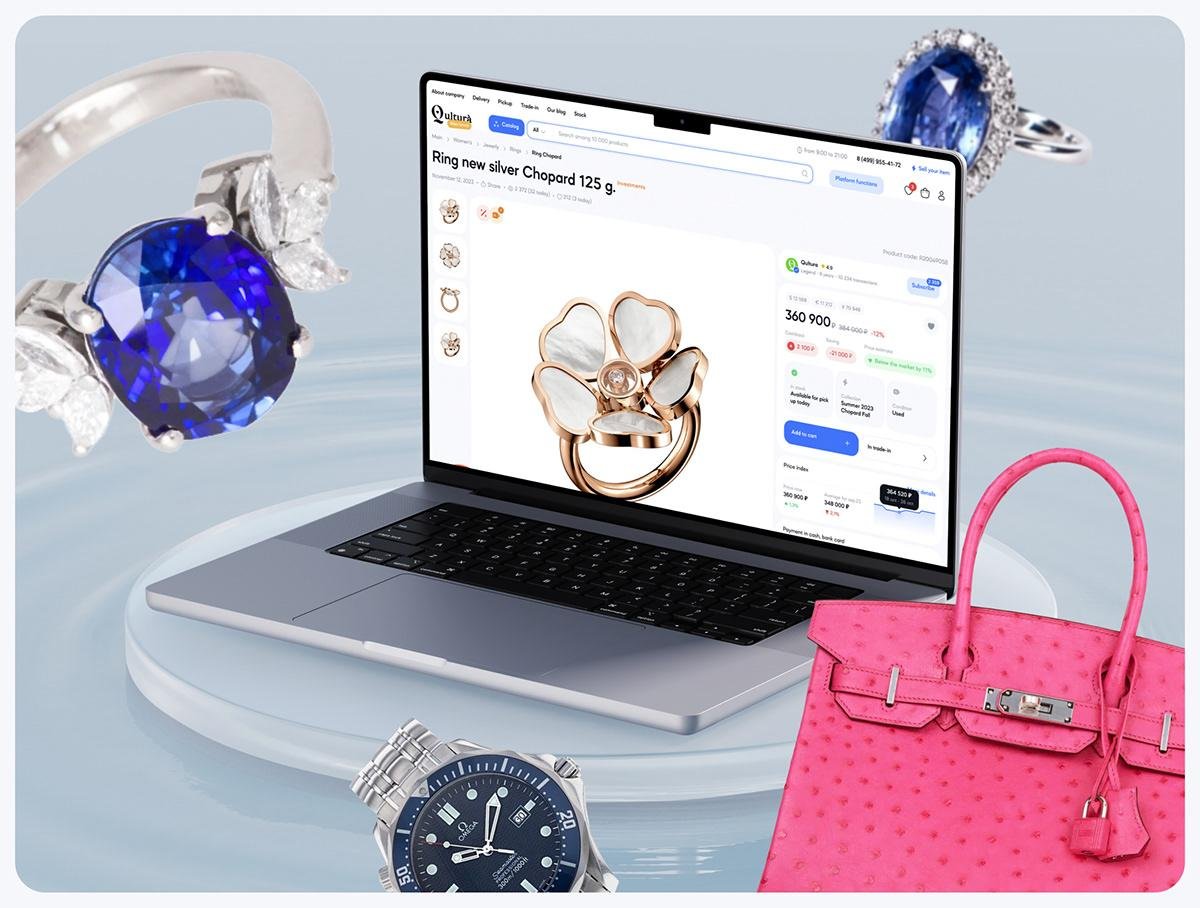
Before purchasing, ask what documentation is included and who issued it.

For expensive diamonds and gemstones, independently verifiable reports from recognised gemological laboratories can be particularly useful.

7. Examine Craftsmanship and Design Details

The quality of craftsmanship can make a significant difference to the appearance, durability and comfort of luxury jewellery.

Even when two pieces use similar materials, their construction and finishing may differ.

Look for clear product photographs showing:

  • The front and back of the jewellery
  • Clasp mechanisms
  • Stone settings
  • Metal finishing
  • Engravings
  • Connections and joints
  • Any visible hallmarks

For rings, examine the setting and how securely the gemstone appears to be held.

For necklaces and bracelets, pay attention to chain construction, clasp quality and connection points.

For earrings, check the fastening mechanism and whether the design is suitable for regular wear.

A detailed product description should explain the materials, dimensions, weight where available and construction details.

Do not hesitate to request additional photographs if important areas are not visible in the listing.

8. Check the Jewellery Size and Measurements

One common challenge when buying jewellery online is choosing the correct size.

A beautiful ring may not fit properly, while a necklace may look different from what you expected if its length is unclear.

Before ordering, check the measurements carefully.

Rings

Confirm the ring size and the sizing system being used. International ring sizes can differ, so check the seller’s conversion guide.

If possible, measure an existing ring that fits comfortably or have your finger professionally sized.

Necklaces

Look for the necklace’s total length and, where available, an indication of how it sits when worn.

Common necklace lengths include:

  • 16 inches: Often sits close to the base of the neck.
  • 18 inches: Commonly falls around the collarbone.
  • 20 inches: Usually sits slightly lower on the chest.
  • 24 inches: Creates a longer necklace style.

These are general guidelines; the actual position depends on body proportions and necklace design.

Bracelets

Check the bracelet length and whether it includes an adjustable extension.

Earrings

Look at the dimensions, weight and fastening type. Product photographs alone may not communicate their actual size.

Always compare the listed measurements with jewellery you already own or a size guide from the seller.

9. Research the Brand and Designer

Luxury jewellery brands often have distinctive design styles, materials and craftsmanship standards.

Some buyers prefer established jewellery houses, while others are interested in independent designers and specialist makers.

Before purchasing a branded piece, research:

  • The brand’s official website
  • Its jewellery collections
  • Typical product specifications
  • Design characteristics
  • Retail pricing
  • Available documentation
  • Customer reviews
  • Warranty and service policies

If a product is described as an authentic designer item, check that the seller can explain its origin and provide appropriate supporting information.

Be cautious with listings that use brand names or logos without sufficient product details.

For independent designers, learn about their background, materials, manufacturing methods and reputation.

10. Choose a Trusted Online Jewellery Seller

Selecting the right seller is just as important as selecting the jewellery.

A reliable seller should provide clear product information and be willing to answer questions about materials, gemstones, condition and documentation.

Before purchasing, review the following:

Business information

Look for clear business details, contact information and a professional online presence.

Product descriptions

Descriptions should specify metal purity, gemstone characteristics, measurements and other important details.

Product photography

Good listings should include clear photographs from multiple angles.

Customer feedback

Read independent reviews and look for repeated comments about product quality, delivery, returns and customer service.

Policies

Review payment methods, shipping arrangements, warranties and return conditions.

Communication

A seller should respond clearly to reasonable questions and avoid pressuring you into making an immediate purchase.

Do not assume that every online marketplace or retailer offers the same level of authentication or buyer protection. Read the actual policies before ordering.

11. Compare Prices Before Buying

Luxury jewellery prices can vary considerably, even for pieces that appear similar.

Differences may relate to:

  • Precious metal type and weight
  • Gold purity
  • Diamond or gemstone quality
  • Brand reputation
  • Designer craftsmanship
  • Production methods
  • Rarity
  • Documentation
  • Retailer pricing

When comparing diamond rings, for example, consider the diamond specifications as well as the setting and metal.

When comparing gold necklaces, look at gold purity, weight, construction and design.

Avoid choosing a piece based only on its lowest listed price.

A surprisingly low price for jewellery advertised as fine luxury jewellery should encourage you to investigate further.

Check whether the description accurately identifies the materials and whether the seller can provide supporting documentation.

12. Understand Natural and Laboratory-Grown Diamonds

Buyers shopping for diamond jewellery may encounter both natural and laboratory-grown diamonds.

Natural diamonds form naturally within the Earth over geological periods. Laboratory-grown diamonds are created through technological processes that reproduce the conditions needed for diamond formation.

Both are diamonds, but they differ in origin and may have different market prices and resale considerations.

When buying either type, check that the product description clearly identifies it.

For natural diamonds, ask about the grading report and any relevant treatments.

For laboratory-grown diamonds, look for clear disclosure of their origin and specifications.

Neither option is automatically the right choice for every buyer. The decision depends on personal preferences, budget and the importance you place on origin and resale considerations.

13. Review Shipping, Insurance and International Costs

Luxury jewellery is often valuable and requires careful delivery arrangements.

Before purchasing online, understand how the seller handles shipping and what happens if an order is delayed, lost or damaged.

Check:

  • Whether shipping is tracked
  • Whether the parcel is insured
  • Whether a signature is required on delivery
  • Which courier is used
  • Estimated delivery time
  • Packaging and security arrangements
  • Return shipping requirements

If you are buying from another country, additional costs may apply.

These can include import duties, taxes, customs processing fees and currency conversion charges.

Check your local import rules before ordering so that you understand the total cost.

Do not assume that an international order includes all taxes and customs charges unless the seller clearly confirms this.

14. Understand Returns and Warranties

Jewellery can look different in person than it does in online photographs.

The colour of a gemstone, the scale of a design and the appearance of a metal finish may vary depending on lighting and screen settings.

A clear return policy is therefore important.

Before buying, check:

  • Whether returns are accepted
  • How many days you have to return an item
  • Whether customised jewellery can be returned
  • Whether resized rings are eligible for return
  • Who pays return shipping
  • Whether refunds or exchanges are offered
  • What warranty is included
  • Which types of damage are covered

Custom-made and personalised jewellery may have different return conditions from standard products.

Read the terms carefully before completing your order.

15. Buying Luxury Jewellery as a Gift

Fine jewellery can make a meaningful gift for birthdays, anniversaries, weddings, graduations and other important occasions.

However, choosing jewellery for someone else requires a little extra thought.

Consider the recipient’s personal style, preferred metal colour and usual jewellery choices.

For example:

  • Someone who prefers understated accessories may appreciate a simple gold necklace.
  • A person who enjoys classic designs may prefer diamond or pearl earrings.
  • Someone with a distinctive style may appreciate colourful gemstone jewellery.
  • A recipient who wears rings regularly may appreciate a timeless design.

If you are unsure about sizing or preferences, consider jewellery with adjustable features or confirm whether exchanges are possible.

Gift packaging and delivery dates may also be important, particularly when ordering for a special occasion.

16. Common Mistakes to Avoid When Buying Luxury Jewellery Online

A little preparation can help you avoid unnecessary problems.

Here are some common mistakes to watch out for.

Ignoring material specifications

Do not assume that a piece is solid gold or platinum because of its appearance. Check the exact metal and purity.

Buying diamonds without understanding the 4Cs

Compare diamond specifications rather than relying only on carat weight or photographs.

Overlooking gemstone treatments

Ask whether coloured gemstones have been treated and whether those treatments are disclosed.

Assuming certificates guarantee value

Reports and certificates provide specific information, but they do not necessarily guarantee authenticity of every component, retail value or resale price.

Ignoring measurements

Check ring sizes, necklace lengths, bracelet dimensions and earring measurements before ordering.

Choosing a seller without research

Read reviews, examine business information and understand the seller’s policies.

Forgetting additional costs

Shipping, insurance, taxes and import duties may increase the final purchase price.

Rushing into a purchase

Take time to compare similar pieces and ask questions before paying.

Final Thoughts

Buying fine luxury jewellery online offers access to an impressive range of designs, precious metals, gemstones and established brands.

However, an informed purchase requires more than choosing a beautiful photograph.

Understand the materials, check gemstone specifications, review documentation and examine craftsmanship. Make sure the measurements are suitable, compare prices and choose a seller with clear policies and reliable communication.

For particularly valuable jewellery, independent professional advice can be worthwhile.

Whether you are choosing a diamond ring, a gold necklace, a gemstone bracelet or a timeless pair of earrings, careful research can help you find a piece that suits your style and expectations.

Explore Luxury Marketplace to discover luxury products and continue your search for exceptional pieces.

Frequently Asked Questions

Is it safe to buy fine jewellery online?

Buying fine jewellery online can be safe when you research the seller, review product specifications, check documentation and understand the payment, shipping and return policies. For expensive purchases, consider independent professional advice.

What should I check before buying a diamond ring online?

Check the diamond’s cut, colour, clarity and carat weight. Also review the metal type, ring size, setting quality, grading documentation and seller’s return policy.

Is 18K gold better than 14K gold?

18K gold contains a higher proportion of pure gold than 14K gold. However, 14K gold can offer greater hardness in some applications. The best choice depends on the design, intended use and personal preferences.

What is the difference between natural and laboratory-grown diamonds?

Natural diamonds form within the Earth, while laboratory-grown diamonds are produced using technological processes. Both are diamonds, but their origins, prices and resale markets can differ.

Do all luxury diamonds come with certificates?

Not every diamond jewellery item includes an independent grading report. Documentation depends on the diamond, product and seller. For significant purchases, ask what documentation is available and who issued it.

How can I tell whether luxury jewellery is authentic?

Check the materials, hallmarks, brand details, product documentation and seller information. For valuable branded jewellery or gemstones, consider an independent assessment by an appropriate specialist.

Is luxury jewellery a good investment?

Some jewellery pieces may retain or increase their value, but this is not guaranteed. Brand, rarity, materials, condition and market demand all influence resale value. Buy jewellery primarily because you appreciate it rather than expecting a financial return.

What is the best way to choose a jewellery size online?

Use the seller’s measurement guide and compare it with jewellery you already own. For rings, professional sizing is recommended when possible. For necklaces and bracelets, check the exact length before ordering.

30/10/2026No comments, , Buying Jewellery Online | Designer Jewellery | Diamond Jewellery | Fine Jewellery | Gemstone Jewellery | Gold Jewellery | Jewellery Buying Guide | Luxury Accessories | Luxury Jewellery | Luxury Shopping
What to Know Before Buying a Pre-Owned Luxury Watch

Buying a pre-owned luxury watch can be an excellent way to own a prestigious timepiece while potentially paying less than the price of a brand-new model. Many luxury watches are valued for their craftsmanship, design, history and reputation. Some models may also retain their value over time, making them attractive to collectors and enthusiasts.

However, buying a second-hand luxury watch requires careful research. Two watches that look similar in photographs may differ significantly in condition, originality, service history and market value. A watch may also come with incomplete documentation or replacement components that affect its desirability.

Whether you are considering your first luxury watch or adding another timepiece to your collection, understanding what to check before purchasing can help you make a more confident decision.

This guide explains the most important things to know before buying a pre-owned luxury watch.

1. Understand Why You Are Buying a Pre-Owned Luxury Watch

Before searching for a particular model, consider why you want to buy a pre-owned luxury watch.

Some buyers are interested in owning a specific design that is no longer available from the manufacturer. Others want access to prestigious brands at a different price point. Collectors may be searching for discontinued models, limited editions or watches with particular historical significance.

Common reasons to consider a pre-owned luxury watch include:

  • Potentially lower purchase prices: Some pre-owned watches are available below the retail price of comparable new models.
  • Access to discontinued models: The second-hand market can offer watches that are no longer produced.
  • Greater model variety: Buyers can explore different generations, dial variations, materials and references.
  • Collecting opportunities: Pre-owned markets can provide access to vintage and unusual timepieces.
  • Established designs: Some buyers prefer the appearance and character of older watch models.

It is important to remember that pre-owned does not automatically mean cheaper or better value. Prices depend on the brand, model, condition, rarity, demand and completeness of the watch.
2. Research the Brand and Specific Watch Model

One of the most important steps is researching the exact watch you intend to purchase.

Luxury watch brands often produce many collections, and individual models can have several variations. Differences in movement, case material, dial design, production year and reference number can influence value.

Popular luxury watch brands include:

  • Rolex
  • Patek Philippe
  • Audemars Piguet
  • Omega
  • Cartier
  • Jaeger-LeCoultre
  • IWC Schaffhausen
  • Breitling
  • Vacheron Constantin
  • TAG Heuer

Before making a purchase, research the model’s original specifications and typical market price.

Pay attention to:

  • Model and reference number
  • Approximate production period
  • Case size and material
  • Dial colour and design
  • Movement type
  • Bracelet or strap configuration
  • Original retail price, where available
  • Recent
30/10/2026No comments, , Buying Luxury Watches | Designer Watches | Luxury Marketplace | Luxury Shopping | Luxury Watch Guide | Luxury Watches | Pre-Owned Luxury Watches | Second-Hand Watches | Watch Authentication | Watch Collecting
Best Places to Shop for Luxury Products Online

Luxury shopping has changed significantly over the years. Today, shoppers no longer need to visit exclusive boutiques or major shopping destinations to discover premium products. Online shopping makes it possible to explore luxury brands, compare products and find unique items from almost anywhere in the world.

From designer fashion and luxury watches to fine jewellery, premium accessories and rare collectibles, the internet offers countless opportunities for people interested in luxury products.

However, finding the right place to shop is important. Not every online store or marketplace offers the same selection, customer experience, product information or level of seller transparency.

Whether you are searching for a particular designer item or simply exploring the world of luxury shopping, this guide explains the different places to shop for luxury products online and what to consider before making a purchase.

1. Online Luxury Marketplaces

Online luxury marketplaces are a convenient way to discover products from different sellers and categories in one place.

Rather than visiting multiple individual websites, shoppers can browse a wider selection of products through a single platform.

Depending on the marketplace, available categories may include:

  • Designer fashion and clothing.
  • Luxury handbags and accessories.
  • Watches and jewellery.
  • Premium lifestyle products.
  • Home and interior accessories.
  • Art, collectibles and rare items.

One of the main advantages of a marketplace is the opportunity to explore different products and compare available options.

When choosing a luxury marketplace, look for clear product descriptions, transparent seller information, secure payment options and accessible customer support.

It is also important to understand the marketplace’s shipping, returns and refund policies before purchasing.

2. Official Luxury Brand Websites

Shopping directly from an official luxury brand website is another popular option.

Many established luxury brands operate their own online stores, allowing customers to explore their latest collections and purchase products directly from the brand.

Some advantages include:

  • Access to official product collections.
  • Brand-provided product descriptions.
  • Information about materials and craftsmanship.
  • Official customer service.
  • Access to new releases and seasonal collections.

Official brand websites can be particularly useful when searching for new products or a specific item from a current collection.

However, shoppers looking for discontinued designs, rare products or items from different brands may need to explore additional shopping platforms.

3. Specialist Luxury Retailers

Specialist luxury retailers focus on particular product categories or premium brands.

Some concentrate on designer fashion, while others specialise in luxury watches, jewellery, accessories or high-end lifestyle products.

Shopping through a specialist retailer can offer several advantages:

  • Detailed knowledge of specific product categories.
  • A focused selection of premium products.
  • Specialist customer assistance.
  • Detailed product specifications.
  • Access to selected brands and collections.

For shoppers who already know what they want, specialist retailers can be a useful place to begin their search.

Before buying, always research the retailer and review its policies.

4. Pre-Owned and Second-Hand Luxury Platforms

Pre-owned luxury shopping has become an important part of the online luxury market.

These platforms allow shoppers to explore previously owned designer products, discontinued collections, vintage pieces and items that may no longer be available through traditional retailers.

Popular pre-owned categories include:

  • Designer handbags.
  • Luxury watches.
  • Jewellery.
  • Designer clothing.
  • Vintage accessories.
  • Collectible fashion pieces.

One advantage of pre-owned shopping is the opportunity to discover products with unique histories or designs from previous collections.

However, buyers should carefully review product condition, authenticity information, seller reputation and return arrangements.

For valuable purchases, independent authentication may provide additional reassurance.

5. Online Luxury Auctions

Online auctions provide another way to discover rare and exclusive luxury products.

Auction platforms can feature luxury watches, fine jewellery, art, antiques, collectibles and other valuable items.

Unlike traditional online shopping, auction purchases often involve competitive bidding.

Potential benefits include:

  • Access to rare and unusual products.
  • Opportunities to discover collectible items.
  • Products with interesting histories or provenance.
  • Access to specialist auction categories.

Before participating in an auction, understand the bidding rules, buyer’s premiums, payment deadlines, shipping arrangements and any additional fees.

It is also important to research the estimated value and condition of an item before placing a bid.

6. Luxury Department Stores Online

Established department stores often provide online access to a variety of premium and designer brands.

These retailers can be useful for shoppers who want to browse different brands across several product categories.

Depending on the retailer, shoppers may find:

  • Designer clothing.
  • Luxury shoes and handbags.
  • Beauty and fragrance products.
  • Fine jewellery.
  • Premium accessories.
  • Home and lifestyle collections.

The advantage of department stores is the ability to explore different brands through one retail website.

Compare product availability, prices, delivery options and return policies before ordering.

7. Independent Luxury Sellers and Boutiques

Independent luxury boutiques and specialist sellers can offer products that are not always available through larger retailers.

Some focus on emerging designers, limited collections, vintage pieces or particular luxury categories.

These sellers may provide a more specialised shopping experience and access to distinctive products.

When buying from an independent seller, check:

  • Business and contact information.
  • Seller history and reputation.
  • Product descriptions and photographs.
  • Authenticity information where relevant.
  • Payment and delivery arrangements.
  • Returns and refund policies.

Taking time to research an independent seller is particularly important when purchasing expensive items.

8. How to Choose the Right Place to Shop

With so many online shopping options available, the best place to buy luxury products depends on what you are looking for.

Before choosing a website or marketplace, consider the following factors.

Product Selection

Does the platform offer the brands, categories and products you are interested in?

A wider selection can make it easier to compare products and discover something unexpected.

Product Authenticity

Does the seller provide relevant information about the product’s origin, condition and authenticity?

For expensive designer products, additional verification may be worthwhile.

Seller Reputation

Look for clear seller information, genuine customer feedback and professional communication.

Secure Payments

Choose shopping platforms that provide secure checkout options and clearly explain their payment arrangements.

Shipping and Delivery

Check whether the seller ships internationally, provides tracking and offers appropriate insurance for valuable products.

Returns and Customer Support

Understand the applicable returns policy and how to contact the seller or marketplace if you need assistance.

9. Tips for Buying Luxury Products Online Safely

Luxury products can represent a significant investment, so it is worth taking a few precautions before purchasing.

Follow these simple tips:

  • Research the seller before making a purchase.
  • Read the full product description.
  • Examine photographs carefully.
  • Compare prices with similar products.
  • Check authenticity information where applicable.
  • Use secure payment methods.
  • Understand international shipping and customs costs.
  • Read the returns and refund policy.
  • Keep receipts and purchase confirmations.

Avoid making rushed decisions because of unusually low prices or pressure from sellers.

A careful approach can help make online luxury shopping more enjoyable and reduce unnecessary risks.

10. Why Online Luxury Marketplaces Are Becoming Popular

Online luxury marketplaces offer a convenient way to explore different products, brands and sellers without visiting multiple physical stores.

For international shoppers, they can also provide access to products that may not be available locally.

The ability to browse different categories, compare listings and discover unique items makes marketplaces an attractive option for people interested in luxury shopping.

As online shopping continues to develop, buyers have more opportunities to explore the luxury market from wherever they are.

Discover Luxury Products at Luxury Marketplace

Finding the right place to shop for luxury products can make a big difference to your online shopping experience.

Whether you are looking for designer accessories, premium watches, fine jewellery, fashion or unique collectibles, exploring different luxury shopping options can help you discover products that match your interests.

Luxury Marketplace aims to provide an online destination where shoppers can explore luxury products across different categories and discover opportunities in the world of premium shopping.

Explore Luxury Marketplace and discover products that match your taste, interests and lifestyle.

Frequently Asked Questions

Where is the best place to shop for luxury products online?

The best place depends on the product you are looking for. Official brand websites, specialist luxury retailers, online marketplaces, pre-owned platforms and auction websites all offer different shopping experiences.

Are online luxury marketplaces trustworthy?

Some online luxury marketplaces provide useful seller information, secure payment options and clear shopping policies. Always research the marketplace and seller before purchasing.

Can I buy authentic designer products online?

Yes. Many official retailers, specialist sellers and marketplaces offer genuine designer products. Check product details and supporting authenticity information before purchasing.

Is it cheaper to buy luxury products online?

Prices vary depending on the brand, seller, product condition and availability. Online shopping makes it easier to compare prices, but unusually low offers should be investigated carefully.

Where can I find rare or discontinued luxury products?

Pre-owned luxury platforms, specialist boutiques and online auction websites can be useful places to search for discontinued collections, vintage designs and rare products.

What should I check before buying luxury products online?

Check the seller’s reputation, product condition, authenticity information, payment security, shipping arrangements and returns policy before completing your purchase.

Is international luxury shopping safe?

It can be safe when you use reputable sellers, secure payment methods and tracked shipping. Always check customs requirements, import duties and international return conditions.

30/10/2026No comments, Designer Accessories | Designer Products | Luxury Brands | Luxury Goods | Luxury Lifestyle | Luxury Marketplace | Luxury Shopping | Online Luxury Shopping | Online Shopping | Premium Shopping
What to Look for When Choosing an Online Luxury Marketplace

Shopping for luxury products online has become increasingly popular. From designer fashion and premium accessories to luxury watches, fine jewellery and exclusive collectibles, online marketplaces offer access to products from sellers around the world.

However, not every online luxury marketplace offers the same shopping experience. Choosing the right platform is important when purchasing valuable products, discovering unique items and dealing with sellers you may never meet in person.

Whether you are an experienced luxury shopper or making your first premium purchase, knowing what to look for can help you make better decisions and shop with greater confidence.

1. A Wide Selection of Luxury Products

One of the first things to consider is the range of products available on a marketplace.

A good luxury marketplace should make it easy to discover products across relevant categories, whether you are looking for designer accessories, watches, jewellery, fashion, homeware or rare collectibles.

A diverse selection gives shoppers more opportunities to compare products, explore different styles and discover items they may not find through traditional retailers.

Look for a marketplace with clear categories and easy navigation so you can find products that match your interests.

2. Clear and Detailed Product Listings

Product information is essential when shopping online, particularly when purchasing expensive or collectible items.

Before choosing a marketplace, consider whether its listings provide useful information such as:

  • Product name, brand and model.
  • Detailed descriptions and specifications.
  • High-quality product photographs.
  • Materials, dimensions and other relevant details.
  • Condition information for pre-owned products.
  • Included accessories and documentation.

Clear listings make it easier to understand what is being offered and compare products before making a purchase.

3. Seller Reputation and Transparency

A luxury marketplace is only as useful as the information it provides about the people and businesses selling through it.

Look for transparent seller information, clear contact details and genuine customer feedback where available.

Before purchasing, consider:

  • How long the seller has been active.
  • Whether the seller provides accurate product descriptions.
  • Whether customer reviews are available.
  • How quickly and professionally enquiries are answered.
  • Whether the seller provides additional product information when requested.

Seller transparency helps buyers make informed decisions, particularly when purchasing high-value products.

4. Authenticity and Product Verification

Authenticity is an important consideration when buying luxury products online.

Counterfeit products can resemble genuine designer items, making it important to understand what information is available before completing a purchase.

Depending on the marketplace and product category, useful authenticity information may include:

  • Serial numbers and identifying details.
  • Brand markings and engravings.
  • Original receipts or supporting documentation.
  • Certificates of authenticity where applicable.
  • Independent authentication services.
  • Product ownership history or provenance.

Remember that documents and packaging can also be copied. For particularly valuable purchases, independent verification may provide additional reassurance.

5. Secure Payment Options

Payment security should be a priority when choosing an online luxury marketplace.

A professional shopping platform should provide a secure checkout process and clearly explain the payment methods available.

Before purchasing, check:

  • Whether the checkout process is secure.
  • Which payment methods are accepted.
  • Whether payment protection is available.
  • Whether additional transaction fees apply.
  • Whether the payment recipient is clearly identified.

Avoid unusual payment requests or pressure to complete transactions outside the marketplace, especially when dealing with unfamiliar sellers.

6. International Shipping and Delivery

International access is one of the advantages of shopping through online luxury marketplaces.

However, international purchases can involve different shipping costs, delivery times, customs procedures and import duties.

A marketplace should make relevant delivery information easy to understand.

Look for information about:

  • Available shipping destinations.
  • Estimated delivery times.
  • Shipping and handling costs.
  • Tracking and insurance options.
  • Customs duties and import taxes.
  • Procedures for lost or damaged parcels.

For expensive purchases, tracked and insured delivery can be particularly important.

7. Clear Returns and Refund Policies

Before buying a luxury product online, always understand the marketplace’s returns and refund policies.

These policies may differ depending on the seller, product category and whether an item is new, pre-owned, personalised or collectible.

Check the following details:

  • How long you have to request a return.
  • Whether international returns are accepted.
  • Who is responsible for return shipping.
  • How refunds are processed.
  • Whether certain products are excluded.
  • How disputes and complaints are handled.

Clear policies help prevent misunderstandings and allow buyers to understand their options before committing to a purchase.

8. Easy Website Navigation and User Experience

A luxury shopping website should be easy and enjoyable to use.

Good navigation allows visitors to discover products without unnecessary effort. Categories, search tools, filters and organised product pages can make a significant difference to the shopping experience.

Consider whether the marketplace offers:

  • Clear product categories.
  • Useful search and filtering options.
  • Easy-to-read product pages.
  • A smooth mobile shopping experience.
  • Simple registration and checkout processes.
  • Accessible contact and support information.

A well-organised website makes browsing more enjoyable and helps shoppers find relevant products more quickly.

9. Customer Service and Communication

Good customer service is especially valuable when buying luxury products.

Buyers may need additional information about a product, assistance with an order or clarification about delivery and returns.

Look for a marketplace that provides clear contact information and an accessible way to ask questions.

Responsive communication can help create a more reassuring shopping experience and make it easier to resolve issues when they arise.

10. Fair and Transparent Pricing

Luxury products can vary considerably in price depending on their brand, materials, condition, rarity and demand.

A good marketplace should make product prices and any additional costs easy to understand.

When comparing listings, consider:

  • The product’s original retail price, where known.
  • Its current market value.
  • Its condition and age.
  • Whether accessories are included.
  • Shipping costs and applicable taxes.
  • Any additional marketplace or transaction fees.

Be cautious of prices that appear unusually low without a reasonable explanation. Comparing similar listings can help you assess whether an offer is realistic.

11. Why International Buyers Should Compare Marketplaces

International shoppers have access to a growing number of luxury shopping websites and specialist marketplaces.

Comparing platforms before making a purchase can help you understand differences in product selection, seller information, payment methods and delivery arrangements.

For international purchases, pay particular attention to shipping destinations, customs requirements, currency conversion and return arrangements.

Choosing a marketplace that clearly communicates these details can make shopping across borders easier to manage.

12. Your Checklist for Choosing a Luxury Marketplace

Before deciding where to shop, use this checklist to compare your options:

  • The marketplace offers products relevant to your interests.

  • Product listings contain detailed descriptions and photographs.

  • Seller information is transparent.

  • Authenticity information is avail

30/10/2026No comments, Luxury Marketplace Luxury Shopping Online Luxury Shopping Designer Products Luxury Brands Luxury Goods Trusted Sellers Authentic Luxury Products Luxury Shopping Guide Premium Products
The Ultimate Guide to Buying Luxury Products Online Safely

Buying luxury products online offers access to an incredible world of exclusive items, prestigious brands and unique finds. From designer fashion and luxury watches to fine jewellery, collectibles and premium lifestyle products, online shopping makes it easier than ever to discover exceptional products from around the world.

However, purchasing luxury goods online also requires careful consideration. High-value products can attract counterfeit sellers, misleading listings and fraudulent websites. Without seeing an item in person, buyers need to know how to assess its authenticity, evaluate the seller and understand the terms of a purchase before committing.

Whether you are buying your first luxury item or are an experienced collector, this guide explains how to shop for luxury products online safely and confidently.

1. Choose a Trusted Luxury Marketplace

The first step towards a safe luxury purchase is choosing where to shop.

Not all online marketplaces offer the same level of protection, transparency or customer support. A professional-looking website does not automatically mean that every seller or product is trustworthy.

Before making a purchase, look for a marketplace that provides:

  • Clear product descriptions and accurate photographs.
  • Transparent seller information.
  • Secure payment options.
  • Accessible customer support.
  • Clear shipping, returns and refund policies.
  • A straightforward process for resolving disputes.

A reliable marketplace should make it easy to understand who you are buying from, what you are purchasing and what happens if something goes wrong.

Take time to review the marketplace’s policies before placing an order, particularly when buying expensive or rare products.

2. Check Product Authenticity Before Buying

Authenticity is one of the most important considerations when shopping for luxury goods.

Counterfeit products can imitate the appearance of genuine designer items, making it difficult for inexperienced buyers to identify the difference from photographs alone.

Depending on the product category, useful authenticity checks may include:

  • Serial numbers and identifying codes.
  • Brand markings, logos and engravings.
  • Materials, stitching and construction quality.
  • Original packaging and accompanying documentation.
  • Certificates of authenticity, where applicable.
  • Purchase receipts or ownership history.
  • Independent authentication from a qualified specialist.

Remember that packaging, receipts and certificates can also be forged. No single detail should automatically be treated as proof of authenticity.

For particularly expensive purchases, consider using an independent authentication service or requesting additional verification before completing the transaction.

3. Research the Seller’s Reputation

A trustworthy seller is just as important as an authentic product.

Before purchasing, investigate the seller’s history and reputation. Look for detailed seller profiles, established trading activity and genuine customer feedback.

Consider the following questions:

  • Does the seller provide clear contact information?
  • Are their product descriptions detailed and consistent?
  • Do they respond to reasonable questions?
  • Are their photographs original and sufficiently detailed?
  • Do customer reviews appear credible?
  • Are their prices realistic for the products being offered?

Be cautious if a seller avoids answering questions, pressures you to make an immediate payment or refuses to provide additional product information.

A reputable seller should be willing to help you understand exactly what you are buying.

4. Be Careful of Prices That Seem Too Good to Be True

Luxury products generally retain a level of value associated with their brand, craftsmanship, materials, rarity and demand.

A substantial discount is not necessarily suspicious. Pre-owned items, discontinued collections, older models and products with visible wear may legitimately sell below their original retail prices.

However, an unusually low price should encourage further investigation.

Before purchasing, compare the listing with similar products from established retailers, specialist dealers and reputable resale platforms.

Pay attention to:

  • The product’s condition.
  • Whether it is new, pre-owned or refurbished.
  • Whether accessories and original packaging are included.
  • Its age, model and availability.
  • The seller’s explanation for the price.

If a seller offers a highly sought-after luxury product at an implausibly low price without a convincing explanation, consider walking away.

5. Examine Product Descriptions and Photographs

When buying luxury products online, photographs and descriptions are your primary sources of information about the item’s condition.

Avoid relying exclusively on a single product image or a short description.

A detailed listing should explain the product’s brand, model, materials, dimensions, condition and any relevant identifying features.

For pre-owned luxury products, look for photographs showing:

  • Front, back and side views.
  • Close-ups of logos, engravings and identifying details.
  • Corners, edges and areas that commonly show wear.
  • Hardware, clasps, zippers and stitching.
  • Any scratches, marks, repairs or imperfections.
  • Included accessories and documentation.

If important information is missing, contact the seller before purchasing.

A transparent listing should describe imperfections honestly rather than hiding them behind carefully selected photographs.

6. Use Secure Payment Methods

Payment security is essential when purchasing expensive products online.

Always check that the website uses a secure checkout process and that the payment page belongs to the intended marketplace or payment provider.

Where possible, choose established payment methods that offer appropriate buyer protection.

Avoid paying through unusual or irreversible methods when dealing with an unfamiliar seller. Be particularly cautious if someone asks you to complete a transaction outside the marketplace to receive a discount.

Before confirming payment, check:

  • The final purchase amount.
  • Shipping and additional fees.
  • Currency conversion charges.
  • Taxes and import duties, where applicable.
  • The recipient of the payment.
  • Any applicable buyer-protection conditions.

Keep order confirmations, receipts and transaction records until the purchase has been completed successfully.

7. Understand International Shipping, Customs and Import Duties

International luxury shopping creates opportunities to purchase products from sellers around the world, but it also introduces additional considerations.

Shipping costs, delivery times, import taxes and customs requirements can vary significantly depending on the origin and destination of the shipment.

Before placing an international order, confirm:

  • Whether the seller ships to your country.
  • Which courier or shipping service will be used.
  • Whether tracking is provided.
  • Whether the parcel is insured.
  • Who is responsible for import duties and taxes.
  • Whether additional customs documentation is required.
  • What happens if the item is delayed, lost or damaged.

For high-value products, insured shipping and reliable tracking are especially important.

Buyers should also check the import regulations that apply in their own country. Certain product categories may be subject to additional restrictions or documentation requirements.

8. Read the Returns and Refund Policy

Luxury purchases can involve substantial amounts of money, so understanding the returns policy is essential.

Before buying, establish whether the product can be returned and under what conditions.

Check:

  • The return period.
  • Whether the item must be unused or in its original condition.
  • Who pays return shipping.
  • Whether international returns are accepted.
  • How refunds are processed.
  • Whether certain products are excluded from returns.

Pre-owned, personalised, rare or collectible products may have different return conditions from standard retail items.

Never assume that every marketplace or seller offers the same protections. Read the specific terms that apply to your order.

9. Ask Questions Before Making an Expensive Purchase

For high-value products, asking questions is a sensible part of the buying process.

A professional seller should be prepared to provide reasonable additional information about an item.

Depending on the product, you might ask:

  • Is the item new or pre-owned?
  • Is there any damage or previous repair work?
  • Are original accessories included?
  • Is there documentation supporting its authenticity?
  • Can additional photographs be provided?
  • Has the item been professionally serviced or authenticated?
  • How will it be packaged and shipped?

The answers can help you make a more informed decision and identify sellers who communicate openly.

If the seller is unwilling to provide basic information about an expensive item, consider choosing another listing.

10. Recognise Common Online Luxury Shopping Scams

Being aware of common scams can help protect your money and personal information.

Some warning signs include:

Unrealistic discounts: Prices far below the typical market value may indicate counterfeit products or fraudulent listings.

Pressure to pay immediately: Scammers may create artificial urgency by claiming that an offer will disappear within minutes.

Requests for payment outside the marketplace: Moving a transaction away from the platform may remove important protections.

Copied product photographs: Images taken from other websites can make fraudulent listings appear legitimate.

Incomplete seller information: Missing contact details, vague descriptions and inconsistent business information should raise concerns.

Suspicious payment links: Unexpected links or requests for sensitive financial information should be treated carefully.

If something feels wrong, stop the transaction and verify the seller and listing independently.

11. Keep Records of Your Purchase

Good record-keeping is particularly important when purchasing luxury products.

Save copies of:

  • The original product listing.
  • Product photographs and descriptions.
  • Seller communications.
  • Payment confirmations.
  • Shipping and tracking information.
  • Authentication documents.
  • Receipts and warranties, where applicable.

These records may be useful if you need to request a refund, report a problem or establish the item’s purchase history.

For collectors, maintaining documentation can also help preserve information about an item’s ownership and provenance.

12. A Simple Luxury Shopping Safety Checklist

Before completing a luxury purchase online, work through this checklist:

  • The marketplace has clear policies and contact information.

  • The seller has been researched and appears credible.

  • The product description is detailed.

  • The photographs show the item’s actual condition.

  • Authenticity information has been reviewed.

  • The price is reasonable for the product and condition.

  • Payment is made through a secure method.

  • Shipping, insurance and customs costs are understood.

  • Returns and refund conditions have been checked.

  • Relevant purchase records will be retained.

Taking a few extra minutes to complete these checks can help reduce the risks associated with buying expensive products online.

13. Discover Luxury Products with Greater Confidence

Buying luxury products online should be an enjoyable experience. The right marketplace can help buyers discover exceptional products, compare opportunities and connect with sellers offering items that match their interests.

Whether you are searching for a statement designer accessory, a prestigious watch, fine jewellery or a rare collectible, take the time to research the product and seller before making a decision.

At Luxury Marketplace, our aim is to provide a destination where people can discover luxury products from different categories and explore opportunities in the world of premium shopping.

Explore Luxury Marketplace to discover products that match your taste, interests and lifestyle.

Frequently Asked Questions

Is it safe to buy luxury products online?

Yes, it can be safe when you choose a reputable marketplace, research the seller, check product authenticity, use secure payment methods and understand the shipping and returns policies.

How can I tell if a luxury product is authentic?

Look for identifying details such as serial numbers, engravings, materials, construction quality and relevant documentation. For expensive items, independent authentication may provide additional reassurance.

What should I check before buying a designer product online?

Review the seller’s reputation, product photographs, condition, authenticity information, price, payment options, shipping arrangements and return policy.

Are luxury products cheaper online?

Some luxury products may be available at lower prices online, particularly pre-owned, discontinued or rare items. However, unusually low prices should always be investigated carefully.

Is it safe to buy luxury products from international sellers?

It can be, provided you understand the seller’s reputation, payment protections, shipping insurance, customs requirements, import duties and return arrangements.

What is the safest way to pay for luxury products online?

Use a secure checkout and an established payment method with buyer protection where available. Avoid unusual or irreversible payment arrangements with unfamiliar sellers.

Should I buy a luxury product without authentication documents?

That depends on the product, seller and purchase price. Documentation can be useful, but it is not conclusive proof of authenticity. Consider independent verification for high-value purchases.

30/10/2026No comments,
ZONEZI Properties: Connecting People, Property and Opportunity Since 2015

The real estate industry offers opportunities for homeowners, investors, developers and businesses across an increasingly connected international property market. Finding the right property, understanding investment opportunities and navigating the buying or selling process require professional guidance, market knowledge and a personalised approach.

ZONEZI Properties, operating under ZONEZI GROUP Co., Ltd., is a real estate agency established in 2015 to provide comprehensive property solutions for local and international clients.

From luxury residences and holiday homes to investment properties, new developments and commercial real estate opportunities, the company aims to connect people with properties that match their individual goals and aspirations.

With a focus on professionalism, integrity and personalised service, ZONEZI Properties brings together a range of real estate services designed to support clients throughout their property journey.

1. About ZONEZI Properties

Established in 2015, ZONEZI Properties was founded with the objective of providing comprehensive real estate solutions for buyers, sellers, investors and property developers.

Operating as a division of ZONEZI GROUP Co., Ltd., the company focuses on residential, commercial and investment property opportunities.

Its services are designed to support a variety of clients, including:

  • First-time property buyers
  • International property investors
  • Luxury homebuyers
  • Property owners and sellers
  • Property developers
  • Individuals seeking holiday residences
  • Clients exploring relocation opportunities

Whether a client is purchasing a family home, considering a luxury holiday residence or evaluating a potential investment, ZONEZI Properties aims to provide guidance and support throughout the process.

2. Real Estate Expertise and Market Knowledge

Understanding the property market is an important part of making informed real estate decisions.

ZONEZI Properties combines local market knowledge with an international approach to real estate services, helping clients explore opportunities across residential, commercial and investment property sectors.

The company monitors market developments, emerging opportunities and regional trends to support its clients with relevant property information and professional guidance.

For investors, understanding location, property demand, development potential and long-term objectives can be essential when evaluating an opportunity.

For homeowners, factors such as lifestyle, accessibility, property features and future requirements may be equally important.

ZONEZI Properties aims to understand these different priorities and provide recommendations based on each client’s individual requirements.

3. Comprehensive Property Services

ZONEZI Properties offers a broad range of real estate services designed to support clients at different stages of the property journey.

Its services include:

Property Sales

Assistance for clients looking to purchase or sell residential and commercial properties.

Luxury Real Estate

Property opportunities for buyers seeking premium residences, lifestyle properties and exclusive homes.

Investment Properties

Support for clients exploring real estate as part of their investment strategy.

New Developments and Off-Plan Projects

Property opportunities involving newly developed projects and properties available before construction is completed.

Property Consultation

Guidance to help clients understand their property requirements and evaluate available opportunities.

Property Marketing

Marketing support designed to present properties to potential buyers and investors.

Buyer and Seller Representation

Professional assistance for clients navigating property transactions.

Real Estate Investment Advisory

Property-related guidance for individuals considering real estate investment opportunities.

International Property Opportunities

Support for clients interested in exploring property markets beyond their home country.

Relocation Assistance

Property support for individuals and families planning a move.

By bringing these services together, ZONEZI Properties aims to offer a coordinated approach to real estate rather than focusing on a single stage of the transaction.

4. A Personalised, Client-Centred Approach

Every property client has different objectives.

An investor may be interested in potential rental income and long-term capital appreciation, while a family may prioritise location, comfort, accessibility and lifestyle.

Similarly, someone purchasing a holiday residence may have very different requirements from a developer seeking professional property marketing services.

ZONEZI Properties places personalised service at the centre of its approach.

By understanding each client’s priorities, budget and expectations, the company aims to identify suitable opportunities and provide support throughout the decision-making process.

Its client-focused philosophy is built around developing long-term professional relationships rather than simply completing individual transactions.

The company identifies integrity, transparency, reliability and professionalism as important principles guiding its relationships with clients and business partners.

5. Innovation and Digital Property Marketing

Technology has become an increasingly important part of the modern real estate industry.

Property buyers and investors now expect convenient access to property information, professional photography, digital marketing and online communication.

ZONEZI Properties embraces digital tools and modern marketing strategies to improve the way properties are presented and promoted.

Its digital marketing services include:

  • Virtual property tours
  • Professional property marketing
  • Digital advertising campaigns
  • Lead generation solutions
  • Social media promotion
  • Online property showcases
  • Streamlined client communication

These services are designed to help property owners and developers increase the visibility of their listings while making it easier for potential buyers to discover available opportunities.

For international clients, digital property marketing can also make it easier to explore properties remotely before arranging viewings or travelling to a destination.

By combining technology with personal assistance, ZONEZI Properties aims to create a more accessible and efficient property experience.

6. Community Engagement and Corporate Responsibility

ZONEZI Properties believes that successful business operations should also recognise the importance of the communities in which a company operates.

Its stated community engagement activities include participation in local events, support for charitable initiatives and involvement in programmes intended to strengthen local communities.

This approach reflects the company’s view that real estate is about more than buildings and transactions.

Property businesses are also connected to the people, neighbourhoods and communities that make each location attractive to homeowners, residents and investors.

Through its community-focused philosophy, ZONEZI Properties aims to maintain a responsible and positive presence within the areas it serves.

7. The Values Behind ZONEZI Properties

The company identifies several core values that guide its services and business relationships.

Integrity: Maintaining honest and responsible relationships with clients and business partners.

Professionalism: Delivering property services with care, knowledge and attention to detail.

Transparency: Supporting informed decisions through clear communication.

Innovation: Embracing technology and modern approaches to property marketing.

Reliability: Providing consistent support throughout the real estate process.

Personalised Service: Recognising that every property client has individual requirements and objectives.

These principles form the foundation of the company’s commitment to providing professional property services.

8. Connecting Buyers, Investors and Property Opportunities

The real estate market brings together different participants, including property owners, developers, investors and people searching for a place to call home.

ZONEZI Properties aims to connect these groups through its range of property services and professional support.

For buyers, this means assistance in exploring suitable properties.

For sellers, it means access to property marketing and buyer representation services.

For investors, it means opportunities to explore residential, commercial and development-related real estate.

For developers, it means working with a real estate partner that understands the importance of property presentation, marketing and client relationships.

As property markets continue to evolve, the company aims to maintain its focus on connecting people with opportunities that reflect their individual property goals.

9. Contact ZONEZI Properties

Whether you are considering purchasing a luxury residence, exploring an investment property, selling real estate or discussing a new development, ZONEZI Properties welcomes enquiries from local and international clients.

ZONEZI PROPERTIES

A Division of ZONEZI GROUP Co., Ltd.

Final Thoughts: Connecting People, Property and Opportunity

Since its establishment in 2015, ZONEZI Properties has focused on providing comprehensive real estate services for buyers, sellers, investors and developers.

Its service portfolio covers property sales, luxury real estate, investment opportunities, off-plan projects, property consultation and digital marketing.

Supported by a philosophy centred on integrity, professionalism, innovation and personalised service, the company aims to help clients navigate the property market with greater confidence.

Whether the objective is finding a family home, discovering a luxury holiday residence, exploring an investment opportunity or marketing a development, ZONEZI Properties seeks to connect people with property opportunities.

ZONEZI PROPERTIES

Connecting People, Property & Opportunity Since 2015

Visit the official website: www.zonezi.properties

Editorial note: This company profile is based on information supplied by ZONEZI Properties. Company history, services and business descriptions have not been independently audited or verified. Property buyers and investors should conduct their own due diligence before entering into any transaction.

30/10/2026No comments
McCone Properties: Inside Dubai’s Family-Run Real Estate Agency

Dubai has become one of the world’s most closely watched property markets, attracting international investors, luxury homebuyers and people looking for a new place to live. Behind this expanding market is a network of real estate agencies helping buyers, sellers, landlords and tenants navigate the city’s property landscape.

One of the agencies building a presence in this competitive environment is McCone Properties, a family-run real estate brokerage established in Dubai in 2013.

With residential sales, rentals, off-plan opportunities and property market information among its services, the company has developed a presence across several of Dubai’s established and emerging residential communities.

Its approach combines local property knowledge with an internationally diverse team, positioning McCone Properties as an agency worth knowing for anyone exploring Dubai real estate.

1. McCone Properties: A Dubai Real Estate Agency Established in 2013

According to its official website, McCone Properties is a family-run real estate agency founded in Dubai in 2013.

The company’s philosophy is expressed through the phrase “Moving you Forward”, reflecting its focus on helping clients through different stages of their property journey.

Rather than concentrating on a single neighbourhood or property type, the agency covers a broad range of Dubai real estate requirements, including buying, selling and renting.

Its website also provides property listings, community information, market reports and practical tools intended to help people understand the financial and practical aspects of purchasing or renting a home.

For international buyers unfamiliar with Dubai, access to local market information and guidance can be particularly valuable.

2. Property Sales, Rentals and Off-Plan Opportunities

McCone Properties offers services covering several parts of the Dubai residential property market.

Buying Property in Dubai

The agency markets apartments, villas and townhouses across different communities.

Its property-for-sale section allows visitors to explore available homes and search by location, property type and budget.

The company’s website also features properties in popular areas such as:

  • Downtown Dubai
  • Dubai Marina
  • Dubai Hills Estate
  • Business Bay
  • Jumeirah Village Circle
  • Mohammed Bin Rashid City
  • Arabian Ranches
  • Palm Jumeirah

These locations offer different property styles, price levels and lifestyles, from centrally located apartments to family-oriented villa communities.

Renting Property in Dubai

For tenants and landlords, McCone Properties also provides residential rental services.

Its rental listings include apartments, villas and townhouses.

Dubai’s rental market attracts residents from around the world, including professionals relocating for work, families moving to the UAE and international residents looking for longer-term accommodation.

An agency with knowledge of local buildings, communities and rental arrangements can help clients compare available options.

Off-Plan Property

Off-plan property is another important part of Dubai’s real estate market.

These developments allow buyers to purchase homes before construction is completed, often through payment plans linked to the development schedule.

McCone Properties includes off-plan opportunities among its services, giving buyers another way to explore Dubai’s residential development market.

However, anyone considering an off-plan purchase should independently review the developer, project registration, payment schedule, completion terms and contractual protections before committing.

3. A Presence Across Dubai’s Popular Residential Communities

Dubai’s property market is made up of distinct neighborhoods, each offering different advantages.

McCone Properties features listings across a broad selection of these communities.

Some of the areas highlighted on its website include:

Dubai Marina: A well-known waterfront district with residential towers, restaurants, retail and access to the marina.

Downtown Dubai: A central location associated with major attractions, high-rise residences and premium apartments.

Dubai Hills Estate: A master-planned residential community with villas, apartments, green spaces and golf facilities.

Business Bay: A mixed-use district with residential towers, offices, hotels and canal-side developments.

Jumeirah Village Circle: A popular residential community offering apartments, townhouses and family homes.

Mohammed Bin Rashid City: A large development area featuring residential projects and planned lifestyle communities.

For buyers, comparing neighbourhoods is just as important as comparing individual properties. Travel times, schools, amenities, building quality and service charges can all influence the long-term appeal of a home.

McCone’s community and area resources provide a starting point for exploring these locations.

4. An International Team Serving a Global Market

One of the distinctive features highlighted by McCone Properties is the international background of its employees.

The company’s website describes a team of 169 agents representing 47 countries, working from one Dubai office.

The team includes professionals from Europe, Asia, Africa, the Middle East, the Americas and Oceania.

This international composition reflects the global nature of Dubai’s property market.

International buyers may feel more comfortable discussing a major property purchase with an agent who understands their language, cultural background or experience of relocating to the UAE.

For overseas investors, communication and familiarity with the local buying process can be important considerations when choosing a real estate agency.

5. Industry Recognition and Property Finder Awards

McCone Properties also highlights industry recognition on its official website.

Its published awards include:

  • 2025: Winner of Property Finder’s House of Super Agents award.
  • 2025: First runner-up for Quality Brokerage of the Year.
  • 2024: Winner of the House of SuperAgent award, listed under Dubai Enterprise.

The company says it has received six awards since 2021.

It also displays a Google rating of 4.8 out of 5, based on 1,133 reviews at the time of checking its website.

Awards and customer reviews can help prospective clients understand an agency’s reputation, although they should be considered alongside independent research, the experience of the individual agent and the quality of service offered.

Readers can explore the company’s published awards and reviews for further information.

6. Property Market Information and Useful Online Tools

Beyond property listings, McCone Properties offers a collection of online resources designed to help visitors understand the financial side of buying, renting and owning property in Dubai.

The website includes several calculators and market tools, such as:

  • Mortgage calculator
  • Rental yield calculator
  • Rent-versus-buy calculator
  • Rent increase calculator
  • Dubai Land Department fee calculator
  • Mortgage borrowing calculator

These tools can help prospective buyers and tenants make preliminary estimates before speaking with a property professional or financial adviser.

The company also provides market reports and information about Dubai property transactions.

One particularly useful feature is its focus on property prices and rental information drawn from Dubai Land Department-registered transactions and Ejari contracts, as described on its website.

For investors, access to transaction-based information can provide a more useful starting point than relying entirely on advertised asking prices.

You can explore the available resources through the company’s reports and tools section.

7. What Should Buyers and Investors Consider Before Choosing an Agency?

Choosing a real estate agency is an important part of purchasing or renting property in Dubai.

While company awards, property listings and international teams can be useful indicators, buyers should also carry out their own checks before entering into an agreement.

Some important considerations include:

Understand the agent’s local experience. Ask about their knowledge of the specific building, community or development you are considering.

Compare asking prices with completed transactions. An advertised price does not necessarily represent the final market value of a property.

Review all costs. Consider agency commissions, registration fees, service charges, mortgage costs and other expenses associated with the purchase.

Verify the property and transaction. Check the relevant documents and registration details through the appropriate Dubai authorities.

Understand the agreement. Review the terms of any reservation, tenancy, sale or off-plan contract before signing.

Compare agencies and agents. Speaking with more than one professional can help you assess communication, market knowledge and the level of service available.

These steps are particularly important for overseas buyers who may be unfamiliar with the UAE property system.

8. Contacting McCone Properties

McCone Properties operates from The Greens in Dubai.

According to its official website, the company’s contact details are:

  • Office: Onyx Tower 2, Office P305, The Greens, Dubai, UAE
  • Telephone: +971 4 380 6683
  • Website: www.mcconeproperties.com

Visitors can explore available properties, review market resources or contact the agency through its website.

Final Thoughts: McCone Properties and Dubai’s International Real Estate Market

McCone Properties is an example of the real estate agencies operating within Dubai’s increasingly international property market.

Established in 2013, the family-run company offers residential sales, rentals and off-plan property services, supported by an internationally diverse team and a range of online market resources.

Its published awards, property listings and community information provide prospective clients with several ways to explore its services.

For international buyers, landlords and tenants considering Dubai, McCone Properties is one agency to include in their research when comparing local real estate professionals.

As with any property purchase or rental decision, prospective clients should independently verify property details, transaction costs and contractual terms before making a commitment.

Explore McCone Properties: https://www.mcconeproperties.com/

Editorial note: This article is an independent informational profile based on information published on McCone Properties’ website and publicly available company information as of October 30, 2026. Company descriptions, team figures, awards and review counts are attributed to the company. This article does not constitute an endorsement, financial advice or a guarantee of property investment performance.

30/10/2026No comments
The Economic Impact of the Yachting Industry

Luxury Yachting Worldwide in 2026: Global Market, Investment and Economic Outlook

Luxury yachting has evolved far beyond a symbol of wealth. Today, the global yacht industry represents a sophisticated combination of lifestyle, tourism, hospitality, technology, engineering and international investment. From the Mediterranean and Caribbean to Southeast Asia, the Middle East and the South Pacific, yachts connect some of the world’s most desirable destinations while creating significant economic activity.

In 2026, the luxury yachting market is entering another important period of transformation. Wealth continues to expand in several sectors, particularly technology and entrepreneurship, while economic uncertainty, inflation, geopolitical risks and changing consumer expectations are influencing how high-net-worth individuals approach luxury purchases.

The global economy is projected to grow by 3.0% in 2026 and 3.4% in 2027, according to the International Monetary Fund. However, global inflation is expected to rise to 4.7% in 2026 before easing in 2027. This creates a market where wealthy buyers remain active but increasingly focus on value, quality, flexibility and long-term utility.

For the international luxury market, yachting remains one of the most exclusive experiences available.

The Global Luxury Yacht Market in 2026

The luxury yacht market continues to demonstrate long-term growth potential. One current industry estimate values the global luxury yacht market at approximately USD 11.69 billion in 2026, with projections reaching more than USD 19 billion by 2034. Europe remains the dominant regional market, reflecting the importance of established yachting destinations, shipyards, marinas and charter infrastructure.

However, the market is much broader than yacht sales alone.

The modern yachting economy includes yacht construction, brokerage, charter, marinas, refit and maintenance, crew employment, hospitality, tourism, aviation, restaurants and luxury retail.

SuperYacht Times’ 2026 industry report examines new-build activity, brokerage sales, charter performance, refit developments and wider market movements, demonstrating how interconnected the international yacht industry has become.

This makes yachting an important component of the broader global luxury economy.

Why High-Net-Worth Individuals Continue to Buy Yachts

For wealthy individuals, yacht ownership provides something that many traditional luxury assets cannot: mobility.

A luxury yacht can become a private residence, holiday retreat, entertainment venue, family escape and personal travel platform at the same time.

Instead of travelling between hotels, owners can move between islands, coastal cities and remote destinations while maintaining their own environment, privacy and service standards.

This lifestyle appeal remains a major reason why luxury yachts continue to attract international buyers.

However, the profile of the modern yacht owner is changing.

Recent reporting indicates that new wealth generated by the technology and artificial intelligence sectors is influencing luxury purchasing behaviour. Younger wealthy entrepreneurs are increasingly interested in yachts that combine performance, privacy, technology, health and practical functionality rather than relying purely on traditional displays of extravagance.

This represents a significant shift in luxury consumer behaviour.

A New Definition of Luxury

Luxury yachting is becoming less about simply owning the biggest yacht and more about creating an exceptional experience.

Modern yacht buyers increasingly look for:

  • Privacy and security
  • Exceptional design
  • Wellness and fitness facilities
  • Advanced technology
  • High-quality entertainment
  • Efficient performance
  • Sustainable systems
  • Flexible interior spaces
  • Water sports and adventure equipment
  • Personalised service

This is particularly important among younger entrepreneurs and international investors.

The new generation of wealthy buyers may value a yacht that allows them to work remotely, exercise, explore remote destinations and spend time with family just as much as one designed for large social events.

The result is a more personalised definition of luxury.

The Economic Impact of the Yachting Industry

The luxury yacht industry has a much larger economic impact than the price of the vessels themselves.

A recent study reported that the global superyacht industry contributes approximately $61 billion to the wider economy, with the global fleet exceeding 6,100 superyachts. More than one-third of those yachts are available for private charter, generating economic activity beyond their original purchase.

The economic benefits extend throughout the destinations where yachts operate.

Owners and charter guests spend money on:

  • Marinas
  • Hotels
  • Restaurants
  • Private aviation
  • Chauffeur services
  • Luxury retail
  • Local excursions
  • Yacht maintenance
  • Crew services
  • Food and beverage
  • Fuel and marine services

This creates a significant economic ecosystem around the yacht itself.

For destinations competing for high-value tourism, attracting superyachts can therefore generate substantially more than conventional tourism spending.

Yacht Charter: A Growing Luxury Travel Experience

Yacht charter has become one of the most attractive ways for people to experience luxury yachting without purchasing a vessel.

Charter clients can select a yacht according to their preferred destination, group size, itinerary and budget.

The 2026 charter market is showing resilience, although booking behaviour is changing. SuperYacht Times reports that the market remains broadly positive while clients and operators adapt to changing booking patterns and destination preferences.

Northrop & Johnson reported particularly strong charter activity during the first half of 2026. Q2 charter departures increased by more than 40% year-on-year, while market days booked in the first half of the year were up more than 40%.

This suggests that demand for luxury yacht experiences remains strong even in a more uncertain global economic environment.

The Mediterranean Remains a Global Yachting Leader

The Mediterranean continues to dominate the international luxury yacht charter market.

Greece, Croatia, France, Italy, Spain and the wider Mediterranean region provide an exceptional combination of scenery, culture, gastronomy, infrastructure and established yachting services.

According to IYC’s 2026 market update, the Mediterranean remains the leading summer charter region, with Greece holding the largest share of summer bookings. The East Mediterranean has been particularly strong, while France, Italy and the Balearic Islands continue to attract significant demand.

The Mediterranean’s success is also supported by its proximity to major European wealth centres.

For many clients, a luxury yacht charter can begin in Athens, Monaco, Cannes, Split or another established hub and provide access to multiple destinations within a single trip.

The Caribbean and Global Expansion

The Caribbean remains another major centre of international yachting.

The region is particularly attractive during the European winter because of its warm climate, beautiful waters and extensive range of islands.

The Bahamas and Caribbean continue to benefit from strong winter demand, while other destinations are becoming increasingly relevant to adventurous luxury travellers.

The South Pacific and Indian Ocean are also attracting greater attention. IYC reported significant year-on-year booking growth in both regions during the 2025/26 winter season. Southeast Asia also remains an important niche market within the global charter landscape.

This diversification creates opportunities for destinations such as Thailand.

Thailand and Southeast Asia

Thailand has many of the ingredients required to become an increasingly important luxury yachting destination.

Phuket provides international airport connectivity, luxury resorts, private villas, marinas, restaurants, professional yacht services and access to the Andaman Sea.

The island is also strategically positioned for cruising between Thailand, Malaysia and other parts of Southeast Asia.

For international yacht owners and charter clients, Phuket offers the possibility of combining luxury yachting with high-end real estate, hospitality and tourism.

This creates an interesting relationship between the yacht market and the luxury property market.

A high-net-worth individual may purchase a luxury villa in Phuket while also owning or chartering a yacht. Both assets can become part of the same lifestyle and investment strategy.

Yachting and Luxury Real Estate

Luxury real estate and yachting increasingly overlap.

Prime coastal property can benefit from proximity to marinas, yacht clubs and major cruising routes. A luxury villa with private access to the sea or close proximity to a premium marina can offer an additional lifestyle advantage to international buyers.

This is particularly relevant in destinations such as Phuket, Dubai, the French Riviera, the Bahamas and selected Mediterranean markets.

For property developers, the connection between luxury residences and yachting can also create opportunities to build integrated lifestyle communities.

Imagine a destination offering luxury villas, a private marina, restaurants, wellness facilities, concierge services and direct access to the sea.

For high-net-worth buyers, this type of environment can be considerably more attractive than purchasing an isolated luxury property.

The Cost of Yacht Ownership

While yacht ownership can be highly rewarding, it is important to understand that a yacht is not simply a luxury purchase.

Ownership involves ongoing expenses including:

  • Crew
  • Maintenance
  • Insurance
  • Marina fees
  • Fuel
  • Repairs
  • Refits
  • Management
  • Registration
  • Food and provisions
  • Navigation and communication systems

Larger yachts can generate particularly significant operational expenditure.

This is why experienced owners increasingly examine the entire lifecycle of a yacht rather than focusing only on the purchase price.

Fraser’s 2026 Global Superyacht Market report specifically focuses on the relationship between cost, risk and enjoyment throughout the lifecycle of yacht ownership, alongside new-build sales, brokerage, ownership trends and charter performance.

Yachts as Lifestyle Assets Rather Than Traditional Investments

One of the most important distinctions in luxury yachting is the difference between an investment and a lifestyle asset.

A yacht can generate charter income in some circumstances, but ownership should not automatically be viewed as a traditional financial investment.

Depreciation, maintenance and operational expenses can be substantial.

For many owners, the real return comes from experiences: time with family, privacy, travel, entertainment and access to destinations that are difficult to experience in conventional ways.

This does not mean financial considerations are irrelevant.

Smart yacht buyers examine resale demand, build quality, shipyard reputation, maintenance history, charter potential and operating costs before making a purchase.

Technology and Sustainability

Technology is transforming the modern yacht.

Advanced navigation systems, satellite connectivity, automation, energy management and smart-home technology are becoming increasingly important.

At the same time, sustainability is becoming a more significant consideration.

Shipyards are exploring hybrid propulsion, improved energy efficiency, alternative fuels and technologies designed to reduce environmental impact.

For luxury consumers, sustainability does not necessarily mean sacrificing comfort.

The next generation of yachts is likely to combine high performance with greater efficiency and smarter energy management.

This could become increasingly important as environmental regulations evolve and wealthy consumers become more conscious of the environmental footprint associated with luxury travel.

What Does the Global Economy Mean for Yachting?

The current global economic environment is complex.

The IMF expects global growth of 3.0% in 2026 and 3.4% in 2027, but inflation remains elevated and geopolitical risks continue to create uncertainty.

For the yacht industry, this creates both challenges and opportunities.

Higher energy costs can increase yacht operating expenses. Currency movements can affect international purchases. Geopolitical instability can influence cruising destinations and insurance costs.

At the same time, continued wealth creation and strong demand for luxury experiences can support the market.

This is why the luxury yachting industry should not be judged solely by general economic indicators.

The spending behaviour of high-net-worth individuals can remain relatively resilient even when broader consumer confidence weakens.

The Future of Luxury Yachting Worldwide

The future of luxury yachting is likely to be defined by personalisation, technology, experience and global mobility.

The largest yachts will continue to attract attention, but there will also be strong demand for sophisticated vessels that are easier to operate, more efficient and designed around the individual owner’s lifestyle.

Charter will remain an important part of the market, allowing more people to access the yachting lifestyle without committing to ownership.

Destinations will also compete increasingly for yacht traffic by improving marinas, infrastructure, hospitality and luxury services.

For emerging destinations such as Southeast Asia, this creates a major opportunity.

Conclusion: Yachting Is Becoming a Global Luxury Ecosystem

Luxury yachting worldwide is no longer simply about owning an expensive boat.

It is a global ecosystem connecting wealth, tourism, real estate, hospitality, engineering, technology and international travel.

The economic environment in 2026 remains uncertain, but the luxury yacht market continues to show resilience. Industry data points to strong charter activity, continued investment and an evolving profile of yacht owners.

The most successful yacht destinations will increasingly be those that offer more than beautiful water. They will provide exceptional infrastructure, premium real estate, international connectivity, high-quality hospitality and memorable experiences.

From the Mediterranean to the Caribbean, Dubai, Thailand and the wider Asia-Pacific region, luxury yachting is becoming increasingly global.

For high-net-worth individuals, yacht ownership and charter offer something that few other luxury experiences can match: the freedom to travel the world in complete privacy while turning the journey itself into the destination.


21/08/2026No comments, global yachting market | international yachting | Luxury Travel | Luxury Yacht Charter | luxury yacht investment | luxury yacht lifestyle | luxury yacht market 2026 | Luxury Yachts | superyacht charter | superyacht industry | superyacht market | yacht charter worldwide | yacht destinations | Yacht Ownership
Luxury Real Estate Worldwide 2026 | Global Market & Investment

The global luxury real estate market is entering a new phase in 2026. After several years of inflation, higher interest rates, geopolitical uncertainty and changing buyer behaviour, international property investors are becoming more selective about where and how they invest.

At the same time, luxury property remains remarkably resilient. Prime residences in globally recognised destinations continue to attract high-net-worth individuals seeking lifestyle, security, wealth preservation and long-term value. The difference today is that buyers are looking beyond prestige alone. Location, scarcity, infrastructure, rental potential, quality of construction and economic resilience are increasingly important when choosing a luxury property.

The International Monetary Fund projects global economic growth of around 3.0% in 2026, followed by 3.4% in 2027. However, global inflation is expected to remain elevated at around 4.7% in 2026 before easing in 2027. This combination of moderate growth and continued uncertainty is creating a more complex environment for global real estate investment. (IMF)

The Global Economic Situation and Real Estate

The relationship between the global economy and real estate has always been significant. Interest rates, inflation, employment, currency movements, economic growth and investor confidence all influence property markets.

In 2026, the global economy is experiencing several competing forces. Technology investment and artificial intelligence are supporting economic activity in some markets, while geopolitical tensions, energy prices and trade uncertainty are creating pressure elsewhere. According to the IMF, the global economy is expected to grow, but growth remains uneven between countries and regions. (IMF eLibrary)

For real estate investors, this means that a simple strategy of buying in a major city is no longer enough. Investors are increasingly examining the fundamentals behind each location.

A luxury property in a city with strong employment, international connectivity, limited land supply and a growing population may have very different long-term prospects from a luxury development in a market dependent on short-term speculation.

This is particularly important for international buyers who can compare opportunities across multiple countries.

Why Luxury Real Estate Remains Attractive

Luxury real estate has several characteristics that distinguish it from the broader residential market.

Prime property is often limited by geography. Waterfront villas, historic residences, penthouses in established districts and properties with exceptional views cannot easily be reproduced. This scarcity can provide support for long-term values, particularly when demand from wealthy buyers remains strong.

Knight Frank’s 2026 Wealth Report continues to track prime residential markets worldwide through its Prime International Residential Index, highlighting the importance of global wealth, capital flows and changing buyer preferences in the luxury property sector. (Global)

Luxury property can also serve several purposes simultaneously. For one buyer, a villa may be a holiday home. For another, it may be a permanent residence, rental investment, retirement property or part of a wider international wealth portfolio.

This flexibility is one reason luxury residential real estate continues to attract international capital.

International Property Buyers Are Becoming More Selective

One of the most important trends in luxury real estate worldwide is the sophistication of buyers.

Today’s international property investor has access to information from almost every major real estate market. Buyers can compare a villa in Phuket with an apartment in Dubai, a residence in London, a penthouse in Miami or a luxury property in Madrid before making a decision.

This creates greater competition between destinations.

CBRE reports that international buyers in Thailand are increasingly comparing properties with opportunities across the region and globally. Buyers are looking more carefully at how they intend to use a property, including relocation, extended stays, family use, retirement and wealth preservation. (CBRE)

This shift is important for developers, sellers and real estate agencies.

A luxury property can no longer rely solely on an impressive entrance, expensive furniture or a famous address. Buyers want evidence of genuine value.

Location Still Matters — But Location Is Changing

The traditional real estate principle of “location, location, location” remains relevant, but the definition of a prime location is evolving.

International buyers increasingly consider lifestyle, accessibility, infrastructure, healthcare, education, security, connectivity and environmental quality alongside traditional prestige.

Savills’ 2026 Resilient Cities Index highlights the continued strength of major global cities, with New York, Tokyo, London and Seoul among the leading resilient cities. The analysis also shows how infrastructure, technology, economic fundamentals and real estate contribute to the ability of cities to attract capital and talent. (Savills Impacts)

For luxury real estate, this creates opportunities beyond traditional financial capitals.

Lifestyle destinations are becoming increasingly important to wealthy international buyers. Coastal markets, resort destinations and cities offering a combination of lifestyle and international connectivity can attract buyers who are looking for more than a conventional investment.

Asia and the Growth of Luxury Real Estate

Asia remains one of the most interesting regions for international property investment.

Markets such as Thailand, Singapore, Japan, Hong Kong and selected emerging Asian destinations continue to attract international capital, although each market has its own economic, legal and regulatory characteristics.

Thailand is particularly interesting because it combines tourism, international connectivity, lifestyle appeal and relatively strong demand for luxury residential property.

CBRE’s 2026 Thailand Real Estate Market Outlook reports strong sales in Bangkok’s luxury and super-luxury condominium segments, with existing supply recording a 93% sales rate. The report also expects average asking prices in Bangkok’s downtown market to increase by up to 15% year-on-year in 2026. (CBRE)

Thailand’s international profile is also expanding. CBRE notes that Phuket and Bangkok rank among the world’s leading locations for branded residences, reflecting growing international recognition of Thailand’s luxury residential sector. (CBRE)

Phuket and the International Luxury Property Market

Phuket has developed into one of Asia’s most recognised luxury lifestyle and real estate destinations.

The island combines beaches, international tourism, private villas, branded residences, luxury resorts, international schools, healthcare facilities and an expanding range of high-end services.

For international buyers, Phuket offers something that traditional financial centres cannot always provide: the possibility of combining property ownership with lifestyle.

Luxury villas in areas such as Bang Tao, Cherng Talay, Laguna, Kamala, Surin and Rawai appeal to different categories of buyers. Some focus on beachfront living, while others prioritise golf, restaurants, international schools, privacy or rental opportunities.

However, investors should avoid assuming that every Phuket property will perform equally.

As the luxury market becomes more mature, buyers are increasingly assessing construction quality, management, location, land characteristics, rental demand, developer reputation and resale potential.

This mirrors the broader global trend identified by CBRE: luxury buyers are becoming more experienced and are demanding products that justify their prices. (CBRE)

Dubai, Europe and Global Luxury Markets

Dubai remains one of the most visible international luxury real estate markets, benefiting from its position as a global business, tourism and wealth hub.

Its appeal comes from a combination of modern infrastructure, tax considerations, international connectivity, luxury development and strong demand from international residents and investors.

Europe continues to offer a different proposition.

Cities such as London, Madrid, Paris and Lisbon, together with established lifestyle destinations across Southern Europe, remain important markets for global wealth. Prime European property can benefit from limited supply, cultural significance, established infrastructure and strong international demand.

The key difference between markets is that investors are increasingly considering the economic environment surrounding the property rather than focusing purely on headline price growth.

Scarcity Is Becoming More Important

One of the strongest themes in luxury real estate is scarcity.

When a property has characteristics that cannot easily be replicated, it can become more defensive during periods of uncertainty.

Examples include:

  • Prime beachfront property
  • Limited-supply luxury villas
  • Trophy penthouses
  • Historic properties
  • Properties with exceptional views
  • Residences in established luxury districts
  • Branded residences with strong international recognition
  • Large plots in locations where development land is becoming scarce

CBRE’s recent analysis of Hong Kong’s luxury residential market demonstrates this principle. Despite broader market uncertainty, scarce high-quality properties in established prime locations continue to attract wealthy buyers. (CBRE)

Scarcity does not guarantee appreciation, but it can strengthen the long-term investment case when combined with genuine demand.

Interest Rates and the Cost of Property Investment

Interest rates remain another important factor in the global real estate market.

Higher borrowing costs can reduce affordability and slow transaction volumes. Conversely, easing financial conditions can encourage buyers and investors to return to the market.

The IMF reports that global financial conditions eased from their peaks earlier in 2026, although uncertainty remains. (IMF eLibrary)

For luxury buyers, the effect can be different from the mass residential market.

Many high-net-worth buyers use significant amounts of equity rather than relying entirely on mortgages. This can make prime real estate less sensitive to interest-rate movements than mainstream housing.

However, interest rates still influence opportunity cost. Wealthy investors compare property returns against equities, bonds, businesses and other investments.

Therefore, luxury real estate must continue to offer a compelling combination of lifestyle and financial value.

What Investors Should Look For in 2026

The current economic environment suggests that quality should take priority over speculation.

Investors considering luxury real estate worldwide should examine several key factors.

First is location quality. A prime address with strong infrastructure, international connectivity and limited future supply is generally more attractive than a property in an oversupplied area.

Second is property quality. Construction standards, architecture, facilities, maintenance and management can have a major impact on resale value.

Third is demand. Investors should understand who is actually buying or renting in the market.

Fourth is liquidity. A property may be beautiful and expensive but difficult to resell if the buyer pool is extremely limited.

Finally, investors should consider the economic and political environment of the country, including property ownership regulations, taxation, currency risk and foreign investment rules.

The Future of Luxury Real Estate Worldwide

The global luxury property market is not disappearing because of economic uncertainty. Instead, it is becoming more sophisticated.

The next generation of luxury buyers will likely place greater emphasis on quality, privacy, wellness, technology, sustainability, security and lifestyle.

Properties that offer exceptional experiences while maintaining strong fundamentals may continue to outperform generic luxury developments.

The economic environment will remain an important consideration. Global growth is moderate, inflation remains a concern and geopolitical risks can affect capital flows. Yet the IMF expects global growth to strengthen from 3.0% in 2026 to 3.4% in 2027, suggesting that the global economy is not currently heading toward a broad-based collapse. (IMF)

For investors, the message is clear: uncertainty does not necessarily mean opportunity has disappeared. It means selection matters more.

Conclusion: Luxury Real Estate Is About Long-Term Value

Luxury real estate worldwide is entering an era where quality, scarcity and economic resilience matter more than simply owning an expensive property.

Global wealth continues to seek locations that provide security, lifestyle and long-term value. At the same time, sophisticated buyers are comparing opportunities across continents and demanding greater transparency from developers, sellers and real estate professionals.

From Dubai and London to Phuket, Bangkok, Hong Kong, Tokyo and other global destinations, the strongest luxury property markets will increasingly be those capable of combining international connectivity, lifestyle, limited supply, strong infrastructure and genuine long-term demand.

For investors considering international property in 2026, the goal should not simply be to find the most expensive home or the fastest-growing market. The objective should be to identify the right asset, in the right location, at the right price, supported by fundamentals that can remain attractive through different economic cycles.

In a changing global economy, luxury real estate remains more than a symbol of wealth. For the right investor and the right property, it can be a long-term lifestyle asset, wealth-preservation strategy and potentially an important part of a diversified international property portfolio.


21/08/2026No comments, Global Luxury Real Estate | Global Property Investment | Global Property Market | Global Real Estate Market | high-end property investment | International Property Buyers | International Property Investment | International Real Estate Investment | luxury homes for sale | Luxury Property Investment | Luxury Property Market | Luxury Property Markets | Luxury Property Worldwide | Luxury Real Estate 2026 | Luxury Real Estate Investment | Luxury Real Estate Worldwide | luxury villas for sale | Prime Real Estate | Prime Residential Property | Real Estate Investment 2026
Rare Gemstones Explained

Rare gemstones have fascinated humans for thousands of years. Beyond their beauty, they represent wealth, status, history, and geological rarity formed over millions of years under extreme conditions deep within the Earth.

Unlike common gemstones, rare stones are limited in supply, difficult to mine, and often found in only a few locations worldwide. Their scarcity, combined with demand from collectors and luxury markets, makes them some of the most valuable natural materials on Earth.

This guide explains what rare gemstones are, why they are valuable, and the most important types in the world today.


What Are Rare Gemstones?

Rare gemstones are naturally occurring minerals that are:

  • Extremely limited in supply
  • Difficult to mine or locate
  • Found in only a few geographic regions
  • Highly valued in luxury jewelry markets

Rarity can be caused by:

  • Unique chemical composition
  • Unusual color formation
  • Geological scarcity
  • Low-quality yield during mining

Not all beautiful stones are rare—some are common but highly treated. True rare gemstones combine natural beauty with geological scarcity.


What Makes a Gemstone Rare?

Several key factors determine rarity:

1. Geographic Scarcity

Some stones are only found in one or two locations globally.

2. Color Rarity

Unusual colors such as deep blue, vivid pink, or neon green are extremely rare.

3. Size Availability

Large, high-quality gemstones are far rarer than small ones.

4. Clarity and Purity

Flawless or near-flawless stones are significantly more valuable.

5. Mining Difficulty

Some gemstones are found only in small deposits or unstable mining regions.


Most Famous Rare Gemstones

1. Alexandrite

Alexandrite is one of the rarest color-changing gemstones in the world.

Key features:

  • Changes color from green in daylight to red under artificial light
  • Extremely limited natural deposits
  • Highly sought after by collectors

It is often called “emerald by day, ruby by night.”


2. Painite

Once considered the rarest mineral on Earth.

Key features:

  • Brownish-red coloration
  • Extremely limited crystal formations
  • Originally found in Myanmar

For decades, only a handful of specimens were known.


3. Red Beryl (Bixbite)

Far rarer than diamonds.

Key features:

  • Vivid red color
  • Found mainly in Utah, USA
  • Extremely small crystals

High-quality stones are almost impossible to find in large sizes.


4. Musgravite

One of the rarest gemstones used in jewelry.

Key features:

  • Greyish-green to purple tones
  • Extremely limited global supply
  • Discovered in Australia

Only a small number of faceted stones exist.


5. Grandidierite

A rare blue-green gemstone.

Key features:

  • Translucent to transparent appearance
  • Found mainly in Madagascar
  • Highly sought after in collector markets

Large gem-quality stones are extremely rare.


6. Taaffeite

A gemstone discovered by accident.

Key features:

  • Pale violet to pink color
  • Initially mistaken for spinel
  • Extremely rare in cut form

It is one of the few gemstones identified first as a cut stone rather than a mineral deposit.


7. Paraíba Tourmaline

One of the most valuable modern gemstones.

Key features:

  • Neon blue or green color
  • Copper-bearing composition
  • Extremely vibrant fluorescence

It is highly prized in luxury jewelry.


8. Black Opal

One of the most valuable opals in the world.

Key features:

  • Dark body tone with rainbow play-of-color
  • Primarily found in Lightning Ridge, Australia
  • Highly unpredictable color patterns

High-quality specimens can sell for extremely high prices.


9. Tanzanite

A modern gemstone discovered in Tanzania.

Key features:

  • Deep blue to violet color
  • Found only in Tanzania
  • Limited mining lifespan

It is expected to become even rarer in the future.


10. Jadeite (Imperial Jade)

One of the most culturally significant gemstones.

Key features:

  • Vivid emerald-green color
  • Highly valued in Asian markets
  • Extremely rare high-grade specimens

Imperial Jade can exceed diamond prices per carat.


Why Rare Gemstones Are So Valuable

Rare gemstones are expensive because of:

  • Extreme natural scarcity
  • High demand from collectors
  • Cultural and historical significance
  • Difficulty of mining and cutting
  • Unique optical properties

Unlike manufactured luxury goods, gemstones cannot be recreated artificially at the same level of prestige or natural origin.


Rare Gemstones vs Diamonds

While diamonds are famous, many rare gemstones are:

  • More colorful
  • Geologically rarer
  • Less commonly mined
  • More unique in appearance

However, diamonds still dominate global markets due to branding and tradition.


How Rare Gemstones Are Used

Rare gemstones are used in:

  • High-end jewelry
  • Collector investment pieces
  • Royal collections
  • Auction houses
  • Museum displays

Some stones are so rare they are never sold publicly.


Investment Value of Rare Gemstones

Investing in rare gemstones can be profitable but requires expertise.

Pros:

  • Limited supply increases value
  • High demand in luxury markets
  • Portable asset

Risks:

  • Market volatility
  • Authentication challenges
  • Liquidity limitations

Final Thoughts

Rare gemstones represent some of the most extraordinary natural formations on Earth. Their beauty, scarcity, and cultural significance make them highly desirable in luxury markets.

From color-changing alexandrite to neon Paraíba tourmaline, each gemstone tells a geological story millions of years in the making. For collectors and investors, rare gemstones are both aesthetic treasures and long-term luxury assets.


Frequently Asked Questions

What is the rarest gemstone in the world?

Painite and red beryl are considered among the rarest gemstones on Earth.

Are rare gemstones more valuable than diamonds?

Some rare gemstones can be more valuable than diamonds depending on color, size, and demand.

What makes a gemstone rare?

Scarcity, color uniqueness, location, and mining difficulty determine rarity.

Are rare gemstones a good investment?

They can be, but require expert knowledge and careful authentication.

Where are rare gemstones found?

They are found in limited regions such as Myanmar, Madagascar, Tanzania, and the United States.


Continue Reading

Investing in Luxury Assets
Luxury Watches: Iconic Timepieces
The Oldest Watch Brand in the World
Luxury Car Brands Accept Cryptocurrency
Supercars Branded Residence


29/06/2026No comments, Alexandrite | Colored Gemstones | Investment Gemstones | Jadeite | Jewelry Guide | Luxury Gemstones | Painite | Paraiba Tourmaline | Rare Gemstones Explained | Rare Stones | Tanzanite
Private Jet vs Commercial Flights?

Luxury air travel has evolved into two very different experiences: flying privately on a jet or using commercial airline services. While both options can take you across the world safely, the experience, cost, flexibility, and convenience are dramatically different.

For travelers deciding between ultimate exclusivity and structured airline comfort, understanding these differences is essential. This guide provides a detailed breakdown of private jets vs commercial flights in real-world luxury travel scenarios.


Understanding the Two Travel Models

Private Jets

Private jets are aircraft used exclusively by individuals, companies, or groups. They can be fully owned, partially owned, or chartered on demand. Unlike airlines, they do not operate on fixed schedules and offer complete control over departure times, routes, and onboard experience.

Private aviation is centered around three things:

  • Time efficiency
  • Privacy
  • Flexibility

Travelers typically use private terminals, known as FBOs (Fixed Base Operators), which allow them to bypass traditional airport congestion.


Commercial Flights

Commercial flights operate on fixed schedules with shared seating. These include economy, business class, and first-class cabins. Even the highest level of airline service still operates within a shared aircraft environment.

Commercial aviation focuses on:

  • Affordability
  • Accessibility
  • Route availability
  • Safety standardization

It is the most widely used form of global transportation.


Cost Comparison

Cost is often the most decisive factor when comparing private jets and commercial flights.

Private Jet Costs

Private aviation is expensive and typically charged in hourly rates:

  • Light jets: $2,000 – $6,000 per hour
  • Midsize jets: $5,000 – $9,000 per hour
  • Heavy jets: $8,000 – $15,000+ per hour

Additional costs include:

  • Crew salaries
  • Fuel surcharges
  • Landing fees
  • Maintenance
  • Airport handling

A single international private flight can cost tens of thousands of dollars.


Commercial Flight Costs

Commercial flights vary widely depending on class:

  • Economy: $100 – $1,500
  • Business class: $1,000 – $10,000
  • First class: $5,000 – $20,000+ on long-haul routes

Even luxury first-class suites are significantly cheaper than private jet charters.

Winner for cost efficiency: Commercial flights


Comfort and Cabin Experience

Private Jet Comfort

Private jets offer a fully customized experience:

  • Spacious seating arrangements
  • Personalized interior design
  • Fully private cabin (no strangers)
  • Luxury catering tailored to preferences
  • Ability to sleep, work, or relax without interruption

Some large jets even include bedrooms, showers, and dining areas.

The experience is closer to a flying luxury apartment than a traditional aircraft.


Commercial Flight Comfort

Modern commercial airlines offer premium cabins:

  • First-class suites with privacy doors
  • Lie-flat business class seats
  • Premium dining on select airlines

However:

  • You still share the aircraft with many passengers
  • Noise and movement are unavoidable
  • Cabin layout is fixed

Even the best airline cannot match full privacy.

Winner for comfort: Private jets


Privacy and Exclusivity

Private Jets

Privacy is one of the biggest advantages:

  • Entire aircraft reserved for you
  • Confidential business discussions possible
  • No interaction with strangers
  • Controlled boarding environment

This makes private jets ideal for executives, celebrities, and high-net-worth individuals.


Commercial Flights

Commercial aircraft are shared environments:

  • Hundreds of passengers in economy
  • Dozens in business class
  • Limited privacy even in first class suites

For sensitive conversations or personal space, commercial flights fall short.

Winner for privacy: Private jets


Time Efficiency and Convenience

Private Jets

Private aviation dramatically reduces travel time:

  • Arrive 15–30 minutes before departure
  • No long security lines
  • Direct boarding from private terminal
  • Faster baggage handling
  • Ability to land at smaller airports closer to destination

Private jets can reduce total travel time by 30–50% in many cases.


Commercial Flights

Commercial air travel requires:

  • Arriving 2–3 hours early
  • Security and immigration queues
  • Fixed boarding schedules
  • Potential layovers and delays

Even short flights can take much longer door-to-door.

Winner for time efficiency: Private jets


Flexibility and Scheduling

Private Jets

Private aviation offers unmatched flexibility:

  • Fly on your schedule
  • Change departure times last minute
  • Access thousands of regional airports
  • Avoid airline delays and cancellations

This flexibility is a key reason business leaders prefer private jets.


Commercial Flights

Airlines operate on fixed schedules:

  • Limited daily departures
  • Strict ticket rules
  • Fees for changes or cancellations
  • Dependence on airline timetables

Winner for flexibility: Private jets


Safety and Reliability

Both private and commercial aviation are extremely safe, but they differ in structure.

Commercial Flights

  • Highly regulated globally
  • Standardized safety procedures
  • Large-scale operational oversight
  • Statistically the safest form of air travel

Private Jets

  • Also regulated by aviation authorities
  • Safety depends on operator quality and aircraft maintenance
  • Smaller scale operations

Slight edge in safety consistency: Commercial flights


Airport Experience

Private Jets

  • Private terminals (FBOs)
  • No crowds or queues
  • Fast boarding process
  • Personalized ground services

Commercial Flights

  • Busy airports
  • Long security and immigration lines
  • Limited passenger control

Winner for airport experience: Private jets


Baggage and Travel Freedom

Private Jets

  • Flexible baggage limits
  • No strict weight restrictions
  • Direct loading into aircraft
  • Easier handling of special items

Commercial Flights

  • Strict baggage allowances
  • Fees for excess luggage
  • Risk of lost or delayed baggage

Winner: Private jets


Environmental Impact

Private Jets

  • Higher emissions per passenger
  • Less fuel-efficient on average
  • Often criticized for environmental footprint

Commercial Flights

  • More efficient per passenger
  • Lower carbon output per seat
  • Better environmental scalability

Winner for sustainability: Commercial flights


Who Should Choose Private Jets?

Private jets are best suited for:

  • Business executives with tight schedules
  • Celebrities and public figures
  • High-net-worth individuals
  • Urgent or sensitive travel
  • Multi-stop international itineraries

Who Should Choose Commercial Flights?

Commercial flights are ideal for:

  • Budget-conscious travelers
  • Frequent international tourists
  • Long-haul travel at lower cost
  • Standard business and leisure trips

Final Thoughts

Private jets and commercial flights serve very different purposes in modern aviation. Private jets prioritize time, privacy, and exclusivity, while commercial airlines focus on affordability, safety, and global accessibility.

For luxury travelers, private jets deliver an unmatched level of convenience and comfort. However, they come at a significantly higher financial cost. Commercial flights, even in first class, remain the most practical and cost-effective way to travel long distances.

Ultimately, the best option depends on your priorities: if time, privacy, and flexibility matter most, private aviation is superior. If value and reliability matter more, commercial flights remain the global standard.


Frequently Asked Questions

Are private jets faster than commercial planes?

They are not significantly faster in the air, but they save time through faster boarding and routing.

Is flying private worth it?

Yes, if you value privacy, flexibility, and time savings over cost.

What is the biggest advantage of private jets?

Time efficiency and complete privacy.

Are commercial flights safer than private jets?

Both are safe, but commercial airlines have a slight advantage in operational standardization.

Why do wealthy people use private jets?

For privacy, convenience, flexibility, and time optimization.


Continue Reading
Investing in Luxury Assets
5 Private Jets Defining Ultra-Luxury
Private Jet Charter Companies Globally
Luxury Car Brands Accept Cryptocurrency
Supercars Branded Residence

Find Your Next Aircraft

Explore private jets and business aircraft that combine exceptional performance, comfort, and global reach.

Explore Private Jets →

29/06/2026No comments, Air Travel Comparison | Airline vs Private Jet | Business Travel | First Class Flights | Jet Charter | Luxury Lifestyle Travel | Luxury Travel | Private Aviation | Private Jet vs Commercial Flights | VIP Travel
Luxury Villas Explained

Luxury villas represent the highest tier of private residential living, combining privacy, space, premium design, and exclusive amenities. Unlike apartments or standard houses, villas are designed to offer a resort-like lifestyle in a private setting.

They are popular among high-net-worth individuals, celebrities, expats, and investors seeking comfort, prestige, and long-term value.

This guide explains what luxury villas are, their features, costs, and how they are used around the world.


What Is a Luxury Villa?

A luxury villa is a high-end standalone property that typically includes:

  • Large private land area
  • Multiple bedrooms and bathrooms
  • Private swimming pool
  • Landscaped gardens
  • High-end interior design
  • Security systems
  • Premium location (beachfront, hillside, city edge)

Unlike apartments, villas offer full privacy with no shared walls or common building areas.


Key Features of Luxury Villas

Luxury villas are defined by premium lifestyle features such as:

  • Infinity pools or private pools
  • Panoramic ocean or mountain views
  • Smart home automation systems
  • Private gyms and spas
  • Home cinemas
  • Outdoor entertainment areas
  • Staff quarters (in larger villas)
  • High-security gated communities

These features are designed for comfort, exclusivity, and relaxation.


Types of Luxury Villas

1. Beachfront Villas

Located directly on or near the ocean.

Benefits:

  • Direct beach access
  • Ocean views
  • High rental demand in tourist regions

2. Hilltop Villas

Built on elevated land.

Benefits:

  • Panoramic views
  • Privacy
  • Cooler climate in some regions

3. Urban Luxury Villas

Located near major cities.

Benefits:

  • Close to business districts
  • High convenience
  • Strong resale value

4. Resort Villas

Part of managed luxury resorts.

Benefits:

  • Hotel-style services
  • Rental management options
  • Security and maintenance included

5. Private Estate Villas

Large standalone properties with extensive land.

Benefits:

  • Maximum privacy
  • Space for multiple buildings
  • Ideal for ultra-wealthy buyers

Luxury Villa Ownership vs Rental

Buying a Villa

Buying offers:

  • Long-term investment
  • Property appreciation potential
  • Full customization
  • Permanent residence option

Renting a Villa

Renting offers:

  • Flexibility to change locations
  • No maintenance responsibility
  • Lower long-term commitment
  • Ideal for vacations or seasonal living

How Much Do Luxury Villas Cost?

Prices vary widely based on location and size.

Entry Luxury Villas:

  • $500,000 – $1.5 million

Mid-Range Luxury Villas:

  • $1.5 million – $5 million

Ultra-Luxury Villas:

  • $5 million – $50 million+

Factors affecting price:

  • Location (beachfront vs inland)
  • Land size
  • Architectural design
  • Brand or developer reputation
  • Amenities and services

Maintenance Costs

Owning a villa includes ongoing expenses such as:

  • Landscaping and garden care
  • Pool maintenance
  • Security services
  • Repairs and renovations
  • Utility bills
  • Property management fees

Annual maintenance can range from 1% to 5% of property value depending on location and services.


Investment Potential

Luxury villas can be strong investment assets.

Advantages:

  • High rental income in tourist destinations
  • Long-term property appreciation
  • Demand from expats and high-end travelers
  • Limited supply in premium locations

Risks:

  • Market fluctuations
  • Seasonal rental demand in resort areas
  • High maintenance costs

Who Buys Luxury Villas?

Luxury villas are commonly purchased by:

  • High-net-worth individuals
  • International investors
  • Retirees seeking tropical living
  • Celebrities and public figures
  • Business executives
  • Holiday home buyers

Popular Locations for Luxury Villas

Top global villa markets include:

  • Thailand (Phuket, Koh Samui)
  • Spain (Ibiza, Marbella)
  • France (French Riviera)
  • United Arab Emirates (Dubai, Abu Dhabi)
  • United States (California, Florida)
  • Italy (Amalfi Coast, Tuscany)

Final Thoughts

Luxury villas offer a unique combination of privacy, space, and lifestyle freedom. Whether used as a permanent residence, vacation home, or investment property, they represent one of the most desirable forms of real estate in the world.

The decision to buy or rent depends on your financial goals, lifestyle needs, and preferred level of commitment.


Frequently Asked Questions

What is a luxury villa?

A luxury villa is a high-end standalone home with premium features such as private pools, large land, and exclusive locations.

Are villas a good investment?

Yes, especially in tourist destinations or high-demand luxury markets.

What is the difference between a villa and a house?

Villas typically offer more space, privacy, and luxury amenities compared to standard houses.

Can villas be rented?

Yes, luxury villas are commonly rented for vacations or seasonal stays.

Where are the best luxury villas located?

Popular locations include Thailand, Spain, France, UAE, and the United States.


Continue Reading

Top Real Estate Developer in UAE
Buying vs Renting Luxury Homes (2026–2027)
Buying Luxury Real Estate Worldwide
10 Most Expensive Properties Ever Sold
6 Richest People in the World and Their Residence
Celebrity Luxury Homes
Supercars Branded Residence

Find your Next Property?
Discover luxury real estate curated for buyers, investors, and global property seekers.
Explore Luxury Properties →

29/06/2026No comments, Beachfront Villas | Expat Villas | High-End Homes | Luxury Property Guide | Luxury Real Estate | Luxury Villas Explained | Private Villas | Real Estate Lifestyle | Villa Investment | Villa Rental
10 Most Advanced Helicopters in the World

Helicopters have evolved into highly advanced machines capable of high-speed transport, battlefield support, offshore operations, rescue missions, and VIP travel. Modern designs integrate stealth materials, digital avionics, fly-by-wire controls, and extended-range capabilities.

This guide highlights the top 10 most advanced helicopters in the world based on technology, performance, versatility, and global adoption.


1. Sikorsky CH-53K King Stallion (USA)

The most powerful heavy-lift helicopter currently in service.

Key features:

  • Advanced fly-by-wire controls
  • Triple-engine configuration
  • Extremely high payload capacity
  • Digital cockpit systems

Used by:

  • United States Marine Corps

Why it stands out:
It can lift massive loads in extreme conditions, making it unmatched in heavy transport.


2. Boeing AH-64E Apache Guardian (USA)

One of the most advanced attack helicopters ever built.

Key features:

  • Advanced targeting systems
  • Longbow radar
  • Networked battlefield communication
  • Precision strike capability

Used by:

  • US Army and allied forces

Why it stands out:
It is a battlefield intelligence and strike platform, not just a helicopter.


3. Bell Boeing V-22 Osprey (USA)

A unique tiltrotor aircraft combining helicopter and airplane capabilities.

Key features:

  • Vertical takeoff and landing (VTOL)
  • Fixed-wing cruise speed
  • Long-range transport capability
  • High-speed deployment

Why it stands out:
It bridges the gap between helicopter agility and airplane speed.


4. Sikorsky UH-60M Black Hawk (USA)

One of the most widely used modern utility helicopters.

Key features:

  • Digital cockpit upgrades
  • Enhanced survivability systems
  • Multi-role adaptability
  • Reliable performance in combat zones

Why it stands out:
It is the backbone of many military transport fleets worldwide.


5. Airbus H225M Caracal (Europe)

A long-range tactical transport helicopter.

Key features:

  • Extended fuel range
  • Advanced avionics suite
  • Search-and-rescue capability
  • All-weather operation

Used by:

  • Military and government agencies

6. Leonardo AW101 (Italy/UK)

A highly advanced medium-lift helicopter.

Key features:

  • Triple-engine configuration
  • Advanced autopilot systems
  • Naval and rescue operations capability
  • High endurance

Why it stands out:
Used in maritime and VIP operations globally.


7. Airbus H145M (Europe)

A lightweight, highly versatile modern helicopter.

Key features:

  • Fenestron tail rotor design
  • Quiet operation
  • Advanced glass cockpit
  • Medical evacuation capability

Used for:

  • EMS, police, military light operations

8. Russian Mil Mi-28NM (Russia)

A modernized attack helicopter designed for combat superiority.

Key features:

  • Night operation capability
  • Advanced targeting radar
  • Heavy weapon systems
  • Improved survivability

Why it stands out:
Built for all-weather, day-night combat missions.


9. Kamov Ka-52 Alligator (Russia)

A unique coaxial rotor attack helicopter.

Key features:

  • Coaxial rotor system (no tail rotor)
  • High maneuverability
  • Advanced avionics
  • Ejection seat system

Why it stands out:
Exceptional agility and unique rotor design.


10. Airbus H160 (Europe)

A next-generation civilian and offshore transport helicopter.

Key features:

  • Composite airframe
  • Extremely low noise signature
  • Advanced flight automation
  • Fuel-efficient engines

Why it stands out:
Designed for VIP transport, offshore energy, and luxury aviation.


Key Technologies in Modern Helicopters

Modern advanced helicopters include:

  • Fly-by-wire control systems
  • Digital glass cockpits
  • Advanced radar and sensors
  • Reduced noise rotor designs
  • Composite lightweight materials
  • AI-assisted navigation systems

These technologies improve safety, efficiency, and mission capability.


Military vs Civilian Helicopters

Military Helicopters:

  • Focus on combat, transport, rescue
  • Heavy armor and weapons systems
  • Advanced targeting and radar

Civilian Helicopters:

  • Focus on VIP travel, EMS, offshore support
  • Comfort and efficiency
  • Lower noise and fuel consumption

Final Thoughts

The world’s most advanced helicopters combine speed, intelligence, and versatility. From heavy-lift military giants like the CH-53K to cutting-edge civilian models like the Airbus H160, helicopter technology continues to evolve rapidly in both defense and luxury aviation sectors.

These aircraft represent the peak of vertical flight engineering today.


Frequently Asked Questions

What is the most advanced helicopter in the world?

The Sikorsky CH-53K King Stallion is among the most advanced heavy-lift helicopters, while the AH-64E Apache is one of the most advanced attack helicopters.

What makes a helicopter advanced?

Advanced avionics, fly-by-wire systems, composite materials, and multi-role capabilities.

Are civilian helicopters advanced like military ones?

Civilian helicopters are highly advanced in safety and comfort but less focused on combat systems.

Which helicopter is fastest?

Tiltrotor aircraft like the V-22 Osprey are among the fastest vertical takeoff aircraft.

What is the future of helicopters?

Future helicopters will include more automation, hybrid-electric propulsion, and reduced noise systems.


Continue Reading
Investing in Luxury Assets
5 Private Jets Defining Ultra-Luxury
Private Jet Charter Companies Globally
Luxury Car Brands Accept Cryptocurrency
Supercars Branded Residence

Find Your Next Aircraft

Explore private jets and business aircraft that combine exceptional performance, comfort, and global reach.

Explore Private Jets →

29/06/2026No comments, Advanced Helicopters | Airbus H160 | Apache Helicopter | Aviation Technology | Best Helicopters | Black Hawk | Helicopter Guide | Military Helicopters | Modern Aircraft | V-22 Osprey
Automatic vs. Quartz Watches

Watches are more than tools for telling time—they are expressions of engineering, craftsmanship, and personal style. Two of the most common types of watch movements are automatic (mechanical self-winding) and quartz (battery-powered).

While both serve the same purpose, they differ significantly in how they work, how accurate they are, how they are maintained, and their long-term value.

This guide breaks down automatic vs quartz watches to help you choose the right type for your lifestyle.


What Is an Automatic Watch?

An automatic watch is a mechanical timepiece powered by the movement of your wrist.

How it works:

  • Inside is a complex mechanical movement
  • A rotor spins as you move your wrist
  • The rotor winds the mainspring
  • The stored energy powers the watch

No battery is required.

Automatic watches are often associated with luxury craftsmanship and traditional watchmaking.


What Is a Quartz Watch?

A quartz watch is powered by a battery and regulated by a quartz crystal.

How it works:

  • Battery sends electricity through quartz crystal
  • Crystal vibrates at a precise frequency
  • These vibrations control timekeeping
  • Movement is highly regulated electronically

Quartz watches are known for accuracy and affordability.


Accuracy Comparison

Quartz Watches

  • Extremely accurate
  • Typically lose/gain only a few seconds per month
  • Less affected by temperature or movement

Automatic Watches

  • Less accurate than quartz
  • May gain or lose several seconds per day
  • Affected by wear, position, and servicing condition

Winner for accuracy: Quartz


Maintenance Requirements

Automatic Watches

  • Require servicing every 3–7 years
  • Need regular wear or winding
  • More complex repairs
  • Higher long-term maintenance cost

Quartz Watches

  • Require battery replacement every 1–3 years
  • Lower maintenance complexity
  • Cheaper servicing

Winner for maintenance: Quartz


Durability and Longevity

Automatic Watches

  • Built with mechanical components
  • Can last decades or even generations
  • Sensitive to shocks and magnetism

Quartz Watches

  • Highly durable electronics
  • Resistant to everyday use damage
  • May require replacement rather than long-term repair

Winner depends on use case:

  • Longevity: Automatic
  • Everyday durability: Quartz

Cost Comparison

Quartz Watches

  • Affordable entry-level pricing
  • Wide range from budget to mid-tier luxury

Automatic Watches

  • Higher cost due to craftsmanship
  • Luxury brands dominate this category
  • Can range from hundreds to millions of dollars

Winner for affordability: Quartz


Craftsmanship and Prestige

Automatic Watches

  • Hand-assembled mechanical movements
  • Showcase traditional watchmaking skills
  • Highly valued by collectors
  • Often seen as luxury status symbols

Quartz Watches

  • Mass-produced electronic components
  • Focus on precision over craftsmanship
  • Less collectible value in most cases

Winner for prestige: Automatic


Power Source Difference

Feature Automatic Quartz
Energy source Wrist movement Battery
Maintenance Mechanical servicing Battery replacement
Accuracy Moderate Very high
Complexity High Low

Which Watch Is Better for Daily Use?

Quartz is better if you want:

  • High accuracy
  • Low maintenance
  • Affordable pricing
  • Reliable daily timekeeping

Automatic is better if you want:

  • Luxury craftsmanship
  • Mechanical engineering appeal
  • Long-term collectible value
  • Traditional watch experience

Which Watch Is Better for Collectors?

Collectors usually prefer automatic watches because:

  • Mechanical complexity
  • Brand heritage
  • Limited editions
  • Investment potential
  • Emotional value of craftsmanship

Quartz watches are rarely collected unless they have historical significance.


Final Thoughts

Automatic and quartz watches serve different purposes. Quartz watches prioritize accuracy, affordability, and convenience, while automatic watches focus on craftsmanship, tradition, and luxury appeal.

Neither is objectively better—it depends on whether you value precision or mechanical artistry.


Frequently Asked Questions

Which is better: automatic or quartz watches?

Quartz is better for accuracy and convenience, while automatic is better for craftsmanship and luxury appeal.

Do automatic watches need batteries?

No. They are powered by mechanical movement.

Are quartz watches cheaper?

Yes. Quartz watches are generally more affordable than automatic watches.

Which type lasts longer?

Automatic watches can last longer if properly maintained, sometimes for generations.

Are luxury watches automatic or quartz?

Most luxury watches are automatic, though some brands produce high-end quartz models.


Continue Reading

Investing in Luxury Assets
Luxury Watches: Iconic Timepieces
The Oldest Watch Brand in the World
Luxury Car Brands Accept Cryptocurrency
Supercars Branded Residence

Find Your Next Timepiece

Browse a curated collection of luxury watches, limited editions, and collector’s pieces crafted by the world’s most prestigious watchmakers.

Explore Luxury Watches →

29/06/2026No comments, Automatic vs Quartz Watches | Horology | Luxury Watches | Mechanical Watches | Quartz Watches | Swiss Watches | Watch Comparison | Watch Guide | Watch Movements | Watch Types
How Much Does It Cost to Own a Helicopter?

Owning a helicopter is one of the most exclusive forms of personal transportation, offering direct point-to-point travel, vertical takeoff capability, and access to locations that fixed-wing aircraft cannot reach.

However, helicopter ownership is not just about the purchase price. The real cost includes maintenance, fuel, crew, insurance, storage, and ongoing operational expenses.

This guide breaks down the full cost of owning a helicopter in a clear and realistic way.


Helicopter Purchase Price

The initial cost depends heavily on size, range, and performance.

Light Helicopters

  • Price range: $250,000 – $1.5 million
  • Seats: 2–5 passengers
  • Best for short private trips and training

Medium Helicopters

  • Price range: $1.5 million – $5 million
  • Seats: 5–8 passengers
  • Common for private owners and business use

Heavy Helicopters

  • Price range: $5 million – $20+ million
  • Seats: 8–15+ passengers
  • Used for VIP transport and corporate aviation

Specialized models with luxury interiors or military-grade performance can cost even more.


Operating Costs (Yearly Ownership)

Helicopter ownership costs go far beyond the purchase price.

Typical annual operating costs:

  • $200,000 – $2 million+ per year depending on usage and size

These costs include fuel, maintenance, crew, and insurance.


Fuel Costs

Helicopters consume significant fuel depending on engine type and flight hours.

Factors affecting fuel cost:

  • Flight duration
  • Aircraft size
  • Engine efficiency
  • Fuel type (Jet A or Avgas)

Fuel can be one of the largest ongoing expenses for frequent users.


Maintenance and Repairs

Helicopters require strict and frequent maintenance due to aviation safety standards.

Includes:

  • Engine inspections
  • Rotor system checks
  • Avionics servicing
  • Component replacements
  • Scheduled overhauls (based on flight hours)

Maintenance is often required every few hundred flight hours and can be very expensive.


Pilot and Crew Costs

Most private helicopter owners require professional pilots.

Typical costs:

  • Pilot salary: $60,000 – $200,000+ per year
  • Additional crew (if needed for larger helicopters)
  • Training and certification updates

Some owners hire full-time pilots, while others use on-demand services.


Insurance Costs

Helicopter insurance depends on:

  • Aircraft value
  • Pilot experience
  • Usage type (private vs commercial)
  • Flight regions

Annual insurance can range from:

  • $10,000 to $100,000+

High-value helicopters require specialized aviation insurance coverage.


Hangar and Storage Fees

Helicopters need secure storage to protect them from weather and damage.

Costs include:

  • Hangar rental: $500 – $5,000+ per month
  • Ground handling services
  • Airport or heliport fees

Urban locations are typically more expensive.


Additional Costs

Other expenses include:

  • Landing fees
  • Navigation and communication systems
  • Registration and licensing
  • Training and certification
  • Unexpected repairs

These can add significant yearly overhead.


Total Cost of Ownership

A realistic total estimate:

Small Private Helicopter:

  • $300,000 – $700,000 per year total cost

Medium Helicopter:

  • $700,000 – $1.5 million per year

Large VIP Helicopter:

  • $1.5 million – $3+ million per year

Total cost depends heavily on flight hours and usage intensity.


Helicopter Ownership vs Charter

Ownership Benefits:

  • Full availability
  • Custom configuration
  • Long-term convenience

Charter Benefits:

  • No maintenance responsibility
  • Pay only when needed
  • Lower financial commitment

Many users choose chartering instead of full ownership due to high operating costs.


Who Owns Helicopters?

Helicopters are typically owned by:

  • Business executives
  • Governments
  • Emergency services
  • Ultra-high-net-worth individuals
  • Corporations
  • Offshore and energy companies

Final Thoughts

Owning a helicopter provides unmatched travel flexibility and luxury, but it comes with extremely high ongoing costs. The real expense is not just buying the aircraft—it is maintaining, operating, and safely running it year-round.

For most users, chartering is more practical, while ownership is reserved for those with frequent flight needs or business requirements.


Frequently Asked Questions

How much does a helicopter cost to buy?

Helicopters cost between $250,000 and over $20 million depending on size and capability.

What is the biggest cost of owning a helicopter?

Maintenance, fuel, and pilot salaries are typically the largest ongoing expenses.

Is owning a helicopter expensive?

Yes. Annual costs often exceed $300,000 even for small models.

Do you need a pilot to own a helicopter?

Yes, all helicopters require licensed pilots for operation.

Is it cheaper to charter a helicopter?

Yes, chartering is significantly cheaper unless you fly very frequently.


Continue Reading
Investing in Luxury Assets
5 Private Jets Defining Ultra-Luxury
Private Jet Charter Companies Globally
Luxury Car Brands Accept Cryptocurrency
Supercars Branded Residence

Find Your Next Aircraft

Explore private jets and business aircraft that combine exceptional performance, comfort, and global reach.

Explore Private Jets →


29/06/2026No comments, Aircraft Ownership | Aviation Costs | Helicopter Charter vs Ownership | Helicopter Cost | Helicopter Maintenance | Helicopter Ownership | Luxury Transport | Private Aviation Guide | Private Helicopter Price | VIP Travel Helicopter
Private Jets Explained

Private jets represent the highest level of personal aviation, offering unmatched speed, privacy, and convenience. In 2026–2027, private aviation continues to grow due to increased global mobility, business travel demand, and flexible ownership models.

However, owning or using a private jet is far more complex than simply purchasing an aircraft. It involves operational costs, regulations, crew management, and strategic usage decisions.

This guide explains how private jets work, how much they cost, and the different ways people access them.


What Is a Private Jet?

A private jet is a business or luxury aircraft designed for non-commercial, on-demand travel.

Private jets are used for:

  • Business travel
  • VIP transportation
  • Luxury vacations
  • Emergency travel
  • Corporate fleets
  • Government and diplomatic use

They offer direct flights between smaller airports not served by commercial airlines.


How Private Jets Work

Private jets operate through a combination of ownership, leasing, and charter systems.

Key components include:

  • Aircraft (jet body and engines)
  • Flight crew (pilot and co-pilot)
  • Cabin crew (optional depending on size)
  • Maintenance teams
  • Flight scheduling systems
  • Airport handling services

Flights are typically arranged within hours instead of fixed airline schedules.


Private Jet Ownership Models

There are multiple ways to access private aviation:

1. Full Ownership

You purchase the entire aircraft.

Includes:

  • Full control of jet usage
  • Custom interiors
  • Dedicated crew
  • Highest cost structure

Best for ultra-high-net-worth individuals or corporations.


2. Fractional Ownership

You buy a share of a jet.

Includes:

  • Shared aircraft ownership
  • Fixed number of flight hours per year
  • Lower cost than full ownership
  • Managed maintenance and operations

3. Jet Charter (On-Demand)

You rent a jet when needed.

Includes:

  • No ownership responsibilities
  • Pay per flight or hour
  • Access to different jet types
  • Highly flexible option

4. Jet Cards and Memberships

Prepaid flight hours or subscription-based access.

Includes:

  • Guaranteed availability
  • Fixed hourly pricing
  • Simplified booking process

How Much Do Private Jets Cost?

Private jet costs vary widely depending on size and type.

Purchase Price:

  • Light jets: $3M–$10M
  • Midsize jets: $10M–$25M
  • Large jets: $25M–$70M+
  • Ultra-long-range jets: $70M–$150M+

Operating Costs (Annual):

  • $500,000 to $5M+ depending on usage

Major Operating Costs

Private jet ownership includes ongoing expenses:

  • Fuel costs
  • Pilot and crew salaries
  • Maintenance and inspections
  • Hangar and storage fees
  • Insurance
  • Landing and airport fees
  • Catering and onboard services

Operating costs often exceed the purchase price over time.


Types of Private Jets

Light Jets

  • Short-range flights
  • 4–8 passengers
  • Ideal for regional travel

Midsize Jets

  • Medium-range flights
  • More cabin space and comfort

Heavy Jets

  • Long-range international travel
  • Full luxury interiors
  • Sleeping and dining areas

Ultra-Long-Range Jets

  • Intercontinental travel
  • Nonstop global flights
  • Maximum luxury and range

How Private Jet Travel Works

A typical private jet journey includes:

  1. Booking or scheduling the aircraft
  2. Flight planning and route clearance
  3. Arrival at private terminal (FBO)
  4. Security and quick boarding
  5. Direct takeoff (no commercial queues)
  6. Landing at closest airport to destination

Total airport time can be under 30 minutes.


Advantages of Private Jets

  • Time efficiency
  • Privacy and security
  • Flexible scheduling
  • Access to remote airports
  • Personalized experience
  • Productivity during travel

Limitations of Private Jets

  • Extremely high cost
  • Maintenance complexity
  • Weather and air traffic restrictions
  • Regulatory compliance requirements
  • Crew and operational dependency

Who Uses Private Jets?

Private jets are commonly used by:

  • Business executives
  • Celebrities
  • Athletes
  • Government officials
  • High-net-worth individuals
  • Corporate organizations

Private Jets in 2026–2027 Trends

Key industry trends include:

  • Growth of fractional ownership
  • Increased jet charter demand
  • Sustainable aviation fuel adoption
  • Electric and hybrid aircraft development
  • AI-based flight scheduling systems
  • Rising global private aviation demand

Final Thoughts

Private jets represent the ultimate combination of speed, luxury, and convenience in global travel. However, they also come with significant financial and operational responsibilities.

In 2026–2027, access to private aviation is becoming more flexible through chartering and fractional ownership, making it more accessible than full ownership alone.

Whether owned or chartered, private jets remain a symbol of efficiency, exclusivity, and global mobility.


Frequently Asked Questions

How much does a private jet cost?

Private jets cost between $3 million and over $150 million depending on size and range.

Is it cheaper to charter or own a jet?

Chartering is cheaper for occasional use, while ownership may be cost-effective for frequent flyers.

Do private jets need a pilot?

Yes, all private jets require licensed pilots and trained crew.

How fast are private jets?

Most private jets fly between 700–900 km/h depending on model and conditions.

Can private jets fly anywhere?

They can access thousands of airports worldwide, including smaller regional airports.


Continue Reading

Investing in Luxury Assets
5 Private Jets Defining Ultra-Luxury
Private Jet Charter Companies Globally
Luxury Car Brands Accept Cryptocurrency
Supercars Branded Residence

Find Your Next Aircraft

Explore private jets and business aircraft that combine exceptional performance, comfort, and global reach.

Explore Private Jets →

29/06/2026No comments2026 Aviation Trends | Business Aviation | Fractional Ownership | Jet Charter | Jet Membership | Jet Ownership | Luxury Travel | Private Aviation Guide | Private Jet Cost | Private Jets Explained
Luxury Yacht Maintenance

Owning a luxury yacht is one of the most rewarding lifestyle experiences, but it also comes with significant responsibility. Proper maintenance is essential to ensure safety, performance, longevity, and resale value.

Luxury yachts are complex vessels that require continuous care across mechanical systems, electronics, interiors, and exterior surfaces. Without structured maintenance, costs can increase rapidly and performance can decline.

This guide explains everything you need to know about luxury yacht maintenance, from routine checks to long-term servicing.


Why Yacht Maintenance Is Important

Regular maintenance ensures:

  • Safe operation at sea
  • Optimal engine performance
  • Prevention of costly repairs
  • Higher resale value
  • Compliance with maritime regulations
  • Smooth guest experience
  • Longer vessel lifespan

A well-maintained yacht can last decades with proper care.


Types of Yacht Maintenance

Yacht maintenance is divided into three main categories:

1. Routine Maintenance

Performed regularly during active use.

Includes:

  • Cleaning and polishing
  • Engine checks
  • Fluid level inspections
  • Battery monitoring
  • Safety equipment checks

2. Preventive Maintenance

Scheduled servicing to avoid breakdowns.

Includes:

  • Engine servicing
  • Generator maintenance
  • Hull inspections
  • Electrical system checks
  • HVAC system servicing

3. Corrective Maintenance

Repairs after faults or damage occur.

Includes:

  • Engine repairs
  • Structural fixes
  • Electrical replacements
  • Plumbing repairs

Engine and Mechanical Systems

The engine is the heart of any yacht and requires strict maintenance.

Key tasks include:

  • Oil and filter changes
  • Cooling system checks
  • Fuel system inspection
  • Belt and hose replacement
  • Generator servicing

Engines should be serviced based on running hours, not just time intervals.


Hull and Exterior Care

The hull is constantly exposed to harsh marine conditions.

Maintenance includes:

  • Anti-fouling paint application
  • Hull cleaning and polishing
  • Osmosis inspection (for fiberglass yachts)
  • Corrosion control (for metal hulls)
  • Seal and sealant checks

Regular hull maintenance improves fuel efficiency and speed.


Interior Maintenance

Luxury yacht interiors require premium care due to high-end materials.

Includes:

  • Upholstery cleaning and protection
  • Wood polishing and treatment
  • Carpet and flooring maintenance
  • Appliance servicing
  • Moisture and mold prevention

Humidity control is essential in marine environments.


Electrical and Navigation Systems

Modern yachts rely heavily on advanced electronics.

Maintenance tasks include:

  • GPS and radar calibration
  • Battery testing and replacement
  • Wiring inspections
  • Lighting system checks
  • Communication system updates

System failures at sea can be dangerous, making regular checks critical.


Cleaning and Detailing

A luxury yacht must always maintain a pristine appearance.

Tasks include:

  • Exterior washing and waxing
  • Teak deck cleaning
  • Window and glass polishing
  • Metal polishing
  • Interior deep cleaning

Cleaning frequency increases with usage and exposure to saltwater.


Crew Responsibilities

On larger yachts, maintenance is handled by professional crew.

Typical roles:

  • Captain – overall vessel responsibility
  • Chief engineer – mechanical systems
  • Deck crew – exterior maintenance
  • Stewards/stewardesses – interior care

Crew coordination ensures consistent upkeep.


Docking and Marina Maintenance

When docked, yachts still require attention.

Includes:

  • Shore power management
  • Mooring line inspection
  • Pest control
  • Electrical connection checks
  • Security monitoring

Long-term docking requires additional protection measures.


Seasonal Maintenance (Refits)

Many yachts undergo annual or bi-annual refits.

Refit work may include:

  • Engine overhaul
  • Interior redesign
  • Paint refresh
  • Technology upgrades
  • Safety system updates

Refits can take weeks or months depending on yacht size.


Typical Yacht Maintenance Costs

Maintenance costs vary depending on yacht size and usage.

General estimate:

  • 8%–15% of yacht value annually

Cost factors include:

  • Crew salaries
  • Fuel usage
  • Docking fees
  • Repairs and replacements
  • Insurance premiums
  • Seasonal refits

Larger superyachts require significantly higher budgets.


Common Maintenance Mistakes

Yacht owners often make costly errors such as:

  • Delaying engine servicing
  • Ignoring small leaks or corrosion
  • Skipping hull cleaning schedules
  • Underestimating crew requirements
  • Failing to document maintenance history
  • Using unqualified technicians

Preventing small issues early reduces long-term costs.


Professional Yacht Management

Many owners hire yacht management companies to handle operations.

Services include:

  • Maintenance scheduling
  • Crew hiring and training
  • Financial management
  • Regulatory compliance
  • Technical supervision

This ensures the yacht remains in optimal condition year-round.


Final Thoughts

Luxury yacht maintenance is a continuous and structured process that ensures safety, performance, and long-term value. While costs can be significant, proper maintenance protects your investment and guarantees a premium experience at sea.

With the right crew, planning, and preventive care, a luxury yacht can remain in excellent condition for decades.


Frequently Asked Questions

How often should a yacht be serviced?

Engines and mechanical systems should be serviced based on running hours, typically every 100–250 hours or annually depending on usage.

What is the biggest maintenance cost on a yacht?

Crew salaries and engine maintenance are usually the highest ongoing expenses.

How much does yacht maintenance cost per year?

On average, maintenance costs range from 8% to 15% of the yacht’s value annually.

Do small yachts need professional maintenance?

Yes, even small yachts require regular servicing, especially for engines and safety systems.

What is a yacht refit?

A refit is a major maintenance process involving upgrades, repairs, and modernization of the yacht.


Continue Reading

Investing in Luxury Assets
5 Private Jets Defining Ultra-Luxury
Private Jet Charter Companies Globally
Luxury Car Brands Accept Cryptocurrency
Supercars Branded Residence

Find Your Next Yacht

Discover luxury yachts, superyachts, and world-class vessels designed for exceptional experiences on the water.

Explore Luxury Yachts →


29/06/2026No comments, Boat Maintenance Costs | Luxury Boats | Luxury Yacht Maintenance | Marine Maintenance | Superyacht Maintenance | Yacht Care Guide | Yacht Engine Service | Yacht Ownership Guide | Yacht Refits | Yacht Servicing
Famous Diamonds in History

Diamonds have fascinated humanity for centuries, symbolizing wealth, power, romance, and royalty. Some diamonds have become legendary not only for their size and beauty but also for their historical significance, royal ownership, and record-breaking auction values.

From cursed gems to crown jewels, these extraordinary stones have shaped history and continue to be admired as some of the most valuable objects ever discovered.

This guide explores the most famous diamonds in history and the stories behind them.


Why Some Diamonds Become Famous

Not all diamonds achieve legendary status. The most famous ones share unique qualities:

  • Exceptional size and carat weight
  • Rare color or clarity
  • Royal ownership history
  • Connection to historical events
  • Record-breaking auction prices
  • Unique cuts or shapes
  • Mystical or “cursed” legends

These factors elevate diamonds from gemstones to global treasures.


The Koh-i-Noor Diamond

One of the most famous diamonds in the world, the Koh-i-Noor has a long and complex history.

Key facts:

  • Estimated weight: 105+ carats (after cutting)
  • Origin: India
  • Currently part of the British Crown Jewels
  • Surrounded by historical disputes over ownership

It is displayed in the Tower of London as part of the Crown Jewels collection.


The Cullinan Diamond

The largest rough diamond ever discovered.

Key facts:

  • Original weight: 3,106 carats
  • Discovered: South Africa (1905)
  • Cut into multiple stones, including Cullinan I and II
  • Part of the British Crown Jewels

Cullinan I, also known as the Great Star of Africa, is one of the largest clear-cut diamonds in the world.


The Hope Diamond

One of the most famous “cursed” diamonds in history.

Key facts:

  • Weight: 45.52 carats
  • Deep blue color
  • Currently housed at the Smithsonian Institution (United States)
  • Known for legends of misfortune and tragedy

Despite myths, it remains one of the most visited gemstones in the world.


The Regent Diamond

A symbol of French royal history.

Key facts:

  • Weight: 140.64 carats
  • Discovered in India
  • Once owned by French royalty, including Napoleon Bonaparte
  • Displayed in the Louvre Museum

It is considered one of the most flawless diamonds in history.


The Orlov Diamond

A historic diamond with royal connections.

Key facts:

  • Weight: 189.62 carats
  • Origin: India
  • Set in the Imperial Sceptre of Russia
  • Currently part of the Kremlin Diamond Fund

It is famous for its unique rose-cut style.


The Centenary Diamond

A modern masterpiece from De Beers.

Key facts:

  • Weight: 273.85 carats
  • Color: D color (flawless)
  • Cut using advanced modern technology
  • One of the most perfect modern diamonds ever created

It is not publicly displayed or sold.


The Pink Star Diamond

One of the most expensive diamonds ever sold at auction.

Key facts:

  • Weight: 59.60 carats
  • Fancy vivid pink color
  • Sold for over $70 million at auction
  • One of the largest flawless pink diamonds

It holds records for color and price.


The Dresden Green Diamond

One of the rarest green diamonds in the world.

Key facts:

  • Weight: 41 carats
  • Natural green color
  • Origin: India
  • Displayed in Germany

It is one of the largest natural green diamonds known.


What Makes These Diamonds Valuable

Several factors determine their extreme value:

  • Carat weight
  • Color rarity (pink, blue, green)
  • Clarity grade
  • Historical ownership
  • Cut quality
  • Provenance and documentation
  • Auction demand

Rare colored diamonds are especially valuable due to extreme scarcity.


Diamonds in Royal History

Many famous diamonds are part of royal collections:

  • British Crown Jewels
  • Russian imperial treasures
  • French royal collections
  • Indian historical kingdoms

These diamonds often represent centuries of political and cultural history.


Final Thoughts

Famous diamonds in history are more than gemstones—they are cultural artifacts, royal treasures, and symbols of human fascination with beauty and rarity. Their stories combine geology, history, wealth, and mythology, making them some of the most valuable objects on Earth.

From the Hope Diamond to the Cullinan, each stone carries a legacy that continues to captivate collectors and historians alike.


Frequently Asked Questions

What is the most famous diamond in the world?

The Hope Diamond and Koh-i-Noor are among the most famous due to their history and legends.

What is the largest diamond ever found?

The Cullinan Diamond is the largest rough diamond ever discovered.

Why are some diamonds so expensive?

Rarity, size, color, clarity, and historical significance determine diamond value.

Are colored diamonds more valuable?

Yes, rare colors like pink, blue, and red are often significantly more valuable.

Where is the Hope Diamond now?

It is displayed at the Smithsonian Institution in the United States.


Continue Reading

Investing in Luxury Assets
Luxury Watches: Iconic Timepieces
The Oldest Watch Brand in the World
Luxury Car Brands Accept Cryptocurrency
Supercars Branded Residence


29/06/2026No comments, Cullinan Diamond | Diamond Value | Famous Diamonds in History | Historical Diamonds | Hope Diamond | Koh-i-Noor | Luxury Gems | Pink Star Diamond | Rare Diamonds | Royal Jewels
Yacht Buying Checklist

Buying a yacht is a major financial and lifestyle decision that goes far beyond simply choosing a vessel. It involves careful planning, budgeting, inspections, legal due diligence, and long-term operational considerations.

Whether you are purchasing a small motor yacht or a large superyacht, following a structured checklist ensures you avoid costly mistakes and choose the right vessel for your needs.

This guide provides a complete yacht buying checklist from planning to final purchase.


Step 1: Define Your Purpose

Before looking at yachts, clearly define how you will use it:

  • Private leisure cruising
  • Family vacations
  • Long-distance travel
  • Charter business income
  • Corporate entertainment
  • Luxury lifestyle asset

Your usage determines the ideal yacht size, type, and features.


Step 2: Set Your Budget

Yacht ownership costs go beyond the purchase price.

Initial Costs:

  • Purchase price
  • Survey and inspection fees
  • Legal fees
  • Registration costs
  • Insurance

Ongoing Costs:

  • Crew salaries
  • Fuel
  • Maintenance and repairs
  • Docking and marina fees
  • Refits and upgrades
  • Yacht management services

A general rule is that annual operating costs can be 8–15% of the yacht’s value.


Step 3: Choose the Right Type of Yacht

Different yacht types serve different purposes:

  • Motor yachts – speed and luxury cruising
  • Sailing yachts – traditional experience and efficiency
  • Catamarans – stability and space
  • Explorer yachts – long-range travel
  • Superyachts – ultra-luxury and full service

Each type has different maintenance and operating requirements.


Step 4: New vs Pre-Owned Yacht

New Yacht:

  • Custom design options
  • Latest technology
  • Full manufacturer warranty
  • Higher purchase price

Pre-Owned Yacht:

  • Lower initial cost
  • Faster availability
  • Potential hidden maintenance issues
  • Requires thorough inspection

Step 5: Yacht Inspection and Survey

A professional survey is essential before purchase.

Key checks include:

  • Hull condition
  • Engine performance
  • Electrical systems
  • Navigation systems
  • Safety equipment
  • Structural integrity
  • Interior condition
  • Maintenance history

A marine surveyor should independently evaluate the yacht.


Step 6: Operating Costs Breakdown

Understanding ongoing costs is critical.

Typical expenses include:

  • Fuel consumption
  • Crew salaries and benefits
  • Docking fees
  • Insurance coverage
  • Routine maintenance
  • Seasonal storage
  • Technical upgrades

These costs vary significantly depending on yacht size.


Step 7: Legal and Documentation Checks

Ensure all paperwork is verified:

  • Title ownership
  • Registration documents
  • Tax compliance
  • Flag state regulations
  • Previous ownership records
  • Warranty documentation (if applicable)

Legal verification protects against disputes and liabilities.


Step 8: Crew and Management

For larger yachts, crew is essential.

Common crew roles:

  • Captain
  • Engineer
  • Chef
  • Deckhands
  • Steward/stewardess

You may also hire a yacht management company for full operational support.


Step 9: Financing Options

Yacht financing options may include:

  • Marine loans
  • Private bank financing
  • Leasing structures
  • Owner equity financing

Approval depends on credit history, asset value, and jurisdiction.


Step 10: Insurance Coverage

Yacht insurance typically includes:

  • Hull insurance
  • Liability coverage
  • Crew insurance
  • Navigation area coverage
  • Damage protection

Insurance costs vary based on yacht size and usage region.


Step 11: Sea Trial

A sea trial is a real-world test before purchase.

It evaluates:

  • Engine performance
  • Handling and stability
  • Navigation systems
  • Comfort at sea
  • Noise and vibration levels

Never skip this step.


Step 12: Delivery and Registration

Once purchased:

  • Final payment is completed
  • Yacht is registered under chosen flag state
  • Insurance becomes active
  • Delivery is arranged to home marina
  • Crew onboarding begins

Common Mistakes to Avoid

  • Ignoring maintenance costs
  • Skipping professional survey
  • Choosing wrong yacht size
  • Underestimating crew expenses
  • Overlooking insurance requirements
  • Failing to check legal ownership status

Final Thoughts

Buying a yacht requires careful planning, financial awareness, and professional guidance. A structured checklist helps ensure you select the right vessel and avoid unexpected costs or legal issues.

Whether for leisure, travel, or investment purposes, yacht ownership offers an unmatched luxury lifestyle when approached correctly.


Frequently Asked Questions

What is the first step in buying a yacht?

Defining your purpose and budget is the most important first step before selecting any vessel.

How much does it cost to maintain a yacht?

Annual maintenance typically costs 8–15% of the yacht’s purchase price.

Do I need a crew for a yacht?

Smaller yachts may not require a full crew, but larger yachts and superyachts usually need professional staff.

Is it better to buy new or used yachts?

New yachts offer customization and warranties, while used yachts are more affordable but require careful inspection.

What is a sea trial?

A sea trial is a test run of the yacht to evaluate performance, systems, and comfort before purchase.


Continue Reading

Investing in Luxury Assets
5 Private Jets Defining Ultra-Luxury
Private Jet Charter Companies Globally
Luxury Car Brands Accept Cryptocurrency
Supercars Branded Residence

Find Your Next Yacht

Discover luxury yachts, superyachts, and world-class vessels designed for exceptional experiences on the water.

Explore Luxury Yachts →

29/06/2026No comments, Boat Buying Tips | Buy a Yacht | Luxury Yachts | Marine Survey | Superyacht Guide | Yacht Buying Checklist | Yacht Investment | Yacht Maintenance | Yacht Ownership | Yacht Purchase Guide
Buying vs. Renting Luxury Homes

Choosing between buying and renting a luxury home is one of the most important financial and lifestyle decisions for high-net-worth individuals, expats, and global professionals. Both options offer access to premium real estate, but they differ significantly in cost structure, flexibility, investment value, and long-term benefits.

Luxury homes are not just places to live—they are lifestyle assets. The right decision depends on how long you plan to stay, your financial goals, and your desire for flexibility versus ownership.


What Is a Luxury Home?

A luxury home typically includes:

  • Prime location (beachfront, city center, hillside, or private estate)
  • High-end architecture and design
  • Premium materials and finishes
  • Smart home technology
  • Security systems and gated communities
  • Large living spaces and private amenities
  • Swimming pools, gyms, or spa facilities
  • Concierge or property management services

These homes are designed for comfort, privacy, and prestige.


Buying a Luxury Home

Buying means full ownership of the property (subject to local laws and structures).

Key Benefits of Buying

  • Long-term investment potential
  • Property value appreciation
  • Full customization and renovation freedom
  • Stability and permanence
  • Rental income opportunities
  • Asset ownership and wealth building

Key Costs of Buying

  • High upfront purchase price
  • Property taxes (varies by country)
  • Maintenance and repairs
  • Insurance
  • HOA or community fees
  • Legal and closing costs

Buying is generally better for long-term residents or investors.


Renting a Luxury Home

Renting provides temporary access to high-end properties without ownership responsibilities.

Key Benefits of Renting

  • Lower upfront cost
  • Maximum flexibility
  • No maintenance responsibility
  • Ability to upgrade or change locations easily
  • Access to premium properties in multiple cities
  • Ideal for short-term stays or expats

Key Costs of Renting

  • Monthly rent (often very high in luxury markets)
  • Security deposit
  • Possible annual rent increases
  • No equity building

Renting is ideal for lifestyle flexibility and short-term living.


Cost Comparison

Buying Costs Include:

  • Down payment (20–40% in many luxury markets)
  • Mortgage interest (if applicable)
  • Maintenance and repairs
  • Insurance and taxes

Renting Costs Include:

  • Monthly rent
  • Deposit
  • Utilities (sometimes included in luxury rentals)

Over time, buying may be cheaper—but only if the property appreciates or is held long-term.


Flexibility vs Stability

Renting Offers Flexibility:

  • Move between cities or countries easily
  • Test different luxury neighborhoods
  • Avoid long-term commitment
  • Ideal for business travelers or expats

Buying Offers Stability:

  • Permanent residence
  • Long-term family home
  • Emotional and lifestyle consistency
  • Strong sense of ownership

Your lifestyle determines which is more valuable.


Investment Perspective

Buying a luxury home can be a wealth-building strategy.

Potential Advantages:

  • Property appreciation in prime locations
  • Rental income opportunities
  • Long-term asset diversification
  • Inflation protection

Risks:

  • Market fluctuations
  • Illiquid asset (harder to sell quickly)
  • High maintenance costs
  • Location-dependent value growth

Renting, on the other hand, offers no investment return but avoids risk exposure.


Maintenance and Responsibilities

Buying:

  • Full responsibility for repairs
  • Property management required for large estates
  • Insurance and upkeep costs
  • Long-term maintenance planning

Renting:

  • Landlord handles major repairs
  • Minimal responsibility for maintenance
  • Easier lifestyle management

This is a major reason many wealthy individuals still choose renting.


Who Should Buy a Luxury Home?

Buying is ideal if you:

  • Plan to stay in one location long-term
  • Want to build real estate wealth
  • Prefer stability and control
  • Are investing in prime property markets
  • Want a legacy asset for family use

Who Should Rent a Luxury Home?

Renting is ideal if you:

  • Travel frequently between countries
  • Prefer lifestyle flexibility
  • Are unsure about long-term location
  • Want access to multiple luxury markets
  • Avoid property management responsibilities

Market Trends in Luxury Real Estate

Current trends influencing buying and renting decisions:

  • Rising demand for short-term luxury rentals
  • Increased global mobility of wealthy individuals
  • Growth in branded residences
  • Strong luxury rental yields in cities like Dubai, London, and New York
  • Increased interest in resort-style living

Luxury real estate is becoming more flexible and lifestyle-driven.


Final Thoughts

Buying vs renting luxury homes is not a one-size-fits-all decision. Buying offers long-term financial growth and stability, while renting provides flexibility and convenience without ownership responsibilities.

For long-term residents and investors, buying may be more beneficial. For global travelers, expats, or flexible lifestyles, renting often provides greater freedom and practicality.

The best choice depends on your financial goals, mobility, and lifestyle priorities.


Frequently Asked Questions

Is it better to rent or buy a luxury home?

It depends on your lifestyle. Buying is better for long-term investment, while renting is better for flexibility.

Do luxury homes appreciate in value?

Many do, especially in prime global cities, but appreciation depends on location and market conditions.

Why do wealthy people rent luxury homes?

Many wealthy individuals prefer flexibility, reduced responsibility, and access to multiple global properties.

Is renting luxury homes expensive?

Yes, luxury rentals can be very expensive but include high-end amenities and prime locations.

Can renting ever be cheaper than buying?

Yes, especially in short-term scenarios or when avoiding maintenance and taxes.


Continue Reading

Top Real Estate Developer in UAE
Buying vs Renting Luxury Homes (2026–2027)
Buying Luxury Real Estate Worldwide
10 Most Expensive Properties Ever Sold
6 Richest People in the World and Their Residence
Celebrity Luxury Homes
Supercars Branded Residence

Find your Next Property?
Discover luxury real estate curated for buyers, investors, and global property seekers.
Explore Luxury Properties →


29/06/2026No comments, Buying vs Renting Luxury Homes | Expats Housing | High Net Worth Housing | Luxury Lifestyle | Luxury Property Market | Luxury Real Estate | Luxury Villas | Penthouses | Property Investment | Real Estate Guide
Can Foreigners Buy Property in Thailand?

Thailand is one of the most popular destinations in Southeast Asia for expats, retirees, and investors. Its tropical lifestyle, affordable cost of living, and strong tourism industry make real estate highly attractive. However, the rules for foreign property ownership are very specific and differ from many Western countries.

The short answer is: yes, foreigners can buy property in Thailand, but with important restrictions.

This guide explains exactly what foreigners can and cannot buy, how ownership works legally, and the safest ways to invest in Thai real estate.


Can Foreigners Own Property in Thailand?

Foreigners can legally own certain types of property in Thailand, but not all.

In general:

  • Foreigners can own condominium units outright
  • Foreigners cannot directly own land
  • Foreigners can lease land long-term
  • Foreign ownership in buildings and projects is limited by law

Thailand’s property laws are designed to keep land ownership primarily in Thai hands, while still allowing foreign investment in specific sectors.


Buying Condominiums in Thailand

The most common and safest option for foreigners is condominium ownership.

Foreigners can:

  • Own condominium units in their own name
  • Hold freehold title (not leasehold)
  • Sell or transfer the property freely
  • Rent out the unit for income

Important rule:

  • Foreign ownership in a condo building must not exceed 49% of total unit space

If this quota is full, foreigners cannot purchase additional units under freehold ownership.


Why Condos Are the Best Option for Foreigners

Condos are the preferred investment choice because they offer:

  • Full legal ownership (freehold title)
  • No land ownership complications
  • Easier resale process
  • Strong rental demand in tourist areas
  • Lower legal risk compared to land purchases

Popular locations include Bangkok, Phuket, Pattaya, and Chiang Mai.


Can Foreigners Buy Land in Thailand?

Foreigners are generally not allowed to own land directly in Thailand.

However, there are legal alternatives:

1. Long-Term Leasehold (Most Common)

  • Lease land for 30 years (often renewable)
  • Can sometimes be extended to 60–90 years via contracts
  • Common for villas and houses

2. Thai Company Ownership (Complex Structure)

  • Foreigners may set up a Thai company
  • The company can own land
  • Must comply with strict legal regulations
  • High risk if not properly structured

3. Marriage Exception (Limited Case)

  • If married to a Thai national, land can be purchased in the Thai spouse’s name
  • Foreign spouse must sign disclaimers waiving ownership rights

Buying Houses and Villas

Foreigners can buy houses in Thailand, but not the land underneath.

Typical structure:

  • You own the building (house/villa)
  • You lease the land it sits on

This is known as a leasehold property structure.

Some developments offer:

  • Managed villa communities
  • Long-term renewable leases
  • Resort-style ownership models

Legal Payment Requirements

Foreign buyers must follow strict financial rules:

  • Funds must come from outside Thailand
  • Money must be transferred in foreign currency
  • Bank documentation is required (Foreign Exchange Transaction Form)
  • Payments must be properly recorded for ownership registration

This ensures transparency in foreign property transactions.


Can Foreigners Get a Mortgage in Thailand?

Yes, but it is limited.

Most Thai banks:

  • Do NOT offer mortgages to foreigners easily
  • Require high deposits (30–50%)
  • Prefer applicants with Thai income or residency

Some international banks or developer financing options may be available in select cases.


Best Places for Foreign Property Buyers

Thailand has several key real estate hotspots:

Bangkok

  • Luxury condos
  • Business hub
  • High rental demand

Phuket

  • Resort villas
  • Beachfront condos
  • Strong tourism-driven rentals

Pattaya

  • Affordable condos
  • Retirement community
  • Short-term rental market

Chiang Mai

  • Lower property prices
  • Expats and retirees
  • Quiet lifestyle

Risks Foreign Buyers Should Know

Important considerations include:

  • Complex legal restrictions on land ownership
  • Lease agreements must be carefully reviewed
  • Currency exchange fluctuations
  • Property management quality varies
  • Foreign ownership quotas in condos
  • Legal structuring risks with company ownership

Professional legal advice is strongly recommended before purchasing.


Is Buying Property in Thailand a Good Investment?

It can be, depending on your goals.

Advantages:

  • Lower prices compared to Western markets
  • Strong tourism-driven rental income
  • Growing expat population
  • High demand in key cities

Challenges:

  • Legal complexity
  • Ownership restrictions
  • Market variability in tourist regions

For most foreigners, condos in prime locations are the safest and most practical investment.


Final Thoughts

Foreigners can buy property in Thailand, but ownership is structured differently compared to many other countries. Condominiums are the most straightforward and secure option, while land and villas require leasehold or legal structuring.

Understanding the legal framework is essential before investing. With the right approach, Thailand offers strong lifestyle and investment opportunities in one of Asia’s most attractive real estate markets.


Frequently Asked Questions

Can foreigners own land in Thailand?

No, foreigners cannot directly own land in Thailand, but they can lease it or structure ownership through legal alternatives.

Can foreigners buy condos in Thailand?

Yes, foreigners can own condominium units outright, as long as foreign ownership in the building does not exceed 49%.

Can foreigners buy houses in Thailand?

Yes, but only the building—not the land. The land is typically leased long-term.

Can foreigners get a mortgage in Thailand?

It is possible but difficult. Most banks require large deposits and strict financial documentation.

Is property ownership permanent for foreigners?

Condo ownership is permanent freehold. Leasehold land ownership is temporary based on contract terms.


Continue Reading

Top Real Estate Developer in UAE
Buying vs Renting Luxury Homes (2026–2027)
Buying Luxury Real Estate Worldwide
10 Most Expensive Properties Ever Sold
6 Richest People in the World and Their Residence
Celebrity Luxury Homes
Supercars Branded Residence

Find your Next Property?
Discover luxury real estate curated for buyers, investors, and global property seekers.
Explore Luxury Properties →

29/06/2026No comments, Bangkok condos | buy condo Thailand | expat property Thailand | foreign ownership Thailand | Phuket real estate | Thailand investment property | Thailand property for foreigners | Thailand property law | Thailand real estate rules