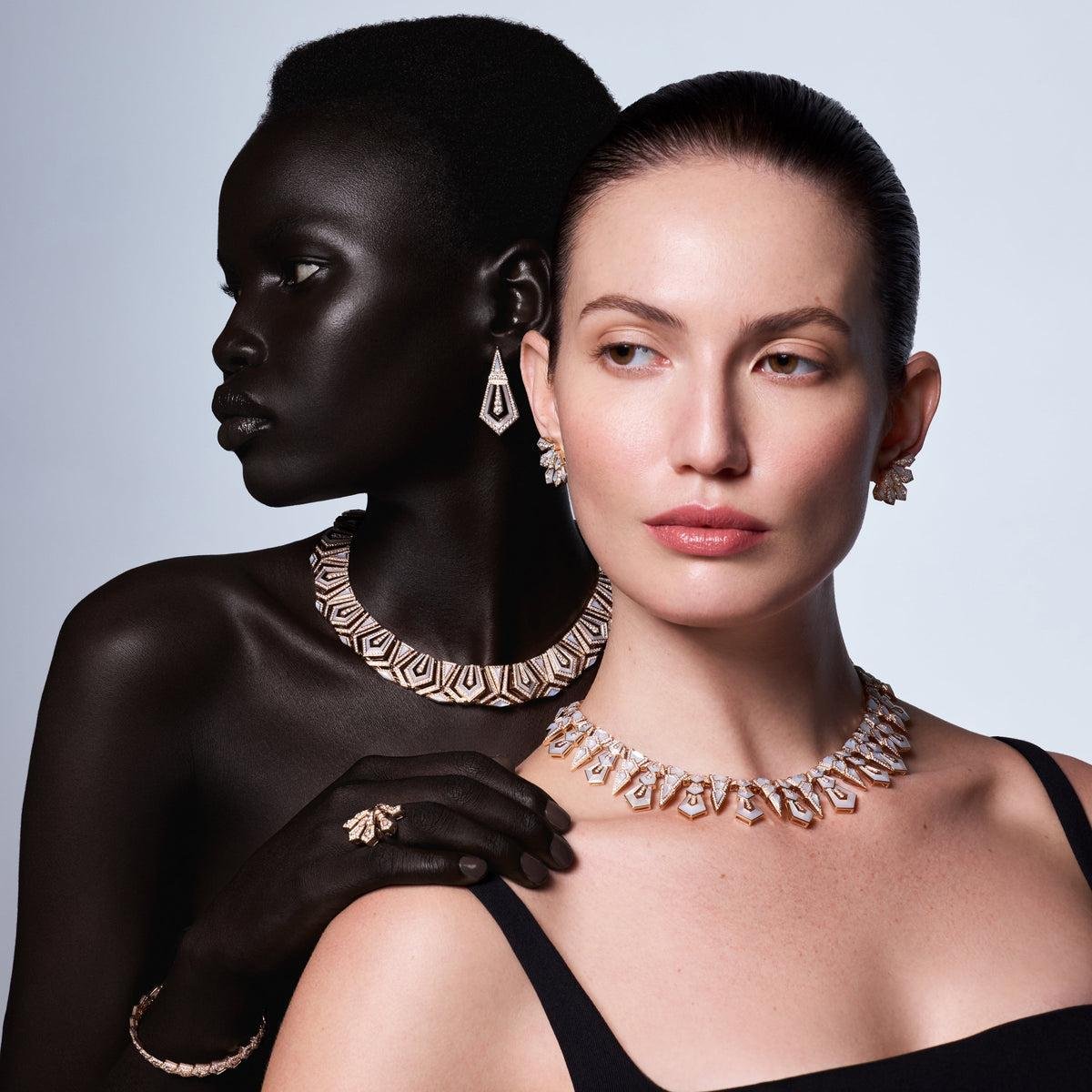
Buying fine luxury jewellery online can be an exciting way to discover beautiful pieces from different designers, brands and specialist retailers. From diamond rings and gold necklaces to gemstone earrings and elegant bracelets, online shopping offers access to a wide variety of jewellery styles.
However, purchasing valuable jewellery requires more care than buying ordinary fashion accessories. Materials, gemstone quality, craftsmanship, authenticity and documentation can all influence the value of a piece. Since you cannot physically examine jewellery before placing an online order, it is important to understand what to look for and which questions to ask.
Whether you are buying a special gift, choosing an engagement ring or adding a timeless piece to your personal collection, this guide will help you make a more informed decision.
Fine luxury jewellery is generally distinguished by its materials, craftsmanship, design and attention to detail.
Unlike ordinary fashion jewellery, fine jewellery often uses precious metals and natural gemstones. Some pieces are also produced in limited quantities or created by established jewellery houses with distinctive design traditions.
Common materials include:
The value of a jewellery piece depends on several factors, including the quality and weight of its materials, the gemstones used, the complexity of its design and the reputation of its maker.
A high price does not automatically guarantee superior quality. Buyers should examine the actual specifications of a piece rather than relying only on branding or marketing descriptions.
Before browsing online stores, decide what type of jewellery you want to purchase.
Different pieces serve different purposes, and understanding your preferences can make the shopping process easier.
Diamond jewellery
Diamond jewellery is popular for engagement rings, wedding jewellery, earrings and special occasions. Buyers should pay attention to diamond quality, cut, colour, clarity and carat weight.
Gold jewellery
Gold necklaces, bracelets, rings and earrings are classic choices. Gold jewellery is available in different colours and purity levels, including yellow gold, white gold and rose gold.
Platinum jewellery
Platinum is a precious metal known for its durability and naturally white appearance. It is commonly used in fine rings and other high-quality jewellery.
Gemstone jewellery
Sapphires, rubies, emeralds and other gemstones can add distinctive colour and character to a piece. Their value depends on factors such as colour, clarity, origin, treatments and overall quality.
Pearl jewellery
Pearl necklaces and earrings offer a timeless appearance. Buyers should understand the differences between natural, cultured and imitation pearls.
Choosing the right category first helps you compare similar pieces and understand the qualities that matter most.
One of the most important things to check when buying fine jewellery online is the purity of the metal.
Gold is often described in karats. The karat number indicates how much pure gold is contained in an alloy.
Common gold purities include:
Higher gold purity generally means a greater proportion of pure gold, but it does not automatically make a piece the best choice for everyday wear. Alloy composition, design and intended use also matter.
Platinum jewellery is commonly marked with a purity indication such as 950, representing 95% platinum.
Sterling silver is typically marked 925, indicating 92.5% silver.
When shopping online, look for clear information about metal type, purity and any relevant hallmarks.
If a product description simply says “gold jewellery” without specifying the purity or material, ask the seller for clarification.
If you are purchasing diamond jewellery, understanding the 4Cs is essential.
The 4Cs are cut, colour, clarity and carat weight. These characteristics are widely used to describe and evaluate diamonds.
Cut refers to how well a diamond has been shaped and proportioned to interact with light.
A well-cut diamond can reflect light beautifully, creating brightness and sparkle. Cut quality is particularly important when evaluating a diamond’s visual appearance.
Diamond colour grading generally measures how close a white diamond is to colourless.
The grading scale commonly runs from D to Z:
The importance of colour depends on the diamond’s size, shape, setting and personal preference.
Clarity describes the presence of internal characteristics, known as inclusions, and external characteristics, known as blemishes.
Diamonds are graded using categories that range from Flawless to Included.
Not every inclusion is visible to the naked eye. Buyers should consider both the grading and the actual appearance of the diamond.
Carat measures the weight of a diamond, not its physical dimensions.
One carat equals 0.2 grams.
A larger carat weight does not automatically mean a more beautiful or valuable diamond. Cut, colour, clarity and overall quality also influence its appearance and price.
Understanding these four characteristics helps you compare diamond jewellery more accurately.
Diamonds are not the only gemstones used in luxury jewellery.
Coloured gemstones such as sapphires, rubies and emeralds are valued for their colour, appearance, rarity and quality.
When purchasing gemstone jewellery online, pay attention to:
Some gemstones are routinely treated to improve their colour or clarity. Treatments are not necessarily a reason to avoid a gemstone, but they should be disclosed clearly because they can influence value and care requirements.
For significant purchases, consider asking for an independent gemological report from a recognised laboratory.
The report should describe the gemstone and disclose relevant characteristics or treatments within the scope of the laboratory’s examination.
Documentation can provide useful information when buying valuable jewellery online.
Depending on the item, documentation may include:
It is important to understand that different documents serve different purposes.
For example, a diamond grading report describes characteristics of a particular diamond. It is not necessarily a valuation or proof of the jewellery’s retail price.
Similarly, a jewellery appraisal may estimate value for insurance or other purposes, but it should not automatically be treated as evidence of current resale value.
Before purchasing, ask what documentation is included and who issued it.
For expensive diamonds and gemstones, independently verifiable reports from recognised gemological laboratories can be particularly useful.
The quality of craftsmanship can make a significant difference to the appearance, durability and comfort of luxury jewellery.
Even when two pieces use similar materials, their construction and finishing may differ.
Look for clear product photographs showing:
For rings, examine the setting and how securely the gemstone appears to be held.
For necklaces and bracelets, pay attention to chain construction, clasp quality and connection points.
For earrings, check the fastening mechanism and whether the design is suitable for regular wear.
A detailed product description should explain the materials, dimensions, weight where available and construction details.
Do not hesitate to request additional photographs if important areas are not visible in the listing.
One common challenge when buying jewellery online is choosing the correct size.
A beautiful ring may not fit properly, while a necklace may look different from what you expected if its length is unclear.
Before ordering, check the measurements carefully.
Rings
Confirm the ring size and the sizing system being used. International ring sizes can differ, so check the seller’s conversion guide.
If possible, measure an existing ring that fits comfortably or have your finger professionally sized.
Necklaces
Look for the necklace’s total length and, where available, an indication of how it sits when worn.
Common necklace lengths include:
These are general guidelines; the actual position depends on body proportions and necklace design.
Bracelets
Check the bracelet length and whether it includes an adjustable extension.
Earrings
Look at the dimensions, weight and fastening type. Product photographs alone may not communicate their actual size.
Always compare the listed measurements with jewellery you already own or a size guide from the seller.
Luxury jewellery brands often have distinctive design styles, materials and craftsmanship standards.
Some buyers prefer established jewellery houses, while others are interested in independent designers and specialist makers.
Before purchasing a branded piece, research:
If a product is described as an authentic designer item, check that the seller can explain its origin and provide appropriate supporting information.
Be cautious with listings that use brand names or logos without sufficient product details.
For independent designers, learn about their background, materials, manufacturing methods and reputation.
Selecting the right seller is just as important as selecting the jewellery.
A reliable seller should provide clear product information and be willing to answer questions about materials, gemstones, condition and documentation.
Before purchasing, review the following:
Business information
Look for clear business details, contact information and a professional online presence.
Product descriptions
Descriptions should specify metal purity, gemstone characteristics, measurements and other important details.
Product photography
Good listings should include clear photographs from multiple angles.
Customer feedback
Read independent reviews and look for repeated comments about product quality, delivery, returns and customer service.
Policies
Review payment methods, shipping arrangements, warranties and return conditions.
Communication
A seller should respond clearly to reasonable questions and avoid pressuring you into making an immediate purchase.
Do not assume that every online marketplace or retailer offers the same level of authentication or buyer protection. Read the actual policies before ordering.
Luxury jewellery prices can vary considerably, even for pieces that appear similar.
Differences may relate to:
When comparing diamond rings, for example, consider the diamond specifications as well as the setting and metal.
When comparing gold necklaces, look at gold purity, weight, construction and design.
Avoid choosing a piece based only on its lowest listed price.
A surprisingly low price for jewellery advertised as fine luxury jewellery should encourage you to investigate further.
Check whether the description accurately identifies the materials and whether the seller can provide supporting documentation.
Buyers shopping for diamond jewellery may encounter both natural and laboratory-grown diamonds.
Natural diamonds form naturally within the Earth over geological periods. Laboratory-grown diamonds are created through technological processes that reproduce the conditions needed for diamond formation.
Both are diamonds, but they differ in origin and may have different market prices and resale considerations.
When buying either type, check that the product description clearly identifies it.
For natural diamonds, ask about the grading report and any relevant treatments.
For laboratory-grown diamonds, look for clear disclosure of their origin and specifications.
Neither option is automatically the right choice for every buyer. The decision depends on personal preferences, budget and the importance you place on origin and resale considerations.
Luxury jewellery is often valuable and requires careful delivery arrangements.
Before purchasing online, understand how the seller handles shipping and what happens if an order is delayed, lost or damaged.
Check:
If you are buying from another country, additional costs may apply.
These can include import duties, taxes, customs processing fees and currency conversion charges.
Check your local import rules before ordering so that you understand the total cost.
Do not assume that an international order includes all taxes and customs charges unless the seller clearly confirms this.
Jewellery can look different in person than it does in online photographs.
The colour of a gemstone, the scale of a design and the appearance of a metal finish may vary depending on lighting and screen settings.
A clear return policy is therefore important.
Before buying, check:
Custom-made and personalised jewellery may have different return conditions from standard products.
Read the terms carefully before completing your order.
Fine jewellery can make a meaningful gift for birthdays, anniversaries, weddings, graduations and other important occasions.
However, choosing jewellery for someone else requires a little extra thought.
Consider the recipient’s personal style, preferred metal colour and usual jewellery choices.
For example:
If you are unsure about sizing or preferences, consider jewellery with adjustable features or confirm whether exchanges are possible.
Gift packaging and delivery dates may also be important, particularly when ordering for a special occasion.
A little preparation can help you avoid unnecessary problems.
Here are some common mistakes to watch out for.
Ignoring material specifications
Do not assume that a piece is solid gold or platinum because of its appearance. Check the exact metal and purity.
Buying diamonds without understanding the 4Cs
Compare diamond specifications rather than relying only on carat weight or photographs.
Overlooking gemstone treatments
Ask whether coloured gemstones have been treated and whether those treatments are disclosed.
Assuming certificates guarantee value
Reports and certificates provide specific information, but they do not necessarily guarantee authenticity of every component, retail value or resale price.
Ignoring measurements
Check ring sizes, necklace lengths, bracelet dimensions and earring measurements before ordering.
Choosing a seller without research
Read reviews, examine business information and understand the seller’s policies.
Forgetting additional costs
Shipping, insurance, taxes and import duties may increase the final purchase price.
Rushing into a purchase
Take time to compare similar pieces and ask questions before paying.
Buying fine luxury jewellery online offers access to an impressive range of designs, precious metals, gemstones and established brands.
However, an informed purchase requires more than choosing a beautiful photograph.
Understand the materials, check gemstone specifications, review documentation and examine craftsmanship. Make sure the measurements are suitable, compare prices and choose a seller with clear policies and reliable communication.
For particularly valuable jewellery, independent professional advice can be worthwhile.
Whether you are choosing a diamond ring, a gold necklace, a gemstone bracelet or a timeless pair of earrings, careful research can help you find a piece that suits your style and expectations.
Explore Luxury Marketplace to discover luxury products and continue your search for exceptional pieces.
Buying fine jewellery online can be safe when you research the seller, review product specifications, check documentation and understand the payment, shipping and return policies. For expensive purchases, consider independent professional advice.
Check the diamond’s cut, colour, clarity and carat weight. Also review the metal type, ring size, setting quality, grading documentation and seller’s return policy.
18K gold contains a higher proportion of pure gold than 14K gold. However, 14K gold can offer greater hardness in some applications. The best choice depends on the design, intended use and personal preferences.
Natural diamonds form within the Earth, while laboratory-grown diamonds are produced using technological processes. Both are diamonds, but their origins, prices and resale markets can differ.
Not every diamond jewellery item includes an independent grading report. Documentation depends on the diamond, product and seller. For significant purchases, ask what documentation is available and who issued it.
Check the materials, hallmarks, brand details, product documentation and seller information. For valuable branded jewellery or gemstones, consider an independent assessment by an appropriate specialist.
Some jewellery pieces may retain or increase their value, but this is not guaranteed. Brand, rarity, materials, condition and market demand all influence resale value. Buy jewellery primarily because you appreciate it rather than expecting a financial return.
Use the seller’s measurement guide and compare it with jewellery you already own. For rings, professional sizing is recommended when possible. For necklaces and bracelets, check the exact length before ordering.
At ZONEZI, brokers gain access to a curated portfolio of premium listings, while private owners enjoy unparalleled visibility within a global network of discerning buyers. We are committed to facilitating successful transactions in the world of luxury, driving growth, and creating valuable opportunities in the marketplace.