Apartment|Business Development|Houzez|Luxury|Real Estate

  • Home
  • Apartment|Business Development|Houzez|Luxury|Real Estate
The Icons of Luxury : The World’s Most Searched Celebrities in 2026

The Icons of Luxury: Inside the Homes, Wealth, and Global Lives of the World’s Most Searched Celebrities in 2026

In the world of global fame, very few individuals transcend entertainment and become luxury brands in their own right. They no longer simply sell music, sports, beauty, or fashion, they sell aspiration. Their homes become headlines, their private jets become social media trends, and their lifestyles influence everything from luxury real estate to watches, supercars, and private aviation.


In 2026, these are the celebrities who continue to dominate Google searches, luxury conversations, and global influence.


1. Taylor Swift

The Billion-Dollar Music Empire

Born in Pennsylvania, Taylor Swift began her career as a teenage country artist before becoming one of the most powerful entertainers in modern history. What started with handwritten lyrics and acoustic performances evolved into a global empire built on music ownership, songwriting rights, record-breaking tours, and strategic business decisions.

By 2026, Swift has become one of the wealthiest women in music, with a fortune estimated in the billions. Her Eras Tour reshaped the economics of live entertainment, generating billions in ticket sales, merchandise, licensing, and streaming revenue. She became the first billionaire whose fortune was built primarily through songwriting and performances.

But beyond music, Taylor is also a serious luxury real estate investor. Her portfolio reportedly includes properties in:

  • New York City
  • Los Angeles
  • Nashville
  • Rhode Island

Her Tribeca penthouses in New York remain among the most discussed celebrity residences in America.

Publicly reported primary residence (2026): New York City

Official website: Taylor Swift


2. Kim Taehyung

Korea’s Luxury Fashion Prince

Known globally as V of BTS, Kim Taehyung represents a new era of celebrity influence—where music, fashion, luxury branding, and global culture merge.

Born in Daegu, Taehyung rose from trainee life in Seoul to become one of the most recognizable faces in Asia. His voice, artistic identity, and charisma helped BTS become one of the biggest music acts in history.

Luxury houses quickly noticed.

He became associated with global fashion giants including:

  • CELINE
  • Cartier

His presence alone can move fashion markets and sell out collections within hours.

Though highly private, he is publicly associated with luxury residences in Seoul.

Publicly reported primary residence (2026): Seoul

Official website: BTS Official


3. Cristiano Ronaldo

Football’s First Billion-Dollar Lifestyle Icon

Few athletes in history have turned personal branding into a luxury empire like Ronaldo.

Born in Madeira, he rose through Manchester United, Real Madrid, and Juventus before moving to Saudi Arabia.

His empire includes:

  • CR7 fashion
  • Luxury hotels
  • Fitness centers
  • Fragrance and lifestyle products
  • Private aviation

Ronaldo owns a collection of hypercars from:

  • Bugatti
  • Ferrari
  • Rolls-Royce

His property portfolio stretches across Europe and the Middle East.

Publicly reported primary residence (2026): Riyadh

Official website: Cristiano Ronaldo


4. Lionel Messi

Quiet Luxury, Global Legacy

Unlike Ronaldo’s bold branding, Messi built his fortune through understated elegance.

Born in Rosario, he transformed FC Barcelona into a football dynasty before moving into American sports culture.

Messi’s investments include:

  • Luxury apartments
  • Hotel investments
  • Premium endorsements
  • Global sports licensing

Since joining Inter Miami, his family life has become closely associated with Florida’s ultra-luxury waterfront market.

Publicly reported primary residence (2026): Miami

Official website: Messi Official


5. Kylie Jenner

Beauty, Billions, and Private Aviation

Born into the Kardashian empire, Kylie Jenner turned reality TV into a cosmetics powerhouse through Kylie Cosmetics. Her brand revolutionized social-commerce beauty.

Her luxury life includes:

  • Private jets
  • Custom Rolls-Royce Cullinan collections
  • Designer handbags
  • Hidden Hills mega-estates

She remains one of the most searched luxury female celebrities online.

Publicly reported primary residence (2026): Hidden Hills

Official website: Kylie Jenner


6. Kim Kardashian

From Reality TV to Luxury Empire

Kim Kardashian transformed celebrity culture into serious business. Through ventures such as SKIMS, she redefined celebrity entrepreneurship.

Her minimalist California estate became an architectural phenomenon, influencing luxury interior design worldwide.

Her empire spans:

  • Fashion
  • Shapewear
  • Media production
  • Investments
  • Beauty

Publicly reported primary residence (2026): Hidden Hills

Official website: Kim Kardashian


7. Rihanna

The Queen of Fashion and Beauty

Rihanna may have started in music, but her true wealth came through business.

Through:

  • Fenty Beauty
  • Savage X Fenty

She built one of the most successful celebrity-owned luxury businesses.

Her residences span:

  • Los Angeles
  • Barbados

Publicly reported primary residence (2026): Los Angeles

Official website: Rihanna Official


8. Drake

The Collector of Cars, Art, and Mansions

Drake’s rise from actor to global music icon transformed him into one of luxury culture’s biggest influencers.

His famous mansion in Toronto—known as The Embassy—features:

  • Indoor basketball court
  • Recording studios
  • Designer marble interiors
  • Museum-level art collections

His garage includes rare hypercars and collectible vehicles.

Publicly reported primary residence (2026): Toronto

Official website: Drake Related


9. Beyoncé

Royalty in Music and Luxury

Beyoncé’s influence extends beyond music into film, fashion, and global luxury partnerships.

Her real estate portfolio includes some of America’s most valuable celebrity homes, shared with Jay-Z.

Publicly reported primary residence (2026): Los Angeles

Official website: Beyoncé


10. Justin Bieber

From Teen Idol to Luxury Homeowner

Discovered on YouTube, Justin Bieber became one of the defining stars of the digital era.

His wealth expanded through:

  • Music catalog sales
  • Fashion ventures
  • Luxury endorsements
  • Real estate acquisitions

His Beverly Hills properties continue to rank among celebrity luxury home searches.

Publicly reported primary residence (2026): Beverly Hills

Official website: Justin Bieber


In 2026, celebrity influence no longer ends with fame. It shapes architecture, design, investment trends, private aviation, supercars, and global luxury real estate. These stars are no longer just celebrities, they are ecosystems of wealth, branding, and aspiration.
10/05/2026No comments
What Makes a Luxury Property Appreciate Faster?

In the world of prime real estate, price alone does not define luxury. Nor do imported marble finishes, designer kitchens, or infinity pools overlooking the ocean. What truly defines a premium property over time is something far more powerful: its ability to appreciate.

For high-net-worth individuals, global investors, and family offices, luxury real estate is no longer viewed simply as a lifestyle purchase. It has become a strategic asset class capable of preserving wealth, generating rental income, and delivering long-term capital growth. Yet not all luxury homes perform the same. Some properties quietly double in value over a decade, while others struggle to outperform inflation despite their impressive price tags. The difference usually comes down to a few critical factors.

The first, and perhaps most obvious, is location. But in luxury real estate, location goes far beyond city or country. It is about being in the most desirable micro-location within that market. An oceanfront estate in Phuket, a penthouse overlooking Palm Jumeirah, or a historic residence in central London will often appreciate faster because these locations offer what affluent buyers value most: exclusivity, prestige, privacy, and limited supply. In prime markets, buyers are not simply purchasing square meters. They are purchasing position.
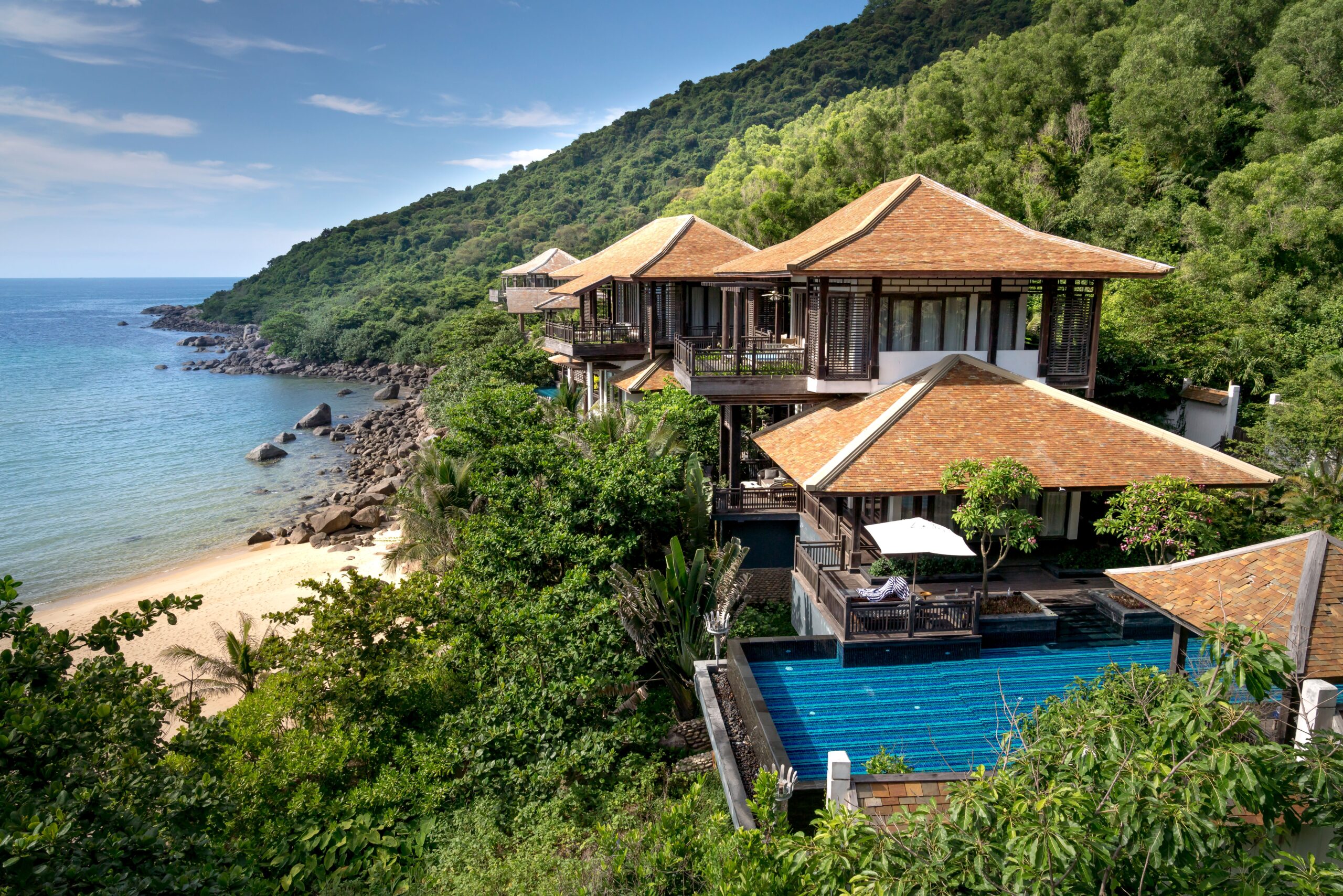

Closely tied to location is scarcity. Luxury properties appreciate faster when they occupy land, views, or positions that cannot easily be replicated. Waterfront homes, cliffside villas, branded residences, and trophy penthouses often command stronger appreciation because there is only a finite number of them. When supply is permanently limited, demand from wealthy buyers tends to push values higher over time. In luxury real estate, rarity often creates premium pricing.

Another major factor is architecture and design quality. Not all luxury homes age well. Some properties follow design trends that feel outdated after a few years, while others remain timeless and desirable across generations. Homes designed by respected architects, built with exceptional materials, and planned with intelligent layouts often retain stronger market appeal. Clean lines, natural light, seamless indoor-outdoor living, and thoughtful proportions continue to attract buyers long after temporary design trends fade. Exceptional design does not simply create visual appeal. It protects value.

Today’s luxury buyers are also placing greater emphasis on privacy and security. As wealth becomes more visible and lifestyles become increasingly public, privacy has become one of the most valuable features in high-end real estate. Gated communities, private driveways, secure access, mature landscaping, and homes without overlooking neighbors all contribute to stronger long-term desirability. For many affluent buyers, privacy is no longer considered a bonus. It is an expectation.

A luxury property’s surrounding ecosystem also plays a major role in appreciation. Homes located near championship golf courses, private marinas, international schools, wellness resorts, fine dining, and luxury shopping districts often outperform comparable properties in less developed areas. Buyers today are investing not only in the home itself, but in the lifestyle infrastructure around it. The easier it is to access world-class amenities, the stronger the long-term buyer demand.

Sophisticated investors also look carefully at ownership structure and legal security. Clear title deeds, secure freehold ownership, transparent legal frameworks, and easy transferability all increase buyer confidence. Even a spectacular property can struggle if the ownership structure is unclear or complicated. In global real estate markets, legal certainty often becomes just as valuable as location.

Another powerful driver is rental performance. Luxury properties that generate strong short-term or executive rental income tend to attract both lifestyle buyers and investors. A villa that can produce meaningful cash flow while appreciating in value becomes far more attractive in the eyes of global buyers. This combination of emotional appeal and financial performance often accelerates price growth.

Infrastructure development can also dramatically impact appreciation. New marinas, airport expansions, luxury retail districts, international schools, and improved road access can transform an area over time. Some of the best-performing luxury investments are made before a location reaches global recognition. Early investors who identify future growth corridors often benefit the most.

Finally, there is something less tangible but equally powerful: prestige. In luxury real estate, emotion matters. Buyers often pay premiums for iconic addresses, architectural landmarks, celebrity-owned homes, or residences with unforgettable views. Prestige creates desire, and desire often drives appreciation beyond traditional valuation models.

The fastest-appreciating luxury properties usually share the same DNA: exceptional location, true scarcity, timeless design, privacy, strong infrastructure, legal security, and global buyer appeal. When these elements come together, a property becomes more than a home. It becomes a long-term wealth asset, a lifestyle statement, and a piece of real estate that the market continues to value more highly with time.

10/05/2026No comments,
Can I Make Money Chartering Out My Yacht?

Understanding Income Potential From Yacht Charter Programs

For many yacht owners, the dream begins with the vessel itself. The craftsmanship, the privacy, the freedom to explore some of the world’s most exclusive coastlines. But once ownership becomes reality, another question often follows:

Can a yacht actually generate income?

The short answer is yes—but with important expectations.

Yacht charter programs can create substantial revenue, particularly in high-demand destinations such as French Riviera, Monaco, the Caribbean, and destinations like Phuket. However, most experienced owners and brokers will tell you the same thing: charter income is usually designed to offset ownership costs rather than create pure profit.

That distinction matters.

How Yacht Charter Income Works

When an owner places a yacht into a professional charter management program, the vessel becomes available for private bookings during selected periods of the year. Guests pay a weekly charter rate, often ranging from $15,000 per week for smaller luxury motor yachts to over $1 million per week for large superyachts, depending on the size, builder, crew, location, and onboard amenities. (Yacht Market Intel)

For example:

A 60–80 foot luxury yacht may generate between $15,000 and $50,000 per week in popular charter markets.

An 80–130 foot superyacht may command $50,000 to $250,000+ per week.

Larger vessels over 40 meters can generate $250,000 to several million dollars per week during peak season. (LuxMetrix)

On paper, the numbers can look extremely attractive.

But gross revenue is only part of the story.

The Costs Behind Charter Revenue

Operating a yacht is expensive. Crew salaries, insurance, docking fees, maintenance, fuel systems, cleaning, provisioning, repairs, management fees, marketing, and compliance certifications all affect profitability.

Most charter brokers or management companies also charge 15% to 20% commission on bookings. In addition, charter usage naturally increases wear and tear on engines, interiors, electronics, tenders, and water toys. (YachtBuyer)

Because of these costs, many yacht owners do not fully cover annual ownership expenses through chartering alone.

A well-positioned charter yacht may offset 20% to 70% of annual operating expenses, depending on size, location, seasonality, and booking performance. (LuxMetrix)

What Makes a Yacht More Profitable for Charter?

Not every yacht performs equally in the charter market.

Yachts with the strongest booking demand typically offer:

Prime cruising locations
Mediterranean summers, Caribbean winters, Southeast Asia growth markets.

Exceptional onboard amenities
Beach clubs, jacuzzis, gyms, spas, cinema rooms, diving equipment, and toy garages.

Strong design and layout
Flexible guest cabins, large exterior decks, family-friendly entertainment areas.

Professional crew and service standards
Repeat charter clients often book because of the crew experience as much as the yacht itself.

This is why vessels built specifically for charter often outperform yachts designed purely for private family use.

Can Yacht Chartering Become a Real Investment?

In some cases, yes.

Certain owners of catamarans, boutique charter vessels, or mid-size charter yachts have created profitable businesses around yacht operations. Community discussions among yacht owners also suggest smaller charter-focused vessels can sometimes outperform ultra-large superyachts in percentage returns, while larger yachts are more commonly used to reduce ownership costs rather than generate net profit. (Reddit)

For ultra-luxury yacht owners, however, chartering is often viewed as a financial optimization strategy, not a standalone business.

It can help reduce operating costs, preserve crew continuity, maintain the vessel at high standards, and generate cash flow during periods when the owner is not onboard.

So, Can You Make Money Chartering Out Your Yacht?

Yes—but the smartest owners approach yacht charter income with the right mindset.

A yacht is rarely a traditional passive investment. It is a luxury asset that can produce revenue, offset expenses, and potentially improve long-term ownership efficiency.

The real opportunity is not always maximizing profit.

Often, it is reducing the cost of ownership while keeping the lifestyle, flexibility, and prestige that yacht ownership delivers.

10/05/2026No comments,
Which Luxury Car Brands Accept Cryptocurrency Payments?

Can You Really Buy a Lamborghini or Ferrari With Crypto?

For years, the phrase “When Lambo?” became one of cryptocurrency’s most recognizable cultural references. Originally used within Bitcoin and crypto communities as shorthand for financial success, it symbolized the moment digital assets could transform paper wealth into something tangible—something extraordinary. But in today’s luxury market, that question is no longer theoretical.

A more relevant question has emerged: Can you actually buy a Ferrari or Lamborghini with cryptocurrency?

The answer is increasingly yes.

As digital assets continue to mature and high-net-worth investors diversify beyond traditional finance, luxury brands and premium dealerships have started adapting to a new type of buyer—one who may hold significant wealth in Bitcoin, Ethereum, or stable coins rather than traditional cash positions.

What once felt like a futuristic idea is now becoming part of modern luxury commerce.

Ferrari and Cryptocurrency

Among global supercar brands, Ferrari has taken one of the clearest steps toward crypto adoption.

In 2023, Ferrari began accepting cryptocurrency payments through selected dealerships in the United States using BitPay. Buyers could complete purchases using Bitcoin, Ethereum, and USDC, with the crypto instantly converted into fiat currency, protecting dealers from price volatility. Ferrari later expanded the program to additional markets, including parts of Europe. (BitPay)

This move was significant because it marked one of the first major legacy performance brands to publicly support crypto transactions through an official dealer network.

For Ferrari, the decision reflected changing buyer demographics. Many ultra-high-net-worth clients now hold meaningful portions of their wealth in digital assets, and offering crypto payments became both a strategic convenience and a modern luxury statement.

Lamborghini and Cryptocurrency

Unlike Ferrari, Automobili Lamborghini has not announced a global factory-wide cryptocurrency payment program.

However, the brand’s dealer network has been active in the space for years.

Select Lamborghini dealerships in the United States and Europe—including high-profile dealers in California, Texas, and France—have processed crypto transactions using platforms such as BitPay and Lyzi. These transactions typically allow buyers to pay using cryptocurrencies while the dealership receives settlement in local currency. (BitPay)

In practical terms, this means yes, you can buy a Lamborghini with crypto, although acceptance often depends on the individual dealership rather than the manufacturer itself.

Why Luxury Car Brands Are Exploring Crypto

Luxury automotive brands understand that their buyers are evolving.

Today’s affluent clients increasingly come from technology, venture capital, blockchain, digital finance, and entrepreneurial backgrounds. Many of them prefer to hold liquidity in digital assets rather than moving funds through traditional banking channels.

For brands and dealers, crypto payments can offer:

Faster international transactions.
Cross-border purchases become more efficient for global buyers.

Access to a younger high-net-worth audience.
Crypto investors are increasingly entering luxury spending categories.

Reduced friction in international acquisitions.
Traditional wire transfers, currency conversion, and banking delays can be minimized.

Modern brand positioning.
Accepting digital assets signals innovation, exclusivity, and adaptability.

At the same time, most luxury dealers avoid direct exposure to cryptocurrency volatility by using payment processors that immediately convert crypto into fiat at the point of sale.

So, Can You Buy a Ferrari or Lamborghini With Crypto?

Today, the answer is increasingly clear.

If you are purchasing a Ferrari, there is now an official pathway through participating dealerships in selected regions.

If you are purchasing a Lamborghini, crypto purchases are possible through select authorized dealers and luxury automotive groups, depending on location and dealership policy.

In other words, the once-famous crypto joke has become reality.

The future of luxury is no longer just horsepower, craftsmanship, or exclusivity. Increasingly, it is also about how wealth moves.


Luxury Brand Headquarters & Corporate Contact Information

Ferrari

Country: Italy
Headquarters: Maranello, Modena, Italy
Corporate Address: Via Abetone Inferiore No. 4, 41053 Maranello (MO), Italy
Phone: +39 0536 949111
Email: customerservice@ferrari.com
Website: Ferrari Official Website

Automobili Lamborghini

Country: Italy
Headquarters: Sant’Agata Bolognese, Bologna, Italy
Corporate Address: Via Modena 12, 40019 Sant’Agata Bolognese (BO), Italy
Phone: +39 051 9597611
Email: customercare@lamborghini.com
Website: Lamborghini Official Website

10/05/2026No comments,
Should We Hire a Lead Generation Agency or Build In-House?

In today’s increasingly competitive business environment, lead generation is no longer simply a sales function. It is the engine that drives revenue, fuels growth, and determines how effectively a company can compete in crowded markets. Whether you operate in B2B services, technology, finance, luxury real estate, or e-commerce, the ability to consistently attract qualified prospects can directly shape long-term business success.

As companies scale, one strategic question often emerges: Should we hire a lead generation agency, or should we build an in-house lead generation team?

At first glance, the answer may seem straightforward. Outsourcing promises speed, expertise, and immediate execution, while building internally offers control, brand alignment, and long-term asset creation. In reality, the decision is far more strategic and often depends on a company’s stage of growth, internal capabilities, budget, sales cycle, and expansion goals.

Hiring a lead generation agency is often the fastest route to market. Established agencies typically bring proven systems, experienced outreach specialists, CRM workflows, paid advertising expertise, email automation strategies, content funnels, and data-driven targeting. For businesses looking to scale quickly or enter new markets, this can dramatically shorten the learning curve.

One of the biggest advantages of outsourcing is speed of execution. Rather than spending months recruiting, training, testing software, building scripts, and refining outreach campaigns, companies can often launch within weeks using an experienced external partner. This can be particularly valuable for startups, growth-stage businesses, or companies launching new products and services.

Agencies also bring cross-industry experience. Because they work with multiple clients, they often identify market trends, messaging strategies, and acquisition channels faster than internal teams that operate within a single ecosystem. Their exposure to multiple campaigns can provide valuable insights into buyer behavior, conversion psychology, and campaign optimization.

However, outsourcing is not without limitations.

An external agency may understand lead generation, but they may not fully understand your brand, your culture, your client psychology, or the deeper nuances of your product. Even highly skilled agencies often require onboarding time, frequent communication, and continuous feedback before messaging truly aligns with your company’s voice.

There is also the issue of dependency. When lead generation lives entirely outside your business, performance, systems, and even customer acquisition knowledge may remain in the hands of a third party. If the relationship ends, the internal team may find itself without processes, data ownership clarity, or sustainable acquisition infrastructure.

Building an in-house lead generation team, on the other hand, is often viewed as a long-term investment. Internal teams tend to develop a deeper understanding of the company’s products, pricing, competitive advantages, customer objections, and brand identity. Over time, this can lead to stronger messaging, better qualification, and higher conversion quality.

An internal team also offers greater control. Leadership can directly influence campaign strategy, messaging adjustments, target audiences, CRM workflows, and sales alignment without relying on external timelines or communication cycles.

As the business grows, an in-house team becomes a valuable intellectual asset. The knowledge gained from campaigns, customer conversations, objections, and conversion data remains inside the organization, creating compounding advantages over time.

That said, building internally requires patience, capital, and leadership. Recruiting talent, selecting technology stacks, building systems, training staff, and managing performance can take months before meaningful results appear. Salaries, software subscriptions, CRM integrations, advertising budgets, and management overhead can also make internal teams significantly more expensive in the early stages.

For many businesses, the real decision is not agency versus internal team. It is speed versus ownership, flexibility versus control, and short-term execution versus long-term capability.

Companies entering new markets, testing product-market fit, or needing immediate pipeline often benefit from agency support. Businesses with established operations, consistent revenue, and long-term scaling ambitions often find greater value in building internal acquisition systems.

Increasingly, the most effective companies adopt a hybrid model. They begin with an external lead generation agency to accelerate results, gather market intelligence, and validate acquisition channels, then gradually build an internal team that can take ownership as the business matures.

In the end, lead generation is not simply about finding prospects. It is about building a predictable, scalable, and sustainable revenue engine. The right decision depends less on trend and more on where your business stands today—and where you intend to take it tomorrow.

10/05/2026No comments
Should I Hire a Real Estate Agent or Sell My House Myself?

Selling a home is rarely just a transaction. For many homeowners, it represents years of memories, financial planning, personal investment, and often the next chapter of life. Whether you are upgrading to a larger residence, relocating internationally, downsizing, or liquidating an investment property, one question almost always arises before the property reaches the market: should you hire a real estate agent, or should you sell your house yourself?

With the growth of online property platforms, social media marketing, and digital valuation tools, the idea of selling independently has become more appealing than ever. Known in the industry as FSBO (For Sale By Owner), this route gives homeowners direct control over the entire sales process. On the surface, it seems simple enough. Market the property, arrange viewings, negotiate with buyers, and avoid paying commission fees.

For some sellers, this approach can be successful. Those with prior real estate experience, strong negotiation skills, or an existing network of qualified buyers may feel comfortable navigating the process on their own. The potential to save on commission is often the primary motivation, especially when dealing with high-value real estate where fees can be significant.

Yet the reality of selling property is often more nuanced.

One of the greatest challenges homeowners face when selling independently is pricing. Setting the right asking price requires more than comparing a few nearby listings online. A property’s true market value is influenced by timing, buyer sentiment, location, presentation, comparable sales, architectural appeal, renovation quality, and broader market conditions. Price a property too high, and it may sit on the market for months, losing momentum. Price it too low, and the seller may leave substantial value behind.

This is where professional real estate agents often demonstrate their expertise.

An experienced agent brings a level of market intelligence that goes far beyond simply listing a property. They understand local inventory, buyer behavior, negotiation psychology, and the subtle details that influence how a home is perceived. In many cases, strategic pricing alone can significantly affect the final outcome.

Marketing is another area where professional representation can make a meaningful difference. Today’s buyers expect more than a few photographs and a brief description. Particularly in the luxury real estate market, presentation shapes perceived value before a buyer ever steps inside the property. High-quality photography, cinematic video tours, professional copywriting, floor plans, digital advertising, and international exposure all play a role in attracting the right audience.

A skilled real estate agent often has access to established buyer networks, relocation clients, investors, and broker relationships that independent sellers may struggle to reach. Exposure is not simply about getting views. It is about getting in front of qualified buyers who are financially capable and genuinely motivated.

Negotiation is where many private sellers encounter their biggest challenges. Buyers are often well informed, emotionally detached, and focused on securing the best possible terms. When negotiating directly with an owner, they may test pricing flexibility, request repairs, negotiate furnishings, or attempt to leverage time pressure. Without experience, it is easy for a seller to become emotionally involved or make concessions that affect the final result.

A seasoned real estate agent brings objectivity, strategy, and experience to these conversations. They negotiate strategically, manage expectations, and protect the seller’s interests while keeping the transaction moving forward.

There is also the legal side of property sales. Contracts, disclosures, title verification, compliance requirements, tax considerations, deadlines, and closing procedures all require attention to detail. Mistakes in documentation can cause delays, disputes, or unnecessary financial risk.

This does not mean FSBO is the wrong choice for everyone. Some homeowners genuinely have the knowledge, time, confidence, and resources to manage the process successfully. But for many sellers, especially those handling premium homes, waterfront properties, investment assets, or international real estate, professional representation often delivers stronger results.

Ultimately, the decision is not simply about saving on commission. It is about understanding where expertise creates value.

Selling a home is not just about finding a buyer. It is about finding the right buyer, presenting the property with precision, negotiating from a position of strength, and achieving the best possible outcome in a competitive real estate market.

10/05/2026No comments,
The Rise of Supercars Branded Residences

Ferrari, Armani, Bugatti & Bentley Homes Transform Global Luxury Real Estate

Luxury real estate is no longer just about location. The world’s wealthiest buyers are now purchasing identity, heritage, and brand association as much as square footage. Over the past decade, branded residences have become one of the fastest-growing sectors in global luxury property, merging the worlds of fashion, automotive engineering, hospitality, and architecture into a single lifestyle experience.

From Ferrari-inspired towers in Dubai to Armani-designed residences in Miami and Bugatti-branded penthouses in the UAE, luxury developers are increasingly partnering with iconic global brands to create properties that function as status symbols as much as homes. For ultra-high-net-worth buyers, these residences represent something deeper than real estate investment. They represent access to a global luxury ecosystem built around exclusivity, design, and prestige.

━━━━━━━━━━━━━━

Ferrari-Inspired Residences and the Power of Pininfarina

One of the most talked-about developments in the luxury property market today is the Iconic Residences by MERED in Dubai Media City, designed by Pininfarina, the legendary Italian design house behind many of Ferrari’s most iconic cars.

Although Ferrari itself is not the direct developer, the project carries unmistakable Ferrari design influence through Pininfarina’s signature aesthetic language. Curved architectural lines, aerodynamic-inspired forms, premium materials, and minimalist Italian elegance reflect the same philosophy that helped define Ferrari’s visual identity for decades.

The residences are designed to feel like an extension of Italian automotive craftsmanship rather than conventional real estate.

Located in Dubai Media City, the project benefits from proximity to Dubai Marina, Palm Jumeirah, luxury hospitality destinations, and some of the city’s most desirable lifestyle districts.

MERED has positioned the development as a design-driven luxury experience aimed at globally mobile buyers who value architecture, exclusivity, and branded living. (mered.ae)

MERED Contact Information
Website: MERED Official Website
Email: office@mered.ae
Phone: +971 4 879 7271
Headquarters: Al Salam Tecom Tower, Dubai, UAE (mered.ae)

Ferrari Headquarters
Website: Ferrari Official Website
Headquarters: Maranello, Italy
Phone: +39 0536 949111 (Ferrari)

━━━━━━━━━━━━━━

Armani Residences: Fashion Meets Architecture

Few luxury brands have crossed into real estate as successfully as Armani.

Founded by legendary Italian designer Giorgio Armani, the Armani brand built its reputation on understated elegance, tailored minimalism, and refined materials. Those same principles now shape Armani-branded residences around the world.

One of the most famous examples is the Armani Residences inside the Burj Khalifa in Dubai, where interiors were personally designed under Armani’s creative direction. The project introduced a softer, more restrained interpretation of luxury compared with the ultra-flamboyant style often associated with Dubai real estate.

Armani has since expanded into additional luxury residential projects in locations including Miami and Saudi Arabia.

The appeal of Armani residences lies in consistency. Buyers know exactly what the brand represents:

  • muted sophistication
  • premium craftsmanship
  • timeless design
  • exclusivity without excess

Armani Contact Information
Website: Armani Official Website
Headquarters: Milan, Italy
Phone: +39 02 72318 1

━━━━━━━━━━━━━━

Bugatti Residences: Hypercar Culture Enters Real Estate

Bugatti has also entered the luxury property market through Bugatti Residences by Binghatti in Dubai.

Known globally for producing some of the world’s fastest and most exclusive hypercars, Bugatti represents engineering extremity and collectible status. The Dubai project translates that philosophy into architecture through dramatic forms, Riviera-inspired interiors, ultra-premium penthouses, and automotive-inspired detailing.

Located in Business Bay, the tower has become one of Dubai’s most visible branded real estate launches.

The development targets buyers seeking rarity and spectacle rather than quiet luxury. In many ways, the project reflects Bugatti’s own brand identity:

  • bold engineering
  • hyper-exclusivity
  • artistic performance
  • collector culture

Bugatti Headquarters
Website: Bugatti Official Website
Headquarters: Molsheim, France
Phone: +33 3 88 04 66 00

━━━━━━━━━━━━━━

Bentley Residences and Automotive Luxury Living

Bentley has also expanded into branded real estate through Bentley Residences in Miami.

Unlike Ferrari-inspired projects focused on performance aesthetics, Bentley’s approach emphasizes refined British luxury, privacy, craftsmanship, and comfort. The development features signature Bentley-inspired materials, wellness-focused interiors, oceanfront living, and even vehicle elevators allowing owners to park cars directly beside their residences.

This blend of automotive luxury and architecture represents a major shift in high-end property development. Luxury car brands no longer sell only vehicles. They sell an entire lifestyle universe.

Bentley Residences appeals to buyers seeking:

  • quiet prestige
  • heritage craftsmanship
  • sophisticated design
  • ultra-private luxury living

Bentley Headquarters
Website: Bentley Motors Official Website
Headquarters: Crewe, England
Phone: +44 1270 255155

━━━━━━━━━━━━━━

Why Branded Residences Are Growing So Quickly

The global branded residence market continues expanding because wealthy buyers increasingly trust internationally recognized luxury brands more than unknown developers.

Brand association creates:

  • emotional reassurance
  • resale prestige
  • stronger global visibility
  • perceived exclusivity
  • stronger marketing appeal

For developers, partnerships with luxury brands instantly elevate project positioning within the market.

For buyers, branded residences create lifestyle continuity. Someone purchasing a Ferrari, Bentley, or Armani residence is often already emotionally connected to the values those brands represent.

This is particularly true in cities such as:

  • Dubai
  • Miami
  • London
  • Phuket
  • Riyadh
  • Singapore

where luxury real estate increasingly overlaps with fashion, hospitality, and automotive culture.

━━━━━━━━━━━━━━

The Future of Luxury Real Estate

Branded residences are no longer a niche segment.

They are becoming the future of ultra-prime real estate.

As global wealth continues rising and luxury buyers seek more emotionally driven purchases, real estate developers are increasingly partnering with iconic brands capable of delivering instant global recognition.

The modern luxury buyer no longer asks only:
“How large is the property?”

They ask:
“What world does this property belong to?”

That question is reshaping luxury real estate across the globe.

08/05/2026No comments
Ferrari Design DNA Arrives in Dubai

Inside MERED’s Pininfarina-Designed Iconic Residences

Dubai’s luxury real estate market has evolved far beyond traditional penthouses and waterfront apartments. Today, the city is becoming a global stage for branded residences where architecture, fashion, hospitality, and automotive culture merge into a single lifestyle experience.

One of the most striking examples of this shift is MERED’s Iconic Residences in Dubai Media City, designed by Pininfarina, the legendary Italian design house globally recognized for shaping some of Ferrari’s most iconic automobiles.

While the project is not officially owned by Ferrari, its identity is deeply connected to Ferrari’s design heritage through Pininfarina’s unmistakable aesthetic language. The result is a residence that feels less like conventional real estate and more like an extension of Italian automotive artistry.

━━━━━━━━━━━━━━

The Legacy Behind Ferrari’s Most Iconic Designs

To understand the significance of the project, one must first understand Pininfarina’s relationship with Ferrari. Founded in Italy in 1930 by Battista “Pinin” Farina, Pininfarina became one of the most respected design houses in automotive history. For decades, the company was responsible for creating many of Ferrari’s most legendary silhouettes, helping define the visual identity of Italian luxury performance.

Ferrari’s global image was shaped not only by engineering but by emotion, elegance, and proportion. Pininfarina understood how to make speed appear beautiful. Their designs introduced flowing lines, aerodynamic forms, sculpted curves, and minimalist sophistication that became synonymous with Ferrari itself.

That philosophy now moves beyond the road and into architecture.

━━━━━━━━━━━━━━

MERED’s Vision for Luxury Living

MERED has positioned Iconic Residences as a design-led luxury project created for internationally mobile buyers who value architecture, exclusivity, and branded lifestyle experiences. Located in Dubai Media City, the development sits within one of Dubai’s most strategically connected luxury districts, offering direct access to Dubai Marina, Palm Jumeirah, Sheikh Zayed Road, and some of the city’s leading hospitality and lifestyle destinations.

The architecture carries a sense of movement often associated with Ferrari-inspired automotive design. Curved structural forms, fluid transitions between spaces, and sleek contemporary detailing create a visual rhythm throughout the tower. Inside, the residences reflect the same principles found in elite Italian supercars: precision, craftsmanship, and controlled elegance.

━━━━━━━━━━━━━━

Ferrari-Inspired Materials and Interior Design

One of the strongest elements of the project lies in its material selection. Pininfarina’s influence is visible through the use of premium surfaces, refined textures, and carefully engineered spatial flow. The interiors avoid excessive ornamentation and instead focus on modern sophistication. Natural stone, brushed metal finishes, reflective glass, bespoke wood detailing, and soft-touch contemporary materials create an atmosphere similar to entering a handcrafted Ferrari grand touring vehicle.

Lighting also plays a major role in the experience. The spaces are designed to maximize natural illumination while accentuating architectural contours and textures throughout the residence. Floor-to-ceiling windows further reinforce openness and fluidity, concepts central to Ferrari’s automotive philosophy and Pininfarina’s architectural approach. The result is understated luxury rather than loud opulence.

━━━━━━━━━━━━━━

Why Dubai Media City Matters

Dubai Media City has evolved into one of Dubai’s most strategically positioned luxury districts, attracting executives, entrepreneurs, investors, and globally connected buyers.

Unlike purely tourism-driven areas, the district combines:

  • luxury residential demand
  • business infrastructure
  • international accessibility
  • waterfront proximity
  • premium hospitality
  • elite lifestyle destinations

For international investors, this combination of lifestyle and accessibility is increasingly valuable.

As Dubai continues attracting global wealth migration, branded residences in prime locations remain among the city’s most desirable luxury real estate assets.

━━━━━━━━━━━━━━

The Rise of Automotive-Branded Real Estate

Luxury buyers today are purchasing more than homes. They are purchasing identity. This explains why Ferrari-inspired and automotive-branded real estate has become one of the fastest-growing sectors within the global luxury property market. Buyers who admire Ferrari are often drawn to the same qualities in architecture: precision, exclusivity, craftsmanship, performance, and timeless Italian design.

MERED’s collaboration with Pininfarina taps directly into that emotional connection. The project appeals not only to property investors but also to collectors of luxury culture itself.

━━━━━━━━━━━━━━

A New Era of Luxury Property

The Iconic Residences represent something larger happening within global real estate. The future of luxury property is increasingly shaped by branding, emotional storytelling, and design heritage. In many ways, branded residences are becoming modern status symbols similar to luxury watches, rare automobiles, or private yachts. Dubai understands this transformation better than almost any city in the world. Projects connected to globally recognized luxury design houses carry a different psychological value in the market because they offer buyers participation in an internationally recognized luxury ecosystem.

MERED’s Ferrari-inspired vision through Pininfarina captures precisely that shift. It is not simply a place to live. It is a statement about taste, design, and the future of luxury itself.

━━━━━━━━━━━━━━

MERED Contact Information

Company: MERED
Website: MERED Official Website
Email: office@mered.ae
Phone: +971 4 879 7271
Dubai Headquarters:
4501 Al Salam Tecom Tower, Floor 45, Dubai, UAE (mered.ae)

━━━━━━━━━━━━━━

Ferrari Headquarters Contact Information

Company: Ferrari S.p.A.
Website: Ferrari Official Website
Phone: +39 0536 949111
Headquarters & Factory:
Via Abetone Inferiore No. 4, 41053 Maranello (MO), Italy (ferrari.com)

08/05/2026No comments
Richard Mille: The Billion-Dollar Watchmaker

Richard Mille: The Billion-Dollar Watchmaker That Redefined Modern Luxury

In the world of haute horology, few brands have disrupted traditional watchmaking as aggressively as Richard Mille.

Founded in 2001, the brand transformed the perception of what a luxury watch could be. While historic Swiss maisons built their reputations on centuries of heritage and classical aesthetics, Richard Mille entered the industry with something radically different: futuristic design, aerospace engineering, ultra-light materials, and prices that shocked even seasoned collectors.

Today, Richard Mille watches are worn by billionaires, Formula 1 drivers, elite athletes, musicians, royalty, and some of the world’s most influential celebrities. More than just timepieces, they have become symbols of modern wealth, exclusivity, and technological luxury.

The Founder: Richard Mille Himself

Richard Mille was not a traditional watchmaker crafting movements at a workbench in Switzerland. Instead, he emerged from the luxury and marketing side of the industry, having worked with prestigious watch companies before launching his own brand at the age of 50.

His vision was clear from the beginning.

Richard Mille wanted to create the “Formula 1 car of watches.”

At the time, luxury watchmaking remained heavily dominated by classic designs, conservative aesthetics, and historical prestige. Mille believed there was room for something far more modern, technical, and daring. Rather than compete directly with traditional Swiss brands on heritage alone, he positioned Richard Mille as a fusion of:

  • advanced engineering
  • elite sports performance
  • contemporary art
  • extreme exclusivity

The result was unlike anything the watch industry had seen before.

A New Era of Watchmaking

Richard Mille watches immediately stood out because they looked nothing like conventional luxury watches.

Their signature tonneau-shaped cases, skeletonized movements, exposed screws, and highly technical appearance resembled miniature racing machines more than traditional Swiss timepieces.

But the design was only part of the story.

The brand pioneered the use of cutting-edge materials rarely seen in watchmaking at the time, including:

  • titanium
  • carbon nanotubes
  • graphene
  • sapphire crystal cases
  • ceramic composites
  • aerospace-grade alloys

Many Richard Mille watches are astonishingly lightweight despite their large visual presence. Some models weigh less than a golf ball while costing several hundred thousand dollars.

The philosophy behind the brand was simple:
maximum performance with minimal compromise.

Why Richard Mille Watches Are So Expensive

Richard Mille pricing often shocks newcomers to luxury watches.

Entry-level models can exceed $150,000, while limited editions and ultra-rare pieces frequently sell for millions on the secondary market.

Several factors explain the extraordinary pricing.

Extreme Engineering

Richard Mille movements are developed with an obsessive focus on shock resistance, durability, and weight reduction. Many watches are tested under conditions similar to motorsport engineering.

Professional athletes including tennis legend Rafael Nadal famously wear Richard Mille watches during competition, something nearly impossible with traditional mechanical watches due to delicate movement structures.

Low Production Numbers

Unlike mass luxury brands, Richard Mille intentionally produces very limited quantities annually. Scarcity remains central to the brand’s value.

Hand-Finished Movements

Despite their futuristic appearance, Richard Mille watches still involve traditional Swiss hand-finishing techniques requiring hundreds of hours of labor.

Luxury Positioning

Richard Mille does not compete on accessibility. The brand positions itself at the extreme top of the luxury market, where exclusivity itself becomes part of the product.

Owning a Richard Mille is designed to feel difficult.

And in luxury psychology, rarity increases desire.

The Celebrity Effect

Few watch brands are as closely associated with elite modern celebrity culture.

Richard Mille became deeply integrated into:

  • Formula 1
  • professional tennis
  • golf
  • music
  • Hollywood
  • global sports

High-profile owners and ambassadors include:

  • Rafael Nadal
  • Lewis Hamilton
  • Charles Leclerc
  • Jay-Z
  • Pharrell Williams
  • Bubba Watson

The watches became deeply linked to modern success culture, particularly among younger ultra-high-net-worth buyers.

Top 5 Most Popular Richard Mille Watches

1. Richard Mille RM 027 Tourbillon Rafael Nadal

Perhaps the brand’s most famous watch, created for Rafael Nadal.

Ultra-lightweight and shock-resistant, the RM 027 changed perceptions of what luxury mechanical watches could withstand during professional sports.

Estimated market value:
$700,000 to several million depending on edition.

2. Richard Mille RM 11-03 Automatic Flyback Chronograph

One of the brand’s most recognizable and commercially successful models.

Features include:

  • flyback chronograph
  • annual calendar
  • sporty tonneau case
  • skeletonized dial

A favorite among celebrities and collectors.

3. Richard Mille RM 56 Sapphire

A masterpiece of engineering featuring a nearly transparent sapphire crystal case.

Production numbers were extremely limited, making it one of the most expensive and collectible Richard Mille models ever produced.

Estimated value:
several million dollars.

4. Richard Mille RM 011 Felipe Massa

Named after Brazilian Formula 1 driver Felipe Massa, this model helped establish Richard Mille’s identity within motorsport culture.

Its aggressive aesthetic became one of the defining looks of the brand.

5. Richard Mille RM 07-01

One of the most popular Richard Mille models among female collectors.

Combining high jewelry craftsmanship with the brand’s technical DNA, the RM 07-01 became especially popular among celebrities and luxury fashion buyers.

Richard Mille and the Future of Luxury

Traditional luxury once depended heavily on age and heritage.

Richard Mille proved that modern luxury could also be built through:

  • innovation
  • engineering
  • scarcity
  • cultural positioning
  • extreme exclusivity

In barely two decades, the company achieved what many brands fail to accomplish in centuries: global recognition at the highest level of luxury consumption.

Critics sometimes argue that Richard Mille represents excess rather than traditional horology. Supporters view it as the future of watchmaking itself.

But regardless of opinion, the brand accomplished something undeniable.

It changed the luxury watch industry forever.

Today, a Richard Mille is no longer simply a watch.

It is a statement about modern wealth, technology, and the evolving psychology of status in the 21st century.

07/05/2026No comments
Mykonos Property Market 2026–2027

 Scarcity, Luxury Tourism, and the Next Phase of Mediterranean Wealth

For years, Mykonos has occupied a rare position in global real estate. It is not merely a holiday island. It functions more like a luxury brand with geography attached to it.

In 2026 and heading into 2027, the Mykonos property market is entering a new phase. The explosive post-pandemic growth period is slowing, but the island’s core fundamentals remain unusually strong: limited supply, international demand, luxury tourism resilience, and a global buyer pool that extends far beyond Greece itself.

The result is a market increasingly driven not by speculation, but by scarcity.

Scarcity Is Becoming the Core Investment Story

One of the biggest forces shaping Mykonos real estate is regulation.

New construction permits have tightened significantly under stricter zoning rules and environmental controls. Several market analysts now describe the island as moving from an “expansion phase” into a “controlled exclusivity” model, where appreciation is increasingly tied to limited future supply rather than aggressive development. (The Luxury Playbook)

This matters because Mykonos is geographically constrained to begin with. Prime sea-view plots, beachfront land, and legally licensed villa opportunities are finite assets.

In practical terms, tighter permitting can support long-term appreciation for existing properties, especially:

  • fully licensed villas
  • modern sea-view homes
  • branded luxury residences
  • properties close to Psarou, Ornos, Agios Lazaros, and Elia

According to multiple 2026 market reports, average luxury villa pricing in Mykonos now ranges between €7,000 and €15,000 per square meter, with ultra-prime assets significantly exceeding those levels. (VelesClub)

Luxury Tourism Continues to Support Demand

Unlike secondary resort destinations heavily exposed to middle-market tourism, Mykonos operates at the premium end of Mediterranean travel.

The island attracts:

  • ultra-high-net-worth travelers
  • yacht tourism
  • international celebrities
  • European family offices
  • lifestyle investors
  • seasonal luxury renters

That distinction is important during weaker economic periods.

Luxury tourism tends to remain more resilient because affluent travelers are less sensitive to economic slowdowns than mass-market tourism segments. Mykonos continues to benefit from its global positioning as one of Europe’s most recognizable luxury lifestyle destinations.

Peak summer occupancy for top-tier villas regularly exceeds 90%, particularly for fully serviced properties offering:

  • concierge services
  • chefs
  • wellness amenities
  • privacy
  • sunset views
  • beach proximity

Some flagship villas now command weekly summer rental rates above €30,000 during peak season. (The Luxury Playbook)

Rental Income Remains Attractive, But Operationally Demanding

Mykonos still offers some of the strongest seasonal luxury rental income opportunities in Europe.

Reports from 2026 estimate premium short-term rental yields between 6% and 10% annually for well-managed luxury villas, especially in prime micro-locations. (VelesClub)

But the market has become more sophisticated.

The easy-money phase of buying any villa and expecting effortless Airbnb returns is fading. Today, performance increasingly depends on:

  • licensing compliance
  • professional management
  • hospitality-level service
  • interior quality
  • operational efficiency
  • brand positioning

Investors who underestimate operational costs often discover that Mykonos is not a passive-income market. Staffing, maintenance, legal compliance, renovations, and guest expectations all continue to rise. (The Luxury Playbook)

This is becoming a market where quality matters more than quantity.

Exit Liquidity Gives Mykonos an Edge

One of Mykonos’ strongest advantages compared with many resort islands is international liquidity.

The buyer pool is remarkably global.

Foreign investors reportedly account for well over 60% of luxury transactions on the island, with buyers coming from:

  • the Middle East
  • the United Kingdom
  • France
  • the United States
  • Israel
  • Switzerland
  • Northern Europe

That international demand base creates stronger resale liquidity than many competing resort destinations. (The Luxury Playbook)

Liquidity, however, is increasingly concentrated in:

  • legally compliant properties
  • modern inventory
  • turnkey villas
  • sea-view assets
  • homes with rental licensing

Older villas without upgrades or regulatory clarity are beginning to face slower transaction timelines.

2026–2027 Outlook

Most forecasts suggest moderate rather than explosive appreciation ahead.

Several market reports project Mykonos property values to rise approximately 3.5% to 5.5% annually through 2026 and potentially into 2027, with prime luxury inventory outperforming secondary stock. (The Luxury Playbook)

The strongest-performing assets are expected to remain:

  • fully licensed luxury villas
  • modern Cycladic architecture
  • branded residences
  • turnkey properties with hospitality capabilities
  • homes near established lifestyle zones

Meanwhile, regulatory pressure around short-term rentals and development permits is likely to continue increasing across Greece’s top islands.

That creates both risk and opportunity.

For weaker assets, tighter regulation can reduce flexibility. For premium existing inventory, it may reinforce scarcity and long-term value protection.

The Bigger Picture

Mykonos today resembles markets such as:

  • Ibiza
  • Saint-Tropez
  • Monaco

places where real estate increasingly functions not only as housing, but as lifestyle positioning and wealth preservation.

The island’s appeal extends beyond square footage or rental returns. Buyers are purchasing:

  • access
  • prestige
  • scarcity
  • lifestyle identity
  • Mediterranean luxury branding

And in the modern luxury economy, those intangible factors often matter as much as the financials themselves.

Mykonos is no longer simply selling villas.

It is selling one of the most globally recognizable luxury island narratives in the world.

07/05/2026No comments
Inside Taylor Swift’s $150 Million Property Portfolio

From the skyline of New York City to the cliffs of Watch Hill, Taylor Swift has quietly assembled one of the most impressive celebrity real estate portfolios in the world. Estimated to be worth more than $150 million, her collection of homes reflects not only extraordinary wealth, but a highly strategic understanding of luxury property investment. (Immobiliare)

Unlike many celebrity homeowners who chase temporary trends, Swift’s portfolio blends historic estates, privacy-focused compounds, and architecturally significant residences in some of America’s most exclusive markets.

Tribeca Compound, New York

Swift’s most famous holdings are arguably her interconnected properties in Tribeca, where she reportedly spent nearly $50 million building a private residential compound. (The Standard)

The collection includes:

  • multiple penthouses
  • an adjacent townhouse
  • expanded condo units
  • private security accommodations

The properties sit inside the historic Sugar Loaf building, one of downtown Manhattan’s most recognizable luxury addresses.

View the property area:
Tribeca Sugar Loaf Building

Beverly Hills Historic Estate

In Beverly Hills, Swift owns the legendary Samuel Goldwyn Estate, a Georgian Revival mansion she purchased for approximately $25 million. The estate once belonged to Hollywood producer Samuel Goldwyn and later received historic landmark protection after Swift restored the property carefully to preserve its architectural heritage. (Archidust)

The estate reportedly features:

  • sprawling gardens
  • a tennis court
  • guest quarters
  • a screening room
  • classic 1930s Hollywood architecture

View the neighborhood:
Samuel Goldwyn Estate Area

Rhode Island Seaside Mansion

Perhaps the most culturally famous of Swift’s homes is her oceanfront mansion in Watch Hill, Rhode Island, often referred to by fans as the “Holiday House.” The property gained further notoriety after inspiring themes in her music, particularly “The Last Great American Dynasty.” (Livingetc)

Purchased for approximately $17.75 million in cash, the estate overlooks the Atlantic Ocean and sits on several acres of prime coastal land.

Features reportedly include:

  • private beachfront access
  • panoramic ocean views
  • massive entertaining spaces
  • historic New England architecture

View the area:
Watch Hill, Rhode Island

Nashville Beginnings

Long before billionaire status, Swift began investing in property in Nashville, where her music career first accelerated. At just 20 years old, she purchased a luxury penthouse in Nashville’s Music Row district for nearly $2 million. (Immobiliare)

The penthouse reportedly features:

  • dramatic floor-to-ceiling windows
  • eclectic interior design
  • skyline views
  • artistic vintage-inspired décor

She later purchased a large Greek Revival estate in Nashville’s Forest Hills neighborhood, reportedly intended for family use.

View Music Row:
Music Row Nashville

London Connections

Although Swift’s portfolio is primarily American, reports over the years have linked her to high-end residences in London, particularly during her relationship with actor Joe Alwyn. (The Standard)

While details surrounding ownership remain less public, London became one of her most frequent international bases during that period.

Explore luxury London real estate areas associated with Swift:
Primrose Hill, London

More Than Celebrity Real Estate

Swift’s portfolio reflects something larger than celebrity excess.

Real estate has increasingly become a major wealth preservation strategy for ultra-high-net-worth individuals. Prime luxury property in cities such as New York, Los Angeles, London, and exclusive coastal enclaves often appreciates significantly over time while also offering privacy, security, and long-term asset diversification.

Fans discussing Swift’s homes online frequently point out that her properties function as both residences and sophisticated investments. (Reddit)

And unlike highly publicized billionaire compounds designed purely for spectacle, Swift’s homes often carry personal and creative significance. Many have directly influenced her songwriting, aesthetics, and public identity.

In many ways, her portfolio mirrors her career itself: carefully curated, highly strategic, culturally influential, and remarkably valuable.


Picture copywrite : Jamie McCarthy/WireImage
07/05/2026No comments
The Oldest Watch Brand in the World since1735

Blancpain: The Oldest Watch Brand in the World and the Enduring Art of Swiss Timekeeping

Long before luxury watches became symbols of status, investment assets, or collector obsession, watchmaking was a discipline of patience, mathematics, and survival against time itself. In the quiet Swiss village of Villeret, in 1735, a craftsman named Jehan-Jacques Blancpain established what would eventually become the oldest continuously operating watch brand in the world. Nearly three centuries later, Blancpain remains one of the purest expressions of traditional Swiss horology, a house that has survived revolutions, economic collapses, quartz disruption, changing tastes, and the digital age without abandoning its identity.

In a luxury industry increasingly dominated by marketing spectacle and celebrity campaigns, Blancpain occupies a different space entirely. It is not the loudest name in watchmaking. Nor does it attempt to be. Its prestige comes from something more difficult to manufacture: historical legitimacy. Founded decades before the United States even existed as a nation, Blancpain emerged during a period when Europe itself was still being shaped by monarchies, trade expansion, and scientific discovery. Mechanical watchmaking at the time was not fashion. It was frontier technology. Jehan-Jacques Blancpain began producing watches from the upper floor of his family home, crafting timepieces by hand in an era where precision represented both technical mastery and social advancement. Switzerland, still centuries away from becoming the undisputed capital of luxury watches, was slowly building the foundations of an industry that would eventually define the country itself.

What makes Blancpain remarkable is not simply its age, but its continuity. Many historic brands disappeared during wars, financial crises, or industrial transformations. Blancpain endured. The company remained active through generations of family ownership before evolving into one of the defining names in haute horlogerie.

Its philosophy has remained unusually disciplined. Blancpain famously declared that it has “never made a quartz watch and never will.” In an age where technology relentlessly prioritizes speed and convenience, that statement carries almost philosophical weight. It reflects a commitment to mechanical craftsmanship as an art form rather than a utility. And perhaps that is why Blancpain commands such respect among serious collectors.

Luxury watchmaking exists in an unusual psychological space. Modern smartphones tell time more accurately than any mechanical watch ever could. Yet demand for fine watches continues to grow globally, particularly among collectors, entrepreneurs, athletes, and ultra-high-net-worth individuals. The appeal has little to do with practicality.

A mechanical watch represents permanence in a disposable world. It is engineering designed not for software cycles, but for generations. The finest watches are often purchased not merely as accessories, but as heirlooms, investments, and statements of personal identity. Blancpain understood this long before luxury became dominated by hype culture.

The brand built its reputation quietly through craftsmanship, complications, and technical innovation. Its Fifty Fathoms collection, introduced in 1953, became one of the world’s first modern diving watches and helped define the category decades before luxury sports watches became mainstream global status symbols. Today, vintage Fifty Fathoms models are highly sought after by collectors, admired not only for their rarity but for their historical significance in professional diving and military use. Yet Blancpain’s deeper strength lies in restraint.

Unlike some luxury brands that thrive on scarcity marketing and celebrity saturation, Blancpain maintains an almost understated confidence. It appeals to connoisseurs rather than trend followers. Ownership often signals knowledge rather than visibility. In many ways, Blancpain represents the older philosophy of luxury itself.

True luxury was once about discretion, craftsmanship, and heritage rather than immediate recognition. The owner understood the value even if others did not. Blancpain continues to embody that sensibility in an era increasingly shaped by social media visibility and algorithmic attention. There is also something culturally important about the survival of companies like Blancpain.

The modern economy moves at extraordinary speed. Entire industries rise and collapse within decades. Technology continuously rewards disruption over continuity. Against that backdrop, a company founded in 1735 feels almost impossible. Blancpain has existed through the Enlightenment, the Industrial Revolution, two World Wars, the invention of electricity, aviation, the internet, artificial intelligence, and the digitization of nearly every aspect of modern life. And still, deep within the Swiss tradition of watchmaking, artisans continue assembling microscopic mechanical components by hand. That persistence carries meaning beyond commerce.

Luxury, at its highest level, is often misunderstood as excess. In reality, the greatest luxury brands are custodians of continuity. They preserve disciplines, aesthetics, and forms of expertise that modern speed constantly threatens to erase.

Blancpain’s story is ultimately not just about watches. It is about the survival of craftsmanship in a civilization increasingly obsessed with immediacy. And perhaps that explains why, nearly 300 years after Jehan-Jacques Blancpain began building watches in a Swiss village, the brand still commands reverence among those who understand that true luxury cannot be rushed.

07/05/2026No comments
The AI Civil War: Elon Musk, OpenAI and the $130 Billion Battle

The AI Civil War: Elon Musk, OpenAI, and the $130 Billion Battle Over the Future of Intelligence

What began as a partnership between some of Silicon Valley’s most ambitious minds has evolved into one of the most consequential technology conflicts of the modern era.

In a San Francisco courtroom, Elon Musk and OpenAI now stand on opposite sides of a legal and philosophical war that could shape the future of artificial intelligence itself. At stake is not merely money, though the figures involved are staggering. Musk is reportedly seeking more than $130 billion in damages. What is really unfolding is a fight over power, ideology, control, and the future direction of one of the most transformative technologies humanity has ever created.

The conflict carries the intensity of a corporate lawsuit, but beneath the legal filings lies something far more personal. Musk was not an outsider attacking OpenAI from the beginning. He was one of its founders.

When OpenAI launched in 2015, it positioned itself as an unusual entity in Silicon Valley: a non-profit artificial intelligence research organization dedicated to developing safe AI for the benefit of humanity. At the time, fears surrounding artificial general intelligence were still considered fringe concerns outside technical circles. Musk, however, had repeatedly warned that uncontrolled AI represented one of civilization’s greatest existential risks.

OpenAI’s original mission reflected that anxiety. The company promised openness, transparency, and research designed to prevent AI from becoming concentrated in the hands of governments or corporations. It was, at least publicly, framed as an ethical counterweight to the competitive secrecy dominating big technology companies. But the AI industry changed rapidly.  Training advanced models required enormous computational power, elite engineering talent, and billions of dollars in infrastructure. Idealism collided with economics. OpenAI gradually transitioned toward a for-profit structure and formed a deep strategic partnership with Microsoft, whose multibillion-dollar investments transformed OpenAI from a research lab into one of the most commercially influential companies in the world.

ChatGPT became the defining consumer AI product of the decade almost overnight. And somewhere along the way, the relationship between Musk and OpenAI fractured completely. Now, years later, that fracture has become public spectacle. During the 2026 trial, Musk accused OpenAI CEO Sam Altman and President Greg Brockman of betraying the organization’s founding principles. In testimony that immediately dominated global headlines, Musk claimed he had been “hoodwinked” and “deceived” into believing OpenAI would remain committed to its non-profit mission.

According to Musk, the transformation of OpenAI into a commercially driven AI giant heavily intertwined with Microsoft represented not evolution, but exploitation. His legal team framed the shift as a breach of charitable trust and a fundamental corruption of OpenAI’s original purpose. OpenAI’s defense has been equally aggressive.

The company argues that Musk’s lawsuit is less about ethics and more about competition. Their attorneys claim Musk became hostile after failing to gain control over OpenAI years earlier and later launching his own competing AI company, xAI, along with its chatbot, Grok.

The implication is unavoidable: this is not simply a disagreement about philosophy. It is a battle between rival visions of who will dominate the AI economy. And increasingly, the AI economy looks poised to dominate everything else. What makes this dispute so culturally fascinating is that both sides claim to be protecting humanity while simultaneously racing to build systems of unprecedented power.

Musk presents himself as the warning voice, arguing that artificial intelligence is moving dangerously fast and becoming concentrated inside opaque corporate structures. OpenAI, meanwhile, portrays itself as accelerating innovation responsibly while delivering AI tools that millions of people now use daily.

The public is left watching two competing narratives unfold simultaneously. One side says AI must be controlled carefully before it becomes uncontrollable. The other argues that slowing progress risks allowing authoritarian governments or rival corporations to seize dominance instead.  Both arguments contain truth. That tension reflects the larger contradiction defining the modern AI era. Artificial intelligence promises extraordinary breakthroughs in medicine, science, productivity, and education. But it also threatens labor markets, information integrity, privacy, and potentially the balance of global power itself.

The courtroom battle between Musk and OpenAI therefore feels symbolic of something much larger than a corporate feud. It is the first major ideological war of the AI age. And like many Silicon Valley conflicts, the personalities involved only intensify the drama. Musk remains one of the most polarizing figures in modern business, capable of being viewed simultaneously as visionary, provocateur, disruptor, and destabilizer depending on who is watching. Sam Altman, by contrast, has emerged as the calm architect of the AI boom, positioning himself as both technologist and diplomat while navigating governments, investors, and growing public scrutiny.

Their clash represents two different philosophies of innovation. Musk often operates through chaos, speed, and confrontation. OpenAI increasingly resembles institutional power: structured, capitalized, politically connected, and globally influential. Even the emotional undercurrents of the trial reveal how deeply personal the conflict has become. Court testimony reportedly included claims from co-founder Greg Brockman that he once feared Musk might physically attack him during a heated disagreement years earlier. Such details transform what might otherwise appear as abstract corporate litigation into something closer to Shakespearean tech drama, driven by ego, betrayal, ambition, and ideological fracture. Meanwhile, the broader public is beginning to confront a more uncomfortable realization: artificial intelligence is no longer a future issue. It is a present power struggle.

The companies shaping AI today are not simply building software products. They are building the infrastructure that may eventually influence economies, governments, warfare, labor, media, and human behavior itself.

Which raises the question quietly hovering beneath this entire legal battle:

Who should control intelligence at planetary scale?

That question once belonged to philosophy departments and science fiction novels. Today it sits inside a federal courtroom in California, attached to a $130 billion lawsuit involving some of the most powerful figures in technology.

And regardless of who ultimately wins, one thing already feels certain.

The age of artificial intelligence is no longer being built behind closed laboratory doors. It is becoming a public fight over power, ethics, money, and the future direction of civilization itself.

Listen to this article : https://bit.ly/4nbcQuo

07/05/2026No comments,
What Is Property Insurance and Why Is It Important?

Property insurance is one of the most essential forms of financial protection in modern life. Whether it involves a private home, luxury villa, commercial building, apartment, office tower, or investment property, insurance exists to protect owners from potentially devastating financial loss caused by damage, theft, natural disasters, or liability claims.

At its core, property insurance is a contract between the property owner and an insurance provider. In exchange for regular premium payments, the insurer agrees to cover specific risks outlined in the policy. These risks may include fire, floods, storms, vandalism, accidents, structural damage, or loss of valuable contents inside the property.

For homeowners and investors alike, property insurance is not simply an optional expense. In many cases, it is the difference between financial recovery and financial collapse after an unexpected event.

Why Property Insurance Matters

The importance of property insurance becomes most visible during moments of crisis.

Natural disasters, electrical fires, burst pipes, severe weather, theft, or accidents can cause enormous financial damage within hours. Repairing or rebuilding property often costs far more than most individuals or businesses can comfortably absorb on their own.

Insurance creates stability.

For homeowners, it protects one of the largest personal investments they will ever make. For businesses, it safeguards operations, physical assets, inventory, and continuity. For luxury property owners, insurance may also cover high-value interiors, art collections, designer furnishings, jewelry, and specialized architectural features.

In many countries, mortgage lenders legally require property insurance before approving financing. Banks understand that protecting the underlying asset is critical to minimizing risk.

But beyond financial protection, property insurance also provides psychological reassurance. Ownership always carries risk. Insurance reduces uncertainty.

Types of Property Insurance

Property insurance can vary significantly depending on the type of asset being insured.

Residential Property Insurance

Covers private homes, apartments, condominiums, and villas against structural damage, theft, and liability.

Commercial Property Insurance

Protects offices, hotels, retail spaces, warehouses, and commercial buildings from operational and physical risks.

Landlord Insurance

Designed for rental property owners, often covering tenant-related damages and loss of rental income.

Luxury Property Insurance

Specialized coverage for high-value homes, estates, penthouses, yachts, art collections, and ultra-premium assets.

Natural Disaster Insurance

Additional policies for earthquakes, floods, hurricanes, wildfires, or region-specific environmental risks.

The Growing Importance of Insurance in a Changing World

Climate change, geopolitical instability, cyber threats, and rising construction costs are reshaping the global insurance industry.

Extreme weather events are becoming more frequent and more expensive. Coastal luxury destinations such as Miami, Dubai, Phuket, Monaco, and the Maldives are increasingly focused on resilience, disaster preparedness, and high-value insurance protection.

At the same time, rising global property values mean owners have more capital exposed than ever before.

Luxury real estate markets in cities like London, Singapore, New York, and Dubai often involve properties worth tens or hundreds of millions of dollars. Comprehensive insurance protection is no longer viewed as secondary. It is considered part of responsible wealth management.

Major Property Insurance Companies Worldwide

Several global insurance companies dominate the international property insurance market, offering services ranging from standard home coverage to highly specialized ultra-high-net-worth protection.

Allianz

One of the world’s largest insurance groups, offering property, commercial, and luxury asset insurance globally.
Website: Allianz

AXA

French multinational insurance giant known for international property and wealth protection services.
Website: AXA

Chubb

Widely regarded as one of the leading insurers for high-net-worth individuals and luxury properties worldwide.
Website: Chubb

Zurich Insurance Group

Global insurer specializing in commercial, residential, and corporate risk protection.
Website: Zurich Insurance Group

AIG (American International Group)

Major international insurer providing high-value property and commercial coverage.
Website: AIG

Generali

Italian multinational insurance company with strong European and international presence.
Website: Generali

Aviva

Leading insurance provider in the UK and international markets offering residential and commercial property protection.
Website: Aviva

Tokio Marine

Japanese insurance group with extensive international operations and property insurance solutions.
Website: Tokio Marine

Ping An Insurance

One of China’s largest financial and insurance companies with rapidly growing international influence.
Website: Ping An Insurance

State Farm

One of the largest property and casualty insurance providers in the United States.
Website: State Farm

Property Insurance as Part of Wealth Protection

For affluent individuals, property insurance increasingly forms part of a broader wealth preservation strategy.

Luxury homes today often include:

  • smart home systems
  • rare architecture
  • custom interiors
  • art collections
  • wine cellars
  • wellness facilities
  • private security systems

Insuring these assets requires more than standard coverage. It requires specialized expertise, accurate valuation, and global risk management.

As wealth becomes increasingly international, many high-net-worth individuals now own multiple residences across different countries. Global insurance coordination has become essential for protecting international portfolios.

The Future of Property Insurance

Artificial intelligence, predictive analytics, climate modeling, and smart-home technology are rapidly transforming the insurance industry.

Modern insurers now use:

  • satellite imaging
  • AI-driven risk assessment
  • real-time weather tracking
  • smart sensors
  • behavioral analytics

to price risk more accurately and respond faster to claims.

In the future, insurance may become increasingly personalized, dynamic, and preventative rather than reactive.

Because ultimately, property insurance is not only about repairing buildings.

It is about protecting stability, continuity, and peace of mind in an increasingly unpredictable world.

07/05/2026No comments,
Ted Turner’s Net Worth, Health, and Personal Life

The Legacy of a Media Pioneer

Ted Turner remains one of the most influential and unconventional figures in the history of global media. Best known as the founder of CNN and the architect behind Turner Broadcasting, Turner transformed television forever, building a fortune that placed him among America’s most powerful media moguls.

Today, Ted Turner’s estimated net worth is believed to range between $2 billion and $2.5 billion, though much of his wealth is tied to land ownership, investments, ranching operations, and media holdings accumulated over decades. His fortune grew rapidly following the success of CNN and the 1996 merger between Turner Broadcasting and Time Warner, a landmark deal valued at billions of dollars. Yet in recent years, public attention surrounding Turner has shifted away from business and toward questions about his health, legacy, and personal life.

Is Ted Turner Dead?

Despite frequent online searches related to “Ted Turner death,” the media entrepreneur is alive. However, concerns about his health have circulated publicly since Turner revealed in 2018 that he had been diagnosed with Lewy body dementia, a progressive neurological disorder often associated with symptoms similar to Alzheimer’s disease.

The announcement surprised many who remembered Turner as one of the most energetic and outspoken businessmen of his era. Known for his larger-than-life personality, competitive sailing career, and relentless ambition, Turner represented a generation of media pioneers who built empires through instinct, risk-taking, and force of personality.

Although he has stepped away from public life in recent years, Turner’s influence on modern broadcasting remains impossible to ignore. CNN fundamentally changed how the world consumes breaking news, introducing the concept of 24-hour live coverage long before the digital age reshaped media again.

Ted Turner’s Wife and High-Profile Marriages

Another subject that continues to attract public interest is Ted Turner’s relationships and marriages.

Turner has been married three times, though his most famous marriage was to actress and activist Jane Fonda. The pair married in 1991 and quickly became one of America’s most recognizable power couples, combining Hollywood fame with media influence and billionaire wealth.

Their relationship often appeared to symbolize two worlds colliding: Turner’s aggressive entrepreneurial spirit and Fonda’s political activism and cultural celebrity. While the marriage attracted enormous media attention throughout the 1990s, the couple divorced in 2001 after nearly a decade together.

Fonda later spoke openly about the emotional complexities of the relationship, while Turner himself acknowledged that the divorce was one of the great personal heartbreaks of his life.

Before Jane Fonda, Turner was married to Judy Nye and later to Jane Shirley Smith. He has five children and has largely kept much of his family life private despite decades in the public spotlight.

Beyond Wealth: Land, Conservation, and Legacy

While Turner’s media empire made him famous, his legacy extends far beyond television.

He is one of the largest private landowners in the United States, with nearly two million acres of land across multiple states. Much of this property has been dedicated to conservation efforts, wildlife restoration, and sustainable ranching. Turner became especially known for helping restore bison populations in North America through his massive ranch operations.

His philanthropic efforts also became historic. In 1997, Turner pledged $1 billion to support the United Nations, one of the largest charitable donations ever made at the time. The contribution helped establish the United Nations Foundation and reinforced Turner’s growing focus on global issues, environmental sustainability, and humanitarian causes.

The Last of the Great Media Mavericks

Ted Turner emerged during a period when media was dominated by instinct-driven entrepreneurs willing to gamble everything on bold ideas. CNN was once considered impossible. A 24-hour news channel seemed financially reckless in an era dominated by traditional network television.

Turner ignored the skepticism.

That willingness to challenge conventional thinking ultimately changed journalism, politics, and global communication forever.

Today, even as technology billionaires dominate headlines, Turner’s story feels distinct from modern Silicon Valley wealth. He belonged to a generation of founders who built influence not through algorithms, but through personality, vision, and relentless conviction.

His fortune may be measured in billions, but his real impact lies in the fact that the modern media landscape would look fundamentally different without him.


Ted Turner in a photo from 2008.Michael Macor/The San Francisco Chronicle via Getty Images

Listen to this article : https://bit.ly/4duXain 

07/05/2026No comments
How Artificial Intelligence Will Reshape Wealth

The Quiet Revolution: How Artificial Intelligence Will Reshape Wealth, Power, and the Meaning of Luxury

For years, artificial intelligence lived comfortably in the realm of speculation, a favorite topic of futurists, technologists, and science fiction writers eager to predict the next great disruption. Today, that conversation has moved from theory into infrastructure. AI is no longer arriving. It is already embedded in the architecture of modern life: financial systems, logistics, media, healthcare, warfare, real estate, and increasingly, the psychology of consumption itself. What makes this technological moment different is not simply speed. It is scale. Previous industrial revolutions mechanized labor. AI is beginning to mechanize cognition. That distinction changes everything.

The global economy is entering a period where intelligence, once limited by human capacity, geography, and time, becomes infinitely scalable. A single AI system can simultaneously operate as analyst, strategist, assistant, designer, translator, researcher, and salesperson. Businesses that once required hundreds of employees can suddenly operate with a fraction of the workforce while moving faster than corporations ten times their size.

The implications for productivity are staggering. So are the implications for inequality. The countries and corporations that dominate artificial intelligence will not merely become richer. They will become structurally more powerful. AI is rapidly becoming the new oil, electricity, and internet combined, a foundational layer beneath every major industry. The race is no longer about who owns factories, but who controls computation, data, and distribution. This is why governments are treating AI less like software and more like geopolitics.

The United States and China understand this clearly. Europe, meanwhile, finds itself attempting to regulate a future it risks not fully controlling. The Gulf states are investing aggressively, not simply to diversify beyond oil, but to position themselves as intelligent economies before the next global order solidifies. Singapore is doing the same quietly, efficiently, almost predictably. And then there is luxury, an industry often misunderstood as superficial, when in reality it functions as one of the world’s clearest mirrors of wealth, aspiration, and cultural change.

Luxury has always evolved alongside power. Aristocrats commissioned portraits. Industrialists built grand hotels. Tech billionaires bought islands, rockets, and football clubs. Every era expresses status differently, but the psychology remains remarkably consistent: luxury is ultimately about distinction. Artificial intelligence is about to redefine how that distinction is created.

At first glance, AI appears almost incompatible with luxury. The essence of luxury has historically relied on rarity, craftsmanship, and human touch, qualities seemingly threatened by automation. Yet luxury does not resist technology when technology enhances exclusivity. It absorbs it. The luxury sector is already shifting from product-based prestige to experience-based intelligence.

The future luxury client will not merely expect beautiful hotels, private jets, or waterfront residences. They will expect environments that anticipate them. AI concierge systems will know dietary preferences before arrival, curate travel itineraries dynamically, recommend investments based on behavioral patterns, and personalize experiences with almost unsettling precision. The next generation of elite service will feel less transactional and more intuitive.

In many ways, AI is making luxury invisible. The most sophisticated systems will not announce themselves. They will quietly remove friction from life itself. No waiting. No repetition. No unnecessary effort. The highest form of luxury has never been excess. It has always been ease. Yet beneath the elegance of this transformation lies a more uncomfortable question: what happens to human value in a world increasingly optimized by machines?

As AI-generated imagery floods fashion campaigns, as virtual influencers gain audiences larger than real celebrities, and as algorithms begin producing music, films, architecture, and even journalism, society may enter an era of aesthetic abundance but emotional scarcity. When everything can be generated instantly, authenticity becomes exponentially more valuable. This is where the luxury world may experience its most fascinating paradox. AI will elevate the premium placed on what feels unmistakably human. Handmade watches, artisan craftsmanship, bespoke tailoring, architectural individuality, intimate hospitality, these may become even more desirable precisely because they resist scale.

In a fully automated future, imperfection itself becomes a luxury good. There is another paradox emerging as well. AI democratizes capability while concentrating wealth. A talented individual with AI tools can now compete with companies that once possessed overwhelming advantages. Small firms can produce world-class branding, marketing, analytics, and customer experiences at unprecedented speed. Entire industries are becoming more accessible.

But at the same time, the owners of the most powerful AI infrastructure, chips, data centers, models, cloud systems, are accumulating extraordinary influence. The result may be a world where entrepreneurship flourishes while economic power centralizes. This tension will define the next decade. And culturally, society has not yet decided how it feels about any of it.

There is excitement, certainly. AI promises medical breakthroughs, scientific acceleration, operational efficiency, and new forms of creativity. But beneath the optimism sits a growing unease that is difficult to articulate. People sense the shift intuitively. The speed feels unnatural. Entire professions are beginning to question their future relevance. The anxiety is not simply about jobs. It is about identity.

For centuries, human beings derived meaning from expertise. What happens when expertise itself becomes automated? The answer may ultimately reshape education, business, politics, and luxury alike. Because in the end, AI will not merely change what we buy or how economies function. It will force society to reconsider what remains uniquely valuable when intelligence is no longer scarce. And perhaps that is the real story unfolding beneath the headlines.

The age of artificial intelligence is not just an economic transformation. It is a philosophical one.

Listen to this article : https://bit.ly/42lkFUY

07/05/2026No comments
Top 50 Private Jet Charter Companies Globally

1. NetJets

Country: USA
Email: owner.services@netjets.com
Phone: +1 877 356 5823
Website: https://www.netjets.com

2. Flexjet

Country: USA
Email: info@flexjet.com
Phone: +1 866 473 3598
Website: https://www.flexjet.com

3. VistaJet

Country: Malta
Email: enquiries@vistajet.com
Phone: +44 800 955 7500
Website: https://www.vistajet.com

4. Wheels Up

Country: USA
Email: memberservices@wheelsup.com
Phone: +1 855 359 8760
Website: https://www.wheelsup.com

5. XO

Country: USA
Email: info@flyxo.com
Phone: +1 888 936 9656
Website: https://flyxo.com

6. Air Charter Service

Country: United Kingdom
Email: info@aircharterservice.com
Phone: +44 20 8339 8550
Website: https://www.aircharterservice.com

7. Jet Linx

Country: USA
Email: info@jetlinx.com
Phone: +1 402 991 8888
Website: https://www.jetlinx.com

8. Sentient Jet

Country: USA
Email: info@sentient.com
Phone: +1 877 760 5387
Website: https://www.sentient.com

9. Clay Lacy Aviation

Country: USA
Email: charter@claylacy.com
Phone: +1 818 989 2900
Website: https://www.claylacy.com

10. Jet Aviation

Country: Switzerland
Email: info@jetaviation.com
Phone: +41 58 158 1111
Website: https://www.jetaviation.com

11. ExecuJet

Country: Switzerland
Email: charter@execujet.com
Phone: +41 43 816 9000
Website: https://www.execujet.com

12. TAG Aviation

Country: Switzerland
Email: charter@tagaviation.com
Phone: +41 22 341 5757
Website: https://www.tagaviation.com

13. Jet Edge

Country: USA
Email: charter@jetedge.com
Phone: +1 818 287 7999
Website: https://www.jetedge.com

14. flyExclusive

Country: USA
Email: sales@flyexclusive.com
Phone: +1 252 208 7715
Website: https://www.flyexclusive.com

15. Air Partner

Country: United Kingdom
Email: charter@airpartner.com
Phone: +44 1293 844 788
Website: https://www.airpartner.com

16. GlobeAir

Country: Austria
Email: office@globeair.com
Phone: +43 720 815 000
Website: https://www.globeair.com

17. LunaJets

Country: Switzerland
Email: info@lunajets.com
Phone: +41 22 782 1222
Website: https://www.lunajets.com

18. Villiers Jets

Country: United Kingdom
Email: enquire@villiersjets.com
Phone: +44 20 7100 6960
Website: https://www.villiersjets.com

19. Paramount Business Jets

Country: USA
Email: info@paramountbusinessjets.com
Phone: +1 877 727 2538
Website: https://www.paramountbusinessjets.com

20. Jettly

Country: Canada
Email: flights@jettly.com
Phone: +1 866 944 9046
Website: https://jettly.com

21. Bitlux

Country: USA
Email: flights@bitlux.com
Phone: +1 888 799 5387
Website: https://bitlux.com

22. Magellan Jets

Country: USA
Email: sales@magellanjets.com
Phone: +1 877 550 5387
Website: https://www.magellanjets.com

23. JetSetGo

Country: India
Email: charter@jetsetgo.in
Phone: +91 11 3958 1818
Website: https://www.jetsetgo.in

24. Jet Luxe

Country: UAE
Email: charter@jetluxe.com
Phone: +971 4 557 0555
Website: https://jetluxe.com

25. Comlux Aviation

Country: Switzerland
Email: aviation@comlux.com
Phone: +41 22 747 9000
Website: https://www.comluxaviation.com

26. DC Aviation

Country: Germany
Email: charter@dc-aviation.com
Phone: +49 711 93306 0
Website: https://www.dc-aviation.com

27. Luxaviation

Country: Luxembourg
Email: charter@luxaviation.com
Phone: +352 26 26 97
Website: https://www.luxaviation.com

28. Avcon Jet

Country: Austria
Email: office@avconjet.at
Phone: +43 1 710 7000
Website: https://www.avconjet.at

29. Chapman Freeborn

Country: United Kingdom
Email: info@chapmanfreeborn.aero
Phone: +44 1293 572 872
Website: https://www.chapmanfreeborn.aero

30. PrivateFly

Country: United Kingdom
Email: team@privatefly.com
Phone: +44 20 7100 6960
Website: https://www.privatefly.com

31. Monarch Air Group

Country: USA
Email: charter@monarchairgroup.com
Phone: +1 954 359 0059
Website: https://www.monarchairgroup.com

32. JSX

Country: USA
Email: customersupport@jsx.com
Phone: +1 800 435 9579
Website: https://www.jsx.com

33. Nicholas Air

Country: USA
Email: info@nicholasair.com
Phone: +1 866 935 7777
Website: https://www.nicholasair.com

34. Priester Aviation

Country: USA
Email: charter@priesterav.com
Phone: +1 847 537 7000
Website: https://www.priesterav.com

35. Air Hamburg

Country: Germany
Email: charter@airhamburg.de
Phone: +49 40 607 2920
Website: https://www.airhamburg.com

36. Empire Aviation

Country: UAE
Email: charter@empire.aero
Phone: +971 4 299 8787
Website: https://www.empire.aero

37. Deer Jet

Country: China
Email: info@deerjet.com
Phone: +86 10 5990 8888
Website: https://www.deerjet.com

38. Elit’Avia

Country: Malta
Email: charter@elitavia.com
Phone: +356 2144 9600
Website: https://www.elitavia.com

39. SaxonAir

Country: United Kingdom
Email: charter@saxonair.com
Phone: +44 1603 340501
Website: https://www.saxonair.com

40. MJets

Country: Thailand
Email: charter@mjets.com
Phone: +66 2 287 9898
Website: https://www.mjets.com

41. Falcon Aviation

Country: UAE
Email: charter@falconaviation.ae
Phone: +971 2 444 4949
Website: https://www.falconaviation.ae

42. Royal Jet

Country: UAE
Email: charter@royaljetgroup.com
Phone: +971 2 505 5555
Website: https://www.royaljetgroup.com

43. GainJet

Country: Greece
Email: ops@gainjet.com
Phone: +30 210 353 8000
Website: https://www.gainjet.com

44. Alliance Aviation

Country: USA
Email: charter@alliancejets.com
Phone: +1 877 550 5387
Website: https://www.alliancejets.com

45. Northern Jet

Country: USA
Email: info@northernjet.com
Phone: +1 877 637 5387
Website: https://www.northernjet.com

46. AeroLux Aviation

Country: UAE
Email: info@aerolux.aero
Phone: +971 4 295 5666
Website: https://aerolux.aero

47. AirX Charter

Country: Malta
Email: sales@airx.aero
Phone: +356 2010 8000
Website: https://www.airx.aero

48. Global Jet Luxembourg

Country: Luxembourg
Email: charter@globaljet.aero
Phone: +352 27 000 000
Website: https://www.globaljet.aero

49. Prime Jet

Country: USA
Email: info@primejet.com
Phone: +1 877 777 5387
Website: https://www.primejet.com

50. Jet Aviation Dubai

Country: UAE
Email: dubai@jetaviation.com
Phone: +971 4 602 7900
Website: https://www.jetaviation.com

07/05/2026No comments,
The Top 5 Private Jets Defining Ultra-Luxury

In the world of elite aviation, private jets are no longer simply transportation — they are flying executive offices, luxury residences above the clouds, and symbols of global influence. From ultra-long-range performance to handcrafted interiors and advanced cabin technology, today’s leading business jets redefine what it means to travel privately.

This exclusive guide explores the Top 5 Private Jets dominating the luxury aviation industry in 2026, comparing their performance, cabin comfort, operating efficiency, and prestige value. Whether for CEOs, royalty, UHNWIs, or global automotive groups, these aircraft represent the pinnacle of modern business aviation.


1. Gulfstream G700

The Gulfstream G700 is widely regarded as one of the most technologically advanced and luxurious private jets ever built. Designed for nonstop intercontinental travel, the aircraft combines exceptional speed, range, and cabin sophistication. With up to five living zones, panoramic oval windows, and one of the quietest cabins in aviation, the G700 targets elite travelers demanding both productivity and comfort.

The jet is capable of connecting cities such as New York to Dubai or London to Singapore without refueling, making it a favorite among multinational executives and global investors. Gulfstream’s signature Symmetry Flight Deck and advanced safety systems further position the aircraft as a leader in innovation. (Gulfstream)

Pros

  • Exceptional ultra-long-range capability
  • Industry-leading cabin comfort and quietness
  • Advanced avionics and high-speed cruising

Cons

  • Extremely high acquisition and operating costs
  • Large airport requirements compared to midsize jets
  • Delivery waitlists can be long

Headquarters & Contact


2. Bombardier Global 7500

The Bombardier Global 7500 has become the benchmark for ultra-long-range luxury aviation. Known for its remarkable range, smooth ride quality, and spacious four-zone cabin, the aircraft is built for travelers who prioritize comfort during long-haul flights.

Bombardier engineered the Global 7500 with advanced wing technology and high-speed performance, enabling nonstop routes between almost any major financial capitals worldwide. The aircraft also features a dedicated crew suite and full-size kitchen, elevating the onboard experience to residential luxury standards. (ibc-aviation.com)

Pros

  • One of the longest ranges in private aviation
  • Spacious multi-zone interior
  • Excellent ride smoothness and fuel efficiency

Cons

  • Premium maintenance costs
  • High demand affects availability
  • Requires highly specialized support infrastructure

Headquarters & Contact


3. Dassault Falcon 10X

The Dassault Falcon 10X represents European elegance blended with military-grade aerospace engineering. Designed by the French aviation giant Dassault, the 10X introduces one of the largest cabins ever developed for a purpose-built business jet.

The aircraft emphasizes efficiency, low cabin altitude, and exceptional runway performance, allowing access to airports that larger competitors cannot easily reach. Dassault’s fighter-jet heritage is reflected in the Falcon’s precision handling and advanced digital flight controls. (ibc-aviation.com)

Pros

  • Largest cabin cross-section in its class
  • Excellent short-runway performance
  • Advanced military-derived flight systems

Cons

  • Limited fleet availability due to new production
  • Higher customization costs
  • Less global brand visibility than Gulfstream or Bombardier

Headquarters & Contact


4. Embraer Praetor 600

The Embraer Praetor 600 has transformed the super-midsize category by delivering transcontinental range, cutting-edge technology, and remarkable value. Embraer’s executive aviation division is recognized globally for innovation, ergonomic cabin design, and operational efficiency.

The Praetor 600 offers a premium experience without the extreme operating costs associated with larger ultra-long-range jets. Featuring turbulence reduction technology and advanced connectivity, it appeals to entrepreneurs, private owners, and charter operators alike. (Embraer)

Pros

  • Outstanding value-to-performance ratio
  • Excellent fuel efficiency
  • Highly advanced cabin technology

Cons

  • Smaller cabin than ultra-long-range competitors
  • Lower brand prestige perception among some buyers
  • Reduced baggage capacity compared to larger jets

Headquarters & Contact


5. Cessna Citation Longitude

The Citation Longitude from Textron Aviation’s Cessna division combines reliability, affordability, and executive comfort. Known for low operating costs and dependable performance, the Longitude is widely used by corporate flight departments and charter companies.

Its spacious flat-floor cabin, modern avionics suite, and lower acquisition cost make it one of the strongest value propositions in private aviation. The aircraft is particularly popular for regional and transcontinental business travel. (NetJets)

Pros

  • Lower operating costs than most competitors
  • Proven reliability and support network
  • Comfortable and practical cabin layout

Cons

  • Shorter range than ultra-long-range jets
  • Less exclusivity in the luxury market
  • Lower resale prestige compared to flagship aircraft

Headquarters & Contact


Final Analysis

The modern private aviation industry is driven by three major factors: range, cabin luxury, and operational efficiency. Gulfstream and Bombardier continue dominating the ultra-long-range sector, while Dassault pushes technological innovation and runway flexibility. Embraer and Cessna, meanwhile, offer exceptional value and efficiency for operators seeking premium travel without the costs of flagship aircraft.

For ultra-high-net-worth individuals and multinational corporations, these aircraft are not simply business tools — they are strategic assets representing mobility, prestige, privacy, and global connectivity in an increasingly fast-paced luxury economy.

07/05/2026No comments
Official Headquarters, Dealers & Luxury Automotive Groups

Wearnes Automotive

Description:
One of Asia’s leading luxury automotive retailers representing Bentley, Aston Martin, Jaguar, Land Rover, Ducati and Volvo across multiple countries.

Head Office:
Singapore

Phone: +65 6378 2626
Email: dpo.sg.auto@wearnes.com
Website: Wearnes Automotive

Worldwide Presence:
Singapore, Thailand, Malaysia, Vietnam, Taiwan, Hong Kong, Mongolia


Eurokars Group

Description:
Prestigious automotive group representing Rolls-Royce, Porsche, McLaren, Pagani, BMW, Ferrari and Bentley across Asia-Pacific.

Head Office:
Singapore

Phone: +65 6331 0680
Email: info-espl@eurokars.com.sg
Website: Eurokars Group

Worldwide Presence:
Singapore, Indonesia, China, Australia


Ferrari

Description:
Italian luxury sports car manufacturer known for performance, racing heritage and ultra-exclusive supercars.

Head Office:
Maranello, Italy

Phone: +39 0536 949111
Website: Ferrari

Worldwide Presence:
Official dealerships and service centers worldwide


Lamborghini

Description:
Italian manufacturer of luxury super sports cars and high-performance SUVs.

Head Office:
Sant’Agata Bolognese, Italy

Phone: +39 051 9597282
Website: Lamborghini

Worldwide Presence:
180+ dealerships globally


McLaren Automotive

Description:
British luxury automotive manufacturer producing high-performance supercars and hypercars.

Head Office:
Woking, United Kingdom

Phone: +44 1483 261400
Website: McLaren Automotive

Worldwide Presence:
North America, Europe, Middle East, Asia-Pacific


Porsche

Description:
German luxury automobile manufacturer specializing in sports cars, SUVs and electric vehicles.

Head Office:
Stuttgart, Germany

Website: Porsche

Worldwide Presence:
120+ countries worldwide


Bentley Motors

Description:
British luxury car manufacturer renowned for handcrafted grand tourers and bespoke luxury vehicles.

Head Office:
Crewe, United Kingdom

Phone: +44 1270 255155
Website: Bentley Motors

Worldwide Presence:
Europe, Asia, Middle East, North America


Rolls-Royce Motor Cars

Description:
Ultra-luxury automotive manufacturer specializing in bespoke handcrafted luxury vehicles.

Head Office:
Goodwood, United Kingdom

Phone: +44 1243 384000
Website: Rolls-Royce Motor Cars

Worldwide Presence:
Global dealer network across major luxury markets


Aston Martin

Description:
British ultra-luxury performance car manufacturer known for grand tourers and high-performance sports cars.

Head Office:
Gaydon, United Kingdom

Phone: +44 1926 644644
Website: Aston Martin

Worldwide Presence:
Dealerships across Europe, Asia, Middle East and North America


Maserati

Description:
Italian luxury vehicle manufacturer blending performance, elegance and handcrafted Italian design.

Head Office:
Modena, Italy

Phone: +39 0525 551111
Website: Maserati

Worldwide Presence:
Global luxury dealer network


Bugatti

Description:
French hypercar manufacturer producing some of the world’s fastest and most exclusive automobiles.

Head Office:
Molsheim, France

Phone: +33 388 049600
Website: Bugatti

Worldwide Presence:
Exclusive dealers in Europe, UAE, Asia and North America


Pagani Automobili

Description:
Italian hypercar manufacturer specializing in handcrafted carbon-fiber performance vehicles.

Head Office:
San Cesario sul Panaro, Italy

Phone: +39 059 512060
Website: Pagani Automobili

Worldwide Presence:
Authorized dealers across Europe, Middle East, Asia and North America


Koenigsegg

Description:
Swedish hypercar manufacturer known for innovation, extreme performance and limited-production vehicles.

Head Office:
Ängelholm, Sweden

Phone: +46 431 45 44 60
Website: Koenigsegg

Worldwide Presence:
Exclusive representatives in Europe, UAE, Asia and North America


AutoInc

Description:
Luxury automotive dealership specializing in premium exotic and collector supercars.

Head Office:
Singapore

Phone: +65 6749 1193
Website: AutoInc

Worldwide Network:
International sourcing and luxury automotive partnerships


Exquisite Marques

Description:
Luxury supercar dealership focused on premium exotic, collector and performance vehicles.

Head Office:
Singapore

Phone: +65 6841 8888
Website: Exquisite Marques

Worldwide Network:
Global sourcing and international luxury vehicle exports

07/05/2026No comments
Singapore Luxury Directory | Watches, Private Jets, Yachts and More

Luxury Watches

  1. Luxehouze Singapore – Authentic Luxury Watches in Singapore
    Luxury watch retailer specializing in Rolex, Patek Philippe, Audemars Piguet and rare timepieces.
    Phone: +65 6539 9380
    Website: Luxehouze Singapore
    Address: Palais Renaissance, Orchard Road
  2. Wristime Luxury Watches
    Premium pre-owned and new luxury watch dealer with strong collector network.
    Phone: +65 8889 6885
    Website: Wristime Luxury Watches
  3. Solitaire Luxury Watches
    Boutique dealer for luxury Swiss watches and collector pieces.
    Phone: +65 9278 7228
    Website: Solitaire Luxury Watches
  4. The Hour Glass
    One of Asia’s leading luxury watch retailers with Rolex and Patek Philippe collections.
    Phone: +65 6235 0200
    Website: The Hour Glass
  5. Cortina Watch
    Established luxury watch retailer carrying prestigious Swiss brands.
    Phone: +65 6732 0892
    Website: Cortina Watch
  6. Kee Hing Hung
    Official Rolex and Tudor retailer in Singapore.
    Phone: +65 6221 2145
    Website: Kee Hing Hung
  7. Watch Exchange
    Trusted luxury watch marketplace with authenticated pre-owned pieces.
    Phone: +65 6970 8888
    Website: Watch Exchange
  8. All Watches
    Authorized retailer for multiple Swiss luxury brands.
    Phone: +65 6337 0669
    Website: All Watches
  9. Chuan Watch
    Luxury watch specialist for pre-owned and investment watches.
    Phone: +65 6291 9118
    Website: Chuan Watch
  10. The Watch Vault
    Dealer for Rolex, Richard Mille and premium Swiss brands.
    Website: The Watch Vault

Private Jets

  1. Seletar Jet Charter Pte Ltd
    Private jet charter services across Asia and international destinations.
    Phone: +65 9152 0777
    Website: Seletar Jet Charter
  2. Singapore Air Charter Pte Ltd – Aircraft Charter Singapore
    Luxury private aviation and charter management services.
    Phone: +65 8188 8023
    Website: Singapore Air Charter
  3. Air Charter Service
    Global private aviation brokerage with Singapore office.
    Phone: +65 6230 7455
    Website: Air Charter Service Singapore
  4. Jet Luxe
    VIP aircraft charter and luxury aviation services.
    Website: Jet Luxe
  5. VistaJet
    Global luxury private aviation operator.
    Website: VistaJet
  6. ExecuJet
    Private jet charter and aircraft management company.
    Website: ExecuJet
  7. Jet Aviation
    Luxury aircraft charter and aviation support services.
    Website: Jet Aviation

Supercars

  1. Luxury & Supercar Consignment by 1 Auto Cars
    Luxury and exotic car dealership with consignment services.
    Phone: +65 6250 6696
    Website: 1 Auto Cars
  2. Supreme Cars Pte Ltd
    Dealer specializing in luxury and performance vehicles.
    Phone: +65 6266 5555
    Website: Supreme Cars
  3. Euro Performance Asia
    Dealer for Lamborghini, Ferrari and McLaren vehicles.
    Website: Euro Performance Asia
  4. Wearnes Automotive
    Luxury automotive group for Bentley, Aston Martin and Jaguar.
    Website: Wearnes Automotive
  5. Ministry of Supercars
    Luxury and exotic supercar dealership.
    Website: Ministry of Supercars
  6. Lamborghini Singapore
    Official Lamborghini dealership in Singapore.
    Website: Lamborghini Singapore
  7. Ferrari Singapore
    Official Ferrari showroom and service center.
    Website: Ferrari Singapore

Yachts

  1. Singapore Yacht Charter
    Luxury yacht charter company for private events and cruises.
    Phone: +65 9176 9151
    Website: Singapore Yacht Charter
  2. Yachtly
    Luxury yacht rentals and event charters in Singapore.
    Phone: +65 8742 7242
    Website: Yachtly
  3. ONE°15 Marina Sentosa Cove
    Premier marina and yacht club for luxury yacht owners.
    Website: ONE°15 Marina Sentosa Cove
  4. SG Boat Charter
    Private yacht charters and luxury sea experiences.
    Website: SG Boat Charter
  5. Asia Global Yachting
    Luxury yacht brokerage and charter company.
    Website: Asia Global Yachting
  6. Simpson Marine
    Asia-Pacific yacht sales and brokerage company.
    Website: Simpson Marine
  7. Lee Marine
    Luxury yacht dealer and brokerage specialist.
    Website: Lee Marine

Luxury Real Estate

  1. Singapore Luxury Homes – Property Consultants in Luxury Homes in Singapore
    Luxury property consultancy for high-end homes and investments.
    Phone: +65 9766 1678
    Website: Singapore Luxury Homes
  2. Propseller
    Modern real estate agency handling premium properties.
    Phone: +65 6797 8808
    Website: Propseller
  3. List Sotheby’s International Realty Singapore
    Luxury real estate brokerage specializing in premium residences.
    Website: List Sotheby’s International Realty Singapore
  4. Knight Frank Singapore
    Global luxury real estate consultancy.
    Website: Knight Frank Singapore
  5. Savills Singapore
    Luxury residential and investment property services.
    Website: Savills Singapore
  6. OrangeTee & Tie Prestige
    Premium property division for luxury homes.
    Website: OrangeTee & Tie Prestige
  7. CBRE Singapore
    Luxury residential and investment advisory services.
    Website:
07/05/2026No comments
Top Investment Firms in Hong Kong (2026)

Leading Asset Managers, Private Equity Firms & Investment Houses

Hong Kong remains one of Asia’s most influential financial centers, home to global hedge funds, private equity firms, asset managers, family offices, and institutional investment platforms. Below is a curated list of leading investment firms operating in Hong Kong.

1. Gaw Capital

One of Asia’s most recognized private equity real estate investment firms, focusing on hospitality, infrastructure, logistics, and luxury real estate across Asia-Pacific.

Website: Gaw Capital
Email: info@gawcapital.com
Phone: +852 2878 6800

2. Oasis Management

A leading activist hedge fund and investment management firm specializing in strategic equity investments across Japan, North America, and Asia.

Website: Oasis Management
Email: info@oasiscm.com
Phone: +852 2848 0300

3. Primavera Capital Group

A global private equity and growth investment firm focused on technology, healthcare, consumer brands, and strategic infrastructure investments.

Website: Primavera Capital Group
Email: info@primaveracapital.com
Phone: +852 3760 1600

4. FountainVest Partners

One of Asia’s largest private equity platforms, with investments in media, healthcare, sports, and consumer sectors.

Website: FountainVest Partners
Email: info@fountainvest.com
Phone: +852 3128 6800

5. Sun Hung Kai & Co.

A publicly listed alternative investment platform focused on wealth management, private credit, and institutional asset management.

Website: Sun Hung Kai & Co.
Email: info@shkco.com
Phone: +852 2822 7500

6. Robeco Hong Kong

A globally respected institutional asset manager with expertise in sustainable investing, quantitative strategies, and global equities.

Website: Robeco Hong Kong
Phone: +852 3719 7400 (Robeco.com – The investment engineers)

7. SW Capital Management

Independent asset management firm focused on wealth preservation and portfolio management for high-net-worth clients.

Website: SW Capital Management
Email: info@swcap.com.hk
Phone: +852 3105 3515 (swcap.com.hk)

8. Trafalgar Capital Management

Boutique hedge fund manager specializing in global macro and alternative investment strategies.

Website: Trafalgar Capital
Phone: +852 2218 8388 (Trafalgar)

9. Grandis Capital

A private wealth and institutional investment platform serving family offices and cross-border investors.

Website: Grandis Capital
Email: info@grandiscaps.com
Phone: +852 3526 8171 (GRANDIS)

10. CWB Hong Kong

Independent SFC-regulated asset manager specializing in custody, execution, and portfolio advisory for professional investors.

Website: CWB Hong Kong
Email: enquiries@cwb-hk.com
Phone: +852 3841 7551 (CWB Hong Kong)

11. Chomolungma Asset Management

A boutique independent asset manager serving private and institutional investors in Asia-Pacific.

Website: Chomolungma Asset Management
Email: company@chomolungma.com.hk
Phone: +852 2596 3505 (chomolungma.com.hk)

12. 919 Investment

Boutique investment platform focused on discretionary portfolio management and institutional asset allocation.

Website: 919 Investment
Email: info@919-investment.com
Phone: +852 2362 3662 (919 Investment)

13. CVCA International Capital Management

Cross-border investment platform focused on private capital, industrial investments, and strategic advisory.

Website: CVCA International Capital Management
Email: cvca@cvca.hk
Phone: +852 3651 7280 (cvca.hk)

14. Tiger Securities Asset Management

SFC-regulated investment management platform focused on securities, derivatives, and discretionary portfolios.

Website: Tiger Securities Asset Management
Email: enquiry@tigersam.com.hk
Phone: +852 3759 6500 (tigersam.com.hk)

15. Niatross Investments

Independent Pan-Asia equity investment firm specializing in long-term value and contrarian strategies.

Website: Niatross Investments
Email: info@niatrossinvestments.com
Phone: +852 3589 5094 (Niatross Investments)


07/05/2026No comments
Top Real Estate Developers in United Arab Emirates (2026)

Developer Profiles, Contact Details & Official Sources

1. Emaar Properties

Emaar is one of the most influential developers in the Middle East, globally recognized for landmarks such as the Burj Khalifa, Downtown Dubai, and Dubai Hills Estate. The company specializes in luxury residential communities, retail destinations, and hospitality developments. (Emaar Properties)

Website: Emaar Properties
Phone: +971 4 366 1688
UAE Toll Free: 800 EMAAR (36227)
Contact Form: Available via official website. (Emaar Properties)

2. DAMAC Properties

DAMAC is known for ultra-luxury residences, golf communities, and branded collaborations with fashion and hospitality brands. The company has delivered projects across Dubai, London, Riyadh, and other global markets.

Website: DAMAC Properties
Phone: +971 4 515 6111
Email: corporatecommunications@damacgroup.com (Complaints Board)

3. Nakheel

Nakheel is the visionary developer behind Palm Jumeirah, The World Islands, and major waterfront communities across Dubai. It remains one of the UAE’s most iconic developers. (Reddit)

Website: Nakheel
Phone: +971 4 390 3333
Email: customercare@nakheel.com

4. Sobha Realty

Sobha Realty is recognized for exceptional build quality, premium finishing, and master communities such as Sobha Hartland. The brand is frequently mentioned by investors for construction quality and after-sales support. (Reddit)

Website: Sobha Realty
Phone: +971 800 999999
Email: helpdesk@sobharealty.com

5. Aldar Properties

Aldar is Abu Dhabi’s flagship developer, known for Yas Island, Saadiyat Island, and premium mixed-use communities.

Website: Aldar Properties
Phone: +971 2 810 5555
Email: customercare@aldar.com

6. Meraas

Meraas specializes in lifestyle-driven developments including City Walk, Bluewaters, and waterfront communities.

Website: Meraas
Phone: +971 4 317 3999
Email: info@meraas.com

7. Dubai Properties

Dubai Properties focuses on large residential communities including Business Bay, JBR, and Mudon.

Website: Dubai Properties
Phone: +971 4 435 1111
Email: info@dubaiproperties.ae

8. OMNIYAT

OMNIYAT creates ultra-prime developments with iconic architecture and branded residences.

Website: OMNIYAT
Phone: +971 4 511 5504
Email: media@omniyat.com

9. Binghatti

Binghatti is known for bold architecture and luxury branded collaborations in Dubai.

Website: Binghatti
Phone: +971 4 299 9255
Email: info@binghatti.com

10. Azizi Developments

Azizi is known for large-scale developments in Meydan, Palm Jumeirah, and Al Furjan.

Website: Azizi Developments
Phone: +971 4 338 0303
Email: customercare@azizidevelopments.com

11. Danube Properties

Danube focuses on accessible luxury residences with flexible payment plans.

Website: Danube Properties
Phone: +971 4 709 9999
Email: info@danubeproperties.com

12. Ellington Properties

Ellington is known for design-led residential projects and high-end interior craftsmanship.

Website: Ellington Properties
Phone: +971 4 278 5100
Email: info@ellington.ae

13. MAG Property Development

MAG develops residential, hospitality, and mixed-use communities across Dubai.

Website: MAG Property Development
Phone: +971 4 369 4444
Email: info@mag.ae

14. Deyaar Development

Deyaar is one of Dubai’s established publicly listed developers with thousands of delivered units.

Website: Deyaar Development
Phone: +971 4 384 0950
Email: contactus@deyaar.ae

15. Nshama

Nshama is known for family-oriented communities and strong mid-to-premium market demand.

Website: Nshama
Phone: +971 4 423 2999
Email: info@nshama.ae


07/05/2026No comments
Celebrity Luxury Homes – And Where Stars Are Buying Next in 2027

Inside the Most Talked-About Celebrity Real Estate Moves — And Where Stars Are Buying Next in 2027

The world of celebrity luxury homes continues to shape the global prime property market in ways few sectors can replicate. When a globally recognized actor, athlete, entrepreneur, or music icon purchases a $20 million estate—or quietly exits a legacy mansion—those transactions often influence buyer sentiment, architectural trends, and even neighborhood valuations.

In 2026, celebrity real estate activity has become more strategic than theatrical.

Rather than purchasing homes solely for status, celebrities are increasingly acquiring residences that support privacy, wealth preservation, family legacy, tax efficiency, and lifestyle flexibility.

From private countryside estates in the United Kingdom to oceanfront compounds in California and ultra-secure penthouses in New York, this year’s biggest celebrity property stories reveal where global wealth is moving—and where stars may continue buying in 2027.

Ellen DeGeneres Expands Her Countryside Estate Strategy

Few celebrities understand luxury real estate as deeply as Ellen DeGeneres.

In 2026, Ellen and Portia de Rossi remained in the spotlight after submitting development plans for their private countryside estate in the Cotswolds.

Recent planning activity includes proposals for equestrian facilities, riding infrastructure, and long-term estate improvements—clear indicators that this property is evolving into a permanent family retreat rather than a short-term investment. Industry observers believe the couple may continue expanding their European real estate footprint into 2027. (Page Six)

Official pages:
• Ellen Digital Ventures
• West Oxfordshire District Council

Kris Jenner Repositions a Family Legacy Asset

One of the most watched celebrity listings of 2026 belongs to Kris Jenner.

The matriarch of the Kardashian empire officially returned her iconic Hidden Hills mansion to the market after previously withdrawing it for sentimental reasons.

The residence, internationally recognized from reality television, has been reintroduced at approximately $13 million.

Industry analysts suggest this move may signal a portfolio restructuring ahead of future acquisitions in 2027, potentially involving newer, more private compounds with wellness-focused architecture. (The Sun)

Official pages:
• Kris Jenner Official Instagram
• City of Hidden Hills

Ben Simmons Quietly Restructures His Property Portfolio

Professional athletes continue to reshape luxury market dynamics, and Ben Simmons remains one of 2026’s most discussed celebrity sellers.

The former NBA All-Star has relisted his high-end apartment in the DUMBO district of New York City for nearly $15 million after previous marketing attempts.

The property includes custom interiors, skyline views, entertainment suites, and private terraces.

Market experts believe this move could position Simmons for acquisitions in lower-tax luxury markets such as Miami or international hubs in 2027. (New York Post)

Official pages:
• National Basketball Association
• Los Angeles Clippers

Cara Delevingne Reveals a New Reality in Celebrity Home Sales

Not every celebrity home commands automatic demand.

In 2026, Cara Delevingne’s highly personalized triplex in Manhattan struggled to secure the expected buyer interest.

Luxury brokers noted that while celebrity ownership creates publicity, today’s affluent buyers increasingly prioritize:

Neutral interior design
Move-in readiness
Long-term resale flexibility
Contemporary wellness architecture

As a result, Cara’s property faced price adjustments before being temporarily withdrawn.

This story may influence how celebrities design future homes in 2027—favoring broader market appeal over hyper-personal expression. (New York Post)

Official pages:
• Cara Delevingne Official Instagram

Mike Mizanin and Maryse Mizanin Complete One of 2026’s Fastest Celebrity Sales

Among the year’s most successful celebrity exits, The Miz and Maryse sold their Los Angeles estate in just days.

The property featured:

Private cinema
Wine cellar
Designer kitchen
Resort-style outdoor entertaining
Guest accommodations

The rapid sale reinforces what today’s luxury buyers want most:

Functionality, privacy, and turnkey design.

Insiders suggest the couple may target larger family compounds in more exclusive gated communities during 2027. (People.com)

Official pages:
• WWE

Where Celebrities Are Likely Buying in 2027

Based on 2026 acquisition trends, luxury analysts believe celebrities will continue targeting several key global markets.

Montecito : Montecito continues attracting entertainers, executives, and public figures seeking coastal privacy, security, and proximity to Los Angeles.

Miami:  Tax efficiency, waterfront compounds, and international accessibility make Miami one of the most attractive celebrity destinations heading into 2027.

Dubai : With no personal income tax, elite branded residences, and increasing global prestige, Dubai is attracting younger celebrities and entrepreneurs.

London : London remains a preferred market for legacy ownership, discreet wealth preservation, and global family offices.

Phuket : Phuket continues gaining attention among global entrepreneurs, athletes, and entertainers seeking oceanfront wellness residences, resort-style privacy, and long-term lifestyle flexibility.

Luxury Design Trends Celebrities Are Prioritizing

Celebrity buyers in 2026 are focusing on properties featuring:

Private wellness spas
Cold plunge pools
Indoor gyms
Smart-home automation
Panic rooms and advanced security
Helicopter access
Oceanfront privacy
Sustainable architecture

Luxury homes are no longer just symbols of status.

They are becoming private ecosystems.

The celebrity luxury homes market in 2026 offers a revealing glimpse into where the world’s most influential individuals are allocating capital.

From Ellen DeGeneres expanding her European estate strategy to Kris Jenner repositioning legacy family assets and Ben Simmons preparing for his next move, celebrity property decisions increasingly reflect disciplined wealth strategy rather than impulsive glamour.

As 2027 approaches, one thing is becoming increasingly clear: Celebrities are no longer simply buying mansions. They are buying privacy, optionality, legacy, and strategic global positioning.

04/05/2026No comments,
Buying vs Renting Luxury Homes (2026–2027)

Buying vs Renting Luxury Homes (2026–2027)

A Strategic Wealth Decision for Modern Luxury Property Investors

In 2026 and moving into 2027, affluent individuals, global investors, entrepreneurs, and second-home buyers are approaching real estate with a far more strategic mindset. The conversation is no longer centered solely on location, architecture, or prestige. Instead, a more profound question dominates the luxury market:

Is it wiser to buy a luxury home, or does renting create greater financial flexibility and long-term advantage?

Across elite destinations such as Dubai, London, Miami, Phuket, and Singapore, the luxury residential sector continues to attract international capital. Yet the motivations behind acquisitions have evolved. High-net-worth individuals are increasingly analyzing tax efficiency, jurisdictional stability, long-term liquidity, wealth preservation, and lifestyle alignment before committing substantial capital.

According to official research from Knight Frank and Savills, prime residential markets remain resilient, supported by wealth migration, constrained inventory, and continued demand from globally mobile investors.

For those considering luxury real estate in 2026–2027, understanding the advantages and limitations of both buying and renting has never been more essential.

Why Buying Luxury Property Still Appeals to Wealth Builders

Luxury real estate ownership has historically served as one of the most effective methods of preserving wealth while enjoying lifestyle benefits.

When purchasing a premium residence, buyers are not merely acquiring a home. They are often securing a tangible asset in a market where land scarcity, exclusivity, and global desirability continue to support long-term value.

Prime residential districts remain attractive because they offer something financial markets cannot always provide: physical scarcity.

Whether it is a beachfront villa in Phuket, a penthouse overlooking the skyline of Dubai, or a branded residence in Miami, ownership creates a sense of permanence and portfolio diversification.

According to official market intelligence from Knight Frank, prime residential values in leading global luxury destinations remained stable to positive throughout recent market cycles, supported by continued demand from international wealth migration.

One of the greatest advantages of buying is equity accumulation.

Each payment made toward a financed luxury property contributes toward ownership rather than being treated as a pure expense. Over time, owners may benefit from:

Capital appreciation
Asset-backed borrowing opportunities
Estate and succession planning
Portfolio diversification
Currency and inflation protection

For ultra-high-net-worth individuals, luxury real estate increasingly functions as a strategic balance-sheet asset rather than simply a personal residence.

Another factor supporting ownership in 2026–2027 is limited supply.

In many global prime locations, development opportunities remain restricted due to zoning regulations, environmental limitations, and waterfront scarcity. This creates a structural imbalance between supply and demand, helping support long-term valuations.

The Financial Challenges of Buying

Despite the prestige and wealth-building potential, buying luxury real estate is not without its challenges.

Luxury acquisitions typically involve significant upfront capital requirements.

Beyond the purchase price itself, buyers often face:

Legal due diligence
Transfer taxes
Stamp duties
Registration fees
Property structuring costs
Insurance expenses
Maintenance and staffing costs

In some jurisdictions, acquisition costs alone can reach hundreds of thousands of dollars.

Liquidity is another important consideration.

Unlike publicly traded securities, luxury homes cannot always be sold quickly. Even in highly desirable markets, a multimillion-dollar residence may require patience, negotiation, and proper timing to secure the right buyer.

This becomes especially relevant during periods of regulatory change, currency volatility, or shifts in international investment flows.

Why Renting Has Become Increasingly Attractive

For many successful entrepreneurs, investors, and international executives, renting luxury property is no longer viewed as a compromise.

In fact, in 2026, renting has become a deliberate wealth strategy.

One of the most significant advantages is capital preservation.

Rather than allocating millions toward a single real estate acquisition, renters retain liquidity that can be deployed into:

Private equity
Operating businesses
Stock markets
Technology investments
Alternative assets

For individuals who prioritize growth, flexibility, or business expansion, maintaining access to liquid capital may create stronger financial outcomes than tying up funds in a residential asset.

Another major advantage is geographic freedom.

Today’s wealth creators are increasingly global.

Many split their time between Dubai, Singapore, London, Bangkok, and other financial centers throughout the year.

Renting allows them to maintain premium living standards without becoming tied to a single jurisdiction.

It also eliminates many ownership responsibilities, such as:

Major structural repairs
Capital upgrades
Long-term building maintenance
Administrative property management

For second-home users, digital entrepreneurs, or international executives, this convenience carries enormous value.

The Hidden Costs of Renting

Despite its flexibility, renting also presents limitations.

The most obvious is the absence of equity.

Monthly rental payments create lifestyle access, but they do not generate ownership or long-term capital accumulation.

In appreciating markets, renters may also face rising lease renewals, reduced negotiating power, and the possibility of being priced out of elite neighborhoods over time.

Customization can also be restricted.

Luxury tenants often have limited freedom to make permanent architectural or design changes, which may reduce the emotional connection many affluent buyers seek from their residences.

For those who value legacy, personalization, or long-term family planning, renting may feel transactional rather than meaningful.

Market Trends Defining 2026–2027

Several macroeconomic and lifestyle trends are shaping luxury housing decisions.

Wealth migration continues to influence global property demand, with buyers relocating toward tax-efficient and internationally connected destinations such as Dubai, Singapore, Portugal, and Thailand.

Lifestyle priorities have also shifted dramatically.

Today’s luxury buyers increasingly prioritize:

Wellness amenities
Private security
Marina access
Smart-home integration
Branded residences
Multi-generational living spaces

These preferences are reshaping the luxury market across both urban and resort destinations.

Which Strategy Is Better?

Buying luxury property may be the superior choice if your goals include:

Long-term wealth preservation
Building equity
Creating a family legacy
Diversifying your portfolio
Securing residency or relocation opportunities

Renting luxury property may be the smarter decision if your priorities include:

Global mobility
Business expansion
Maintaining liquidity
Reducing operational responsibilities
Testing new markets before purchasing

Final Verdict

The most sophisticated investors in 2026–2027 are no longer asking whether they can afford luxury real estate.

They are asking a far more intelligent question:

Does this decision strengthen my wealth, improve my lifestyle, and enhance my long-term optionality?

In the right market, buying can create extraordinary generational value.

In the right circumstances, renting can preserve agility and unlock superior financial opportunities.

Ultimately, the correct decision is not emotional. It is strategic.

04/05/2026No comments