Watches are more than tools for telling time—they are expressions of engineering, craftsmanship, and personal style. Two of the most common types of watch movements are automatic (mechanical self-winding) and quartz (battery-powered).
While both serve the same purpose, they differ significantly in how they work, how accurate they are, how they are maintained, and their long-term value.
This guide breaks down automatic vs quartz watches to help you choose the right type for your lifestyle.
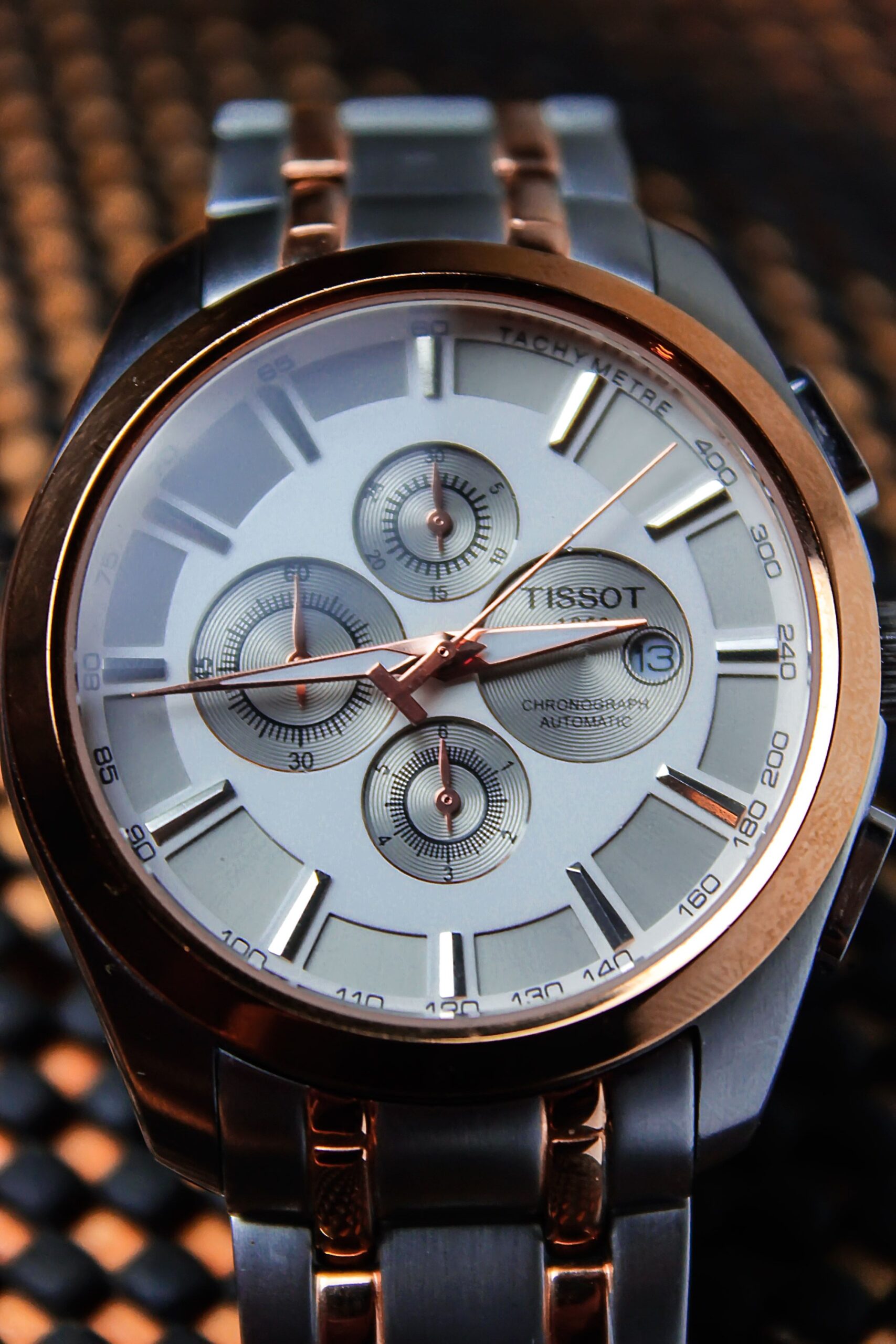
An automatic watch is a mechanical timepiece powered by the movement of your wrist.
How it works:
No battery is required.
Automatic watches are often associated with luxury craftsmanship and traditional watchmaking.
A quartz watch is powered by a battery and regulated by a quartz crystal.
How it works:
Quartz watches are known for accuracy and affordability.
Winner for accuracy: Quartz
Winner for maintenance: Quartz
Winner depends on use case:
Winner for affordability: Quartz
Winner for prestige: Automatic
| Feature | Automatic | Quartz |
|---|---|---|
| Energy source | Wrist movement | Battery |
| Maintenance | Mechanical servicing | Battery replacement |
| Accuracy | Moderate | Very high |
| Complexity | High | Low |
Collectors usually prefer automatic watches because:
Quartz watches are rarely collected unless they have historical significance.
Automatic and quartz watches serve different purposes. Quartz watches prioritize accuracy, affordability, and convenience, while automatic watches focus on craftsmanship, tradition, and luxury appeal.
Neither is objectively better—it depends on whether you value precision or mechanical artistry.
Quartz is better for accuracy and convenience, while automatic is better for craftsmanship and luxury appeal.
No. They are powered by mechanical movement.
Yes. Quartz watches are generally more affordable than automatic watches.
Automatic watches can last longer if properly maintained, sometimes for generations.
Most luxury watches are automatic, though some brands produce high-end quartz models.
Continue Reading
Investing in Luxury Assets
Luxury Watches: Iconic Timepieces
The Oldest Watch Brand in the World
Luxury Car Brands Accept Cryptocurrency
Supercars Branded Residence
Find Your Next Timepiece
Browse a curated collection of luxury watches, limited editions, and collector’s pieces crafted by the world’s most prestigious watchmakers.
At ZONEZI, brokers gain access to a curated portfolio of premium listings, while private owners enjoy unparalleled visibility within a global network of discerning buyers. We are committed to facilitating successful transactions in the world of luxury, driving growth, and creating valuable opportunities in the marketplace.