
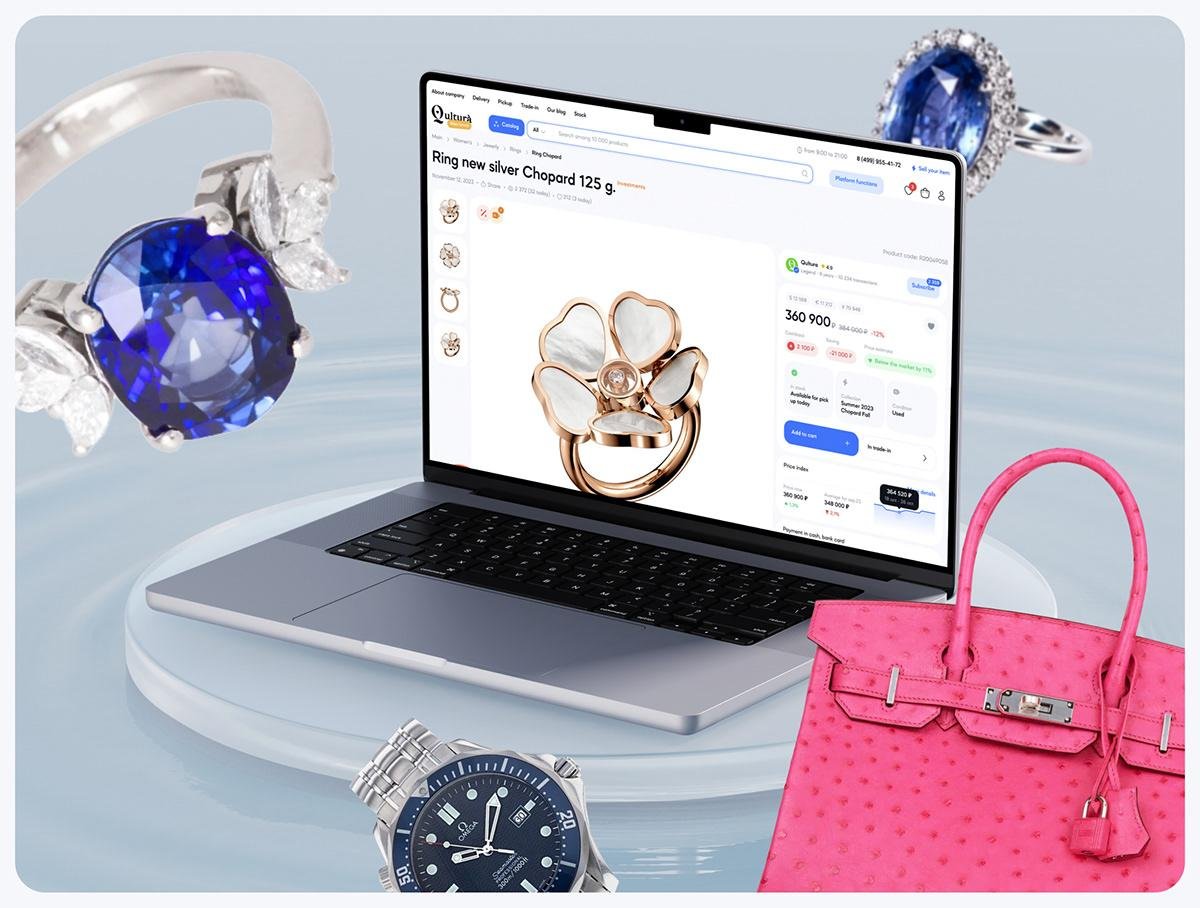
Shopping for luxury products online has become increasingly popular. From designer fashion and premium accessories to luxury watches, fine jewellery and exclusive collectibles, online marketplaces offer access to products from sellers around the world.
However, not every online luxury marketplace offers the same shopping experience. Choosing the right platform is important when purchasing valuable products, discovering unique items and dealing with sellers you may never meet in person.
Whether you are an experienced luxury shopper or making your first premium purchase, knowing what to look for can help you make better decisions and shop with greater confidence.
One of the first things to consider is the range of products available on a marketplace.
A good luxury marketplace should make it easy to discover products across relevant categories, whether you are looking for designer accessories, watches, jewellery, fashion, homeware or rare collectibles.
A diverse selection gives shoppers more opportunities to compare products, explore different styles and discover items they may not find through traditional retailers.
Look for a marketplace with clear categories and easy navigation so you can find products that match your interests.
Product information is essential when shopping online, particularly when purchasing expensive or collectible items.
Before choosing a marketplace, consider whether its listings provide useful information such as:
Clear listings make it easier to understand what is being offered and compare products before making a purchase.
A luxury marketplace is only as useful as the information it provides about the people and businesses selling through it.
Look for transparent seller information, clear contact details and genuine customer feedback where available.
Before purchasing, consider:
Seller transparency helps buyers make informed decisions, particularly when purchasing high-value products.
Authenticity is an important consideration when buying luxury products online.
Counterfeit products can resemble genuine designer items, making it important to understand what information is available before completing a purchase.
Depending on the marketplace and product category, useful authenticity information may include:
Remember that documents and packaging can also be copied. For particularly valuable purchases, independent verification may provide additional reassurance.
Payment security should be a priority when choosing an online luxury marketplace.
A professional shopping platform should provide a secure checkout process and clearly explain the payment methods available.
Before purchasing, check:
Avoid unusual payment requests or pressure to complete transactions outside the marketplace, especially when dealing with unfamiliar sellers.
International access is one of the advantages of shopping through online luxury marketplaces.
However, international purchases can involve different shipping costs, delivery times, customs procedures and import duties.
A marketplace should make relevant delivery information easy to understand.
Look for information about:
For expensive purchases, tracked and insured delivery can be particularly important.
Before buying a luxury product online, always understand the marketplace’s returns and refund policies.
These policies may differ depending on the seller, product category and whether an item is new, pre-owned, personalised or collectible.
Check the following details:
Clear policies help prevent misunderstandings and allow buyers to understand their options before committing to a purchase.
A luxury shopping website should be easy and enjoyable to use.
Good navigation allows visitors to discover products without unnecessary effort. Categories, search tools, filters and organised product pages can make a significant difference to the shopping experience.
Consider whether the marketplace offers:
A well-organised website makes browsing more enjoyable and helps shoppers find relevant products more quickly.
Good customer service is especially valuable when buying luxury products.
Buyers may need additional information about a product, assistance with an order or clarification about delivery and returns.
Look for a marketplace that provides clear contact information and an accessible way to ask questions.
Responsive communication can help create a more reassuring shopping experience and make it easier to resolve issues when they arise.
Luxury products can vary considerably in price depending on their brand, materials, condition, rarity and demand.
A good marketplace should make product prices and any additional costs easy to understand.
When comparing listings, consider:
Be cautious of prices that appear unusually low without a reasonable explanation. Comparing similar listings can help you assess whether an offer is realistic.
International shoppers have access to a growing number of luxury shopping websites and specialist marketplaces.
Comparing platforms before making a purchase can help you understand differences in product selection, seller information, payment methods and delivery arrangements.
For international purchases, pay particular attention to shipping destinations, customs requirements, currency conversion and return arrangements.
Choosing a marketplace that clearly communicates these details can make shopping across borders easier to manage.
Before deciding where to shop, use this checklist to compare your options:
The marketplace offers products relevant to your interests.
Product listings contain detailed descriptions and photographs.
Seller information is transparent.
Authenticity information is avail
At ZONEZI, brokers gain access to a curated portfolio of premium listings, while private owners enjoy unparalleled visibility within a global network of discerning buyers. We are committed to facilitating successful transactions in the world of luxury, driving growth, and creating valuable opportunities in the marketplace.