
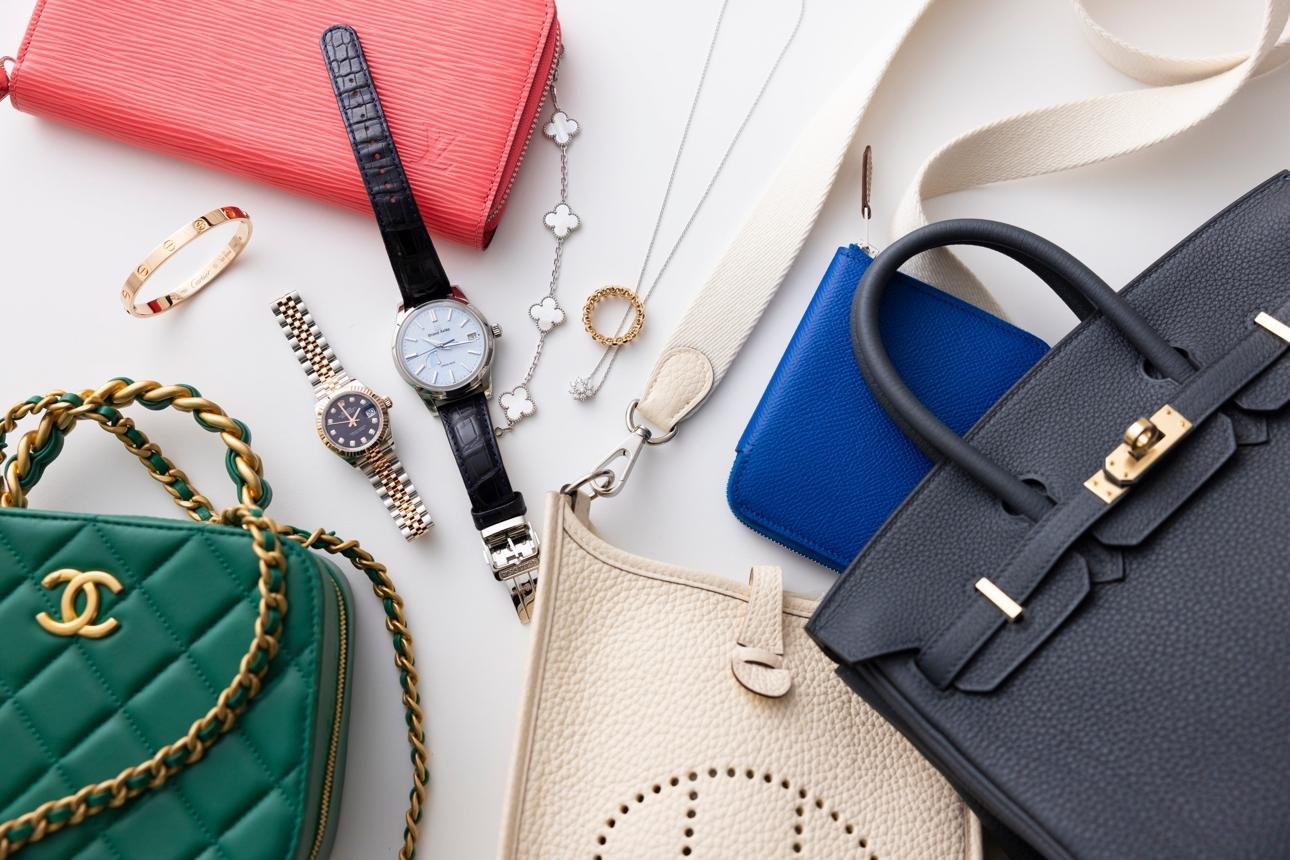
Buying luxury products online offers access to an incredible world of exclusive items, prestigious brands and unique finds. From designer fashion and luxury watches to fine jewellery, collectibles and premium lifestyle products, online shopping makes it easier than ever to discover exceptional products from around the world.
However, purchasing luxury goods online also requires careful consideration. High-value products can attract counterfeit sellers, misleading listings and fraudulent websites. Without seeing an item in person, buyers need to know how to assess its authenticity, evaluate the seller and understand the terms of a purchase before committing.
Whether you are buying your first luxury item or are an experienced collector, this guide explains how to shop for luxury products online safely and confidently.
The first step towards a safe luxury purchase is choosing where to shop.
Not all online marketplaces offer the same level of protection, transparency or customer support. A professional-looking website does not automatically mean that every seller or product is trustworthy.
Before making a purchase, look for a marketplace that provides:
A reliable marketplace should make it easy to understand who you are buying from, what you are purchasing and what happens if something goes wrong.
Take time to review the marketplace’s policies before placing an order, particularly when buying expensive or rare products.
Authenticity is one of the most important considerations when shopping for luxury goods.
Counterfeit products can imitate the appearance of genuine designer items, making it difficult for inexperienced buyers to identify the difference from photographs alone.
Depending on the product category, useful authenticity checks may include:
Remember that packaging, receipts and certificates can also be forged. No single detail should automatically be treated as proof of authenticity.
For particularly expensive purchases, consider using an independent authentication service or requesting additional verification before completing the transaction.
A trustworthy seller is just as important as an authentic product.
Before purchasing, investigate the seller’s history and reputation. Look for detailed seller profiles, established trading activity and genuine customer feedback.
Consider the following questions:
Be cautious if a seller avoids answering questions, pressures you to make an immediate payment or refuses to provide additional product information.
A reputable seller should be willing to help you understand exactly what you are buying.
Luxury products generally retain a level of value associated with their brand, craftsmanship, materials, rarity and demand.
A substantial discount is not necessarily suspicious. Pre-owned items, discontinued collections, older models and products with visible wear may legitimately sell below their original retail prices.
However, an unusually low price should encourage further investigation.
Before purchasing, compare the listing with similar products from established retailers, specialist dealers and reputable resale platforms.
Pay attention to:
If a seller offers a highly sought-after luxury product at an implausibly low price without a convincing explanation, consider walking away.
When buying luxury products online, photographs and descriptions are your primary sources of information about the item’s condition.
Avoid relying exclusively on a single product image or a short description.
A detailed listing should explain the product’s brand, model, materials, dimensions, condition and any relevant identifying features.
For pre-owned luxury products, look for photographs showing:
If important information is missing, contact the seller before purchasing.
A transparent listing should describe imperfections honestly rather than hiding them behind carefully selected photographs.
Payment security is essential when purchasing expensive products online.
Always check that the website uses a secure checkout process and that the payment page belongs to the intended marketplace or payment provider.
Where possible, choose established payment methods that offer appropriate buyer protection.
Avoid paying through unusual or irreversible methods when dealing with an unfamiliar seller. Be particularly cautious if someone asks you to complete a transaction outside the marketplace to receive a discount.
Before confirming payment, check:
Keep order confirmations, receipts and transaction records until the purchase has been completed successfully.
International luxury shopping creates opportunities to purchase products from sellers around the world, but it also introduces additional considerations.
Shipping costs, delivery times, import taxes and customs requirements can vary significantly depending on the origin and destination of the shipment.
Before placing an international order, confirm:
For high-value products, insured shipping and reliable tracking are especially important.
Buyers should also check the import regulations that apply in their own country. Certain product categories may be subject to additional restrictions or documentation requirements.
Luxury purchases can involve substantial amounts of money, so understanding the returns policy is essential.
Before buying, establish whether the product can be returned and under what conditions.
Check:
Pre-owned, personalised, rare or collectible products may have different return conditions from standard retail items.
Never assume that every marketplace or seller offers the same protections. Read the specific terms that apply to your order.
For high-value products, asking questions is a sensible part of the buying process.
A professional seller should be prepared to provide reasonable additional information about an item.
Depending on the product, you might ask:
The answers can help you make a more informed decision and identify sellers who communicate openly.
If the seller is unwilling to provide basic information about an expensive item, consider choosing another listing.
Being aware of common scams can help protect your money and personal information.
Some warning signs include:
Unrealistic discounts: Prices far below the typical market value may indicate counterfeit products or fraudulent listings.
Pressure to pay immediately: Scammers may create artificial urgency by claiming that an offer will disappear within minutes.
Requests for payment outside the marketplace: Moving a transaction away from the platform may remove important protections.
Copied product photographs: Images taken from other websites can make fraudulent listings appear legitimate.
Incomplete seller information: Missing contact details, vague descriptions and inconsistent business information should raise concerns.
Suspicious payment links: Unexpected links or requests for sensitive financial information should be treated carefully.
If something feels wrong, stop the transaction and verify the seller and listing independently.
Good record-keeping is particularly important when purchasing luxury products.
Save copies of:
These records may be useful if you need to request a refund, report a problem or establish the item’s purchase history.
For collectors, maintaining documentation can also help preserve information about an item’s ownership and provenance.
Before completing a luxury purchase online, work through this checklist:
The marketplace has clear policies and contact information.
The seller has been researched and appears credible.
The product description is detailed.
The photographs show the item’s actual condition.
Authenticity information has been reviewed.
The price is reasonable for the product and condition.
Payment is made through a secure method.
Shipping, insurance and customs costs are understood.
Returns and refund conditions have been checked.
Relevant purchase records will be retained.
Taking a few extra minutes to complete these checks can help reduce the risks associated with buying expensive products online.
Buying luxury products online should be an enjoyable experience. The right marketplace can help buyers discover exceptional products, compare opportunities and connect with sellers offering items that match their interests.
Whether you are searching for a statement designer accessory, a prestigious watch, fine jewellery or a rare collectible, take the time to research the product and seller before making a decision.
At Luxury Marketplace, our aim is to provide a destination where people can discover luxury products from different categories and explore opportunities in the world of premium shopping.
Explore Luxury Marketplace to discover products that match your taste, interests and lifestyle.
Yes, it can be safe when you choose a reputable marketplace, research the seller, check product authenticity, use secure payment methods and understand the shipping and returns policies.
Look for identifying details such as serial numbers, engravings, materials, construction quality and relevant documentation. For expensive items, independent authentication may provide additional reassurance.
Review the seller’s reputation, product photographs, condition, authenticity information, price, payment options, shipping arrangements and return policy.
Some luxury products may be available at lower prices online, particularly pre-owned, discontinued or rare items. However, unusually low prices should always be investigated carefully.
It can be, provided you understand the seller’s reputation, payment protections, shipping insurance, customs requirements, import duties and return arrangements.
Use a secure checkout and an established payment method with buyer protection where available. Avoid unusual or irreversible payment arrangements with unfamiliar sellers.
That depends on the product, seller and purchase price. Documentation can be useful, but it is not conclusive proof of authenticity. Consider independent verification for high-value purchases.
At ZONEZI, brokers gain access to a curated portfolio of premium listings, while private owners enjoy unparalleled visibility within a global network of discerning buyers. We are committed to facilitating successful transactions in the world of luxury, driving growth, and creating valuable opportunities in the marketplace.