Apartment|Business Development|Houzez|Luxury|Real Estate

  • Home
  • Apartment|Business Development|Houzez|Luxury|Real Estate
How Modern Technology Shapes the iGaming Experience

How Modern Technology Shapes the iGaming Experience

The iGaming industry has evolved rapidly over the last decade, driven by innovations in software, regulation and player expectations. Operators now compete not only on game libraries and bonuses but on user interface quality, fairness, and mobile-first delivery. A sophisticated approach to product design and customer care is essential for any brand that wants to retain players and expand into new markets.

Partnerships and platform choices influence every stage of the player journey, from deposit to withdrawal. Forward-thinking companies integrate cloud services, APIs and analytics to deliver smooth sessions and responsible play tools. Many leading vendors and enterprise providers offer comprehensive ecosystems that reduce latency, support multi-currency wallets and enable fast scalability, which can be complemented by services from large tech firms like microsoft
to manage infrastructure and compliance reporting.

Player Experience and Interface Design

Design matters. A streamlined onboarding process, clear navigation and quick load times increase retention. Modern casinos emphasize accessibility, offering adjustable fonts, color contrast options and straightforward account recovery flows. Mobile UX is especially critical; touch targets, responsive layouts and intuitive controls make sessions enjoyable on smaller screens. A strong visual hierarchy and consistent microinteractions also reinforce trust and encourage exploration of new titles.

Security, Compliance and Fair Play

Trust is the currency of iGaming. Encryption standards, secure payment gateways and transparent RNG certifications reassure players and regulators alike. Operators must implement KYC processes, anti-fraud monitoring and geolocation checks to comply with jurisdictional rules. Audits and certification by independent labs provide credibility, while continuous monitoring of suspicious behavior supports safer ecosystems.

Key Compliance Components

● Identity verification and age checks

●      Secure payment processing and AML controls

●      Random number generator audits

●      Data protection aligned with regional law

Game Variety and Supplier Strategy

Players expect variety: slots, table games, live dealers, and novelty products like skill-based or social games. A balanced supplier mix helps operators cater to diverse tastes and manage risk. Exclusive content and localised themes drive loyalty in specific markets, while global hits maintain broad appeal. Integration frameworks and content aggregation platforms permit rapid expansion of libraries without sacrificing quality control.

Responsible Gaming and Player Protection

Responsible gaming tools are central to a sustainable business model. Time and stake limits, self-exclusion options and reality checks reduce harm and improve long-term retention. Data analytics spot at-risk behaviors early, allowing tailored interventions that protect both players and brand reputation. Transparent communication about odds and payout rates further strengthens the relationship between operator and player.

Performance Optimization and Analytics

Analytics transform raw telemetry into actionable insights: session length, churn triggers, funnel drop-offs and lifetime value projections. A/B testing frameworks help iterate lobby layouts, bonus structures and onboarding flows. Low-latency streaming for live dealer games and CDN strategies for asset delivery ensure consistent quality across regions. Strategic monitoring of KPIs guides investments in UX, marketing and content procurement.

Essential Metrics to Track

Metric

Why It Matters

Conversion Rate

Measures onboarding effectiveness and first-deposit success

Retention Rate

Indicates long-term engagement and product stickiness

ARPU / LTV

Helps assess monetization and marketing ROI

Load Time

Impacts bounce rates, particularly on mobile

Tactical Tips for Operators

Small changes can yield big lifts. Implement progressive onboarding, personalise offers based on behavior, and localise content and payment methods for each market. Prioritise server uptime and invest in customer support channels that include live chat and social messaging. Finally, maintain a strict approach to compliance while experimenting with gamification that enhances rather than exploits player engagement.

As technology advances, operators that combine user-centric design, robust security and data-driven decision making will lead the market. The most successful brands treat responsible gaming as a core value and leverage partnerships, platform automation and analytics to create compelling, safe experiences that stand the test of time.

24/12/2025No comments
Top 3 Riva Yachts 2025–2026 | Best Luxury Yachts Reviewed

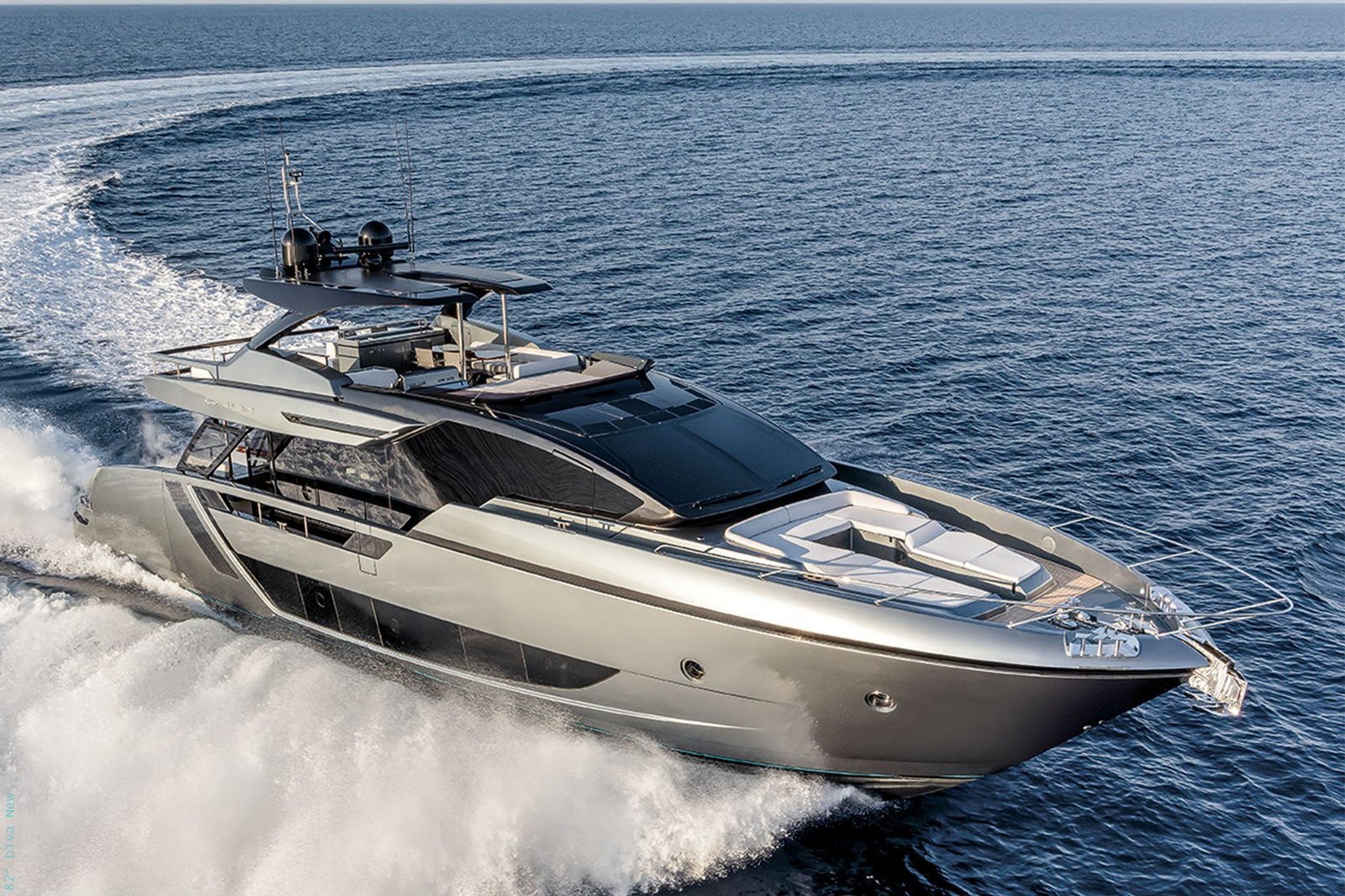
1. Riva 82 Diva – The New Icon of 2025

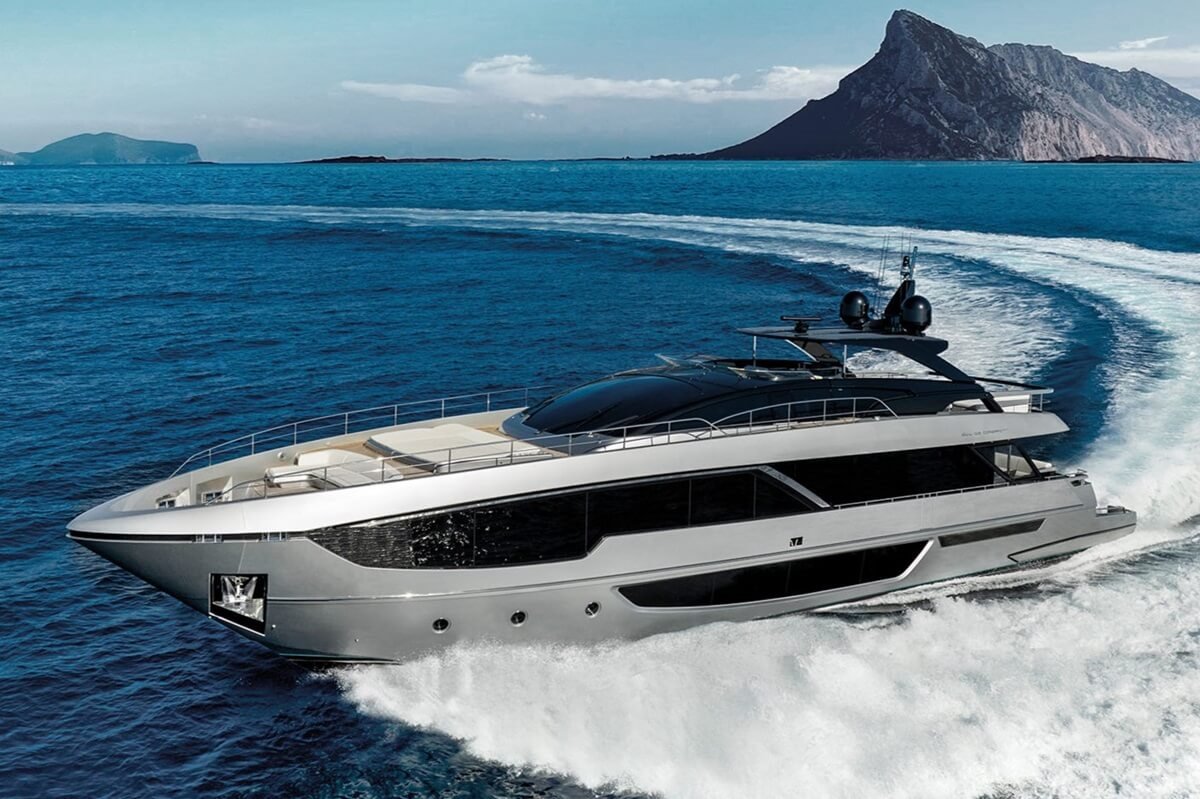
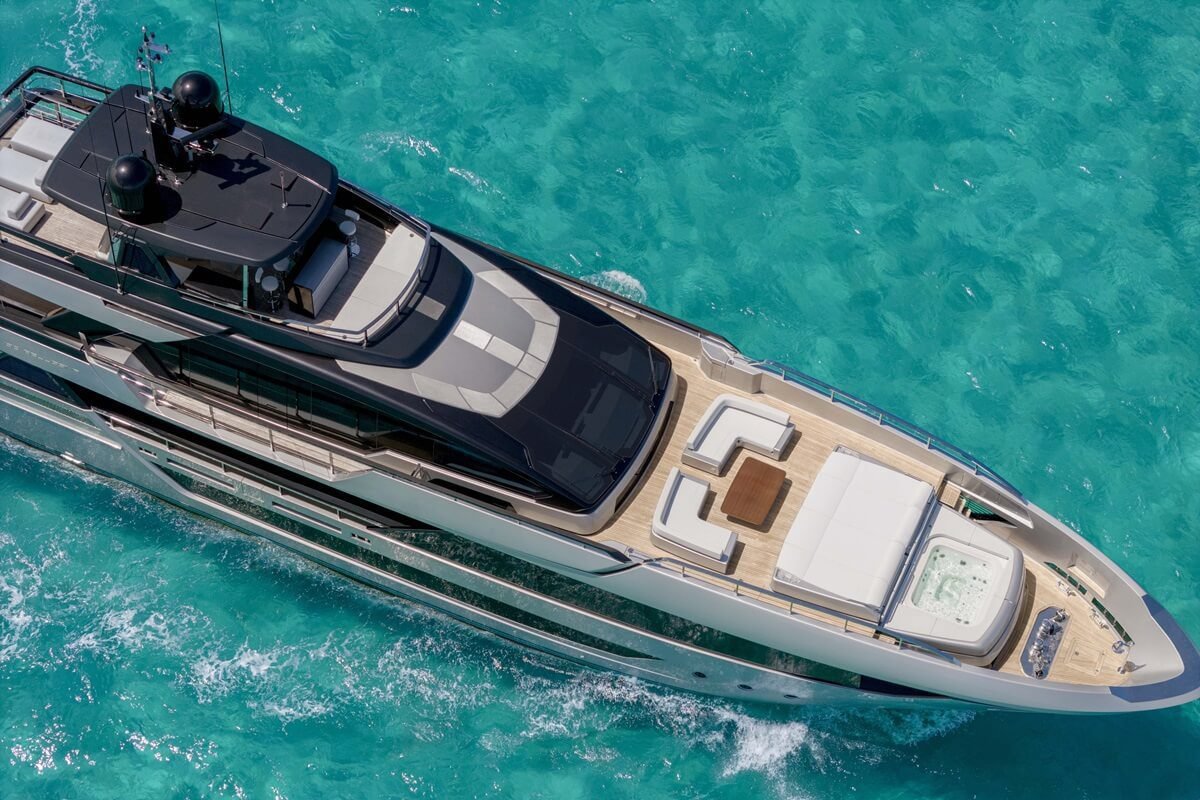
The Riva 82 Diva is one of the most anticipated luxury yachts of 2025. Positioned between the classic flybridge lineup and the modern Riva superyacht range, the 82 Diva represents a bold evolution in design that appeals to both owners and charter investors.

Exterior Design & Performance

The yacht features Riva’s signature sleek profile, sculpted hull, and exceptional use of glazing that floods the interiors with natural light. Its performance is equally impressive: twin MAN engines deliver outstanding cruising efficiency, making the 82 Diva ideal for long-distance travel throughout the Mediterranean and Asia’s most exclusive marine destinations.

Interior Styling

Inside, the Riva 82 Diva emphasizes contemporary luxury. High-end Italian materials—polished woods, leather finishes, and metallic accents—combine to create a warm but modern ambiance. The saloon is exceptionally spacious for its category, offering panoramic views and a layout optimized for entertaining.

Why the Riva 82 Diva Dominates 2025

  • One of the top new luxury yachts 2025

  • Competitive price and performance balance

  • Expansive flybridge for social gatherings

  • Ideal for owners seeking both style and functionality

As one of the fastest-selling models in the Riva lineup for 2025, the 82 Diva stands as a true masterpiece, capturing global attention in the Riva yachts market.

2. Riva 102’ Corsaro Super – The Flagship of 2026

The Riva 102’ Corsaro Super takes the brand’s legendary craftsmanship to new heights as we enter 2026. Considered one of the best yachts for 2026, this 30-meter vessel redefines luxury living on water. The updated design refines the previous Corsaro generation while introducing enhanced space, better hydrodynamics, and a richer aesthetic experience.

Exterior Features

The Corsaro Super’s aggressive, sporty lines set it apart from other yachts in the 30-meter category. Its larger stern and redesigned beach club appeal to yacht owners looking for outdoor entertainment options with maximum comfort. The elevated bow and extended hull lines contribute to improved stability and speed, making it one of the top-performing superyachts 2026.

Interior Elegance

Stepping inside the 102’ Corsaro Super feels like entering a luxury penthouse. Riva focused heavily on creating a spacious open layout with floor-to-ceiling windows. The yacht offers:

  • A full-beam master suite

  • Customizable guest cabins

  • Premium Italian furnishings

  • State-of-the-art lighting design

The interior finishes are fully customizable, giving owners the freedom to shape their dream yacht according to their personal tastes.

Key Highlights for 2026 Buyers

  • Recognized as a top 3 Riva yacht 2026

  • Perfect size for private ownership or high-end chartering

  • Combines sportiness with superyacht-level comfort

  • Strong resale value thanks to Riva’s worldwide prestige

For those searching for the best Riva yacht 2026 or a long-term investment yacht, the 102’ Corsaro Super is one of the strongest contenders.

3. Riva 130’ Bellissima – A Masterpiece of the Future

Heading into 2025–2026, the Riva 130’ Bellissima remains one of the most admired and sought-after luxury superyachts in the world. As one of the largest models by Riva, the Bellissima competes directly with ultra-premium yacht builders such as Sunseeker, Benetti, and Sanlorenzo. However, its Italian design heritage and futuristic engineering make it truly one of a kind.

Design & Engineering Excellence

The 130’ Bellissima is built with a focus on performance and grandeur. Its all-aluminum construction gives the yacht both strength and efficiency, allowing for impressive speeds despite its size. The exterior profile features clean lines, large side windows, and a dynamic shape that captures attention in every marina.

Ultra-Luxury Interior Spaces

If there is one yacht that embodies the phrase “floating luxury residence,” it is the Bellissima. It includes:

  • A massive main deck with an open-concept lounge

  • A grand dining area overlooking the sea

  • A master suite with panoramic ocean views

  • Multiple VIP cabins

  • Expansive sun decks and a jacuzzi

Every detail has been hand-designed by Riva’s world-class artisans, making the 130’ Bellissima one of the most luxurious yachts 2025–2026 available on the global market.

Why the Bellissima Remains a Leader

  • Flagship presence among top yachts 2025–2026

  • Ideal for elite buyers seeking a mega-yacht experience

  • High charter demand due to size, amenities, and design

  • Exceptional long-term value in the superyacht sector

The Bellissima continues to impress industry experts and yacht collectors worldwide.

12/12/2025No comments
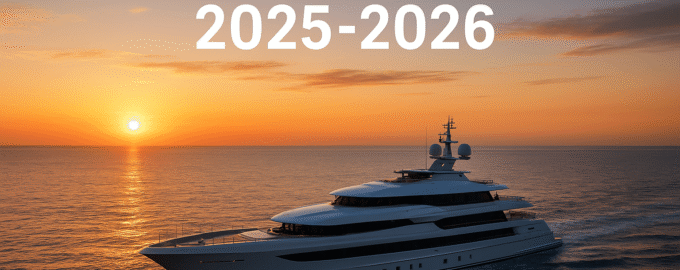
What’s New in the Yacht World 2025-2026: Trends, Launches & Innovations

In the ever-luxurious pastime of yachting, the period 2025-2026 promises to be extraordinary. From cutting-edge eco-technologies to record-breaking sizes and new models hitting the brokerage and charter markets, the luxury yacht sector is evolving fast. In this article we’ll explore the latest new yachts 2025-2026, major launches, market trends, and what savvy buyers should watch for. Keywords like new yachts 2025, 2026 yacht launches, luxury superyachts news, yacht market trends 2025, and eco-yachts 2026 are woven throughout for SEO relevance.

1. Major Launches & Stand-Out New Yachts

Several new vessels and projects announced in 2025-2026 stand out and set the tone for the next wave of luxury yachting.

  • The Dutch shipyard Feadship built the yacht named Breakthrough — a 118.8 m superyacht powered by hydrogen fuel cells and delivered in 2025. This is a landmark for eco-yachting. Wikipedia+1

  • At the Monaco Yacht Show 2025, the vessel MAR (107 m, built by Benetti) was confirmed as one of the largest attending, further underlining the scale of new builds. superyachts.com+1

  • The 55-metre steel yacht Serena – built by Heesen Yachts – was unveiled as the first delivery of 2025 for that yard. A true milestone of design and engineering. superyachtschannel.com

  • The British engineering concept yacht Outlier I was revealed in late 2025, with radical layout changes (engine room moved to the bow) to maximise deck-space and luxury. The Sun

These launches show a strong push toward: (a) larger overall size or volume, (b) advanced / eco propulsion, and (c) new design layouts that prioritise owner experience and innovation.

2. Market Trends in 2025 & Beyond

Beyond specific yachts, the overall industry is seeing shifts. These trends are crucial for anyone blogging about luxury superyachts or yacht market trends 2025-2026.

  • Sustainability and eco-yachting: The push toward cleaner propulsion systems is no longer niche. Yachts like the Breakthrough with hydrogen fuel cells, and brands emphasising hybrid drives, indicate that the eco-yachts 2026 category is growing. nextmsc.com+1

  • Launch volume and new builds: At Monaco 2025, there were about 50 new builds shown and a combined fleet value of several billion dollars. superyachts.com+1

  • Size escalation and customisation: Owners want more volume, unique features, and tailor-made layouts. For example, the superyacht Dragonfly (142 m) won awards for “Superyacht Above 80 m”. yachtcharterfleet.com

  • Charter market growth: More new yachts are entering the charter market, meaning owners and brokers are paying attention to both private ownership and charter returns. CharterWorld.com

  • Brand innovation and recognition: Yacht brands are winning awards and being recognised for pushing innovation – for instance, Azimut Yachts was named “Most Innovative Yacht Brand” in China in 2025. luxuryboatnews.com

For your blog, these trend categories – new yacht launches, eco propulsion yachts, superyacht size escalation, charter-ready yachts, yacht brand innovation – are excellent keyword clusters.

3. The New 2025 & 2026 Yachts You Should Know

Here are some specific examples of what’s coming or already delivered, to use as headline-hooks in your article.

  • Breakthrough (118.8 m) – Green propulsion via hydrogen fuel cells, delivered in 2025. Signals the arrival of truly low-emission superyachts.

  • Serena (55 m) – Delivered early 2025 by Heesen, a blend of luxury and long-range engineering (4,500 nautical mile range) built for comfortable cruising. superyachtschannel.com

  • MAR (107 m) – Made headlines at Monaco 2025, one of the largest new builds featured. superyachts.com+1

  • Outlier I – Concept revealed in late 2025, showing a paradigm shift in layout and deck space for the wealthy owner who wants maximal lifestyle. The Sun

  • Livia 72 & Livia 50 from Turkish yard RMK Yachts – Announced at Monaco 2025, these new superyacht projects emphasise global appeal and innovation. Barche Magazine ISP

When writing for SEO you can include phrases like “2025 yacht launches”, “2026 superyacht projects”, “new superyachts delivered 2025”, “eco green yacht 2025” and so on.

4. What Buyers & Charterers Should Keep an Eye On

If your audience includes potential owners, charterers, brokers or yachting-enthusiasts, the following are important considerations:

  • Propulsion & regulation: With emission regulations tightening, yachts using hybrid/electric/ hydrogen staging will appreciate better charter-appeal and resale value.

  • Resale and charter market: A yacht delivered in 2025 might enter the charter market sooner; building a model for charter yields tighter ROI. For example, new builds are being listed for charter almost immediately. CharterWorld.com+1

  • Volume vs length: Many owners are focusing on internal volume (gross tonnage) rather than just length; large deck space, full-beam master suites, wellness areas are becoming standard.

  • Global events & showings: Attending or following shows such as Monaco Yacht Show is key: new builds, debuts and trends are revealed there. superyachts.com+1

  • Brand reputation & after-sales support: With new brands arriving (for instance RMK’s new Livia line), buyers should evaluate service network, yard reputation, build quality.

  • Sustainability credentials: Yachts marketed as eco-friendly or hybrid will draw more scrutiny: specification, certifications, fuel savings matter.

23/10/2025No comments
Inside the Celebrity Home of Elon Musk: From Mansion to Minimalist Living

When we talk about celebrity homes, few residences are as fascinating as those belonging to Elon Musk. The Tesla and SpaceX CEO has had a unique approach to real estate: buying sprawling mansions in some of the most exclusive neighborhoods — and then later downsizing drastically. In this article, we’ll explore the journey of Elon Musk’s property portfolio, his mindset behind home ownership, and the fascinating contrast between his past mega-mansion lifestyle and his current minimalist living. Keywords such as celebrity home, Elon Musk home, Musk mansion, Bel-Air estate, Hillsborough house, Texas home, celebrity real estate will be integrated throughout for SEO relevance.

From Luxury Mansions to Fewer Possessions

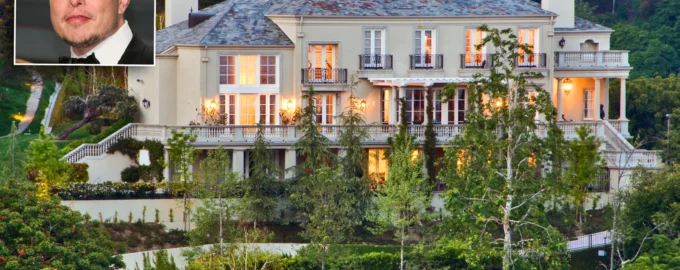
Elon Musk’s journey in residential real estate might surprise many. Back in the 2010s, Musk acquired multiple high-end homes in California, notably in the Los Angeles and Bay Area markets. One such property was a lavish mansion in the Bel‑Air neighbourhood of Los Angeles. According to reports, Musk bought the Bel-Air mansion in late 2012 for about US$17 million, featuring around 20,000 sq ft, seven bedrooms, 13 baths, a gourmet kitchen with a brick-ceiling detail, a pool, tennis court and sweeping views of the city and ocean. RTF | Rethinking The Future+1

Another major property was his 100-year-old estate near San Jose, in Hillsborough, California. The house sat on approximately 47 acres, boasted nine bedrooms and 9.5 baths, hiking trails, a ballroom, reservoir and canyon views. RTF | Rethinking The Future

Despite owning these epic celebrity homes, in May 2020 Musk announced a large purge of his real estate holdings: “selling almost all physical possessions” and planning to “own no house.” RTF | Rethinking The Future+1

Why Did Elon Musk Choose to Downsize?

The decision to move from opulent mansions to a minimalist lifestyle may seem radical, especially for someone of Musk’s net worth. A few reasons help explain this move:

  • Focus on mission, not material assets: Musk has often emphasized that his main focus is on his engineering and space exploration work — the homes themselves were perhaps distractions.

  • Tax and mobility advantages: By owning fewer expensive properties, Musk may reduce tax burdens, simplify his administrative footprint and increase mobility.

  • Minimalist philosophy: Though it might seem unusual for a billionaire, Musk’s downsizing signals a shift in priorities from status symbols to simplicity and agility. The widely-reported “$50,000 home” near his South Texas launch site speaks volumes. Real Estate Australia+1

  • Media strategy and persona: The contrast between his previous luxury homes and his current humble residence generates headlines and reinforces Musk’s unusual personality traits as a celebrity business figure.

Highlights of His Past Celebrity Homes

Let’s look at specific highlights of Musk’s major residences:

Bel-Air Mansion

In the Bel-Air neighbourhood, the mansion Musk purchased featured:

Hillsborough Estate

Near San Jose, the Hillsborough property stood out for:

Humble Texas Home & the Myth of the “Compound”

Later, Musk shifted his focus to Texas. In Brownsville / Boca Chica near his SpaceX Starbase facility he reportedly started living in a very modest house–described as costing about US$50,000. Real Estate Australia+1
This has led to misconceptions and myths about Musk building an ultra-luxury “compound” for his children; Musk denied many of the rumours and emphasized his legal residence as this modest house near the launch site.

What This Says About Celebrity Real Estate Trends

Musk’s choices reflect broader themes in how ultra-wealthy individuals approach real estate today:

  • Less is more: The shift from mega-mansions to minimalist homes suggests that owning many trophy properties may no longer align with future-oriented business leaders’ values.

  • Function over form: Musk’s decision to live in a simple house near his work hub (SpaceX in Texas) emphasises function, efficiency and proximity over opulence.

  • Public relations and personal branding: Celebrity homes have always been status symbols. Musk’s pivot away from them adds to his image as unconventional.

  • Real estate as strategic asset: Selling high-end properties frees up capital and reduces responsibilities (maintenance, taxes, management).

23/10/2025No comments
Inside the Luxury Real Estate of Cristiano Ronaldo

A Global Real Estate Empire

As one of the most searched celebrities in the world, Ronaldo’s homes consistently capture public fascination and media coverage. Let’s look at some of his most noteworthy properties.

Portugal – Lisbon & Madeira

Ronaldo’s home country remains an important base for his lifestyle and investments. His new mansion near Lisbon is drawing attention for its scale and opulence. According to media reports, the four-floor property features floor-to-ceiling glass walls, a gym, cinema room, tennis court, and even garages large enough for his car collection. Khaleej Times+2idealista.pt+2

In addition, his luxury apartment in the Castilho building in Lisbon, purchased in 2019, spans around 287 m² and includes indoor and outdoor pools, gym, sauna, and top-end finishes. idealista.pt

In his hometown of Funchal, Madeira, Ronaldo also owns a property with stunning Atlantic views, which he has used to ensure his family remains connected to his roots. idealista.pt

Why this matters for SEO: Keywords like “Cristiano Ronaldo home Portugal”, “Ronaldo Lisbon penthouse”, “CR7 mansion Lisbon” are highly relevant for readers interested in celebrity homes and luxury real estate.

Spain – Madrid (La Finca)

During his nine years at Real Madrid, Ronaldo acquired a major estate in the exclusive La Finca neighbourhood of Madrid. The property consists of two connected mansions, designed by architect Joaquín Torres, featuring indoor pools, spa, and ultra-luxurious amenities. Architectural Digest

The Madrid home shows how his real estate extends beyond his residency—it is a status symbol tied to his time at Real Madrid and his international fame.

England – Cheshire, Manchester Area

When Ronaldo returned to Manchester United in 2021, he purchased a mansion in the Alderley Edge area of Cheshire. The estate – reportedly set on 23 acres – included an indoor pool, tennis and padel courts, a guest barn, cinema room and a wine store. VnExpress International+1

Though he subsequently moved on from Manchester, the property stands as a major example of how celebrity athletes invest in large-scale homes in the UK.

Saudi Arabia & Dubai – Middle East Moves

Following his move to Al Nassr in Saudi Arabia, Ronaldo reportedly took up residence in a high-security mansion compound in Riyadh, offering premium privacy and access to luxury amenities. Sportskeeda

In Dubai, he also acquired land on Jumeirah Bay Island (nick-named “Billionaire’s Island”), where a villa is under construction with expected delivery around late 2024. AD Middle East

These moves reflect how the homes of global celebrities are no longer confined to one country—instead they span continents and reflect global lifestyles.

23/10/2025No comments
The Ultimate Guide to Investing in Luxury Assets

Owning luxury assets is more than just a display of wealth and success. It can also be a strategic way to diversify investments, protect wealth, and enjoy unique lifestyle benefits. Whether you are considering a private yacht, a high-performance supercar, a private jet, or a rare luxury watch, each asset class brings its own opportunities and challenges. This guide provides expert advice to help you make informed decisions when buying, maintaining, and potentially reselling luxury assets.

Why Investing in Luxury Assets Makes Sense

Luxury assets are not only symbols of prestige but also valuable components of a well-rounded investment portfolio. Understanding their potential benefits can help you decide how they fit into your overall financial strategy.

Portfolio Diversification: By spreading investments across different types of assets, you reduce exposure to market volatility. While stocks and real estate fluctuate with the economy, tangible luxury assets often maintain value due to scarcity and demand.

Tangible Value and Prestige: Luxury items like rare watches, limited-edition supercars, and custom-built yachts hold intrinsic value. Their exclusivity and craftsmanship often lead to strong appreciation over time.

Lifestyle Enhancement: Beyond financial considerations, luxury assets offer experiences. A yacht provides freedom to travel the seas, a private jet saves time and offers comfort, and a supercar delivers unmatched performance and thrill.

Generational Wealth and Legacy: High-end assets can be passed down to future generations, creating a legacy of both value and personal meaning.

Top Luxury Asset Categories to Consider

Yachts

Owning a yacht offers unmatched privacy and freedom. It provides access to secluded destinations while serving as a floating luxury retreat. Yacht ownership also allows for chartering opportunities to generate income when not in use.

Key factors to consider when buying a yacht include:

  • Size and design based on intended use
  • Maintenance and operational costs
  • Crew management and hiring
  • Mooring and storage logistics
  • Potential charter revenue

Private Jets

A private jet saves valuable time and provides flexibility, comfort, and privacy. It can be a wise choice for frequent international travelers or business executives.

Consider these aspects when purchasing a jet:

  • Range and passenger capacity
  • New versus pre-owned aircraft
  • Ongoing maintenance and compliance with aviation regulations
  • Fuel, crew, and hangar costs
  • Potential tax advantages for business use

Supercars

Supercars combine engineering excellence with prestige. Limited-edition models often appreciate in value, especially those from iconic brands such as Ferrari, Lamborghini, and Bugatti.

When buying a supercar, pay attention to:

  • Rarity and production numbers
  • Manufacturer reputation and heritage
  • Maintenance requirements and costs
  • Market demand for collectible models
  • Secure storage and insurance

Luxury Watches

Luxury watches are portable assets with a unique blend of craftsmanship and investment potential. Certain brands and models appreciate over time, making them attractive to collectors.

Points to consider when investing in luxury watches:

  • Brand reputation and market trends
  • Limited editions and rarity
  • Authenticity and certification
  • Storage and preservation methods
  • Timing purchases to align with market cycles


Steps to Buying Luxury Assets Wisely

  1. Define clear goals. Determine if you are buying for personal enjoyment, investment, or both.
  2. Research each asset type thoroughly, including market trends and resale potential.
  3. Consult industry experts such as brokers, appraisers, and legal advisors.
  4. Inspect and verify authenticity before purchasing.
  5. Consider ongoing costs such as storage, maintenance, and insurance.
  6. Plan for eventual resale by keeping all documentation and maintaining the asset in top condition.

Financing Options for Luxury Assets

High-value assets often require specialized financing. Options include:

  • Luxury asset loans from private banks
  • Leasing arrangements, especially for jets and yachts
  • Equity financing for high-end collectibles

Comparing terms, interest rates, and repayment structures is crucial when selecting a financing strategy.

Mistakes to Avoid When Investing in Luxury Assets

  • Failing to verify authenticity, especially with watches and collectible cars
  • Underestimating maintenance and operational costs
  • Ignoring tax implications or failing to plan for them
  • Buying solely based on emotion rather than research and data
  • Skipping professional inspections and expert advice

Future Trends in the Luxury Asset Market

The luxury asset market continues to evolve. Here are some trends to watch:

  • Growing demand for sustainable and eco-friendly yachts and jets
  • Increased digital authentication for watches and collectibles using blockchain technology
  • Rising interest in fractional ownership models for high-cost assets like jets and yachts
  • Expanding secondary markets for pre-owned luxury goods as more buyers focus on value retention

Investing in luxury assets like yachts, private jets, supercars, and watches requires careful planning, market knowledge, and expert guidance. By understanding the financial and lifestyle aspects of each asset class, you can make decisions that align with your long-term goals. These assets not only provide incredible experiences but can also serve as valuable investments that grow in worth over time.


23/09/2025No comments,
The Ultimate Guide to Buying Luxury Real Estate Worldwide

Buying luxury real estate abroad is one of the most powerful ways to diversify wealth, protect assets, and create long-term financial growth. Whether you are looking for a vacation home, planning to relocate, or aiming to expand your global property investment portfolio, purchasing luxury homes worldwide can open up exciting opportunities. This guide provides expert advice and market insights to help you make smart, well-informed decisions when buying property abroad.

Why Investing in Luxury Real Estate Worldwide Makes Sense

Luxury real estate is more than just an elegant home. It is also a strategic financial move. Here is why buying luxury homes abroad is worth considering.

Portfolio Diversification : Owning properties in different countries helps reduce risk. If one market slows down, investments in other regions can continue to grow.

Potential for High Returns : Prime locations around the world often appreciate quickly. Entering emerging luxury markets early can lead to substantial long-term gains.

Lifestyle Benefits and Flexibility: Luxury real estate abroad offers access to unique experiences and top-tier amenities while providing the flexibility to live or vacation in various parts of the world.

Residency and Citizenship Opportunities: Several countries offer residency or citizenship through property investment, adding extra value to the purchase.

Top Destinations to Consider for Global Property Investment: Choosing the right location is critical to success. Below are some of the top markets for luxury real estate.

Europe: France, Spain, Portugal, and Italy are consistent performers. Paris and the French Riviera remain highly desirable, while Lisbon and Tuscany combine charm with growth potential.

North America: Miami, Los Angeles, and New York are premier U.S. markets, while Vancouver and Toronto offer stability and long-term value in Canada.

Asia-Pacific: Singapore offers a strong luxury condo market. Thailand is known for stunning beachfront villas, and Sydney and Melbourne are reliable choices for investment and rental income.

Middle East: Dubai provides tax benefits and strong returns. Qatar is also gaining traction among global investors.

Caribbean and Island Nations: The Bahamas and Malta are sought-after locations for beachfront villas and luxury apartments with rental potential.

Steps to Buying Luxury Homes Abroad

Follow these steps to navigate the buying process effectively.

  1. Define clear goals, whether for personal use, rental income, or capital appreciation.
  2. Research market trends, local regulations, and demand in the target country.
  3. Consult a local lawyer to understand ownership laws and taxes.
  4. Explore financing options through international banks or local lenders.
  5. Visit the property to evaluate its condition and location.
  6. Negotiate the purchase price, closing costs, and any extras.
  7. Conduct due diligence by verifying ownership, zoning laws, and tax histories.
  8. Finalize the transaction, register the property, and secure all documents.

Key Considerations Before Making a Purchase: Property taxes, capital gains taxes, and inheritance laws differ worldwide. Work with a tax advisor to plan ahead. Monitor currency exchange rates, as they can affect the final cost and future returns. If you are not living near the property, consider hiring a property manager to oversee maintenance and rentals.

Financing Options for International Investments: Financing can help leverage investments. Options include international banks, local lenders, and private financing. Always compare interest rates, down payment requirements, and repayment terms before choosing a lender.

Types of Luxury Properties Worth Considering: Beachfront villas are ideal for personal use and rentals. Penthouses in major cities like Dubai or New York offer urban luxury. Historic estates in Tuscany or Provence combine heritage with investment potential. Private islands provide exclusivity, while luxury condos offer high-end amenities like gyms and concierge services.

Common Mistakes to Avoid

Do not skip legal advice. Always have a lawyer review contracts and documents.

Do not underestimate extra costs such as taxes, insurance, and maintenance.

Do not rely solely on online listings. Visit properties personally and seek local expertise.

Do not ignore market research. Stay informed on trends and upcoming infrastructure developments.

Future Trends in Global Luxury Real Estate

Sustainable luxury developments are in demand as eco-conscious buyers grow in number. Blockchain technology is making property transactions faster and more secure. The rise of remote work has increased demand for second homes. Emerging markets like Costa Rica and Vietnam are becoming popular investment destinations.

Buying luxury real estate abroad can be rewarding financially and personally. With careful planning and the right team of professionals, you can grow a global property investment portfolio while enjoying access to world-class homes. Whether you are looking to live abroad or diversify your assets, understanding local laws and market dynamics will lead to smarter decisions and better returns.


23/09/2025No comments,
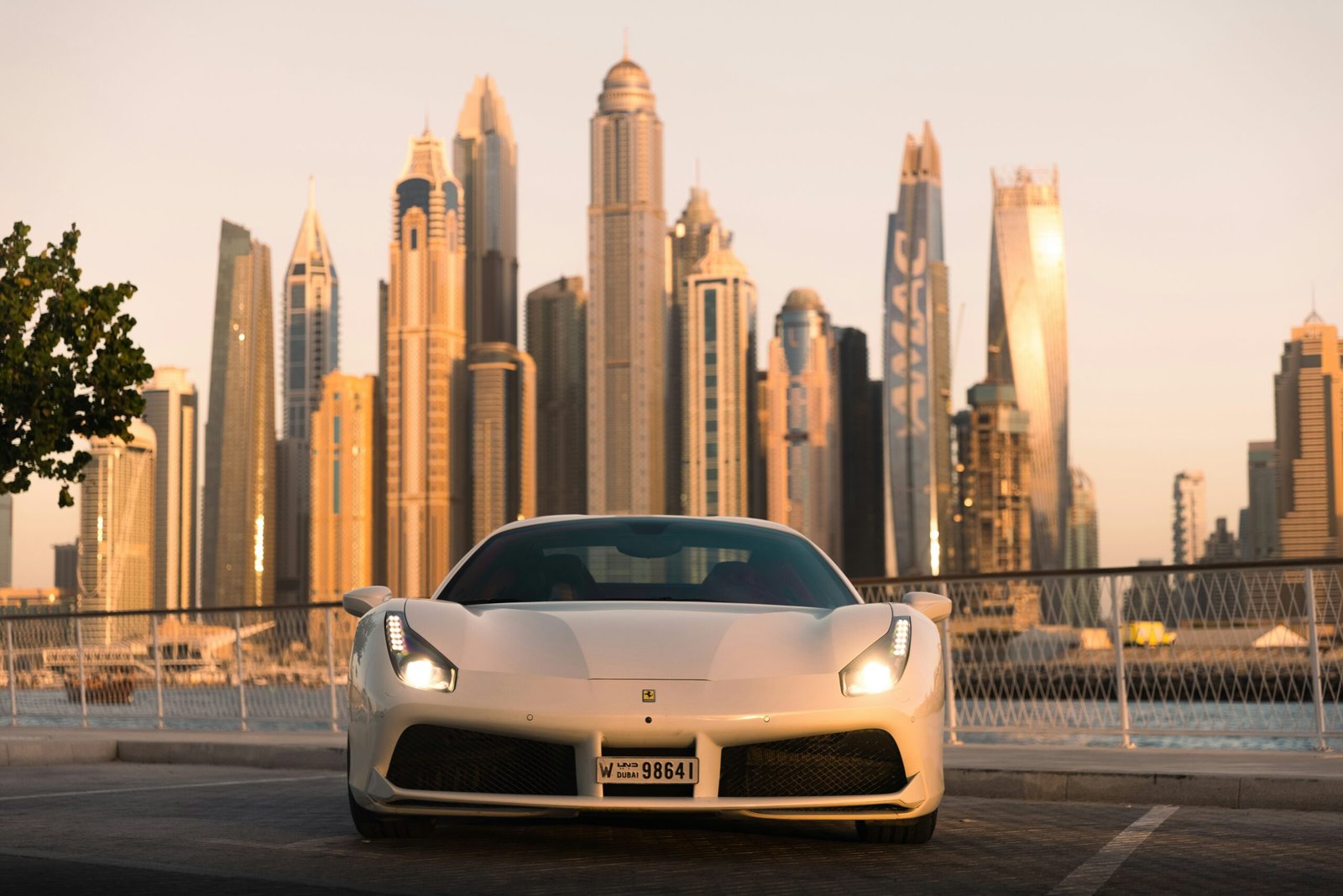
Top 10 Supercars for Sale in Dubai 2025

Top 10 Supercars for Sale in Dubai 2025

Dubai is a global hub for luxury living and high-performance cars. The city is known for its extravagant lifestyle, cutting-edge architecture, and unmatched passion for automobiles. In 2025, Dubai’s supercar market is more exciting than ever, offering some of the rarest and most powerful machines on the planet. Whether you are a collector, investor, or enthusiast, knowing which models stand out can help you make a smart purchase. Here’s a guide to the top 10 supercars for sale in Dubai this year and tips on buying in this exclusive market.

Why Dubai is the Ultimate Destination for Supercar Buyers

Dubai has long been a playground for car lovers and luxury buyers. The market here is unique due to its combination of wealth, tax benefits, and access to rare vehicles. There are several reasons why Dubai stands out as a top supercar destination:

  • Tax-Free Environment: Dubai’s zero income tax policy makes high-value purchases more attractive.
  • Exclusive Inventory: Dealerships often have limited-edition models unavailable elsewhere.
  • High Turnover of Vehicles: Many wealthy owners regularly upgrade their collections, leading to a strong pre-owned market.
  • Prestige Culture: Supercars are symbols of status and success, driving demand year-round.
  • Global Access: Buyers from around the world come to Dubai for competitive pricing and export opportunities.

The Top 10 Supercars in Dubai for 2025

These are the standout supercars making waves in Dubai’s elite automotive scene this year.

  1. Bugatti Chiron Super Sport 300

The Bugatti Chiron remains the pinnacle of automotive engineering. With its 8.0-liter quad-turbocharged W16 engine producing 1,577 horsepower, it delivers mind-blowing speed. The 300+ edition pushes boundaries with its sleek design and a top speed exceeding 300 mph.

Why buy it in Dubai:

  • Exclusive availability with custom specs
  • Strong investment potential due to rarity
  • Ideal for collectors seeking the ultimate hypercar
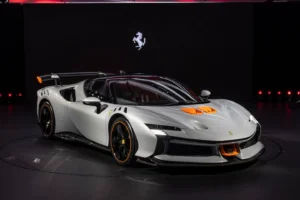
  1. Ferrari SF90 XX Stradale

Ferrari’s SF90 XX Stradale blends cutting-edge hybrid technology with track-level performance. With 1,030 horsepower from its V8 engine and three electric motors, it redefines what a hybrid supercar can do.

Dubai advantage:

  • Early access to limited models
  • Ferrari’s strong following in the region
  • Exceptional resale value
  1. Lamborghini Revuelto

Replacing the legendary Aventador, the Lamborghini Revuelto is a plug-in hybrid V12 masterpiece. With 1,001 horsepower, it combines raw power with advanced driving modes for both road and track.

Why it shines in Dubai:

  • Perfect fit for Dubai’s bold and flashy automotive scene
  • Strong demand from passionate Lamborghini collectors
  • Futuristic technology with a traditional V12 feel
  1. McLaren Solus GT

The McLaren Solus GT is a track-focused hypercar limited to just 25 units worldwide. Its 5.2-liter V10 engine and ultra-lightweight design make it one of the purest driving machines available.

Why consider it:

  • Extreme exclusivity with only a handful available globally
  • Tailor-made experience for owners
  • Perfect for private track days in the UAE
  1. Aston Martin Valkyrie AMR Pro

The Valkyrie AMR Pro brings Formula 1 technology to the road. With its naturally aspirated V12 engine and aggressive aerodynamics, it’s a true engineering marvel.

Dubai benefits:

  • Growing Aston Martin collector base
  • Ideal for high-profile events and car shows
  • Unique status symbol for elite buyers
  1. Porsche 911 S/T

Porsche’s 911 S/T pays homage to the brand’s racing history. This lightweight, driver-focused model features a naturally aspirated flat-six engine and a manual transmission for purists.

Why it’s hot in Dubai:

  • Collectors value Porsche’s heritage
  • Limited production numbers boost resale potential
  • Perfect balance of performance and daily usability
  1. Pagani Utopia

Pagani’s latest creation, the Utopia, combines breathtaking design with a twin-turbocharged V12 engine. Known for their artistry, Pagani supercars are rare and highly sought after by serious collectors.

Dubai advantage:

  • Extremely limited availability
  • Customization options tailored to owner preferences
  • Exceptional long-term investment potential
  1. Koenigsegg Jesko Absolut

The Jesko Absolut is Koenigsegg’s fastest car to date, built for top speed dominance. Its twin-turbo V8 engine produces up to 1,600 horsepower, making it one of the most powerful supercars in existence.

Why it’s a smart buy:

  • Rarity ensures future value appreciation
  • Advanced engineering appeals to serious enthusiasts
  • Competitive pricing in Dubai’s tax-free market
  1. Mercedes-AMG ONE

The Mercedes-AMG ONE brings Formula 1 technology directly to the road with a hybrid powertrain derived from Mercedes’ championship-winning F1 engines.

Why Dubai buyers love it:

  • F1 legacy appeals to motorsport fans
  • Extremely limited production
  • Perfect balance of luxury and performance
  1. Bentley Mulliner Batur

The Bentley Mulliner Batur is a bespoke grand tourer combining luxury with performance. Its twin-turbo W12 engine and hand-crafted details make it one of the most refined supercars available.

Dubai advantages:

  • Exclusive customization from Bentley’s Mulliner division
  • Prestigious brand with strong appeal in the UAE
  • Ideal blend of comfort and speed for city and desert drives

Tips for Buying Supercars in Dubai

Work with a Premium Dealer or Broker

Dubai has numerous luxury dealerships, but working with a premium broker ensures access to off-market vehicles and better negotiation opportunities.

Verify Authenticity and Documentation

Always confirm VIN numbers, service records, and ownership history. Counterfeit parts or incomplete documentation can cause legal issues.

Understand Import and Export Regulations

If you plan to export the vehicle, research international customs requirements and shipping logistics.

Consider Insurance and Storage

High-value supercars require specialized insurance and secure storage to protect their value.

Time Your Purchase

Certain times of the year, such as after major car shows or during Ramadan, can offer better deals as sellers refresh their inventory.

The Future of Dubai’s Supercar Market

Dubai’s love for supercars shows no signs of slowing down. In the coming years, expect to see:

  • Growth in electric hypercars as sustainability becomes a focus
  • More limited-edition collaborations between luxury brands
  • Digital tools for virtual showrooms and exclusive buying experiences
  • Increased demand from international buyers seeking tax advantages

Dubai remains one of the best places in the world to buy a supercar, thanks to its exclusive inventory, global reach, and vibrant car culture. Whether you are searching for the latest hypercar or a collectible classic, understanding the market and working with trusted professionals will help you secure the best possible deal. The top 10 supercars for 2025 showcase the incredible variety and innovation that define Dubai’s automotive landscape.


23/09/2025No comments,
Angelina Jolie Lists Historic Cecil B. DeMille Estate for Sale Amid Plans to Relocate Abroad

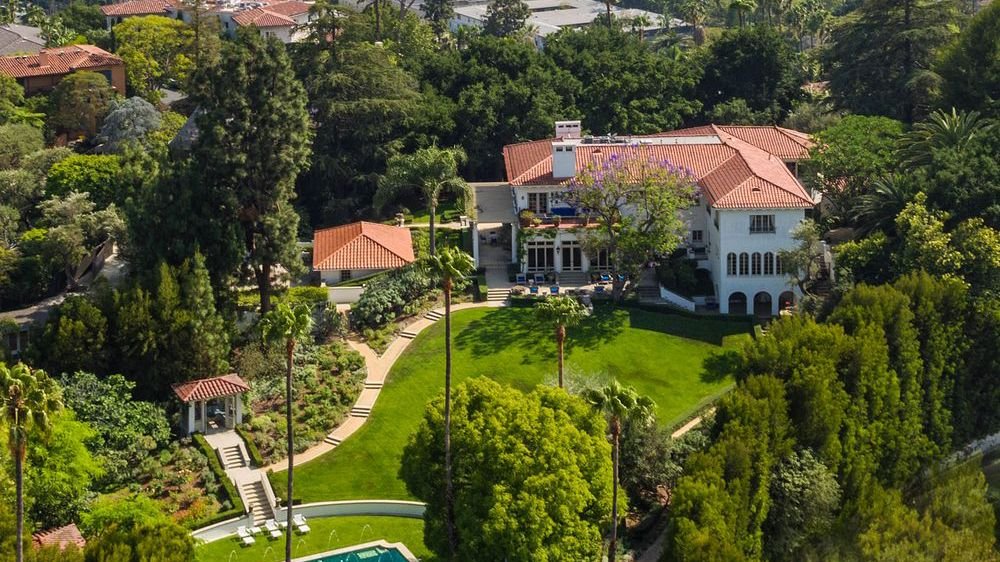
Angelina Jolie is preparing to sell her iconic Los Angeles residence, the Cecil B. DeMille estate, as she plans to relocate abroad once her youngest children, twins Knox and Vivienne, turn 18 in July 2026. The 11,000-square-foot Beaux Arts-style mansion, located in the prestigious Los Feliz neighborhood, was purchased by Jolie in 2017 for $24.5 million .

A Storied Property with Hollywood Legacy

Built in 1913, the estate was once home to legendary filmmaker Cecil B. DeMille for nearly four decades. The property spans over two acres and boasts six bedrooms, ten bathrooms, four fireplaces, a wine cellar, a tea house, formal gardens, and a pool with cascading fountains. The mansion offers views of the Griffith Observatory, adding to its historic charm .Instagram+3Page Six+3RBC Ukraine+3

During the COVID-19 pandemic, Jolie and her children resided in the estate, providing shelter to friends affected by wildfires. She has described the home as having a “spiritual ambiance” and appreciated its proximity to her ex-husband, Brad Pitt, who resides nearby .Page Six+2GQ India+2

Plans for the Future

With the upcoming milestone of her twins reaching adulthood, Jolie is preparing to make a significant life change. She has long expressed a desire to live outside Los Angeles and is reportedly eyeing several overseas locations, including Cambodia, where she adopted her eldest son, Maddox. Jolie has indicated plans to spend more time abroad and visiting family worldwide after her relocation .New York Post+4InStyle+4GQ India+4The Daily Beast+1

Where to Find the Property for Sale

As of now, the Cecil B. DeMille estate has not been officially listed on public real estate platforms. However, given its historic significance and potential market interest, it is expected to be listed through luxury real estate agencies specializing in high-end properties. Potential buyers and interested parties should monitor listings from reputable agencies and celebrity real estate news outlets for updates on the property’s availability.

For more information on the estate and Jolie’s plans, following sources:

17/08/2025No comments
The World of Mega Yachts: Luxury, Performance, and Lifestyle

Mega yachts represent the pinnacle of luxury, combining craftsmanship, cutting-edge technology, and extravagant comfort. These floating palaces are designed not only for private enjoyment but also to make a statement about lifestyle, wealth, and status. For those who appreciate both aesthetics and engineering, mega yachts are far more than vessels—they are experiences, investments, and symbols of success.

Defining a Mega Yacht

While the term “yacht” can apply to any private leisure vessel, a mega yacht typically exceeds 24 meters (79 feet) in length, with many extending well beyond 100 meters. These yachts are often custom-built or semi-custom, combining advanced naval engineering with exquisite design. Unlike smaller yachts, mega yachts provide expansive living spaces, multiple decks, and amenities rivaling five-star resorts.

Modern mega yachts often feature luxurious cabins, master suites, VIP staterooms, gyms, spas, cinema rooms, and expansive outdoor areas, such as sun decks, infinity pools, jacuzzis, and al fresco dining areas. The design philosophy balances aesthetic beauty, comfort, and functional performance, ensuring a smooth and safe journey on open seas.

Craftsmanship and Design

The construction of a mega yacht requires collaboration between naval architects, interior designers, engineers, and craftsmen. Many luxury mega yachts incorporate Baroque or modern minimalist interiors, depending on the owner’s vision. High-end materials like mahogany, marble, crystal, gold appliqués, fine leather, and rare woods are standard, ensuring every detail exudes sophistication.

Specialized features, such as hydraulic swim platforms, glass-bottom pools, panoramic lounges, and hidden cinema projectors, demonstrate the combination of creativity and technology that defines mega yacht craftsmanship. Each yacht is unique, tailored to the owner’s lifestyle preferences, from the number of guest cabins to bespoke furniture, artwork, and lighting design.

Performance and Technology

While luxury is a primary consideration, mega yachts are also feats of engineering. They are powered by high-performance engines, often Caterpillar, MTU, or MAN, capable of cruising at speeds of 12–20 knots and reaching top speeds exceeding 25 knots in some cases. Advanced stabilization systems, such as Naiad fins and gyro stabilizers, provide comfort underway and at anchor, minimizing roll and sway even in rough seas.

Navigation and safety systems are state-of-the-art, with GPS, radar, satellite communication, and automated engine monitoring integrated seamlessly. Many yachts also include environmentally conscious features, such as hybrid propulsion systems, energy-efficient lighting, and advanced wastewater treatment, reflecting growing sustainability trends in the superyacht industry.

Amenities and Lifestyle

What sets mega yachts apart is their unmatched range of amenities. Owners and guests can enjoy spa facilities with massage rooms, saunas, steam rooms, and aroma therapy suites. Fitness enthusiasts benefit from fully equipped gyms, yoga studios, and even aquatic treadmills integrated into pools. Entertainment options include cinema rooms, karaoke lounges, video game setups, and onboard libraries.

Outdoor spaces are equally spectacular. Sun decks often feature infinity pools, hot tubs, lounges, and dining areas. Some yachts are equipped with tennis courts, mini-golf courses, or helipads, while beach clubs with hydraulic swim platforms allow easy access to the sea, water toys, and tenders. Jetskis, seabobs, sailboats, and submarines often accompany mega yachts, expanding recreational possibilities.

Accommodation and Crew

Mega yachts are designed to accommodate both guests and crew in comfort. They typically have multiple guest cabins, including master suites, VIP staterooms, double cabins, and twin cabins with Pullman beds. Each cabin includes ensuite bathrooms and high-end amenities. Crew quarters are separated, allowing for privacy and professional service.

Professional crews, ranging from 8 to 30 members depending on yacht size, manage navigation, maintenance, hospitality, and guest services. Captains and first officers ensure smooth sailing, while chefs, stewards, and engineers maintain a five-star experience onboard. The crew-to-guest ratio is a key factor in delivering the seamless luxury experience expected on mega yachts.

Mega Yachts as Investments

While mega yachts are primarily luxury assets, they also hold investment potential. Certain models, particularly from established shipyards such as CRN, Feadship, Lürssen, and Benetti, retain value or appreciate over time, especially if meticulously maintained. Yachts with rare designs, historical significance, or exceptional features are often highly sought after in the secondary market.

Chartering is another way owners generate revenue. A well-located, fully equipped mega yacht can command $200,000 to $1,000,000 per week depending on size, amenities, and season. However, owning a mega yacht also involves substantial operational costs, including fuel, crew salaries, maintenance, insurance, and docking fees, typically ranging from 10–20% of the yacht’s purchase price annually.

Trends in Mega Yachts

The luxury yacht industry continues to evolve with emerging trends:

  • Sustainability: Hybrid propulsion, solar panels, and energy-efficient systems are becoming standard.
  • Smart Yachts: Integrated smart home technology controls lighting, entertainment, security, and climate systems.
  • Expedition Mega Yachts: Ice-class and explorer yachts designed for remote destinations are gaining popularity.
  • Custom Interiors: Owners increasingly seek unique designs, from contemporary minimalist to historic-inspired themes.

These trends reflect a market that blends lifestyle, innovation, and personal expression, ensuring that mega yachts remain at the forefront of luxury.

Iconic Mega Yachts

Some mega yachts have achieved legendary status due to their design, size, or celebrity ownership. Examples include:

  • M/Y Azzam (180m): One of the longest private yachts in the world, known for its sleek, aerodynamic design.
  • M/Y Eclipse (162.5m): Owned by Roman Abramovich, featuring missile defense systems, two helipads, and luxury amenities.
  • M/Y Dilbar (156m): Renowned for its enormous volume and swimming pool, setting standards in space and luxury.

These vessels represent the ultimate combination of engineering, design, and extravagance, inspiring both owners and yacht enthusiasts worldwide.

Conclusion

Mega yachts are more than luxury vessels—they are floating works of art, engineering marvels, and lifestyle statements. With unmatched craftsmanship, performance, and amenities, they offer an exclusive way to explore the world in comfort and style. Whether as a private residence, a charter investment, or a status symbol, mega yachts capture the imagination of those who value both luxury and adventure.

Owning a mega yacht requires significant investment and management, but for those who can afford it, the rewards are unparalleled: privacy, freedom, and access to some of the most beautiful destinations on Earth in ultimate comfort. The world of mega yachts continues to evolve, reflecting innovation, sustainability, and bespoke luxury, ensuring that these incredible vessels remain the ultimate symbol of prestige and lifestyle.

17/08/2025No comments
Guide to Luxury Watches: Iconic Timepieces, Investments, and Hidden Gems

The world of luxury watches is more than just craftsmanship—it’s a perfect blend of history, design, lifestyle, and investment. For collectors, enthusiasts, and investors alike, understanding what makes a watch truly special is essential. This guide explores everything from iconic timepieces to investment potential and underrated brands, giving you an insider’s perspective on the art and business of luxury watches.

The Stories Behind Iconic Watches

Every legendary watch has a story. From the Rolex Submariner, a diving icon, to the Patek Philippe Nautilus, which redefined sports luxury, these timepieces have shaped culture, fashion, and horology itself. Understanding the history, design evolution, and cultural impact of these watches allows collectors to appreciate them beyond aesthetics.

Examples of iconic watches:

  • Rolex Daytona: From racing tracks to record-breaking auctions
  • James Bond’s Rolex Submariner: A cinematic and cultural icon
  • Audemars Piguet Royal Oak: How Gérald Genta transformed luxury watch design

Watches as Investments: Value Beyond Time

Luxury watches are not just fashion statements—they are also valuable financial assets. Over the last decade, rare timepieces have outperformed many traditional investments like gold, stocks, and real estate. Collectors carefully track market trends, auction results, and limited releases to determine which watches are likely to appreciate.

Investment highlights:

  • Vintage Rolex models consistently achieve record prices at auctions
  • Limited editions and rare complications often see significant value growth
  • Watches under $10,000 from emerging brands can offer high long-term returns

Conversations with Watchmakers and Collectors

Learning from those who create and collect watches provides a deeper understanding of the craft. Master watchmakers and experienced collectors offer unique insights into quality, innovation, and market trends. Their stories reveal what makes certain timepieces both timeless and desirable.

Insights from experts:

  • How independent watchmakers maintain artisanal quality
  • Collectors’ journeys from entry-level watches to million-dollar collections
  • Emerging trends in horology and luxury watch design

The Luxury Lifestyle Beyond the Dial

Luxury watches are often part of a broader lifestyle, complementing high-end cars, yachts, travel, and fashion. Understanding this connection helps collectors choose watches that reflect personal style and social status while enjoying their aesthetic and functional value.

Lifestyle connections:

  • Perfect watch-car pairings for enthusiasts of high-performance vehicles
  • Yachting and GMT watches: Why sailors prefer certain timepieces
  • Watches on the red carpet: Iconic choices of celebrities and influencers

Hidden Gems: Underrated Luxury Watch Brands

While brands like Rolex, Patek Philippe, and Audemars Piguet dominate the market, there are many underrated brands producing exceptional craftsmanship. Collectors who explore these hidden gems often find unique designs and investment opportunities before they become mainstream.

Underrated watch brands to explore:

  • F.P. Journe: Independent, innovative, and highly collectible
  • Grand Seiko: Japanese precision and timeless design gaining global recognition
  • H. Moser & Cie: Minimalist masterpieces with distinctive aesthetics

Final Thought

Luxury watches are a combination of artistry, history, and investment potential. Whether you are a seasoned collector, an aspiring investor, or someone simply fascinated by craftsmanship, understanding iconic pieces, market trends, and hidden gems will enhance your appreciation and guide your collecting decisions. Each timepiece tells a story and can become a valuable asset in both lifestyle and investment portfolios.

17/08/2025No comments
Inside Donald Trump’s Real Estate Empire

1. Trump Tower Penthouse – The Crown of Fifth Avenue

Perched at the top of Trump Tower in Manhattan, Donald Trump’s three-level penthouse is a gilded monument to luxury. Adorned in Louis XIV-inspired decor—featuring black lacquered walls, marble floors, frescoed ceilings, and crystal chandeliers—it became his primary residence from 1983 until 2019. The 10,996 sq. ft. suite is valued at approximately $54 million, though Trump famously claimed it to be worth at least $200 million, dubbing it the “best apartment ever built” Wikipedia+1Town & CountryHousivity.

Trump Tower’s value has fluctuated significantly over time. At one point, it was estimated at up to $630 million, though operating challenges and leasing setbacks reduced the valuation in later years. Trump retained an equity stake exceeding $300 million despite carrying substantial mortgage obligations Wikipedia.

2. Mar-a-Lago – Florida’s “Winter White House”

Purchased in 1985 for around $5 million, the majestic Mediterranean-style Mar-a-Lago spans 17 acres in Palm Beach and features 128 rooms, ornate gold-leaf details, private ballrooms, gardens, and pools. Originally declining to be a public museum, Trump converted it into a private club in 1994, later establishing it as his primary residence in 2019 Town & Country+1WikipediaThe New YorkerHousivity.

During his presidency, Mar-a-Lago doubled as the “Winter White House,” hosting political events and notable guests. Its valuation continues to be hotly debated, with estimates ranging up to $300 million and even higher figures cited amid legal scrutiny The New YorkerTown & Country+1Daily Telegraph.

3. Seven Springs – A Private Country Retreat in New York

Nestled across Bedford, Armonk, and Chappaqua, the Seven Springs estate was built in 1919 by Eugene Meyer and acquired by Trump in 1996. Encompassing 230 acres, the sprawling 50,000 sq. ft. mansion includes 60 rooms, multiple pools, and carriage houses Business Insidertrump.comNew York Post.

Initially earmarked as a golf development site, the property was retained as a private retreat. While Trump claimed lofty valuations—sometimes exceeding $200 million—independent appraisals typically range closer to $30 million. Currently, the estate is also subject to possible seizure proceedings in New York amid ongoing fraud judgments against Trump Business InsiderNew York Post.

4. Golf Resorts & Clubhouses: The Political-Real Estate Nexus

  • Trump National Golf Club, Bedminster (NJ): Dubbed the “Summer White House,” this private club features multi-hole courses, lodges, and private residences, and hosted Trump family events—including Ivanka’s wedding Town & CountryHousivity.
  • Other golf properties—like Doral Miami and Trump Vineyard Estates—add further layers to Trump’s melding of leisure, branding, and politics WikipediaDaily TelegraphThe New Yorker.

5. Global Licensing Ventures & Overseas Expansion

Trump’s real estate ambitions extend beyond U.S. borders via licensing deals. In India, developments like Trump Towers in Pune, Mumbai, and Gurgaon have collectively generated significant revenue, despite the economy being criticized by Trump himself The Economic TimesWikipedia.

In South America, the halted Trump Tower project in Punta del Este, Uruguay,—initially slated as a beacon of luxury—has become emblematic of overreach and brand fatigue Wikipedia.

Meanwhile, a controversial $1.5 billion Trump-branded golf resort in Vietnam is drawing criticism over forced land seizures and meager compensation to farmers—adding global scrutiny to Trump’s expansion strategy The Daily Beast.

6. The Financial Architecture & Ethical Crossroads

Trump’s net worth has been a moving target. Forbes estimated it at around $5.4 billion (2024), with $1.1 billion tied to real estate holdings. Bloomberg offered a valuation of $7.7 billion, highlighting the volatility based on media ventures, crypto assets, and legal liabilities MoneyWeekInvestopedia.

The New Yorker’s recent exposé underscores how Trump profited massively—over $3.4 billion—through family businesses during and after his presidency. Critics point to an ethical quagmire, where political power and branding merge to enrich personal enterprises The New Yorker.

Conclusion: Real Estate as Identity and Influence

Donald Trump’s real estate portfolio is much more than property—it’s a symbol of aspirational grandeur, political identity, and brand monetization. From gilded penthouses to sprawling estates, each property tells a story: of ambition, controversy, and a constantly shifting valuation grid.

As you explore these properties—whether through the images above or further research—you’re witnessing more than real estate. You’re tracing the blueprint of a public persona built on architecture, brand, and authority.

12/08/2025No comments
Think Rich or Stay Poor: How Mindset Shapes Luxury Choices

The idea of “think rich or stay poor” goes beyond just a catchy phrase—it captures how mindset influences the way people approach wealth and value. For those interested in luxury goods, understanding this difference in thinking can offer insights into why some people invest in high-end items while others don’t. It’s not just about money; it’s about how people see opportunities and what they believe they deserve.

People who “think rich” tend to have an abundance mindset. They believe that wealth and success come from taking chances and recognizing long-term value. When they buy a luxury home or a designer watch, it’s not simply a purchase—they see it as an investment in their lifestyle and identity. On the other hand, those with a scarcity mindset often focus on what they can’t afford or are hesitant to spend on things that don’t seem immediately necessary. This difference helps explain why some buyers gravitate toward premium products while others hesitate.

This way of thinking has real effects on how luxury products are viewed and chosen. People who embrace the “think rich” mentality are more likely to appreciate the craftsmanship, exclusivity, and story behind a product. Price is less about cost and more about the experience and status that come with owning something rare or unique. For many, a higher price can actually make an item more desirable because it signals quality and distinction.

Recent trends show that even during economic ups and downs, luxury spending remains steady. This is partly because wealthy buyers see these purchases as more than just consumer goods—they are symbols of achievement or tools for building legacy. Many new wealthy individuals, such as entrepreneurs and investors, are joining this group, bringing fresh energy and demand to the market.

Stories help connect people with luxury items in a meaningful way. A beautiful piece of jewelry is made more valuable when customers learn about the careful work and tradition behind it. A luxury home becomes more than just a building when it’s linked to its history, design, and exclusivity. These stories tap into what “think rich” buyers value most: owning something that reflects their success and personal journey.

Creating special experiences also plays a role. When buyers are invited to private showings or exclusive events, it makes them feel part of a select group. This sense of belonging is important—it’s about more than just the product, it’s about being recognized and valued.

Today, social media and online platforms show luxury lifestyles like never before. For people who want to “think rich,” these spaces offer inspiration and connection. Seeing others live well and make thoughtful choices encourages them to see luxury as attainable and desirable. Sharing stories and images of high-end items helps build a community around shared values and tastes.

More buyers now also consider how brands align with their values, such as sustainability and ethical practices. The modern wealthy consumer often looks for products that not only look good but also do good. This shift adds a new layer to the “think rich” mindset—wealth isn’t just about what you have, but how you use it to make a positive impact.

This way of thinking benefits luxury sellers too. By understanding that buyers are driven by identity and long-term value, sellers can create meaningful connections rather than just transactions. Whether the economy is strong or slow, the mindset of buyers remains a key factor in their choices.

At its heart, “think rich or stay poor” is a reminder that success starts with how we see ourselves and the world. In the luxury market, this mindset helps explain why people invest in high-end goods—not just for what they cost, but for what they represent. For those selling or creating luxury products, recognizing this mindset is essential to reaching the people who will truly appreciate what they offer.

11/08/2025No comments
How Economics Drives Luxury Marketing Success in 2025

In the vast landscape of global economics, the luxury sector moves to its own rhythm. While mass consumer markets can rise and fall with every shift in the economy, luxury has an uncanny ability to maintain allure, adapt to changing circumstances, and often emerge stronger after periods of uncertainty. Understanding this relationship between economics and luxury is more than an intellectual exercise—it is the key to successfully marketing premium products in an increasingly competitive world.

Luxury spending has long been seen as an informal economic indicator. When affluent individuals invest in exclusive real estate, rare art, designer fashion, or high-end automobiles, it sends a signal: confidence in personal wealth and future prosperity. Even during recessions, luxury rarely disappears. Instead, it transforms. The bold displays of wealth might give way to what has been called “quiet luxury,” an understated elegance that emphasizes quality and longevity over showmanship. For those marketing luxury items, this is a reminder that campaigns must evolve alongside economic sentiment.

Behavioral economics tells us that luxury buying decisions are not dictated by necessity but by identity. Price does not simply represent cost; in the luxury world, it signals prestige. Scarcity enhances desirability. The wealthiest consumers, often insulated from inflation or market volatility, can maintain their spending habits even when broader markets slow down. This resilience means that marketing strategies for luxury goods should focus less on price sensitivity and more on exclusivity, craftsmanship, and emotional resonance.

Economic trends are shaping the luxury market in profound ways. The concentration of global wealth in fewer hands means that marketing can be more precise than ever, targeting affluent neighborhoods, financial hubs, and the social circles where high-net-worth individuals interact. The increasing mobility of this demographic—living across multiple cities and countries—requires campaigns that balance a consistent brand identity with cultural sensitivity. Experience-driven spending continues to rise, meaning that luxury marketing must go beyond selling a product to offering a lifestyle. And as global discussions on sustainability influence purchasing decisions, ethical sourcing and long-lasting quality are becoming selling points as powerful as design or prestige.

For marketers, applying an economic lens means making strategic decisions that go beyond aesthetics. Price positioning is one example. In mass-market retail, discounts are a common response to slower sales. In the luxury sector, the opposite may be true: maintaining or even increasing prices can reinforce the perception of exclusivity. Timing campaigns to coincide with favorable economic moments—such as stock market highs, bonus season, or currency shifts—can significantly impact conversion rates. Creating a sense of privileged access, whether through private showings, invitation-only events, or early product releases, appeals to the luxury consumer’s desire to feel part of an elite circle.

Digital platforms have become a powerful tool for this kind of targeted marketing. Wealthy buyers may first encounter a brand through a striking Instagram campaign, an immersive website, or a cinematic YouTube property tour. Here, the economics of attention come into play. High-quality content is not a cost—it is an asset. Optimizing search visibility with keywords such as luxury property investment, premium lifestyle brands, or exclusive villa tours ensures that the right audience finds you at the right moment. Ad spend can be allocated with precision, targeting based on income, location, and personal interests.

In both economics and luxury, storytelling holds value. A handcrafted timepiece is not simply a watch; it is a narrative about heritage, skill, and timelessness. A luxury home is not just square footage; it is a statement about place, privacy, and possibility. Effective storytelling integrates economic relevance, positioning a product not just as a purchase but as a strategic lifestyle investment.

Just as investors measure ROI, luxury marketers must track the returns on their campaigns. Engagement rates reveal whether affluent audiences are connecting with your content. Lead quality indicates whether your message is reaching the right demographic. Conversion value confirms whether your marketing is aligned with high-end sales goals. Without this data, even the most beautiful campaign risks missing its economic potential.

Looking toward the future, the meeting point between economics and luxury will continue to evolve. AI-driven personalization, the migration of wealth between global cities, and the rise of virtual luxury markets will all shape the way high-end goods are marketed. Those who succeed will be the brands that blend economic awareness with aspirational storytelling, who can read market signals and turn them into campaigns that resonate with both the logic and the emotion of the world’s most discerning buyers.

Economics is not the backdrop to luxury—it is the stage upon which it performs. And for those who understand how to read the cues, it offers the ultimate marketing advantage.

11/08/2025No comments
YouTube: The 1.38 Billion-Search Gateway to Luxury Marketing

In the digital age, where global attention is a coveted currency, YouTube stands as one of the most powerful platforms in the world. With over 1.38 billion searches per month, it is more than just a video-sharing site — it’s the world’s second-largest search engine, and a high-traffic marketplace for ideas, trends, and brands. For luxury brands, it offers an unprecedented opportunity to connect with affluent audiences, build aspirational appeal, and convert views into high-value purchases.

The Prestige Potential of YouTube

Luxury marketing has always been about more than just selling a product — it’s about telling a story. On YouTube, storytelling becomes visual, immersive, and shareable. Unlike static print ads or banner campaigns, video content allows potential buyers to experience the texture, craftsmanship, and lifestyle associated with high-end goods.

From a diamond-encrusted timepiece glistening under the perfect lighting, to a cinematic tour of a bespoke penthouse, YouTube can capture the essence of luxury in a way that other mediums simply cannot. The platform’s global reach ensures that this content can resonate with high-net-worth individuals across continents.

The Affluent Audience on YouTube

While YouTube is home to all demographics, luxury marketers often underestimate the platform’s penetration among wealthier audiences. Data shows that more than 80% of affluent consumers use YouTube as part of their research before making significant purchases. Whether it’s exploring reviews of fine watches, comparing high-performance sports cars, or viewing property tours of exclusive real estate, YouTube serves as a trusted gateway to informed decision-making.

Video as a Luxury Experience

Luxury consumers are not simply buying products; they’re investing in experiences and identities. On YouTube, content can be crafted to highlight these elements:

  • Cinematic Brand Stories – Short films that portray the heritage, craftsmanship, and prestige behind a brand.
  • Virtual Tours – Immersive videos showcasing luxury estates, yachts, or showrooms, allowing viewers to imagine themselves in those spaces.
  • Lifestyle Integration – Featuring products in aspirational settings: a couture gown worn at a gala, a handcrafted leather bag in an exotic travel destination, or a luxury SUV navigating scenic coastal roads.
  • Behind-the-Scenes Access – Exclusive looks into design ateliers, watchmaking workshops, or art curation processes to deepen brand authenticity.

SEO Advantage: YouTube as a Search Engine

Many marketers overlook the fact that YouTube is owned by Google, which means YouTube videos frequently appear in Google search results. Optimizing video titles, descriptions, and tags with luxury marketing keywords can drastically increase visibility for high-end products.

For example, terms like:

  • “luxury property tour”
  • “exclusive real estate investment”
  • “high-end lifestyle brands”
  • “luxury shopping experience”
  • “premium designer showcase”

…are not only relevant to YouTube’s search algorithm but also attract organic traffic from Google itself.

Building Trust Through Influencers

Luxury marketing on YouTube doesn’t need to be limited to official brand channels. Partnering with influencers who specialize in affluent lifestyles can open doors to niche audiences who already trust the creator’s recommendations.

From watch collectors reviewing limited editions, to interior designers touring penthouses, influencer collaborations can provide authentic testimonials that feel less like advertising and more like personal endorsements. For luxury, trust and exclusivity are everything — and influencers can deliver both.

YouTube Ads: Precision Targeting for Affluent Buyers

One of YouTube’s strongest marketing tools is its advanced targeting capabilities. Luxury marketers can target ads based on:

  • Income demographics
  • Location (city, ZIP codes known for high-income households)
  • Interests (travel, fashion, real estate, luxury vehicles)
  • Keywords (matching high-intent search terms)

For example, if you’re marketing a multi-million-dollar beachfront villa, your video ad can be shown only to users searching for “luxury homes near me” or “oceanfront property investment.”

The Psychology of Desire

Luxury marketing thrives on scarcity, exclusivity, and aspiration. YouTube enhances these principles by creating a visual desire loop — viewers see the lifestyle, they imagine themselves in it, and the emotional pull brings them closer to making a purchase.

High-quality video production, strategic storytelling, and deliberate pacing are essential. The goal is not to rush a sale but to cultivate longing until the product feels like a natural extension of the viewer’s identity.

Measurable Impact

Unlike traditional luxury advertising in magazines or billboards, YouTube marketing is highly measurable. Metrics like:

  • Watch time
  • Click-through rates
  • Audience retention
  • Conversion tracking

…allow luxury marketers to refine their campaigns for maximum impact. This ensures that every dollar invested is not just reaching people but reaching the right people.

Crafting the Perfect Luxury Video Strategy

To harness YouTube’s massive reach for high-end products, a winning strategy should include:

  1. High-Quality Production – Crisp visuals, perfect lighting, and professional editing.
  2. Targeted SEO – Keywords that resonate with both YouTube and Google’s algorithms.
  3. Narrative Appeal – Emotional storytelling that reinforces exclusivity and prestige.
  4. Consistent Posting – Regular content to keep audiences engaged and loyal.
  5. Call-to-Action – Directing viewers to explore more, book a private showing, or request a consultation.

The Future of Luxury Marketing on YouTube

With virtual reality (VR) and augmented reality (AR) integrations on the horizon, YouTube is set to become even more immersive. Luxury brands will soon be able to offer 360-degree virtual tours of properties, interactive fashion showcases, and digital concierge services directly within the platform.

The line between viewing and experiencing will blur — and for luxury marketing, that’s the ultimate advantage.


Final Word:
With 1.38 billion searches every month, YouTube is not just a platform — it’s a gateway to the world’s most engaged audiences. For luxury marketers, it’s a place where aspiration meets opportunity, where stories become sales, and where a single video can transform a brand’s global presence.

Those who master the art of luxury storytelling on YouTube will not just ride the digital wave — they’ll define it.

11/08/2025No comments
Top 10 Most Expensive Properties Ever Sold in the World — And Who Bought Them

When it comes to luxury real estate, some homes don’t just break the bank—they shatter records and redefine what it means to own a dream property. From sprawling royal palaces to ultra-modern skyscraper mansions, the world’s priciest homes offer a glimpse into the lifestyles of billionaires, celebrities, and royalty who spare no expense in securing their slice of paradise.

In this article, we’ll dive into the top 10 most expensive properties ever sold globally, highlighting the jaw-dropping price tags, extravagant features, and the billionaires or dignitaries behind these iconic estates. Whether you’re fascinated by architectural marvels, curious about luxury property investment, or simply love a good dose of opulence, this list is sure to captivate.


1. Buckingham Palace – London, UK

Estimated Value: $4.9 Billion
Owner: King Charles III (British Royal Family)

Often cited as the most valuable residence in the world, Buckingham Palace isn’t technically “for sale” — but its sheer value and historical significance earn it the top spot. This iconic London landmark serves as the official residence and administrative headquarters of the British monarch.

With 775 rooms, including 78 bathrooms and 92 offices, Buckingham Palace spans over 830,000 square feet. Beyond its size, it is a symbol of centuries-old monarchy, hosting state ceremonies, royal events, and tourists from around the globe. The sprawling royal gardens and exquisite architectural details add to its unmatched prestige.


2. Antilia – Mumbai, India

Price: $2 Billion
Owner: Mukesh Ambani

Rising 27 stories above Mumbai’s bustling skyline, Antilia is one of the most extraordinary private residences in the world. Owned by Indian billionaire Mukesh Ambani, this private skyscraper mansion redefines urban luxury living.

Antilia boasts amenities like three helipads, a snow room that can mimic snowfall, a private movie theater, multiple swimming pools, and parking space for 168 cars. With a staff of over 600, it’s part palace, part fortress — a dazzling jewel in one of the world’s most densely populated cities. Antilia’s blend of cutting-edge design and cultural elements showcases how billionaires invest in homes that double as status symbols.


3. Villa Leopolda – French Riviera, France

Price: $750 Million
Owner: Lily Safra (late, now estate-owned)

Nestled on the sun-drenched French Riviera, Villa Leopolda is a Belle Époque masterpiece sprawled across 18 acres. Originally built for King Leopold II of Belgium, the villa has a storied history—from a royal retreat to a hospital during World War I.

Its beautifully landscaped gardens, Mediterranean views, and opulent interiors make it one of Europe’s most coveted estates. The villa has attracted various high-profile owners and has been featured in films and celebrity events. Despite its historic roots, Villa Leopolda remains a prime example of luxury real estate that combines heritage with modern grandeur.


4. The One – Bel Air, California

Price: $141 Million (sold in 2022)
Owner: Richard Saghian (Fashion Nova CEO)

Once touted as the largest and most expensive private home in the United States, The One in Bel Air represents the epitome of ultra-modern luxury. Spanning 105,000 square feet, this colossal estate includes 21 bedrooms, a nightclub, a 30-seat movie theater, a bowling alley, and even a moat.

The design combines sleek architecture with opulent features such as panoramic views of Los Angeles and a 5-acre lot. Originally intended to be a private residence, The One went through financial turmoil before being acquired by Fashion Nova’s CEO Richard Saghian, who has plans to revitalize the property.


5. Les Palais Bulles – Cannes, France

Estimated Value: $390 Million
Owner: Pierre Cardin (late)

Nicknamed the “Bubble Palace,” Les Palais Bulles is an architectural marvel unlike any other. Designed by Hungarian architect Antti Lovag, this futuristic estate features interconnected spherical rooms set against the scenic backdrop of the Mediterranean Sea.

Its organic shapes and terracotta terraces have made it a favorite location for luxury fashion shoots and star-studded events. The late Pierre Cardin, a legendary fashion designer, made the palace his home and creative hub, blending avant-garde design with lush natural surroundings.


6. 220 Central Park South Penthouse – New York City, USA

Price: $238 Million (sold in 2019)
Owner: Ken Griffin (Hedge Fund Billionaire)

In the heart of Manhattan, overlooking the iconic Central Park, lies one of the priciest penthouses ever sold. Owned by hedge fund titan Ken Griffin, this 24,000-square-foot residence boasts breathtaking views, expansive living spaces, and world-class amenities.

The penthouse offers an unparalleled combination of privacy, luxury, and access to New York’s finest cultural institutions. Its record-breaking price solidified Manhattan’s status as a global hub for high-net-worth real estate investment.


7. Villa Les Cèdres – Saint-Jean-Cap-Ferrat, France

Price: $221 Million (sold in 2017)
Owner: Davide Campari-Milano (Campari Group)

Once the private estate of the King of Belgium, Villa Les Cèdres is a historic jewel perched on the French Riviera. Built nearly two centuries ago, the estate spans 35 acres of botanical gardens, olive groves, and exotic plants.

Its grand interiors include a massive library housing over 3,000 rare books, a swimming pool, and extensive art collections. The villa is an exquisite example of how luxury properties often intertwine rich history with extravagant living.


8. Odeon Tower Penthouse – Monaco

Estimated Value: $330 Million
Owner: Undisclosed

Monaco is synonymous with wealth, and the Odeon Tower penthouse embodies that reputation. This ultra-luxury residence features a rooftop infinity pool with a thrilling water slide that cascades down multiple floors — a unique billionaire playground.

Offering stunning views of the Mediterranean and the famed Monaco skyline, this penthouse combines modern extravagance with the exclusivity that Monaco is famous for. While the owner remains private, the property itself remains a beacon of opulence.


9. Chartwell Estate – Los Angeles, USA

Price: $150 Million (sold in 2019)
Owner: Lachlan Murdoch

Known to many as the mansion featured in the classic television show The Beverly Hillbillies, Chartwell Estate is a sprawling Bel Air property with 10 acres of beautifully landscaped gardens. Its French-inspired 18th-century architecture, grand ballroom, and lavish interiors reflect old Hollywood glamour.

Purchased by media magnate Lachlan Murdoch, the estate remains one of Los Angeles’s most prestigious addresses, representing both entertainment history and high-end luxury.


10. Palazzo di Amore – Beverly Hills, USA

Price: $129 Million
Owner: Jeff Greene

Palazzo di Amore is a Tuscan-inspired estate that blends old-world elegance with modern luxury. Spanning 53,000 square feet, it includes a 25-acre vineyard, a grand ballroom capable of hosting 250 guests, and a 50-seat private theater.

Its lavish outdoor spaces, including multiple swimming pools and lush gardens, make it an entertainer’s dream. Owned by real estate mogul Jeff Greene, the property exemplifies the seamless fusion of Hollywood glamour and European sophistication.


Why We’re Obsessed With Billionaire Real Estate

Luxury properties captivate us not only for their extravagance but also for their stories. These homes symbolize power, heritage, and achievement. For billionaires, purchasing a home isn’t just about comfort — it’s a statement to the world: “I’ve arrived.”

Beyond being personal sanctuaries, these properties are prized investments, often appreciating in value due to their exclusivity and location. They also reflect personal tastes, cultural influences, and the desire to create lasting legacies.


Final Thoughts: Which Dream Home Would You Choose?

From the regal halls of Buckingham Palace to the futuristic curves of the Bubble Palace, each of these homes tells a unique story. Whether you prefer a sprawling estate, a penthouse in a bustling metropolis, or a serene villa overlooking the sea, the world’s most expensive properties offer endless inspiration.

If money were no object, which of these luxurious homes would you make your own? Would you choose the historical grandeur of Villa Leopolda, the urban magnificence of Antilia, or perhaps the Hollywood charm of Palazzo di Amore? Share your dream pick — and let your imagination run wild.

05/08/2025No comments,
Why Do We Need a Jet? The Ultimate Symbol of Freedom and Efficiency

In today’s fast-paced world, time is the most valuable currency. For discerning travelers, entrepreneurs, and executives, the answer to saving precious hours and maintaining flexibility is clear: a private jet. But why exactly do we need a jet? Beyond the obvious luxury, owning or chartering a private aircraft is a game-changer in how we approach travel, business, and life itself.

Time Is Everything
Commercial flights mean early check-ins, security lines, unpredictable delays, and crowded terminals. A private jet flips this experience entirely—offering departure times tailored to your schedule, direct flights to smaller airports, and seamless boarding that often takes minutes, not hours. When every minute counts, the efficiency of private air travel becomes undeniable.

Tailored Flexibility
Private jets aren’t bound by commercial airline routes or schedules. This means you can design your itinerary to fit your needs—whether it’s a last-minute business meeting in Milan, a weekend getaway to a remote island, or a multi-city tour. The freedom to change course on a whim is an unrivaled advantage.

Privacy and Prestige
There’s something intangible about flying in your own aircraft. It’s a space where conversations remain confidential, distractions are minimized, and comfort is paramount. For those who value privacy—whether sealing a critical business deal or simply escaping the public eye—a jet offers sanctuary in the skies.

A Strategic Business Asset
For companies, a jet is more than just a mode of transport; it’s a strategic tool. It enables executives to maximize productivity by working mid-flight, attend multiple meetings in different cities in a single day, and make faster decisions. Moreover, the presence of a corporate jet often signals success and stability, reinforcing brand prestige.

Safety and Control
In an era where health and security concerns are top of mind, private jets provide enhanced control over environments, personnel, and routes—making them a preferred choice for those who demand the highest standards of safety.

Ultimately, a private jet isn’t just about extravagance — it’s about reclaiming control over time, space, and privacy. For those who demand the best in efficiency and experience, it’s no surprise that jets have become synonymous with the modern definition of freedom.

03/08/2025No comments
Inside the Glamorous Rockstar Lifestyle: A Peek into Their Luxurious World

Rockstars have long captivated audiences not only with their unforgettable music but also with their extravagant lifestyles. The rockstar lifestyle goes far beyond the stage— it’s an exclusive blend of luxury homes, high-end fashion, exotic travel, and unique collections that define their status as cultural icons.

Luxury Homes of Rockstars: Palatial Estates and Private Retreats

When it comes to luxury homes of rockstars, think sprawling mansions perched on cliff edges or secluded villas tucked away in tropical paradises. These residences are not just lavish homes — they’re creative sanctuaries equipped with private recording studios, home theaters, infinity pools, and priceless art collections. Celebrities like Mick Jagger and Dave Grohl showcase how rockstar living means combining comfort with style and privacy.

Rockstar Fashion: Defining Boldness and Elegance

The rockstar fashion scene is legendary for its edgy and rebellious vibe, but offstage, many rockstars embrace high-end designer brands, custom-made leather jackets, and exclusive accessories. Their wardrobes perfectly balance rock ‘n’ roll swagger with sophisticated luxury, setting trends that ripple far beyond music fans.

Celebrity Travel: Exclusive Experiences Around the Globe

In the world of celebrity travel, rockstars indulge in unparalleled luxury—chartering private jets, vacationing on private islands, and dining at the finest Michelin-starred restaurants. This level of luxury rockstar living offers both privacy and indulgence, allowing them to escape the public eye while enjoying the very best the world has to offer.

Collecting Rare Art and Memorabilia

Many rock legends turn their attention to collecting rare art, vintage instruments, and classic cars, creating collections that are as valuable as their music careers. These pieces often appreciate over time, blending passion with smart investment — a testament to the enduring influence of the rockstar lifestyle.

The Balance Between Excess and Creativity

While luxury rockstar living might seem all about excess, for many artists it’s a crucial part of their creative process. Their plush surroundings inspire new music and offer solace away from the spotlight, proving that luxury and artistry often go hand in hand.

In summary, the rockstar lifestyle is a fascinating fusion of fame, fortune, and creativity. It’s a world where every detail—from their luxury homes to their jet-set travels—reflects the unique blend of extravagance and artistry that only true rock legends can achieve.

03/08/2025No comments,
Top 6 Richest People in the World and Their Residence

In 2025, the global billionaire landscape continues to be dominated by tech titans, luxury moguls, and visionary investors. These individuals are not just symbols of immense wealth—they influence innovation, global markets, philanthropy, and even government policy. Their residences span from Silicon Valley to private islands, and their net worths reflect a combination of aggressive growth, smart investments, and global influence.

1. Elon Musk

Net Worth: $240 billion
Residence: Austin, Texas, USA

Elon Musk remains the wealthiest person in the world. As CEO of Tesla, SpaceX, and X (formerly Twitter), he continues to lead revolutions in transportation, energy, AI, and space travel. His wealth is primarily tied to Tesla stock and private holdings in SpaceX and Neuralink. Known for his minimalist lifestyle, Musk resides in a compact prefab home near SpaceX’s launch site in Texas, while also maintaining properties in Austin.

2. Bernard Arnault & Family

Net Worth: $225 billion
Residence: Paris, France

The chairman and CEO of LVMH (Moët Hennessy Louis Vuitton) is the face of European luxury. Arnault controls an empire of over 70 high-end brands, including Louis Vuitton, Dior, and Tiffany & Co. His wealth is rooted in the continued demand for luxury across global markets. Arnault resides primarily in Paris, with additional properties across the French Riviera and other elite European locales.

3. Jeff Bezos

Net Worth: $190 billion
Residence: Miami, Florida, and Medina, Washington, USA

Though he stepped down as Amazon CEO, Bezos remains the company’s largest shareholder and continues to grow his wealth through Blue Origin, The Washington Post, and a wide array of investments. He owns multiple lavish properties, including a new mansion in Miami and his long-time estate in Medina. He also frequently travels aboard his superyacht, “Koru,” a symbol of his evolving lifestyle post-Amazon.

4. Larry Ellison

Net Worth: $150 billion
Residence: Lanai, Hawaii, USA

The co-founder of Oracle, Larry Ellison has a diversified portfolio spanning tech, healthcare, and real estate. He owns 98 percent of the Hawaiian island of Lanai, where he is developing a model for sustainable luxury living. Oracle’s enterprise software dominance and strategic investments keep his net worth firmly in the top five.

5. Warren Buffett

Net Worth: $135 billion
Residence: Omaha, Nebraska, USA

The Oracle of Omaha continues to prove that value investing pays off. Buffett’s wealth stems from his decades of leadership at Berkshire Hathaway. Despite his immense fortune, he still lives in the modest home he purchased in 1958 and is known for his frugality and commitment to philanthropy. His approach to wealth remains a stark contrast to others on this list.

6. Mark Zuckerberg

Net Worth: $130 billion
Residence: Palo Alto, California, and Kauai, Hawaii

Meta Platforms (formerly Facebook) has shifted focus to artificial intelligence, VR, and the metaverse. Zuckerberg’s forward-looking investments have helped him regain his position among the top billionaires. He owns a sprawling estate in Silicon Valley and a multi-acre property in Kauai, where he spends increasing amounts of time. His lifestyle reflects a blend of tech futurism and quiet luxury.

Trends Among the World’s Richest in 2025

Several trends define the ultra-wealthy in 2025. Technology remains the dominant industry, with seven of the top ten individuals earning their fortunes from innovations in software, e-commerce, cloud computing, and social media. Privacy and remote living are increasingly common. Many billionaires are distancing themselves from city life, choosing secluded estates, islands, or sustainable luxury developments.

Diversification is another shared trait. The richest individuals rarely rely on one business—most have expansive investment portfolios across real estate, healthcare, AI, space, and energy. There is also a marked shift toward philanthropy and long-term legacy planning. Foundations, impact investments, and climate-focused projects are now central to billionaire strategies.

Where the Billionaires Live: Geographic Overview

  • United States: 8 out of 10 live in the U.S., with California, Washington, and Texas as the most common states.
  • Europe: Bernard Arnault stands out as the dominant European billionaire, reflecting the enduring strength of luxury goods.
  • Asia: Mukesh Ambani represents emerging market wealth, with India gaining ground in global influence.

The trichest people in the world in 2025 are not just extraordinarily wealthy—they are architects of the modern world. Their influence extends beyond their companies into global culture, public policy, and innovation. As industries evolve and priorities shift, these individuals continue to shape the direction of our future.

If you’re watching the movements of global wealth or seeking insights into how top-tier individuals live, invest, and think, understanding this elite group is essential.

03/07/2025No comments,
Latest Interior Design Trends 2025

In the ever-evolving world of luxury real estate, interior design is more than just aesthetics—it’s a statement of lifestyle, status, and innovation. From smart homes and sustainable materials to artisan-crafted interiors and global style fusion, the demand for sophistication in every detail is shaping the way elite homes are created and curated. At the same time, a select group of countries continues to dominate the global market for prestige properties, offering world-class residences with unparalleled design, security, and scenery.

Whether you are investing in a high-end property or developing a luxury estate, understanding the latest interior design trends and knowing where to find the finest luxury homes in the world can give you an edge.

Top Interior Design Trends in Luxury Real Estate (2025)

1. Sustainable Luxury

Eco-conscious buyers are now seeking sustainable luxury homes with features like reclaimed wood, energy-efficient lighting, and natural insulation. Interior designers are integrating organic textures, solar technologies, and locally sourced materials into homes without sacrificing elegance.

2. Biophilic Design

Nature is making a comeback through biophilic design—a concept that integrates indoor spaces with the natural world. Think indoor gardens, water features, vertical green walls, and large windows that flood interiors with natural light.

SEO Keywords: biophilic luxury interiors, nature-inspired homes, modern green living

3. Smart Home Integration

Elite buyers expect more than just Wi-Fi and smart thermostats. Fully integrated home automation systems controlling lighting, climate, security, and multimedia via voice or smartphone apps are now standard in luxury real estate.

Example: Dubai’s Palm Jumeirah villas with AI-powered home control and biometric access.

4. Quiet Luxury / Minimalism

The “quiet luxury” trend is gaining momentum, with a focus on understated elegance, neutral palettes, and clean lines. Less is more, with hidden storage solutions and minimalist furniture creating a clutter-free sanctuary.

5. Global Fusion

Worldly buyers are blending cultural design influences into one harmonious space. Mediterranean textures, Asian minimalism, Scandinavian warmth, and African tribal art are all being combined to tell a global story.

6. Wellness-Oriented Design

Wellness rooms, Himalayan salt walls, air-purification systems, and in-home spas are increasingly popular. Health and mindfulness are now essential components of high-end property design.

7. Bespoke Art and Craftsmanship

Artisanal touches—custom woodwork, handwoven rugs, and bespoke lighting—add soul and authenticity to luxury homes. The demand for one-of-a-kind interiors is driving a return to craftsmanship.

03/07/2025No comments
The World of Luxury Watches: Icons, Investment, and Timeless Prestige

Luxury watches are more than tools to measure time — they are masterpieces of craftsmanship, precision, and legacy. For collectors, enthusiasts, and investors alike, luxury timepieces represent heritage, status, and taste. In an age where digital devices dominate, mechanical watches remain a revered symbol of tradition and refinement. This article explores the world of luxury watches, focusing on popular brands, most expensive models, and what you need to know before making a high-value purchase.

Why Luxury Watches Still Matter

In a digital-first world, mechanical watches persist because of what they represent: artistry, engineering, and permanence. A luxury watch is not a disposable accessory — it is often passed down through generations. For many high-net-worth individuals, acquiring a timepiece is about marking milestones or building a legacy.

Luxury watch keywords like “best investment watches,” “luxury watch brands,” and “most expensive watches in the world” trend consistently in search data, indicating both curiosity and market demand.

Top Luxury Watch Brands to Know

  1. Rolex – Arguably the most recognized luxury watch brand globally. Known for models like the Submariner, Daytona, and GMT-Master II, Rolex watches are durable, reliable, and iconic.
  2. Patek Philippe – Revered for its craftsmanship and heritage, Patek Philippe is known for complex movements and timeless designs. Models like the Nautilus and Grand Complications are collector favorites.
  3. Audemars Piguet – The Royal Oak line revolutionized the industry with its sporty luxury aesthetic. AP timepieces often blend intricate movements with bold design.
  4. Richard Mille – A newer brand known for its futuristic design and ultra-lightweight, high-tech materials. Richard Mille watches are favored by athletes and tech billionaires.
  5. Vacheron Constantin – One of the oldest watchmakers, dating back to 1755, known for elegant dress watches and mechanical excellence.
  6. Omega – Famed for its association with NASA and the Olympics, Omega balances performance with heritage. The Speedmaster “Moonwatch” remains a historic icon.

Keywords like “Rolex vs Patek Philippe,” “best entry-level luxury watches,” and “most collectible watches” frequently appear in online queries.

The Most Popular Luxury Watches

Popularity can be measured by resale demand, waiting lists, and cultural visibility. Some of the most consistently sought-after models include:

  • Rolex Submariner – A legendary diving watch appreciated for its versatility.
  • Patek Philippe Nautilus 5711 – A steel sports watch that became a market sensation.
  • Audemars Piguet Royal Oak Offshore – Known for its bold and industrial design.
  • Omega Speedmaster Moonwatch – A watch with NASA heritage and modern appeal.
  • Cartier Tank – A timeless rectangular dress watch favored by royalty and fashion icons.

Online platforms show these models driving SEO keywords like “luxury watches with highest resale value” and “most popular Rolex models.”

The Most Expensive Watches Ever Sold

Luxury watches can command staggering prices at auctions and private sales. Some record-setting examples include:

  • Patek Philippe Grandmaster Chime Ref. 6300A – Sold for over $31 million, this is currently the most expensive wristwatch ever auctioned.
  • Rolex Paul Newman Daytona – Belonging to the actor himself, this iconic chronograph sold for $17.8 million.
  • Jacob & Co. Billionaire Watch – Encrusted with 260 carats of emerald-cut diamonds, valued at over $18 million.
  • Breguet No. 160 “Marie Antoinette” – Valued over $30 million, this pocket watch took decades to complete and is among the most historic.

Search terms like “most expensive watch in the world” and “celebrity watches auction” indicate the cultural fascination with watch value and rarity.

What to Know Before Buying a Luxury Watch

  1. Purpose – Are you buying for investment, collection, or daily wear? Your intent will shape your choice.
  2. Authentication – Only buy from trusted dealers or platforms. Counterfeits are common in the luxury market.
  3. Resale Value – Some watches appreciate over time. Brands like Rolex, Patek Philippe, and Audemars Piguet hold their value best.

  4. Servicing and Care – Luxury watches require periodic servicing by certified professionals to maintain precision and longevity.
  5. Budget and Rarity – Understand how rarity, materials, and historical significance influence pricing. Don’t overpay without due diligence.

13/06/2025No comments
Before Buying a Private Jet: What You Need to Know

The idea of owning a private jet is one of the clearest symbols of success, freedom, and control over time. For ultra-high-net-worth individuals (UHNWIs), a private aircraft offers not just convenience, but strategic advantage. However, the process of acquiring a jet is far more nuanced than simply signing a check. It involves a complex web of regulations, operational costs, and long-term planning. In this guide, we break down what prospective buyers must understand before entering the exclusive world of private aviation.

Understanding the Purpose of Ownership

Before purchasing a private jet, clarify the primary purpose of ownership. Are you buying for personal luxury, business mobility, or both? How frequently will you fly, and what are your typical routes?

A buyer who travels 200+ hours per year on consistent routes may benefit more from ownership, while infrequent flyers might consider fractional ownership or jet cards. Your goals—whether privacy, time savings, or branding—will guide your aircraft choice and operational model.

Search terms such as “is it worth buying a private jet” and “private jet vs charter” are commonly searched as buyers evaluate these trade-offs.

Types of Private Jets

Private jets vary widely in size, range, capacity, and cost. Common categories include:

  • Light Jets: Ideal for short-haul flights (2–3 hours), seating 4–6 passengers.
  • Midsize Jets: Suitable for mid-range business travel, seating up to 8.
  • Super-Midsize and Heavy Jets: For transcontinental flights with greater comfort.
  • Ultra-Long-Range Jets: Such as the Gulfstream G700 or Bombardier Global 7500, capable of flying non-stop for 12+ hours.

Understanding your most common travel needs ensures you don’t over- or under-purchase. Popular keywords include “best private jet for business travel” and “long range private jets.”

New vs Pre-Owned Jets

Buying new offers the latest in avionics, fuel efficiency, and customization—but at a premium price and longer delivery time. Pre-owned jets can be significantly less expensive and available immediately, though they may require upgrades or refurbishment.

Ensure a full inspection, maintenance history review, and logbook audit for any pre-owned aircraft. Terms like “buy pre-owned private jet” and “jet refurbishment costs” are vital SEO considerations for this segment.

Regulatory and Legal Considerations

Private jet ownership is governed by strict aviation regulations. You’ll need to register the aircraft, choose a country of registry, and ensure compliance with safety and airworthiness standards.

Aircraft registration, insurance, and tax laws vary by jurisdiction. Some buyers choose offshore registries for privacy or tax planning purposes. Consulting an aviation attorney or regulatory advisor is essential.

“Aircraft registration laws” and “private jet taxes by country” are critical search terms that reflect due diligence.

Crew, Management, and Operations

Unless you plan to pilot the jet yourself, you’ll need a professional crew. Options include hiring directly or working with a management company that handles pilots, maintenance, scheduling, and regulatory compliance.
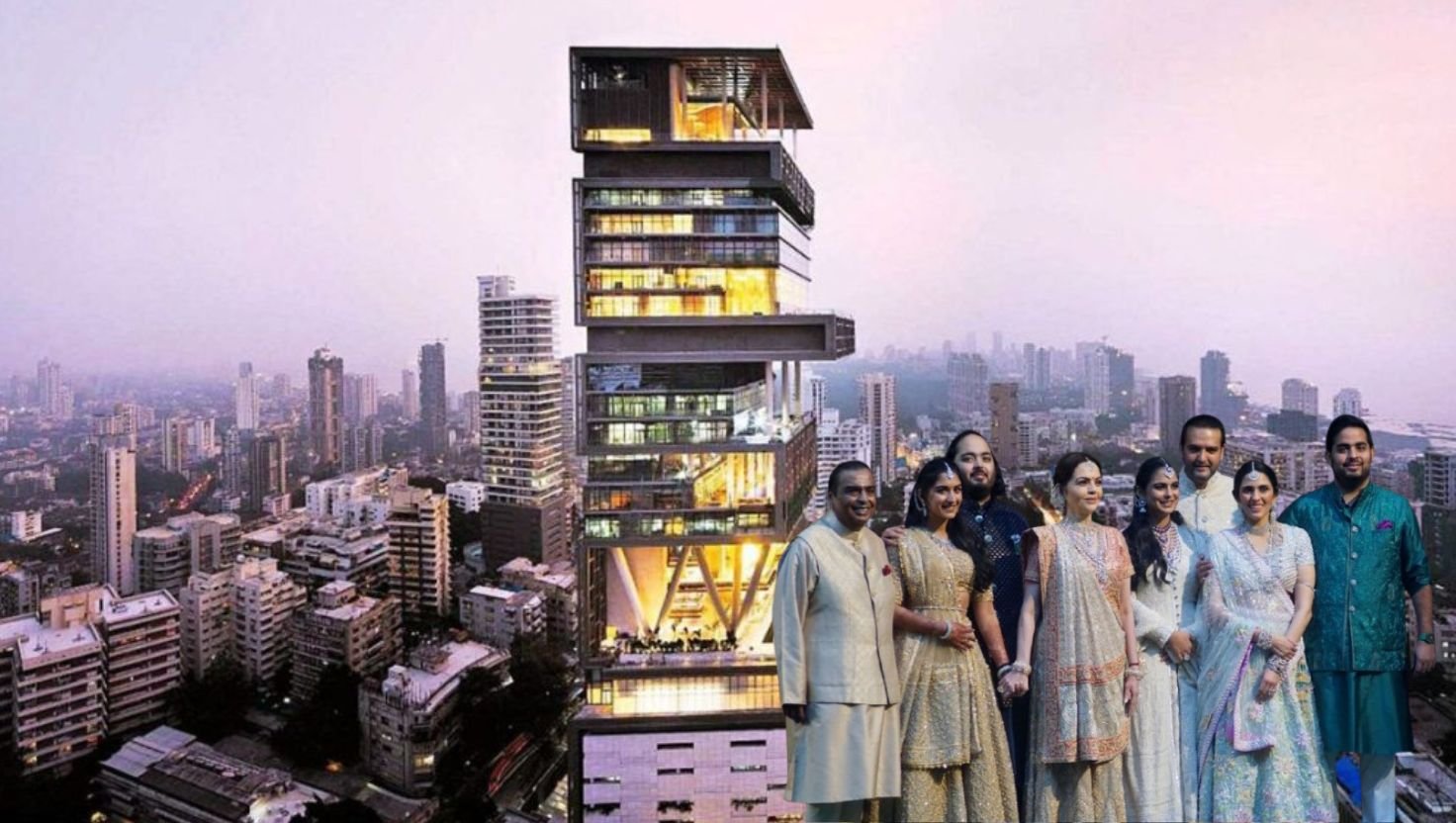
This team ensures safe operations, coordinates with Fixed Base Operators (FBOs), and maintains the aircraft between flights. A top-ranking phrase in this context is “private jet management company.”

Maintenance and Operating Costs

Beyond acquisition, operating a jet involves substantial ongoing expenses:

  • Fuel and airport fees
  • Hangar rental
  • Crew salaries and training
  • Insurance
  • Maintenance reserves and scheduled inspections

Expect annual operating costs to range from hundreds of thousands to several million dollars, depending on aircraft size. Tools like “private jet cost calculator” and “annual jet maintenance cost” are high-traffic search queries.

Financing and Ownership Structures

Many UHNWIs finance their jets or place ownership within a trust or corporate structure for liability protection and tax optimization. Lenders offer specialized aviation financing, often requiring a personal guarantee and full aircraft appraisal.

Ownership structures may involve leasing, fractional programs, or private holding companies. Keyword optimization for this section includes “private jet financing options” and “aircraft ownership structure.”

Insurance and Risk Management

Jet insurance must cover hull damage, liability, and crew. Premiums vary based on aircraft type, usage frequency, and the operator’s safety record.

Security is also a growing concern. High-profile individuals may require threat assessments, secure hangars, and cybersecurity measures onboard.

Search interest in “private jet insurance” and “aviation risk management” continues to grow alongside market demand.

Customization and Interior Fit-Out

Part of the appeal of ownership lies in customization. Buyers often redesign the interior for privacy, work, or relaxation. Options include lie-flat beds, lounges, conference tables, and chef-grade kitchens.

This is where luxury meets utility—interior fit-outs can cost millions but deliver a personalized in-air experience. Trending keywords include “luxury jet interiors” and “custom private jet cabin.”

Resale and Depreciation

Private jets are depreciating assets. Over 5–10 years, a jet may lose 30–60% of its value. Buyers should consider future resale prospects, demand for specific models, and market conditions.

13/06/2025No comments
The Billionaire Lifestyle: A World of Privilege, Power, and Precision

In a world where luxury defines identity and time is the only scarce commodity, the billionaire lifestyle stands as the ultimate symbol of success and sophistication. Beyond mere wealth, it is a carefully curated existence — marked by exclusivity, influence, and access that few ever experience. In this article, we explore what it truly means to live like a billionaire, through the lens of real estate, travel, transportation, and personal refinement. This is more than luxury — it is a lifestyle built on precision, privacy, and prestige.

Luxury Real Estate: Private Islands, Sky Villas, and Architectural Masterpieces

For billionaires, a home is more than a place to reside — it is a reflection of their personal brand and values. From Beverly Hills mansions to beachfront compounds in the Maldives, luxury real estate is a central pillar of the billionaire lifestyle.

Ultra-high-net-worth individuals (UHNWIs) often maintain residences in key global cities — New York, London, Dubai, Paris — alongside seasonal escapes in St. Barts, Lake Como, or the Swiss Alps. These properties are not merely purchased for status; they are investments in location, security, architecture, and lifestyle.

Search engines see increasing queries for terms like “private island for sale” and “luxury villa in Dubai,” showing growing global interest in real estate that offers both beauty and privacy.

Private Jets and Superyachts: The Art of Seamless Travel

Forget first class. For billionaires, private aviation is the only acceptable way to travel. Whether it’s a Gulfstream G700 or a Bombardier Global 7500, private jets offer unmatched convenience, safety, and customization. Onboard, you’ll find lounges, bedrooms, and conference suites — the sky becomes a boardroom and a retreat.

Similarly, superyachts represent a fusion of leisure and luxury mobility. These floating palaces, often over 150 feet in length, come with helipads, cinemas, wine cellars, spas, and personal submarines. Yacht ownership is often seen as the crown jewel of the billionaire lifestyle, and search terms such as “mega yacht for sale” and “charter luxury yacht” remain top-ranking SEO phrases in the luxury niche.

Exotic Supercars and Hypercars: Driving Art on Wheels

For billionaires, transportation is an expression of identity. Their garages are filled with iconic marques — Bugatti, Pagani, Koenigsegg, and Ferrari — each customized to personal tastes. These vehicles are more than machines; they are design statements and engineering marvels.

Owning a hypercar is not simply about speed; it’s about exclusivity. Many of these cars are made in extremely limited runs, with bespoke interior finishes, rare materials, and performance capabilities that rival those of professional racecars. Search queries like “buy a supercar online” or “luxury car marketplace” indicate ongoing digital interest in elite automotive ownership.

Timepieces, Fashion, and Personal Curation

The billionaire lifestyle extends to the details — a wristwatch is not simply a tool to tell time, but a statement of craftsmanship. Brands like Patek Philippe, Richard Mille, and Audemars Piguet dominate the wrists of the elite. Custom tailoring, from Savile Row to Milan’s fashion houses, ensures each garment fits not only the body, but the moment.

Style is not about excess; it is about precision. Private shopping experiences, limited-edition releases, and curated personal branding define how billionaires present themselves to the world.

Experiential Living: Privacy, Wellness, and Customization

Today’s billionaires prioritize wellness, personalization, and digital detachment. Private wellness retreats, biohacking therapies, and personal chefs are now common. Experiences such as renting an Arctic igloo for a private Northern Lights viewing, or commissioning a fragrance designed for one’s DNA, are examples of how wealth transforms into memory and identity.

Search engines register rising interest in terms like “luxury wellness retreat” and “private chef for hire,” reflecting how billionaires seek out custom experiences over mainstream luxury.

Digital Discretion and Personal Security

Privacy is paramount in a world of constant digital exposure. High-net-worth individuals often employ digital consultants to protect their online presence, alongside in-person security teams and encrypted communications.

Billionaires also invest heavily in cybersecurity infrastructure — ensuring their digital footprints, financials, and family activities are shielded from external threats. The phrase “digital privacy for the wealthy” has seen increasing SEO volume in the luxury sector.

13/06/2025No comments
Everything You Need to Know About Flexjet

Flexjet’s corporate jets bridge the gap between owning and chartering a private aircraft.

Owning a private jet offers the promise of luxury, flexibility and efficiency. However, having the keys to a private plane also comes with its own set of inconveniences and drawbacks. Whether it is arranging storage, ensuring regular maintenance or hiring a crew, full ownership is a beneficial option only to very few elite travelers.

This is why private jet providers and companies increasingly offer programs that suit different needs, from frequent executive travel to occasional family getaways. And if owning an entire jet can be overwhelming, owning a jet card or shares of a jet is often a great alternative option, especially as buyers can choose to buy the percentage of shares that best suits their flying frequency and preferences. 

[See also: The Biggest Private Jet Companies in the World]

What is Flexjet and how does it work?

Flexjet entered the private aviation market in 1995 when it started offering fractional ownership programs as a division of Bombardier Aerospace. Today, the American company operates under the umbrella of Directional Aviation and offers its flagship shared ownership program as well as jet cards, plane leasing and helicopter services.

Whether the priority is guaranteed availability, swift callout times or competitive pricing, Flexjet’s diverse range of offerings ensures that every flyer’s needs and preferences are met.

What is perhaps most representative of the jet company’s dedication to bridging the gap between owning and chartering a private aircraft is the Red Label membership

This premium subscription provides passengers with more personalized service, including dedicated crews assigned to each jet who quickly learn flyers’ unique preferences, from pouring your favorite champagne to setting the ideal cabin temperature. The membership also unlocks access to luxurious bespoke interiors from the LXi Cabin Collection, which help create the ultimate lavish and elegant home – or office – in the sky.

Flexjet is an expert at crafting experiences that especially appeal to business executives and corporate travel in general. The company offers unmatched time flexibility to all fractional owners, ensuring bookings are seamless, even at the last minute, and always designed to fit the demands of busy schedules. In addition to that, the cabin provides a quiet and private space where passengers can have conversations, hold meetings or get some work done during the flight.

What are the best Flexjet corporate jets?

Gulfstream G650

flexjet bentley bacalar jet interior

Read More

01/06/2025No comments