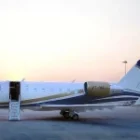
Listing ID: 78759
In the vast landscape of global economics, the luxury sector moves to its own rhythm. While mass consumer markets can rise and fall with every shift in the economy, luxury has an uncanny ability to maintain allure, adapt to changing circumstances, and often emerge stronger after periods of uncertainty. Understanding this relationship between economics and luxury is more than an intellectual exercise—it is the key to successfully marketing premium products in an increasingly competitive world.
Luxury spending has long been seen as an informal economic indicator. When affluent individuals invest in exclusive real estate, rare art, designer fashion, or high-end automobiles, it sends a signal: confidence in personal wealth and future prosperity. Even during recessions, luxury rarely disappears. Instead, it transforms. The bold displays of wealth might give way to what has been called “quiet luxury,” an understated elegance that emphasizes quality and longevity over showmanship. For those marketing luxury items, this is a reminder that campaigns must evolve alongside economic sentiment.
Behavioral economics tells us that luxury buying decisions are not dictated by necessity but by identity. Price does not simply represent cost; in the luxury world, it signals prestige. Scarcity enhances desirability. The wealthiest consumers, often insulated from inflation or market volatility, can maintain their spending habits even when broader markets slow down. This resilience means that marketing strategies for luxury goods should focus less on price sensitivity and more on exclusivity, craftsmanship, and emotional resonance.
Economic trends are shaping the luxury market in profound ways. The concentration of global wealth in fewer hands means that marketing can be more precise than ever, targeting affluent neighborhoods, financial hubs, and the social circles where high-net-worth individuals interact. The increasing mobility of this demographic—living across multiple cities and countries—requires campaigns that balance a consistent brand identity with cultural sensitivity. Experience-driven spending continues to rise, meaning that luxury marketing must go beyond selling a product to offering a lifestyle. And as global discussions on sustainability influence purchasing decisions, ethical sourcing and long-lasting quality are becoming selling points as powerful as design or prestige.
For marketers, applying an economic lens means making strategic decisions that go beyond aesthetics. Price positioning is one example. In mass-market retail, discounts are a common response to slower sales. In the luxury sector, the opposite may be true: maintaining or even increasing prices can reinforce the perception of exclusivity. Timing campaigns to coincide with favorable economic moments—such as stock market highs, bonus season, or currency shifts—can significantly impact conversion rates. Creating a sense of privileged access, whether through private showings, invitation-only events, or early product releases, appeals to the luxury consumer’s desire to feel part of an elite circle.
Digital platforms have become a powerful tool for this kind of targeted marketing. Wealthy buyers may first encounter a brand through a striking Instagram campaign, an immersive website, or a cinematic YouTube property tour. Here, the economics of attention come into play. High-quality content is not a cost—it is an asset. Optimizing search visibility with keywords such as luxury property investment, premium lifestyle brands, or exclusive villa tours ensures that the right audience finds you at the right moment. Ad spend can be allocated with precision, targeting based on income, location, and personal interests.
In both economics and luxury, storytelling holds value. A handcrafted timepiece is not simply a watch; it is a narrative about heritage, skill, and timelessness. A luxury home is not just square footage; it is a statement about place, privacy, and possibility. Effective storytelling integrates economic relevance, positioning a product not just as a purchase but as a strategic lifestyle investment.
Just as investors measure ROI, luxury marketers must track the returns on their campaigns. Engagement rates reveal whether affluent audiences are connecting with your content. Lead quality indicates whether your message is reaching the right demographic. Conversion value confirms whether your marketing is aligned with high-end sales goals. Without this data, even the most beautiful campaign risks missing its economic potential.
Looking toward the future, the meeting point between economics and luxury will continue to evolve. AI-driven personalization, the migration of wealth between global cities, and the rise of virtual luxury markets will all shape the way high-end goods are marketed. Those who succeed will be the brands that blend economic awareness with aspirational storytelling, who can read market signals and turn them into campaigns that resonate with both the logic and the emotion of the world’s most discerning buyers.
Economics is not the backdrop to luxury—it is the stage upon which it performs. And for those who understand how to read the cues, it offers the ultimate marketing advantage.