Billion Dollar Unicorn โ€“ Careem Is The Latest Middle East Unicorn

According to Juniper Research, the global ride sharing market is estimated to grow to $6.5 billion by 2020 from $3.3 billion in 2015. North America is the biggest region in the industry and is expected to account for a third of the market share. Western Europe and Asia-Pacific, excluding Far East and China, are estimated to be the next big regions. While Uber maybe the biggest known brand worldwide, other local services are making a big impact in their respective regions. Billion Dollar Unicorn club member Careem is leading the market in the Middle East.

Careemโ€™s Offerings

Dubai-based Careem was founded in 2012 by McKinsey alumni Mudassir Sheikha and Magnus Olsson. The service was initially set up as a web-based service for corporate car bookings. But as the market evolved, it transitioned to becoming an app that would allow individuals to book a car for hire. The company has expanded its geographic presence outside of Dubai as well. Today, its service is available in 11 countries and more than 52 cities in the Middle East, North Africa, and Pakistan regions. It claims that it has 150,000 drivers in these countries and helps transport more than 6 million cab riders.

Careemโ€™s Regulatory Concerns

Like Uber, Careem is also no stranger to regulatory controversies. Last year, local taxi drivers in Egypt claimed that Careem was operating without official taxi licenses and demanded government intervention. Luckily for the companies, the Egyptian government ruled in favour of Careem and Uber, thus allowing them to operate legally in the country.

However, things are not so rosy in Abu Dhabi. Ride sharing services of both Careem and Uber were suspended in August without indicating the reason. Earlier this month, Careem announced plans to relaunch its services in Abu Dhabi. It is also adding a new service called Careem Limo to operate under the regulations for limo services in Abu Dhabi. This will make Careem the only ride-hailing app service in the city.

Even in its home town Dubai, Careem has had to revisit its pricing options. Last month, Dubaiโ€™s Roads and Transport Authority (RTA) announced a rule to impose some new charges on ride-hailing services. The Authority will be charging a surcharge of AED3 (~$0.82) per trip on Careem users. The surcharge is part of planned new regulations for transport services to deal with app-based ride-hailing platforms. Careem had earlier tied up with RTA in Dubai to allow users to book RTA taxis through the Careem app. The service is expected to be launched soon and will not be charged the surcharge.

Read more

16/02/2019No comments,
Why People Are Excited About The Return Of The Reliable Nokia 3310

The smartphones that sit uncomfortably inside our pocket are now more powerful than the large desktop computers from 10 years ago. However, many people will tell you that these fantastic advances in technology are not always a sign of progress.

For example, anyone that remembers the days when the tank like Nokia 3310 ruled the world will scoff at our unusual modern ways. Back in simpler times, you didnโ€™t have to worry about dropping your phone or constantly searching for a power socket to charge your phone, and it even fit in your pocket.

You didnโ€™t feel the need to have to search for a game that you somehow buried on page 7 of your phone apps because the only game you played was called Snake. This was an era where reliability and resilience were rated much higher than shiny new gimmickry.

Sure, there was a reversal of fortune when the iPhone appeared on the scene, and we fell in love with mobile apps and screens that shatter just by looking at concrete. Eventually, Microsoft infamously acquired Nokiaโ€™s mobile phone business in 2014 for a whopping $7.17 billion in a move that would eventually be the kiss of death for the Nokia phone as we knew it.

According to Evan Blass, HMD Global Oy, the Finnish manufacturer with exclusive rights to market phones under the Nokia brand have an interesting announcement on the horizon. It appears there are plans to announce four handsets at Mobile World Congress later this month including the much loved Nokia 3310 that many still remember as the first phone they fell in love with.

Read more

16/02/2019No comments,
Foreign Currency Requirements for Purchasing a Condo

The Condominium Act of 1979 is restrictive of foreign ownership of condominiums in Thailand, but generally allows it for foreigners who permanent residents, or those who have entered the country on an investment promotion visa, or for those who have fulfilled certain requirements related to the transfer or withdrawal of foreign currency. In regards to those foreign currency requirements, the Land Department Regulation Re: Foreign Ownership of Condominium Units of 2004 defines the foreign currency requirements below.

The foreign purchaser must provide evidence of either (1) remitting foreign currency into Thailand, or (2) withdrawing Thai baht from the bank account of a person who is domiciled outside of Thailand, or (3) withdrawing money from a foreign currency account in an amount no less than the purchase price of the condominium unit that is intended to be purchased.

Read more

16/02/2019No comments,
Setting Up Company Partnerships under Thai Law

Setting Up Company Partnerships under Thai Law

Siam Legal International | October 10, 2016 | Business in Thailand, Civil and Commercial Law, Company Law, Company Registration

The Civil and Commercial Code of Thailand provides for the formation of partnerships as is found in the laws of other countries. However, partnerships are normally not formed by foreign investors due to particular difficulties that arise due to the Foreign Business Act of 1999. Generally speaking, the formation of a limited company is more advantageous to foreign investors since majority Thai-owned companies with foreign directors are still considered โ€œThai nationalsโ€ for the purposes of the Foreign Business Act. In contrast, partnerships, even if formed with majority Thai capital investment, are still considered โ€œforeign nationalsโ€ if the managing partner is a foreign national. Nevertheless, it is possible for foreign nationals to operate business in Thailand as a partnership in certain cases, such as if they are operating a business that is unrestricted by the Foreign Business Act, or if they have obtained a Foreign Business License or a Foreign Business Certificate under the Thai-U.S. Treaty of Amity. A few of the notable points regarding the operation of a partnership is as follows:

There are three forms of partnerships: an unregistered ordinary partnership, a registered ordinary partnership, and a limited partnership.
As for the unregistered ordinary partnership, it refers to a business partnership arising from a contract and does not constitute a juristic person. The partners are jointly and unlimitedly liable for the obligations of the partnership and are bound to each other by the terms of their partnership agreement. If an ordinary partnership is then registered, it will have the status of being a juristic person. Nevertheless the partners are still personally liable to third parties.

Read more

16/02/2019No comments,
Withdrawing Shareholder Meeting Resolutions

Shareholder meetings play an important role in the governance of Thai limited companies since the Civil and Commercial Code require that limited companies be managed by the directors under the control of meetings of the shareholders (called โ€œgeneral meetingsโ€ in the Code). The primary instrument used by the general meetings to govern the company are shareholder meeting resolutions which are passed by a majority vote of the shareholders attending the meetings. However, an important legal issue that arises in regards to shareholder meeting resolutions concerns the withdrawal of resolutions after they have been passed by a meeting. Section 1195 of the Civil and Commercial Code provide for the withdrawal of company resolutions. According to that section, a resolution must be withdrawn by court order. Furthermore, only a shareholder or director has standing to challenge a resolution and may make such an application to the Court.

Read more

16/02/2019No comments,
Thai Limited Companies: Shareholder Meetings

Shareholder meetings are an important element in the management of Thai limited companies, since the authorized directors of the company must manage the company under the control of the meetings of the shareholders. In order to hold a meeting of the shareholders, a meeting has to be called according to the procedure defined in the Civil and Commercial Code. One of the procedures according to the Code is that a notification must be delivered to the shareholders.

Section 1175 paragraph one requires that an advertisement must be published in a local newspaper at least once before the date of the meeting no less than 7 days in advance and a notification must be sent by post with acknowledgment of receipt to all shareholders whose name appears in the shareholder registry no less than 7 days in advance of the date of meeting. However, for extraordinary meetings of the shareholders, the aforementioned procedure must be performed no less than 14 days in advance of the date of the meeting.

According to Section 1244, a notification shall be deemed to be delivered to a shareholder if it is delivered to him personally. Furthermore, if the notification has been delivered to the address of the shareholder that appears in the shareholder registry, the shareholder shall be deemed to have been duly notified.

According to Thai Supreme Court Decision No. 384/2506: โ€œSection 1175 of the Civil and Commercial Code regarding notifications of a general meeting of the company only requires that a notification of the meeting be sent no less than 7 days. Therefore, where the Defendant, who is a company liquidator, has sent a notification by post no less than 7 days in advance of the meeting and Plaintiff, who is a shareholder, has received it, then it shall be deemed that Defendant delivered the notice correctly according to the law and it is not relevant as to what day Plaintiff actually received it.โ€

Furthermore, Section 1175 paragraph two requires that the time and location of the meeting be indicated in the notification, as well as the agenda for the meeting. If a special resolution is to be considered, then the substance of the resolution must be included in the notice.

According to Thai Supreme Court Decision No. 2644/2520 โ€œa general meeting wherein a matter is considered outside of the agenda, a resolution passed by the shareholders to pay a debt which the shareholders themselves are the creditor and have a personal interest violates Section 1174 and 1175.โ€

Thai corporate law is complex. Foreigners who are in charge of managing a Thai limited company are advised to consult with competent Thailand lawyers.

Read more

16/02/2019No comments,
Reference Guide for Corporate Buyers of Land in Thailand

The requirements and legal procedures involved in buying land in Thailand as a company (particularly with foreign shareholders) is quite complex. Siam Legal has therefore compiled this reference guide to help its corporate clients prepare the necessary documents and evidence required in order to avoid needless mistakes and costly delays when appearing before the Land Official for the transfer of ownership. The guide below can also generally apply to condominium transactions, except that foreign companies are not restricted from owning condominium units outright.

Read more

16/02/2019No comments,
Acquisition of Land in Thailand by a Foreign Government

The acquisition of land or a condominium unit in Thailand by a foreign government for official use, such as for use as an embassy or consulate, is not covered by any specific legislation. Therefore, assuming that a foreign government intended to acquire land or other immovable property in Thailand for official use, such an acquisition must be done by reciprocal agreement between nations, although not falling under the terms of Section 86 of the Land Code (as stated in Land Department Announcement No. 0610.4/893 issued on 2 August 1994). Furthermore, the Thai Cabinet has issued a number of resolutions on this matter which can be summarized as follows:

19 February 1958: According to this resolution where a foreign government wishes to purchase land for official use or for the use as a residence for their officials in an area not exceeding 15 rai, regardless of whether it is one plot or several, then the Land Department may proceed to allow the acquisition. If the amount to be purchased is more than the amount specified, then permission may sought from the Cabinet on a case by case basis.
1 April 1997: This resolution addressed the acquisition of land by social countires. Since the acquisition of land in Thailand by foreign governments had to follow the principle of reciprocity and since socialist governments do not allow foreign governments to acquire land in their countries, then accordingly Thailand could not allow socialist countries to purchase land in Thailand, but could only allow them to lease the land. However, due to the interest of maintaining stable relations with foreign countries, the Thai government would have to purchase the land from the private owner first and then enter into the lease agreement with the foreign socialist government.
An interesting issue arose when the Taiwan Economic and Trade Office in Thailand wished to purchase a land and building for official purposes. The Land Department considered the matter and concluded that the acquisition of land in Thailand by foreign government had to be done on the basis of reciprocity. However, since the Thai government had not recognized the sovereignty of Taiwan, the Thai government could not enter into any such reciprocal agreement with the Taiwanese government. Therefore, on 5 February 2000, the Cabinet allowed the Thai Economic and Trade Office to enter into an agreement with the Taiwan Economic and Trade Office regarding reciprocity in the purchase and acquisition of land for both parties.

The acquisition of land by foreigners is a complex legal subject in Thailand. Foreigners seeking to acquire land in Thailand are advised to consult with competent Thai legal counsel before proceeding.

Read more

16/02/2019No comments,
We make 40,000 cold calls every week โ€“ this is what weโ€™ve learned

Cold Calling is, by some distance, the most controversial topic in the sales community right now.

Thereโ€™s been a lot of articles written about it and everyone has strong opinions. Most people are talking from personal experience and some with the benefit of having run a team.

I work for a company that makes more than 40,000 cold calls per week, to all parts of the globe. Does that give me more insight than most? Iโ€™m not sure, but hereโ€™s my tuppence worth to add to the debate, tell me what you think once youโ€™ve read about what weโ€™ve learned.

First the good news โ€“ it does still work โ€“ no matter what anyone tries to tell you.

Now the bad; cold calling isnโ€™t easy and never will beโ€ฆperiod. But the worst thing about it? The time it takes.

Does that time make it a viable way for an expensive BDM to spend their time? Again, things arenโ€™t as black and white as most arguments Iโ€™ve seen and read. The genuine answer is; it depends.

On what?

Geography is, perhaps surprisingly, one of the biggest variables. Both where you are calling to and from. Brand recognition is huge. Having an engaging story is way more important than your product. Saturation plays a part โ€“ we know this more than most as a telemarketing agency โ€“ Iโ€™m not sure thereโ€™s a marketing or sales director (our usual KDMโ€™s) who hasnโ€™t been called a thousand times by telemarketing agencies. Timing is more important than people give it credit for. Data is the essential fuel required for cold calling. Ability is important, experience less so. What you say isnโ€™t nearly as important as how you say it (despite the endless articles about what words to use). But attitude is, by some distance, the biggest single determinant of a successful outcome.

Before I go any further โ€“ we need to define what Iโ€™m talking about when I say cold call.

I went to see Joanne Black give a talk this morning (thanks John Smibert and Tony Hughes for inviting her Down Under) and I agree with Joanneโ€™s definition as; someone who I have never spoken to, who doesnโ€™t know me and whom Iโ€™m now calling out of the blue.

Everything else has caveats.

Talking of caveats or perhaps disclaimers โ€“ I had better cover some of those before I go any further. These are my personal observations made from watching, hearing and getting results on the more than 40,000 cold calls we, as in the company I work for, make every week to various parts of the world. What Iโ€™m sharing are generalisations. But I wonโ€™t share data, as my boss wouldnโ€™t dream of letting me, and I doubt our clients would be very happy if I did. I see exceptions to everything Iโ€™m about to sayโ€ฆ every single day.

Read more

16/02/2019No comments,
Revenue strategies for boutique hotels

Itโ€™s no surprise that millennials now make up the largest share of traveler demographics and are the biggest factor in why independent hoteliers will work to perform better than in previous years. Having a full grasp where and who your business comes from is the first step in building proper revenue management.

Millennials, in general, have remained neutral with their opinions on branded hotels, and prefer seeking out a unique experience to staying loyal to one particular chain. Factors that attract a millennial traveler include urban renewals and adaptive reuse for that one-of-a-kind stay.

Remember that technology also plays an important role in their day-to-day lives, so ensure your Wi-Fi systems have enough bandwidth to meet their demands. This technology is not only required in each guestroom, but also in any large social gathering area that promotes a work/play environment.

Here are some other factors to consider in revenue managing for boutique hotels.

Distribution of rooms
With an established buyer persona, we can now look at your ideal revenue mix.

Direct bookings are by far the most cost-effective business for boutique hotels so it is always the goal to drive business to our own booking channels. Identifying what percent of business you need from group sales, global distribution systems and online travel agencies is important to a successful revenue strategy. Understanding the cost of all of your booking channels allows for you to properly layer in business by evaluating the effective average daily rate and adjusting your available rates accordingly.

Set occupancy thresholds for your hotel as key indicators of when to increase your rates. The further out a guest books a stay, the better deal they should obtainโ€”in most cases. The worst thing you can do is to train your guests to book last minute by reducing rates or making last-minute deals available.

Without the power of a brand sales team and the tools that they provide, your independent hotelโ€™s sales efforts need to ensure that they are utilizing the right channels to be effective.

Identify your hotelโ€™s ideal rooms-to-space ratio to maximize profits on any piece of group business and to ensure your revenue manager and sales team are on the same page.

Read more

16/02/2019No comments,
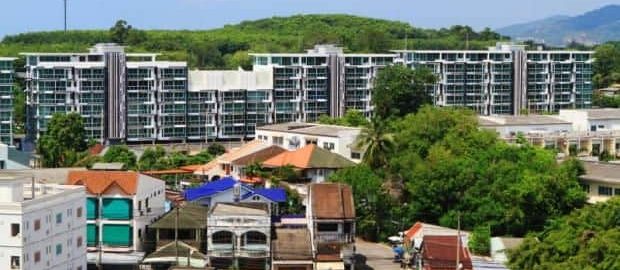
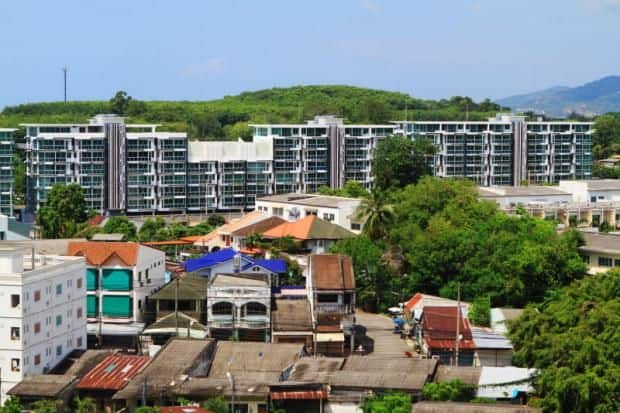
Phuket condos primed for small uptick

The Phuket condominium market is expected to rise in line with a recovering economy and the growing population of the island.

Increasing supply and higher selling prices will be the key drivers, while demand is forecast to improve slightly. Local developers and joint ventures will be key players in the market, said property consultant Knight Frank Thailand.

Demand will continue to be driven by international buyers and investors from China, Russia, and Australia. Knight Frank expects a larger portion of South Korean buyers in the following years. Average asking prices per square metre are anticipated to rise in all areas, while increasing demand for luxury condominium units may see prices approaching a new high in 2018, especially for properties located by the sea.

Luxury buyers tend to buy them for their own residence or long-term capital appreciation.

Phuket’s Smart City is also expected to stimulate demand in the city. The initiative aims to transform the province into a “smart economy and smart living community” and establish the city as a hub of digital industry that will attract investors and tourists alike. The project is scheduled to be completed in 2020.

Phuket’s condominium market took a fall in 2017. The total number of units launched last year decreased 29% to 1,736 from 2,478 in 2016. On the demand front, there were 1,147 condos sold in 2017, down 36% year-on-year.

Newly launched supply with a sea view, partial sea view, or no sea view accounted for 44%, 54%, and 2%, respectively. The majority of the developments are in the high-end segment, principally located in Karon, Naiharn, and Bangtao.

Condominium projects launched in 2017 recorded an average take-up rate of 66%, down 6% year-on-year. However, projects with affordable pricing, attractive down payment packages, exceptional amenities, and convenient locations achieved higher sales within weeks of their launch.

The average asking price per square metre for all new condominium projects launched in the Phuket market last year surged to 135,719 baht, up by 2.5% year-on-year.

Read more

16/02/2019No comments,
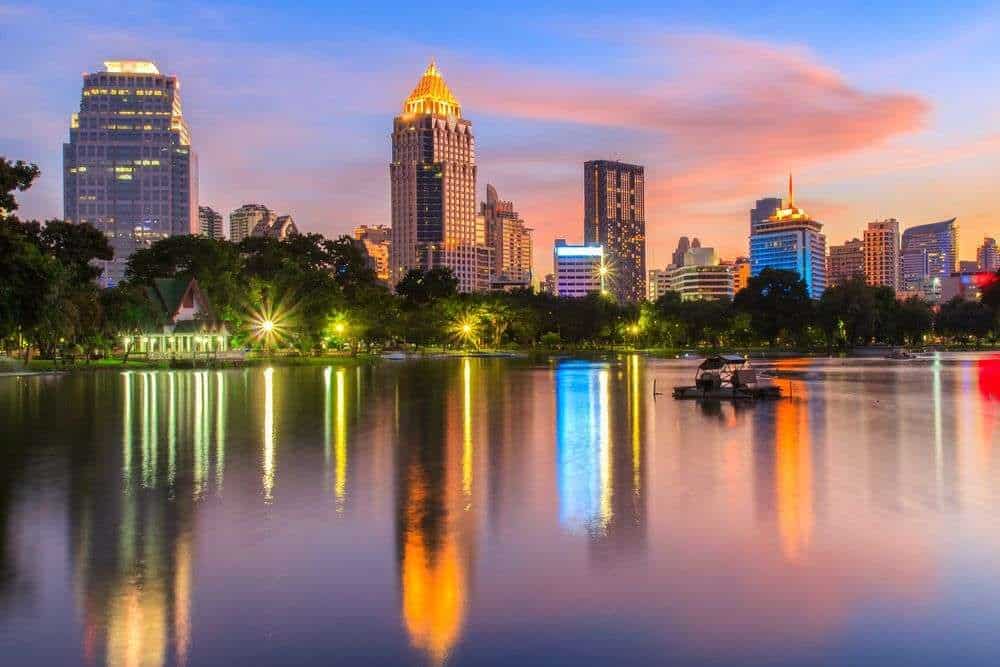
Land prices reach for the sky in Bangkok

Real estateโ€™s reputation as a valuable investment asset strengthens further in the Thai capital

Bangkok’s property market is going from strength-to-strength, according to DDpropertyโ€™s latest Property Index.

The Thai capital has displayed price growth with an eight-point increase from 205 to 213 in the first quarter of 2018. This growth is on the back of an improving economic outlook and an expected increase in Gross Domestic Product (GDP) this year to 4.2 percent (up 0.3 percent y-o-y), and in part due to the rising cost of developing projects in the popular but densely built-up areas in Bangkok.

The Index has jumped by 213 percent in the last three years, fuelled by hot land prices which has meant that affordable residential developments are being pushed further from the city centre, most commonly along mass transit extension lines.

โ€œThe sophistication of Bangkokโ€™s property market is more apparent now than ever,โ€ said Kamolpat Swaengkit, Country Manager for DDproperty. โ€œAs values continue to move upwards, propertyโ€™s reputation as a valuable investment asset strengthens further. Developers are therefore taking note and it is no wonder that the year has welcomed joint ventures between local and foreign developers eyeing potential across the city. They have become a lot more selective on the kinds of projects they work on, with the focus on building the โ€˜rightโ€™ property for the location and ensuring it is suited to its target audience. We have seen a real shift in the market with this renewed attention to detail.โ€

Read more

16/02/2019No comments,
Inside Thai architectsโ€™ plans to make Bangkok even greener

The city is sorely lacking in green space per capita

Thai architects are partnering with the government on plans to turn Bangkok and other big urban areas into โ€œpublic cities for all,โ€ with green spaces that are commensurate with the needs of their inhabitants, The Nation reported.

The Thai Association of Landscape Architects (TALA) announced Wednesday it is pitching the Health Ministry a policy promoting more green, public spaces in the city.

The architects will be working closely with the National Health Commission Office and โ€œbrainstormingโ€ with the private sector and civilian stakeholders, according to landscape architect Yossapon Boonsom of TALA.

โ€œWe live in a sick city, full of pollution and limited in public spaces, and many urban dwellers are physically ill,โ€ he said.

Read more

16/02/2019No comments
Here are new rules to consider before you build in Phuket: expert

Hillside and cliffside developments in the Thai island require careful planning

Developers who want to build on vantage points, promontories, and other plots of significant terrain in Phuket will need to contend with the government’s new environmental regulations for the touristy Thai island,ย a leading hospitality consultant said.

Under rules issued by the Ministry of Natural Resources and Environment, structures are forbidden from being built on land with a gradient or slopeย of 35 percent and above, significantly down from the previous threshold of 50 percent.

Additionally, if the area is elevated more than 40 metres, a building must not be six metres high. A building sited in an area elevated below 40 metres must not be 40 metres high.

โ€œWho are the winners and losers for development? Hillside condominium projects certainly will become more difficult as will cliff hugging hotels,โ€ reported Bill Barnett, managing director of the hotel consultancy C9 Hotelworks.

Read more

16/02/2019No comments,
Itโ€™s time to pay attention to Thailandโ€™s western coast

All eyes on the Andaman as the nation’s second-highest office issues directive on the ‘Riviera’

The coast of mainland Thailand facing the Andaman Sea has got the shorter end of the tourism stick, compared with its eastern counterpart.

Addressing thisย imbalance, the Tourism and Sports Ministry will be proposing the Riviera Thailand project during a Cabinet retreat in Phetchaburi on Tuesday. The announcement was made at the request of Deputy Prime Minister Somkid Jatusripitak, revealed Tourism and Sports Minister Weerasak Kowsurat on Sunday.

The Riviera, a coastal stretchย that includes such townsย as Phetchaburi, Prachuap Khiri Khan, Chumphon and Ranong, hasย long been overlooked for tourist spots along the Gulf of Thailand, the deputy prime minister reasoned.

โ€œThe Andaman has been ignored by Thais because it doesnโ€™t have the legacy of Hua Hin nor road access, and the hotels are about beaches, while most Thais prefer more urban-type destinations,โ€ said Bill Barnett, managing director of hospitality consultancy C9 Hotelworks.

Read more

16/02/2019No comments,
Phuket is transforming from a beach getaway to urbanised holiday spot

Non-beach-related activities hold their own in the popular Thai resort hub amid improving air linkages

Phuket is transforming into a more well-rounded destination asย a preponderance of visitors takes advantage of the Thai resort island’s expanding air transport infrastructure.

Tourists as well as property seekers are finding new purpose in the renowned island in the Andaman Sea: spending time and money on activities not necessarily related to the beach.

Almost 200,000 square metersโ€™ worth of premium-grade leasable retail spaces are in the pipeline for Phuket, offering travellers and new residents options beyond the sand and surf, a new report by hospitality consultancy C9 Hotelworks showed.

Developers are also adding more serviced apartment units to mixed-use projects in a bid to attract real estate buyers, underscoring Phuketโ€™s changing consumer landscape.ย Ten upcoming mixed-use properties are set to have a hotel-residence component, comprising 28 percentย of total incoming supply.

โ€œPhuket is gradually transforming to a more urbanised holiday destination rather than a pure beach getaway,โ€ said C9 Hotelworks managing director Bill Barnett in a statement.

Four retail complexes are under development in the island โ€” extensions to Boat Avenue and Central Festival Phuket among them โ€” as demand for “non-beach centric activities” rise, C9 Hotelworks noted in the report.

“With the strong purchasing power of tourists, especially Chinese, Russians and Australians, more retail and tourism attractions are developing on the island.”

Read more

16/02/2019No comments
Thailand real estate: relentless, expensive, and highly desirable

Will buyers ever tire of the Land of Smiles?

For Australians, the phrase โ€˜the lucky countryโ€™ hasย strong resonance. The nickname, coined by author Donald Horne in his novel of the same name, has been used to describe the Antipodean nationโ€™s weather, lifestyle and is often invoked to describe its good fortune from gold rushes to economic booms.

Despite its roots Down Under, the description could just as easily be applied to Thailand: a nation whose spectacular natural attributes, incredible cuisine and long-established cache as one of the worldโ€™s most appealing places to live has enabled its property market to ride out storms and setbacks that might have floored those in other countries.

โ€œThailandโ€™s infrastructure, accessibility, and general reputation for being a laid-back leisure destination are still vastly superior to other neighbouring countries,โ€ says Andrew Gulbrandson, research head at JLL Thailand. โ€œWhile certain destinations within Thailand may become less popular, itโ€™s difficult to envision a scenario where Thailandโ€™s desirability as a place to invest substantially decreases.โ€

Indeed, the countryโ€™s reputation for being Teflon-coated when it comes to deflecting troublesome news, events and economic tidings is as resonant as ever. In August 2016, bombs exploded in the tourist hubs of Hua Hin and Phuket while last October saw the passing of King Bhumibol Adulyadej, the nationโ€™s much revered monarch.

This year has, by Thai standards at least, been relatively light on potentially seismic events. However, the military-run government, in power since a coup in 2014, preside over an economy that continues to be lacklustre. The economy will expand 3.3 percent a year on average from 2017 to 2019, according to the World Bank, the weakest among eight developing Southeast Asian nations.

Given all this you could be forgiven for thinking that the countryโ€™s once-thriving real estate sector might be showing signs of lethargy, if not out and out fatigue. Not so, say analysts, experts and developers, pointing to booming demand for luxury property in the capital Bangkok and healthy interest from investors, both foreign and Thai, in popular secondary markets such as the paradise islands of Phuket and Koh Samui and the well-located beach resort of Hua Hin.

Read more

16/02/2019No comments
Why retirement real estate is now one of Thailandโ€™s fastest-growing property segments

The luxury senior housing industry is dawning on the kingdom as more and more Thais retire in independence

Thailand is greying fast. The kingdom holds the highest share of elderly people of any developing nation in East Asia and Pacific, the World Bank reported. As it stands, 11 percent of the Thai populace, representing 7.5 million people, are aged at least 65 years. The figure in 1995 was 5 percent; by 2040, it will have increased to as much a fourth of the populace or 17 million people.

In any other market, the vintage of a populace would be a bonanza to property developers. But this is Thailand, land of multigenerational households; to capitalise on the astronomical growth of its geriatric demographic, one has to fight against a tide of ingrained mores.

As with many Asian countries, the notion of children booking their parents in retirement communities and nursing care homes was once unthinkable in the kingdom. If anything, empty nesters are loathe to leave their homes, many bequethed to them across multiple generations. Upwardly mobile children will simply hire private nurses and nursing aides as their caretaking proxies.

โ€œSome people are getting around this by living in a condominium where they own units side by side,โ€ said Kipsan Beck, managing director of the supertall MahaNakhon mixed-use project in Bangkok, at the first PropertyGuru Thailand Real Estate Summit. โ€œBut imagine that elderly people have some special needs. They need medical services on-call; they need slightly different furnishings from those for a 20- or 30-year old.โ€

Granted, the luxury senior housing market in the country remains โ€œrelatively small,โ€ Jones Lang LaSalle reported in July. Slowly but surely, however, wealthy baby boomers are growing comfortable with the idea of active ageing, independent of family members.

“Senior living in Thailand is a key growth sector that we will see over the next 10 years,โ€ said Andrew Gulbrandson, head of research and consulting at Jones Lang LaSalle Thailand.

Several consortia and joint ventures have made a headstart on such a captive market. In Chon Buri, the Sunplay Bangsaray project invites active retirees to live out their golden years in highly amenitised pool villas and condominiums alongside a 5,000-square-foot clubhouse. Along the beaches of Kamala in Phuket will rise MontAzure, a 454-rai mixed-use development whose central components include Kamala Senior Living, an upscale retirement community, as well as Thailandโ€™s first Cafรฉ del Mar.

Kamala Senior Living is ย geared toward leisure-oriented, high-net-worth property seekers of a certain age. โ€œThese are active retirees who would like to enjoy their lives,โ€ said Jonathan Umali, director of project and asset management at Hong Kongโ€™s ARCH Capital Management, a lead investor in MontAzure. โ€œThere are activities organised for residents, so that they have something to do every day. Itโ€™s like being in a cruise ship.โ€

Read more

16/02/2019No comments
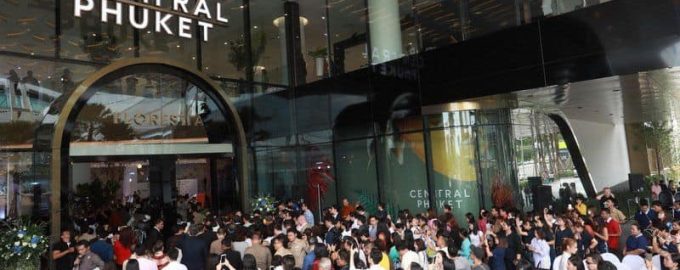
Central Phuket opens for business

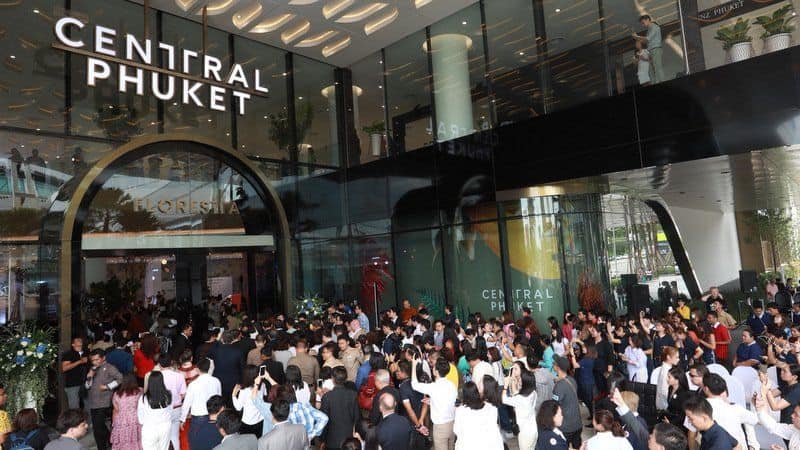
PHUKET: Central Pattana Plc (CPN), Thailandโ€™s largest retail property developer, today (Sept 10) celebrated the grand opening of Central Phuket, its B20-billion luxury flagship mall.

CPN Deputy CEO Wallaya Chirathivat said, โ€œVisiting Central Phuket will fulfil all types of lifestyles: eat, shop and have fun throughout the day.

โ€œThis project highlights our excellence on a global scale in three aspects: a โ€˜World-Class Projectโ€™ โ€“ it is a world-class mega project and Central Pattanaโ€™s luxury flagship store, a fulfilling shopping experience making Phuket the perfect โ€˜Beach Lifestyle Destinationโ€™; โ€˜World-Class Experienceโ€™ โ€“ creating a world-class experience to meet the โ€˜Luxury & Leisure Lifestyleโ€™ travel trend of people from around the world, with a selection of global brands and launching international events throughout the year under the concept of โ€˜The World Comes to Playโ€™; and โ€˜World-Class Attractionsโ€™ โ€“ the new destination for tourists from all over the world with the โ€˜Worldโ€™s First Everโ€™ attractions,โ€ she added.

โ€œCentral Phuket helps to emphasise us as a global player and it is in line with the provincial development policy to elevate Phuket to be one of the most complete travel destinations in the world,โ€ Ms Wallaya noted.

The positioning of Central Phuket is set to be โ€˜The Magnitude of โ€˜Luxury & Leisureโ€™ Resort Shopping Destinationโ€™, a seamless combination of Luxury and Leisure lifestyle in one place, a release issued today explained.

The entire project comprises the newly opened today โ€˜Florestaโ€™ building, which focuses on tourists and customers โ€œwho prefer a luxurious lifestyle, enjoy shopping for leading brands and like to visit world-class attractionsโ€.

Meanwhile, the already long well-known โ€˜Festivalโ€™ building aims to attract โ€œfamily-group customers who regularly visit the shopping centre to shop, enjoy good food and watch moviesโ€, the release added.

Read more

16/02/2019No comments
Michael Ayling takes the reins at B1.3bn Blue Tree waterpark

PHUKET: Blue Tree Phuket has announced the appointment of Michael Ayling, a veteran of Phuketโ€™s hospitality scene, as its General Manager.

Having worked in a consulting capacity for the past 24 months, Mr Ayling now takes the reins to lead the development, beginning with its opening to the public in early 2019.

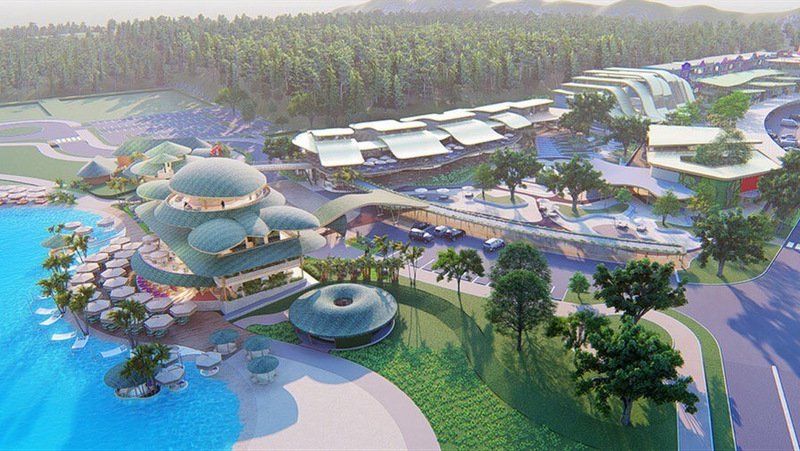
The B1.33 billion project is located on 140 rai in Cherng Talay, and will have a giant waterpark as its centrepiece.

Facilities within the 70.8-rai first phase, which opens to the public in the first quarter of 2019, include a Water and Entertainment park, a four-storey vertical Beach Club, Fitness Zone, Kidโ€™s Club and multiple retail spaces.

The project also includes plans for a retail mall with a major supermarket as the commercial anchor as well as office spaces, nightly entertainment in an amphitheatre, a four-storey beach club, a Kidโ€™s Club, a fitness zone and at least 17 restaurants and food outlets. and parking spaces for 500 cars.

The commercial amenities will be centred around the complexโ€™s star attraction: Blue Tree Lagoon.

The 17,000-square-metre man-made lagoon will be flanked by artificial beaches and offers the ultimate aquatic playground for family-friendly and adrenaline-driven activities such as Slip N Fly water slides, splash zone and even cliff jumping.

Aside from utilising state-of-the-art technology to maintain water clarity, The Blue Tree Lagoon also boasts eco-friendly credentials. Powered by global innovator Crystal Lagoonsโ€™ sustainable technology, the lagoon uses up to 100 times fewer chemicals and 50 times less energy than conventional swimming pool systems.

Mr Ayling, a UK-born leisure industry professional, brings a wealth of experience to the role including 12 years at Laguna Phuket, one of the islandโ€™s best-known and most expansive resort and leisure complexes.

Read more

16/02/2019No comments,
Making an impact, Giving Children Hope and a Future

Asia Center Foundation (ACF) is a christian charity registered as a Non Government Organization (NGO) on Phuket, Thailand in operation since 2002. Ourย missionย is to help disadvantaged children and children-at-risk by providing care, training and education so that they will fulfill their God-given potential.

The ACFโ€™sย visionย is to restore children to God, transform and develop them into leaders influencing their world.

ACF employs local Thai staff and also makes use of the help of local and international volunteers to engage and work with underprivileged, impoverished children and children-at-risk on Phuket.

Read more

16/02/2019No comments
Central commits to B1bn Phuket lifestyle mall

BANGKOK: The Central Group of Companies, Thailandโ€™s biggest retail conglomerate, plans to spend B1 billion to build its first outdoor lifestyle mall in the Bang Tao area of Phuket next year.

Lertvit Pumipitak, the groupโ€™s senior executive vice-president of corporate business development, said the company will start to develop Porto de Phuket on 50 rai in Bang Tao in 2019, with construction to be complete by the end the year.

The construction is divided into two phases. The first phase is on 20 rai, focusing on the development of an outdoor lifestyle mall covering 40,000 square metres.

The lifestyle mall will consist of seven features, including a Phuketian Mercado and a Food Hall with eateries, cafes, bars and beverage stores.

Central Food Hall, a restaurant and cafe zone, a multi-design house offering various creative products from top designers around the world, as well as new formats of Supersports, Power Buy, B2S and FamilyMart convenience store are all planned for the mall.

Nick Reitmeier, executive vice-president of Food Hall and international buying for Central Food Retail Co (CFR), the operator of Tops Supermarket and Food Hall, said the company plans to invest B120-150 million to build a new Food Hall at the Porto de Phuket project covering 3,000 square metres.

The group already operates Central Festival, Central Floresta and Robinson department stores and lifestyle centres in Phuket. In addition to Porto de Phuket, the group is building a Zen Department Store in Patong Beach slated to open before the yearโ€™s end.

Read more

16/02/2019No comments,
Phuket light-rail up open to public by 2023, assures official

PHUKET: Local residents will be able to get on board Phuketโ€™s light-rail by 2023, a top official behind the project has assured.

Niran Kaetkeaw, the Director of the Regional Bureau of Transportation and Traffic Promotion, Office of Transport and Traffic Policy and planning (OTP), said on Friday (Oct 26) that the project was making good progress.

โ€œThe e-bidding for the project is expected to start next year 2019, with bids closing in 2020. We expect construction to start in 2020, with construction completed by 2022,โ€ Mr Niran said.

โ€œThe first year of operation will be a trial period, with the light-rail fully operational and open to the public by 2023 for certain,โ€ he added.

Mr Niran explained that the Mass Rapid Transit Authority of Thailand (MRTA), which has now been granted legal authority to oversee the project, began seeking feedback from relevant agencies and the public in order to draft the terms of the Public-Private Partnership (PPP) government tender to be offered.

โ€œThe MRTA will then submit their report to the Ministry of Transport and assist in expediting the preparation of the government tender documents,โ€ he said.

โ€œConstruction of the first 41.7 kilometres of the project will be launched in the first half of 2022, or before the beginning of 2023. The budget for this section will be B30.154 billion.

โ€œThe entire project will be along a total of 58.52km, with a total project cost of B39.406 billion,โ€ he said.

The northern section of the light-rail route will mainly follow Thepkrasattri Rd, Mr Niran noted.

Read more


16/02/2019No comments,
โ€˜Better if you doโ€™: Phuket Immigration chief urges foreigners to re-register addresses, even if staying off-island just one night

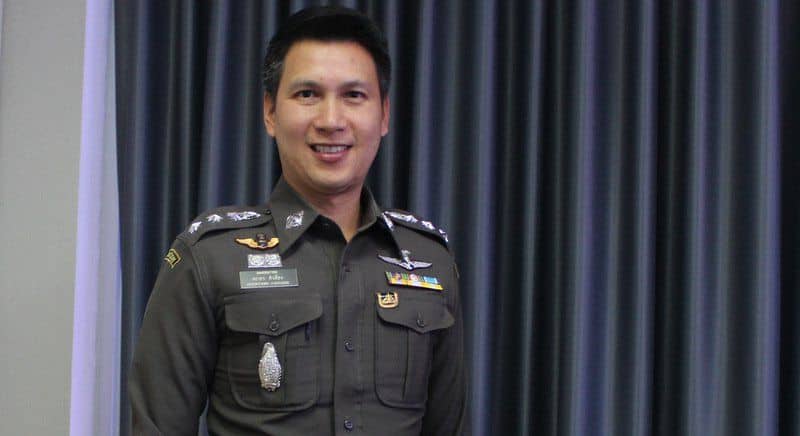
PHUKET: The Chief of the Phuket Immigration Office, Col Kathathorn Kumthieng, has confirmed that all foreigners registered as living in Phuket must re-report their address to immigration after being registered as staying in a hotel within Thailand, even for just one night.

The confirmation follows complaints from long-term expats that they were fined B2,000 for not re-registering their home addresses after travelling within the country.

โ€œBy law, it is a requirement to register your address within 24 hours after being registered elsewhere, such as at a hotel or a guesthouse,โ€ Col Kathathorn told The Phuket News this week.

โ€œThis is because the hotel or guest house will have to register you, also by law, as residing somewhere other than your residence. So when you return to your residence, you must inform immigration,โ€ he explained.

The same also applies for foreigners living in Phuket who leave the country and return, say for a weekend trip to Singapore.

Col Kathathorn played down concerns for honest, law-abiding expats.

โ€œAlthough it is the law, if itโ€™s a short stay, for example a day or two, and nothing happens to prompt officials to check then there usually wonโ€™t be a problem,โ€ he said, for stays away from home within the country.

โ€œHowever, if you become involved in an incident and become a suspect in a case for example, not re-registering your address will be a big problem. So itโ€™s better if you do.โ€

Regardless, although the overall effect for most foreigners caught not re-registering their address each time on returning home to Phuket might be deemed negligible, foreigners will be liable to a B2,000 fine for each infringement and the incident will remain on their immigration record.

Read more

16/02/2019No comments